- Category
- Defense Tech
Ukraine's Fire Point Builds Starlink-Free Strike Technology to Reduce Foreign Dependence
 Prefer U24 Media on Google
- Authors


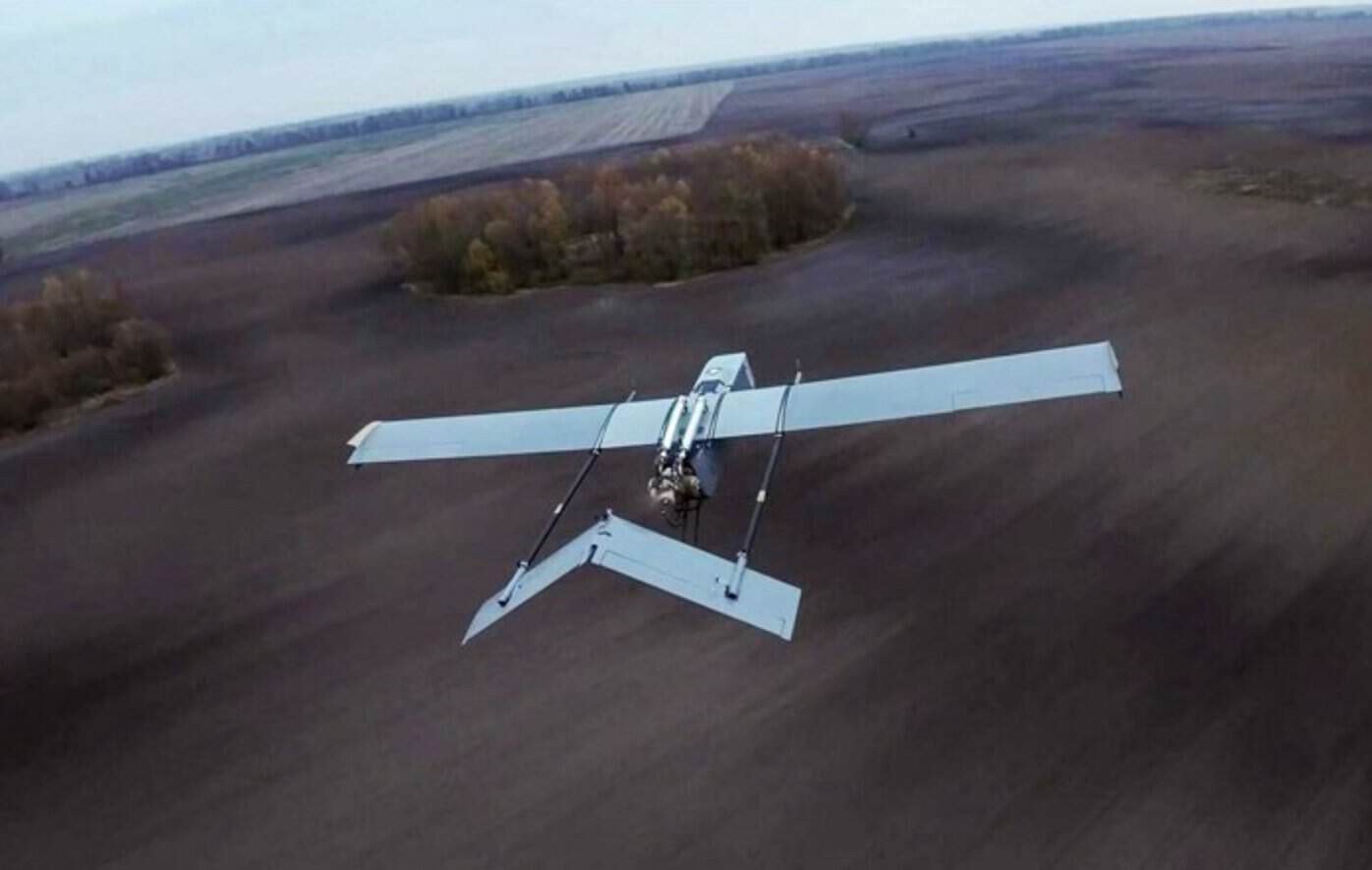
Ukrainian weapons manufacturer Fire Point has developed technology allowing its long-range strike systems to complete missions against targets in Russia and Russian-occupied Ukrainian territory without relying on SpaceX satellite connectivity.
Fire Point CEO Iryna Terekh told Reuters in an interview published on October 30 that the company had developed technological workarounds to maintain strike capabilities despite restrictions on satellite communications.
We bring you stories from the ground. Your support keeps our team in the field.
"Fire Point systems are designed to finish a mission without a satellite link," Terekh stated, emphasizing that navigation independent of external signals remains a development priority.
Terekh acknowledged that the alternative technology provides only 15% to 20% of the operational capabilities Ukraine could achieve with full Starlink coverage over Russia. She described unrestricted access as a potential game changer for strikes against high-value targets, including Russian ballistic missile launchers.
The developments follow a 10-day period in October when SpaceX restricted satellite connectivity for Ukrainian drones traveling faster than 160 kilometers per hour. The limitations disrupted drone operations and communications during ongoing strike missions. Higher-speed connectivity was subsequently restored.

Terekh also called for a predictable agreement between Ukraine and the US governing satellite communications, arguing that Ukraine's ability to defend itself should not depend on frequently changing restrictions.
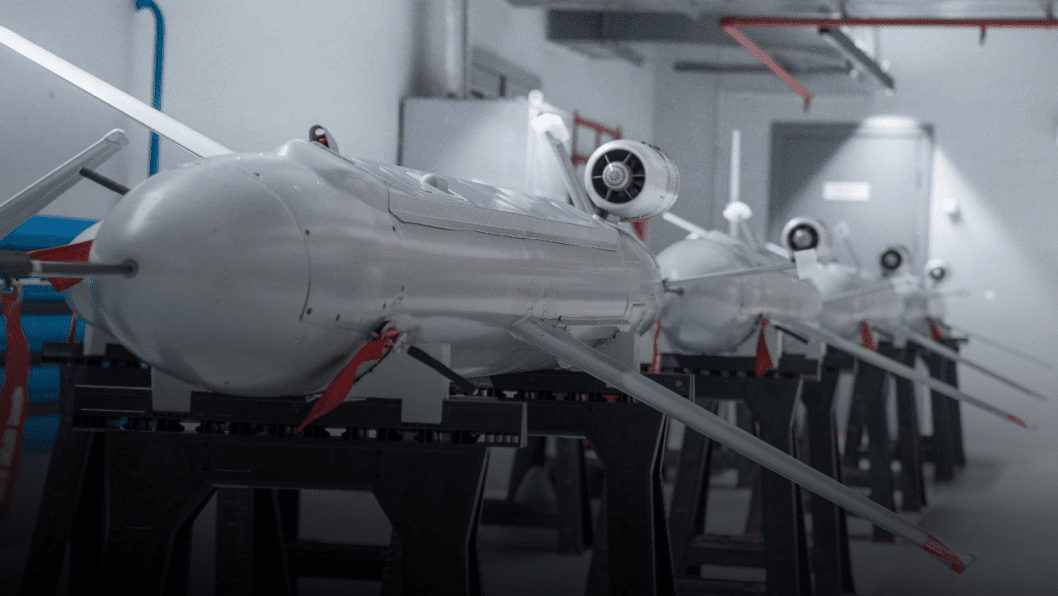
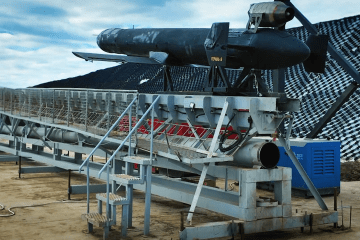
Beyond satellite-independent navigation, Fire Point is expanding Ukraine's domestically developed ballistic missile capabilities. Its FP-7 tactical ballistic missile, which has a range of approximately 300 kilometers, recently made its combat debut against a target in Russian-occupied Ukrainian territory.
Terekh explained that the FP-7 could target Russian Iskander ballistic missile launchers, which can relocate before slower Ukrainian strike drones reach them. Destroying such launchers could prevent attacks on Ukrainian cities and provide a more cost-effective defensive option than intercepting incoming missiles with US-made Patriot systems.
She also emphasized that domestic ballistic missile production eliminates the risk of foreign governments remotely disabling the weapons through a technological "kill switch."

The company is also coordinating Freyja, a pan-European project to develop an anti-ballistic missile interceptor. Terekh reported that testing against a simulated target is expected before the end of 2026, followed by an interception of a physical target by mid-2027. The project aims to expand Europe's ability to counter ballistic missile threats.
Fire Point's missile program has moved quickly from the drawing board to the battlefield. The FP-7 entered codification after roughly two years of development, with research and initial production setup costing approximately $200 million, before its first combat use was confirmed on October 1.
To overcome tight international export controls, the company has engineered critical components internally. It has also upgraded the FP-7.x Freyja interceptor, developed with nine other European nations, with a combined infrared and radar seeker designed to hold a lock through bad weather or decoys.
Discuss this article: