- Category
- War in Ukraine
Ukraine Successfully Uses Domestic FP-7 Ballistic Missile for the First Time, Zelenskyy Says
 Prefer U24 Media on Google
- Authors

-c439b7bd9030ecf9d5a4287dc361ba31.jpg "Photo of Katherina Popilnichenko")
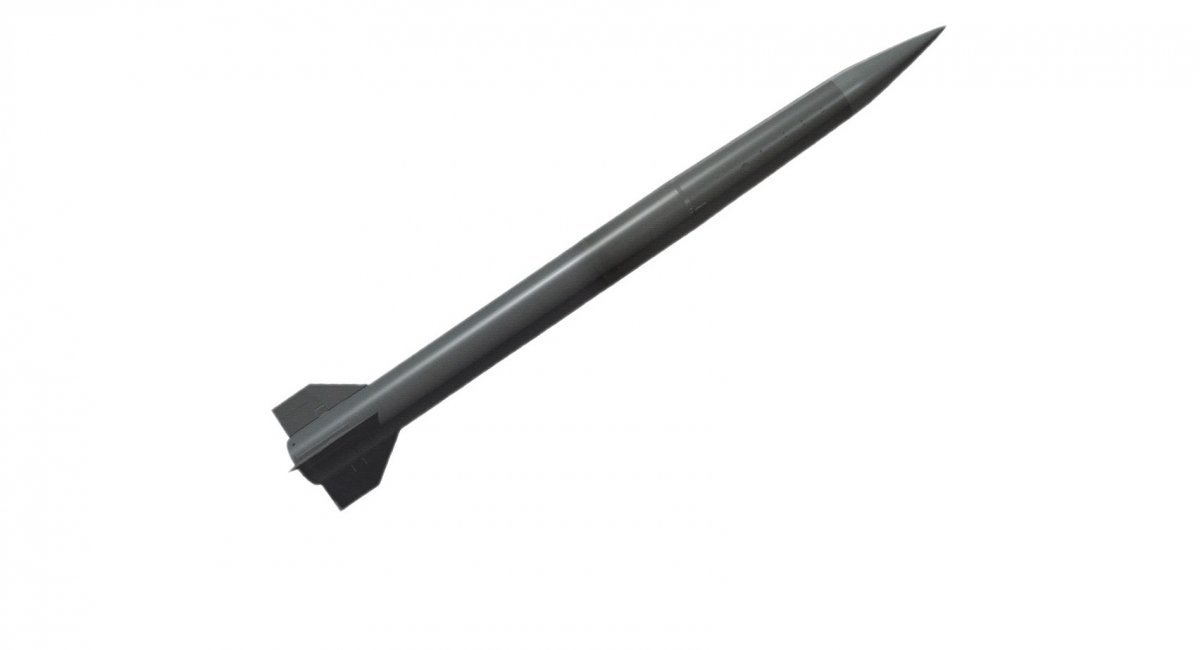
Ukrainian forces have marked the first successful operational deployment of the domestically developed FP-7 tactical ballistic missile during Russia’s full-scale invasion of Ukraine, President Volodymyr Zelenskyy confirmed on October 1.
Footage shared on official social channels captured the launch from an undisclosed firing position.
We bring you stories from the ground. Your support keeps our team in the field.
“Ukrainian tactical ballistics. FP-7. First combat use. Thank you for the result. Next is production. Glory to Ukraine!” Zelenskyy stated in a message accompanying the video.
Ukrainian tactical ballistic missile. FP-7. First combat use. Thank you for the result. Next up: production. Glory to Ukraine! pic.twitter.com/IxdjVg51c1
— Volodymyr Zelenskyy / Володимир Зеленський (@ZelenskyyUa) October 1, 2026
The deployment marks a significant transition for Ukraine’s defense industry as it expands domestic production of long-range strike systems.
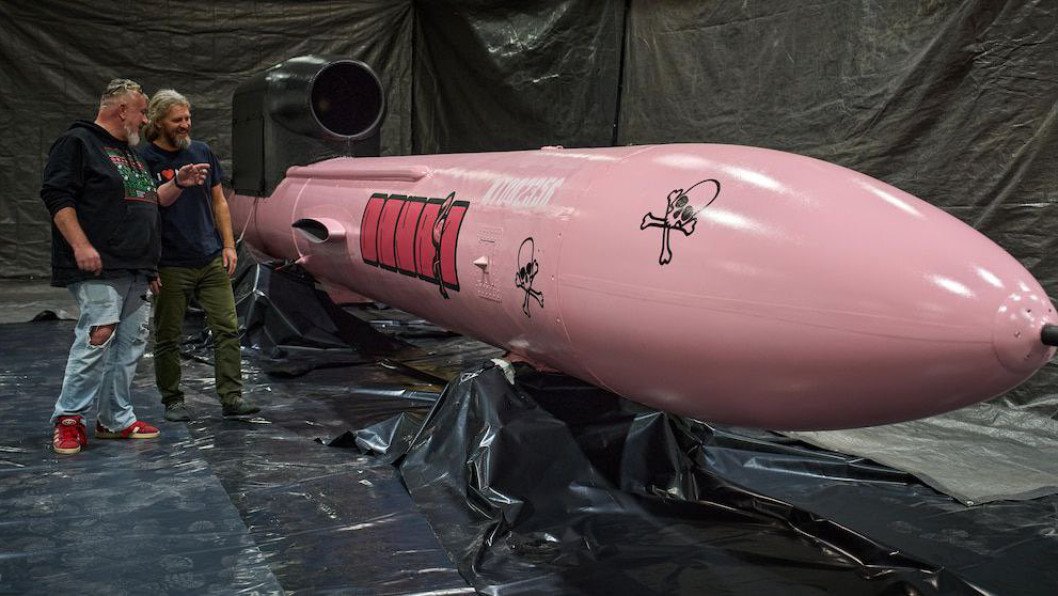
Ukrainian missile maker Fire Point updated its FP-7.x Freyja interceptor with a combined infrared and radar seeker, replacing the missile's previous infrared-only design.
The dual-mode seeker allowed the system to track targets using both heat signatures and radar reflections during its final flight phase, helping maintain lock-on even through bad weather or decoys.
Developed as part of a joint initiative with nine other European nations, the 7.25-meter-long interceptor was designed to reach speeds up to 7,200 kilometers per hour to counter short-range ballistic threats during Russia’s full-scale invasion of Ukraine.
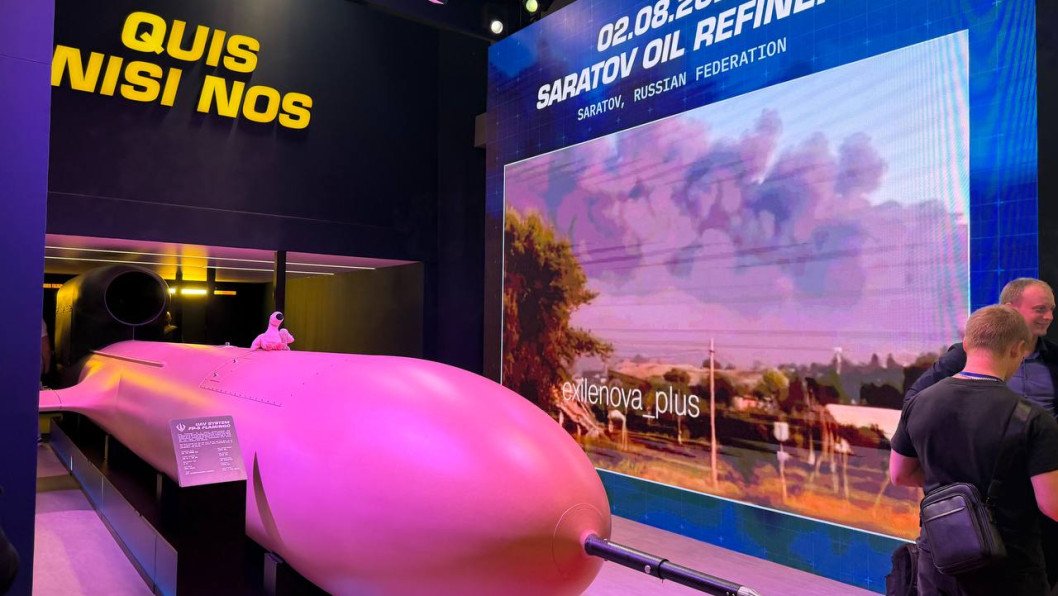
Fire Point made significant progress on its domestic missile program during Russia’s full-scale invasion of Ukraine, aiming to complete its 850-kilometer FP-9 ballistic missile by late 2026.
Company CEO Iryna Terekh revealed in a September interview that the shorter-range FP-7 had already entered codification after roughly two years of rapid development, costing approximately $200 million for research and initial production setup.
The company worked to finish testing the long-range FP-9—designed to potentially reach distant targets, including Moscow—while overcoming tight international export controls by engineering critical components internally.
Discuss this article:
-9a7b3a98ed5c506e0b77a6663f5727c5.png)