- Category
- War in Ukraine
Inside Fire Point: From Long-Range Drones to Ballistic Missiles and Beyond

In an exclusive interview with The War Zone, Fire Point CEO Iryna Terekh detailed the Ukrainian company’s expanding portfolio—from mass-produced strike drones and the Flamingo cruise missile to an 850-kilometer ballistic weapon, low-cost air defense interceptors, and plans for independent satellite communications.
 Prefer U24 Media on Google
- Authors


Ukrainian defense company Fire Point began with a plan to develop a relatively inexpensive long-range strike drone. It has since expanded into cruise and ballistic missiles, air defense interceptors, artificial intelligence-assisted weapons, and early-stage projects related to satellite communications and space launch capabilities.
We bring you stories from the ground. Your support keeps our team in the field.
In an exclusive interview with The War Zone published on August 3, Fire Point CEO Iryna Terekh described how the company developed from a small Ukrainian engineering team into a distributed defense manufacturer operating through approximately 90 production sites and supporting facilities.
The wide-ranging TWZ interview disclosed new details about the company’s FP-1 and FP-2 drones, the FP-5 Flamingo cruise missile, the forthcoming FP-9 ballistic missile, the FP-7.x air defense interceptor, and Fire Point’s plans to establish independent satellite connectivity for its weapons.
Among the most immediate developments is the FP-9, an 850-kilometer ballistic missile that Fire Point is preparing to fly for the first time. Terekh told The War Zone that its navigation system was ready and its solid-fuel engines were being cast, with the first flight potentially taking place in autumn 2026.
From a long-range drone to a missile manufacturer
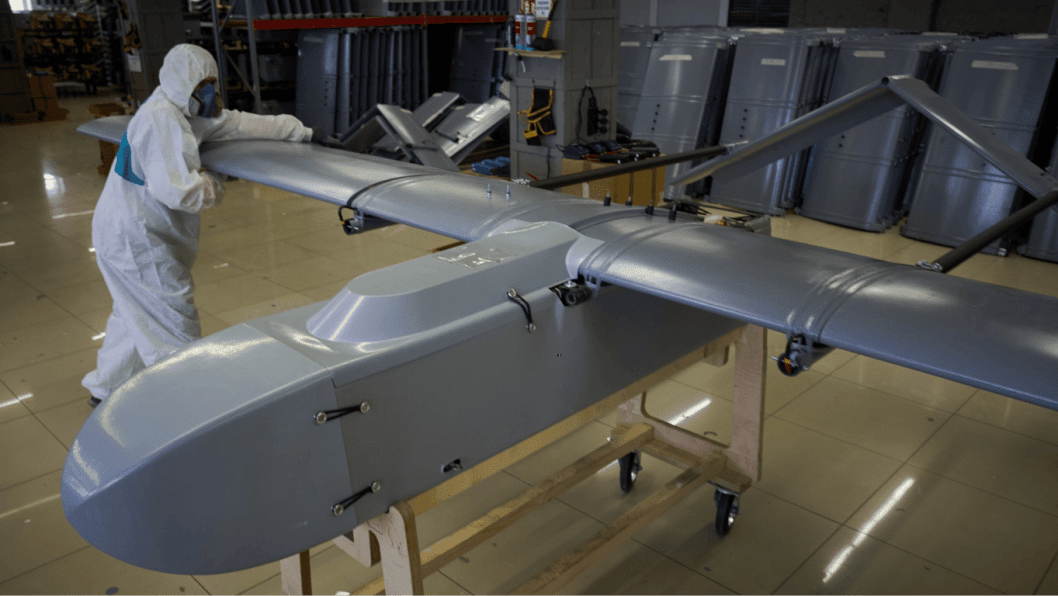
Fire Point’s first major weapon was the FP-1, a long-range attack drone initially conceived as a Ukrainian platform with characteristics broadly comparable to Russia’s Shahed-type drones.
FP-1 and FP-2 are the result of continuous development, engineering expertise, and operational experience gained alongside the military.
— Fire Point (@FirePointUA) July 29, 2026
From the first versions to today:
FP-1 — up to 3,400 km with a 60 kg warhead.
FP-2 — up to 700 km with a warhead of up to 200 kg.
And this… pic.twitter.com/vDFUy9YeQk
Terekh told TWZ that the company also originally intended to use the drone to carry stocks of Soviet-designed FAB-50 aerial bombs. However, the reported availability of large numbers of those bombs proved inaccurate.
The company nevertheless continued with the FP-1 program and began adapting the aircraft for large-scale production.
As output increased, Fire Point encountered shortages and bottlenecks involving components, manufacturing processes, and suppliers. It responded by building a wider network of supporting production sites capable of making parts that could not be obtained reliably elsewhere.
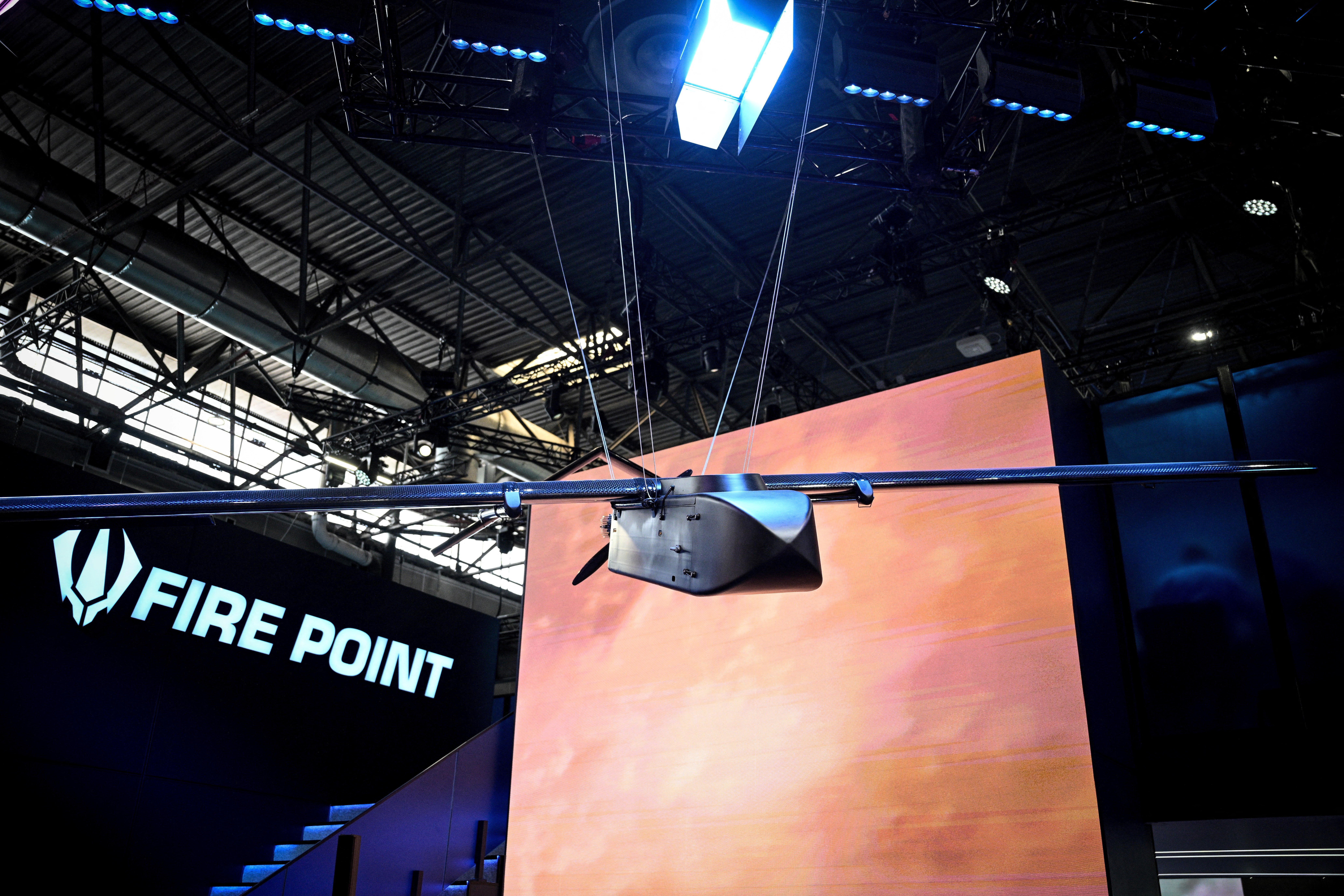
According to Terekh, that expanding industrial network ultimately gave the company the technical and manufacturing base needed to begin developing missiles.
“We started with the intention to win the war and destroy the Russian Empire, some knowledge in engineering, physics, mathematics, and industrial production, and we started with the FP-1 drone,” she told The War Zone.
While the company began with limited resources, its approach increasingly focused on controlling critical technologies, machinery, and production processes internally rather than relying heavily on outside contractors.
FP-1 and FP-2 drones expand in range and capability
The FP-1 was originally designed with a range of approximately 700 kilometers. Fire Point later developed longer-range configurations through changes to the aircraft’s wings, fuel capacity, aerodynamics, and engine efficiency.
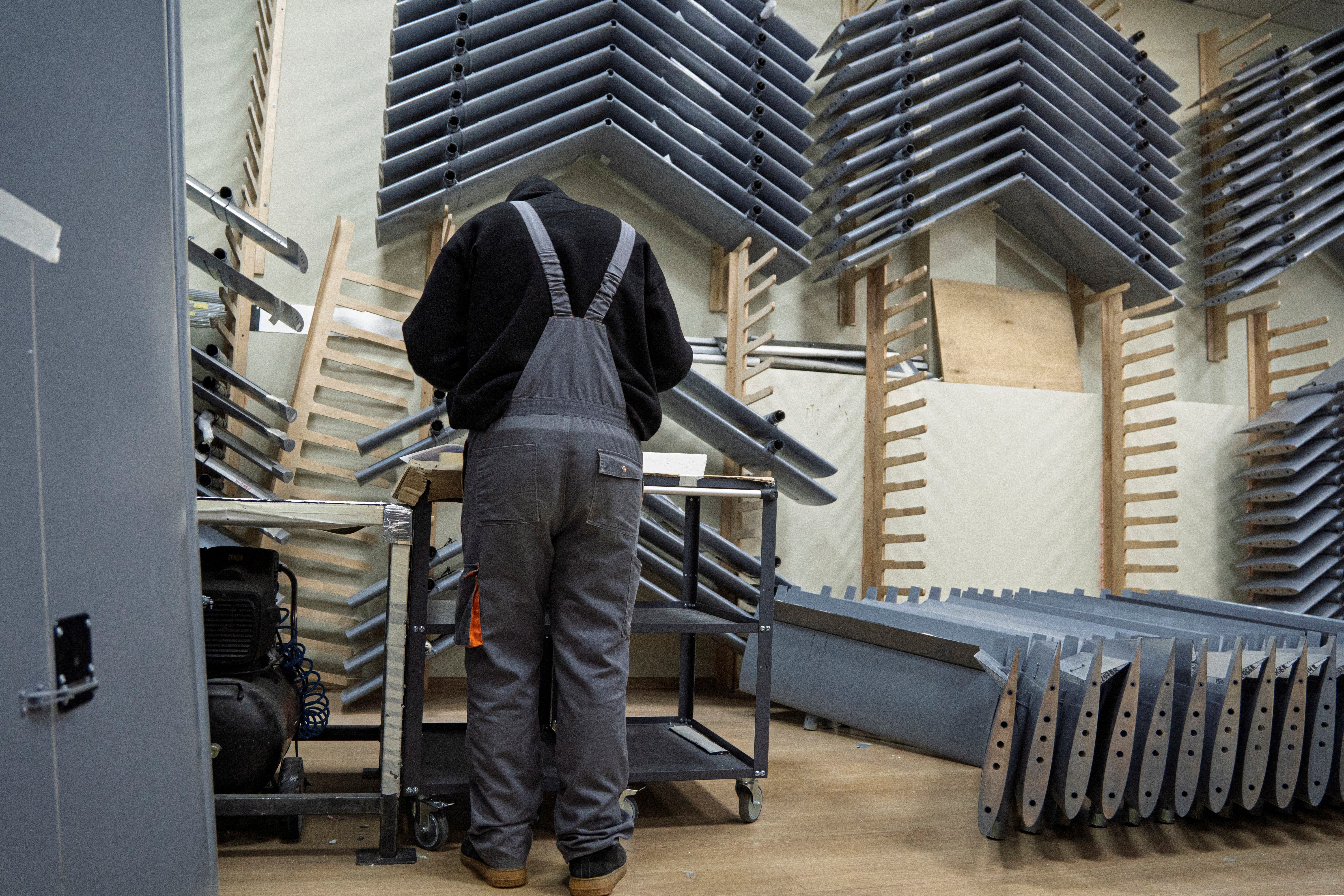
Terekh told The War Zone that the extended-range FP-1 uses a different wing containing additional fuel tanks. The more advanced configuration is also more difficult to manufacture, limiting the number that can be produced compared with the standard version.
The FP-2 followed a similar development process. Initially created for strikes at distances of around 200 kilometers, the drone has since reached ranges of up to 500 kilometers.
Ukrainian Fire Point FP-1 attack drone, seen here operating roughly 900km deep in Russian airspace this morning as it heads towards the St. Petersburg oil terminal. pic.twitter.com/8eIPM7EKQD
— OSINTtechnical (@Osinttechnical) July 4, 2026
Fire Point has also developed several alternative configurations for the FP-1 and FP-2 that have not been publicly disclosed.
One version can carry Soviet-designed 57-millimeter S-5 rockets. According to Terekh, the drone can launch as many as eight rockets before continuing toward its primary target.
The rockets could be used against mobile groups attempting to intercept Ukrainian long-range drones, allowing the aircraft to respond to threats encountered during its mission.
“Actually, the FP-1 and FP-2 are pretty universal platforms,” Terekh told TWZ. “There are so many versions of this that we didn’t announce it publicly yet.”
-383df2dd6ac96690cfe0472f7742b490.png)
She described the additional rocket mission as a “side quest” that does not prevent the drone from proceeding toward its original objective after releasing the weapons.
FP-2 targets moving ships with AI assistance
The FP-2 has also been used against Russian shipping in the Sea of Azov, where attacking moving targets requires a different guidance process from strikes on fixed facilities.
Terekh told The War Zone that the drone is manually controlled during such operations, with additional artificial intelligence assistance.
russia's shipping schedule just changed again. Another chapter of Tankercide 💥
— Fire Point (@FirePointUA) July 20, 2026
⚓️ 3 tankers – hit
⚓️ 4 bulk carriers – hit
See you next episode pic.twitter.com/Wx21kDH7tk
The system has several connectivity options, allowing operators to maintain control if one communications channel becomes unavailable. Terekh declined to disclose further technical details, citing the risk that Russia could develop countermeasures.
Real-time control enables the drone operator to select a ship’s most vulnerable section during the final stage of an attack.
“It is controlled manually. There is additional AI assistance on that control,” Terekh said in the TWZ interview. “So basically, that makes it the best option to fight dynamic moving targets.”
They say maritime shipping is all about reliability. Not this time 🤗
— Fire Point (@FirePointUA) July 18, 2026
⚓️ 8 cargo ships
⚓️ 2 crane vessels
⚓️ 1 tanker
⚓️ 1 tugboat
Another bad day for Russia’s maritime logistics.
Tankercide is far from over 💚 pic.twitter.com/IACkWoV3C8
She added that the availability of several communications options was important for maintaining control over the drone, particularly during operations against mobile maritime targets.
Flamingo brings Fire Point into cruise missiles
Fire Point’s FP-5 Flamingo represents a major expansion beyond long-range drones. The ground-launched cruise missile has a claimed range of approximately 1,800 miles, or roughly 2,900 kilometers.
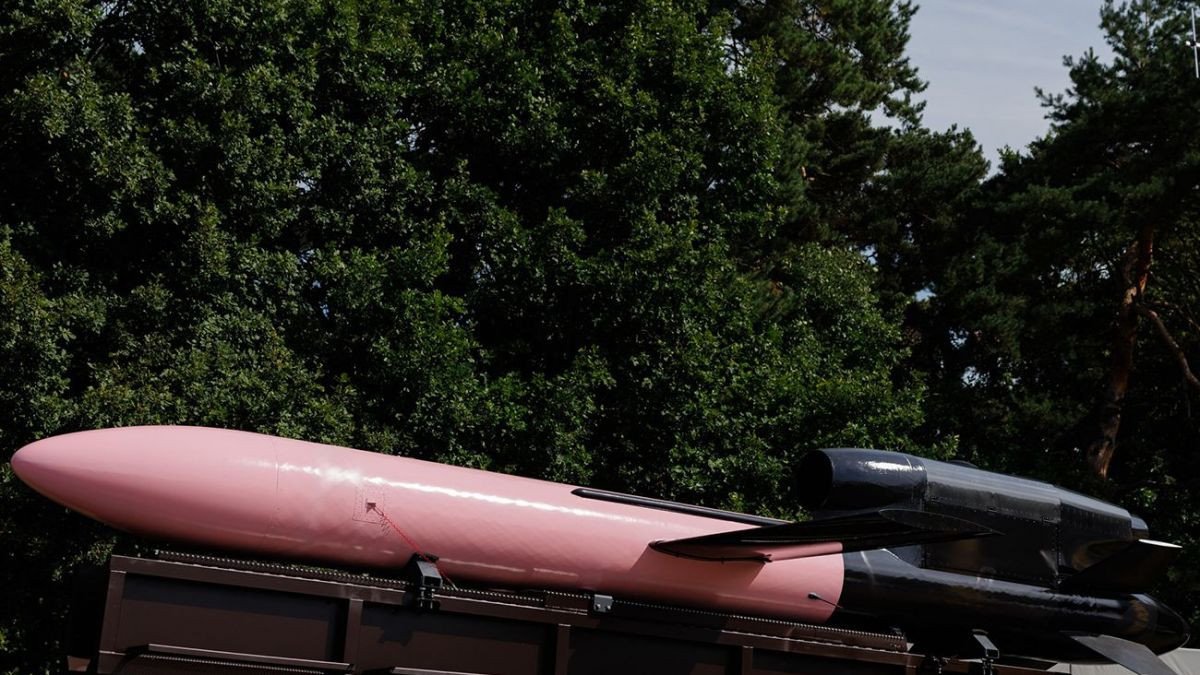
Early versions used the Ivchenko AI-25TL turbofan, an engine commonly associated with the L-39 Albatros jet trainer. However, Terekh told The War Zone that Flamingo was designed to operate with several different powerplants rather than rely exclusively on a finite supply of surplus aircraft engines.
Fire Point currently uses five different engine types for Flamingo. The company is also developing a new Ukrainian turbojet engine in cooperation with the design bureau responsible for the original AI-25.
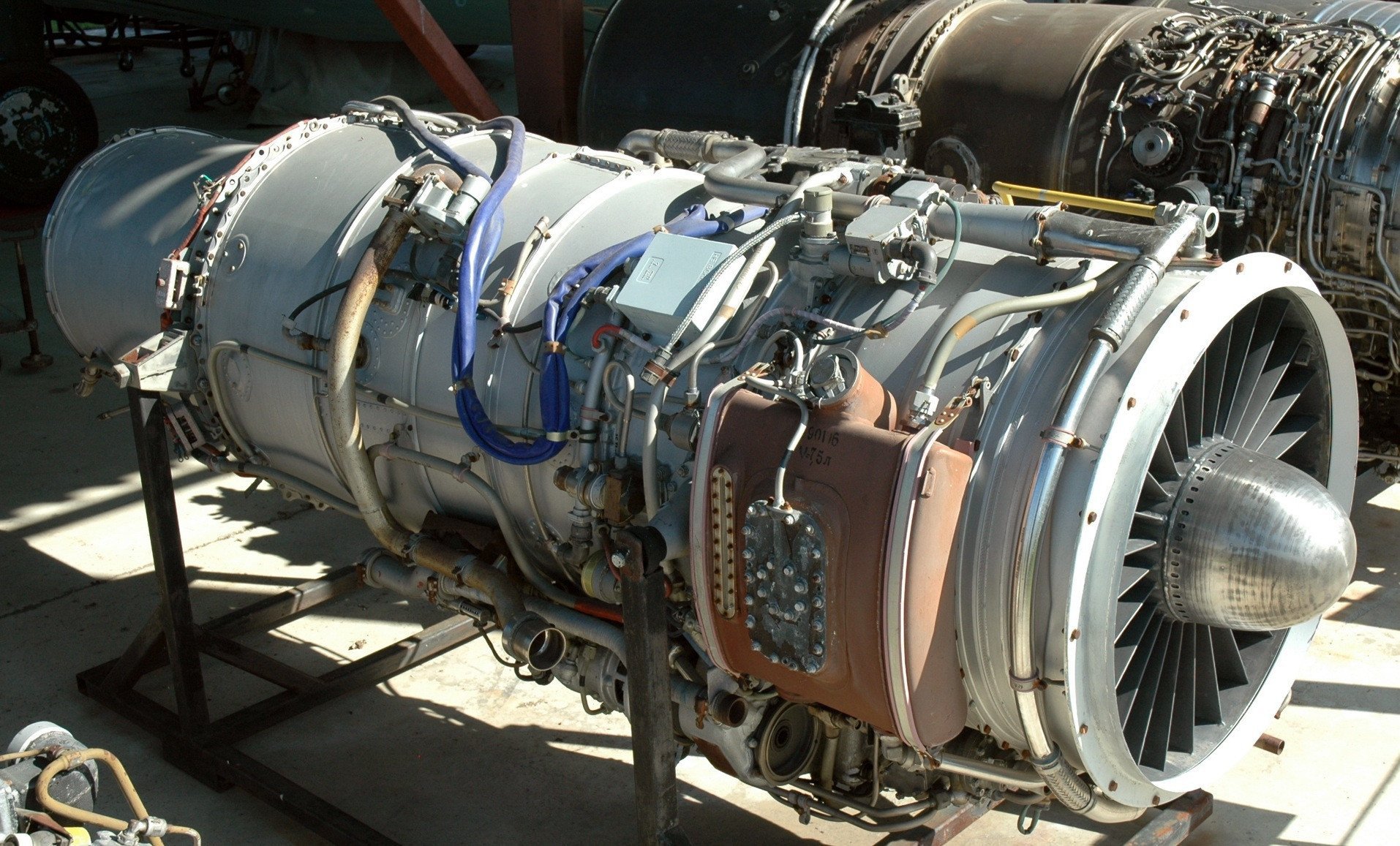
According to Terekh, Fire Point is assembling the first ten prototype engines. The company intends to finish prototype testing and required modifications by the end of 2026, with mass production targeted for 2027.
“It took quite some time, more than a year and a half,” Terekh told TWZ. “And now we are assembling our first 10 prototypes of the future turbojet fan engines of our production.”
Flamingo output depends on contracts and funding
Fire Point has previously discussed the capacity to manufacture as many as seven Flamingo missiles per day, which would correspond to more than 2,500 missiles annually if production operated continuously at that rate.
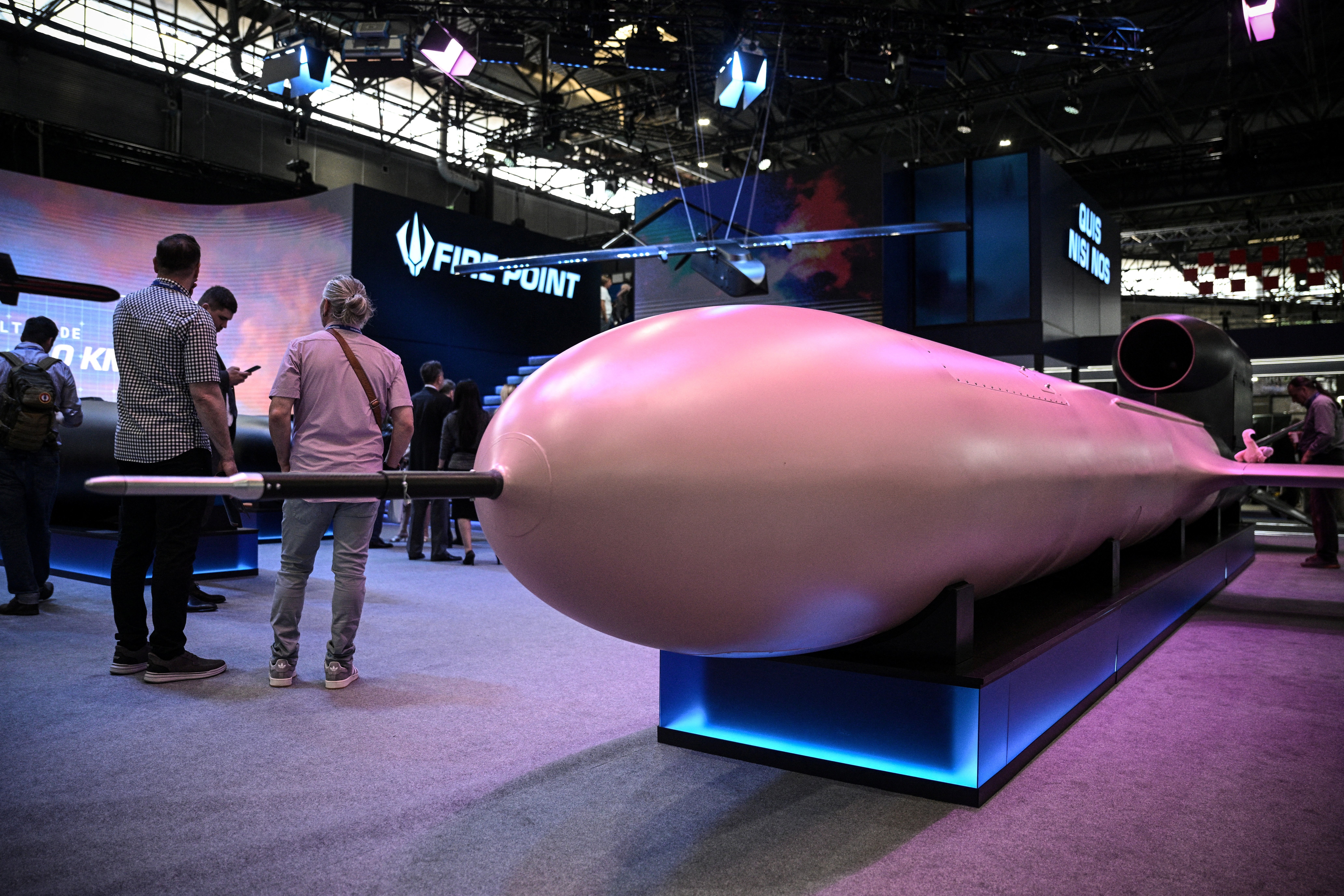
In the exclusive interview, however, Terekh clarified that seven missiles per day represented the maximum capacity of the manufacturing system Fire Point had established—not its current production rate.
“We did not increase the production to these numbers. This is the maximum capacity of our production that we built,” she told The War Zone.
According to Terekh, actual output has remained lower because the volume of orders has not matched the company’s available manufacturing capacity. She linked the shortfall partly to delays involving funding that Ukraine expected to receive through a European Union loan.
Fire Point could increase production toward the previously stated level by the end of 2026 or the beginning of 2027, but Terekh said the timeline would depend on the arrival of new contracts.
Flamingo designed to operate through electronic warfare
Terekh told TWZ that she personally categorizes Flamingo as a drone despite its size and missile designation because the processes used for mission preparation, launch, and post-strike analysis are similar to those used for long-range uncrewed aircraft.
🇺🇦⚔️🇷🇺 - President Zelensky confirmed that Ukrainian-made FP-5 Flamingo cruise missiles "successfully struck" Russia's Titan-Barrikady plant in Volgograd overnight on June 26-27 — a strike that earlier circulated unverified and is now confirmed on multiple fronts.
— 🔥🗞The Informant (@theinformant_x) June 30, 2026
"A direct hit… pic.twitter.com/55qlh2ICuz
The Ukrainian Armed Forces are responsible for mission planning, while Fire Point conducts a detailed technical review after each operation.
The company examines how the missile reacted to Russian electronic warfare, jamming, navigation interference, and air defenses, and then modifies the system based on the results.
According to Terekh, Fire Point has developed countermeasures intended to improve Flamingo’s ability to operate against ground-based air defense systems such as the Pantsir and Tor. Russian combat aircraft remain the most significant threat to the missile, she said.
The missile’s navigation package includes a controlled reception pattern antenna, an inertial navigation system, specialized software, additional data sources, and, in some cases, visual navigation.
💥 Russia: February 20th Flamingo cruise missile strike on the Votkinsky Plant.
— Igor Sushko (@igorsushko) May 22, 2026
Manufacturer of ballistic missiles Oreshnik, Iskander, Kinzhal, ICBMs Yars & Bulava.
Located deep in the rear on the western edge of the Ural Mountains, 1,350km from Ukraine. pic.twitter.com/dhtDqpNWA2
Fire Point’s objective is to provide a navigation system capable of continuing to function during satellite-navigation jamming, spoofing, and other forms of electronic interference.
“It is important that we provide a navigation solution that is completely resistant towards electronic warfare, jamming, spoofing, any sort of interference, and this we did,” Terekh told The War Zone.
FP-9 ballistic missile approaches its first flight
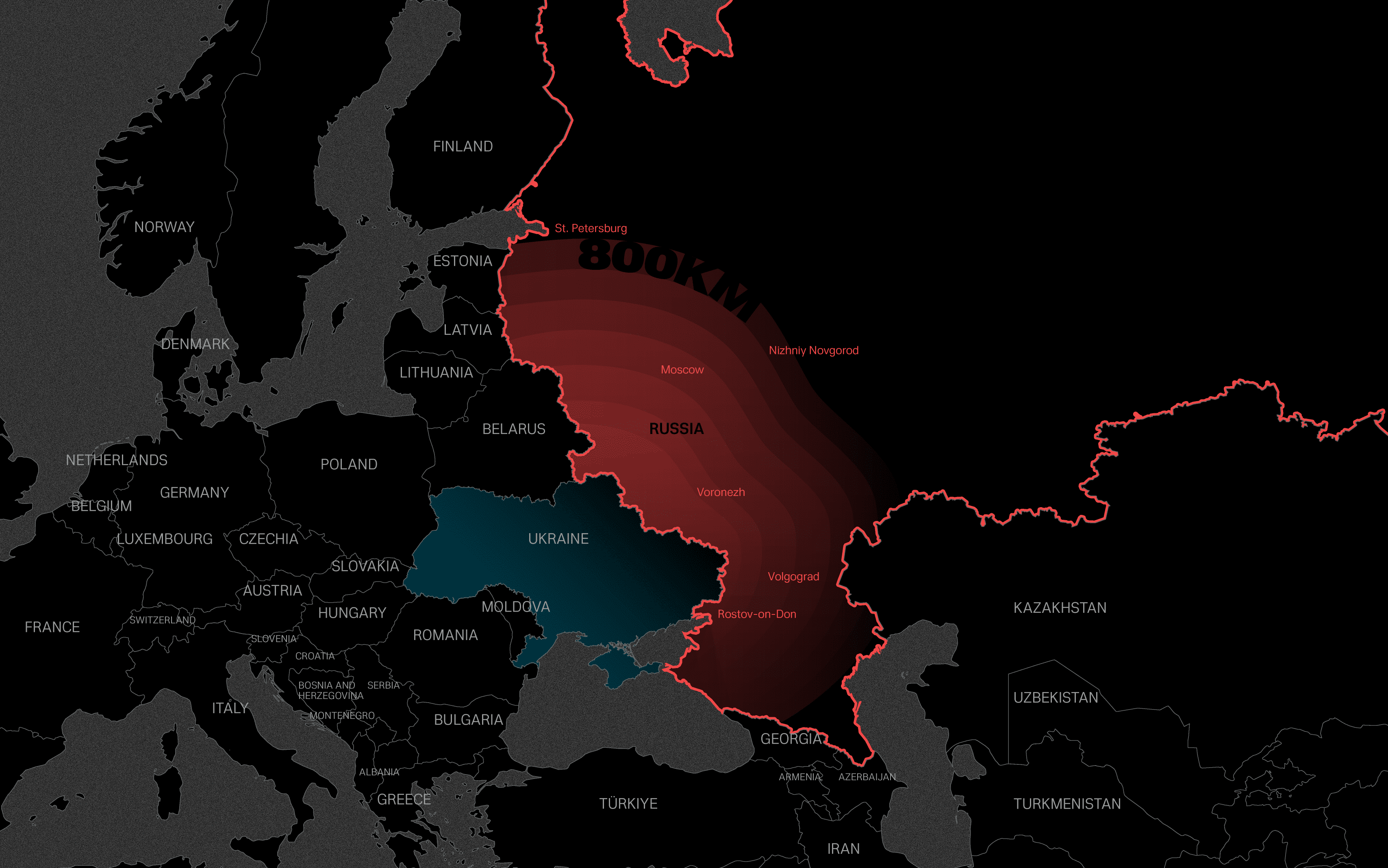
Fire Point is now preparing to begin flight testing of the FP-9, a ballistic missile designed to reach targets at distances of up to 850 kilometers.
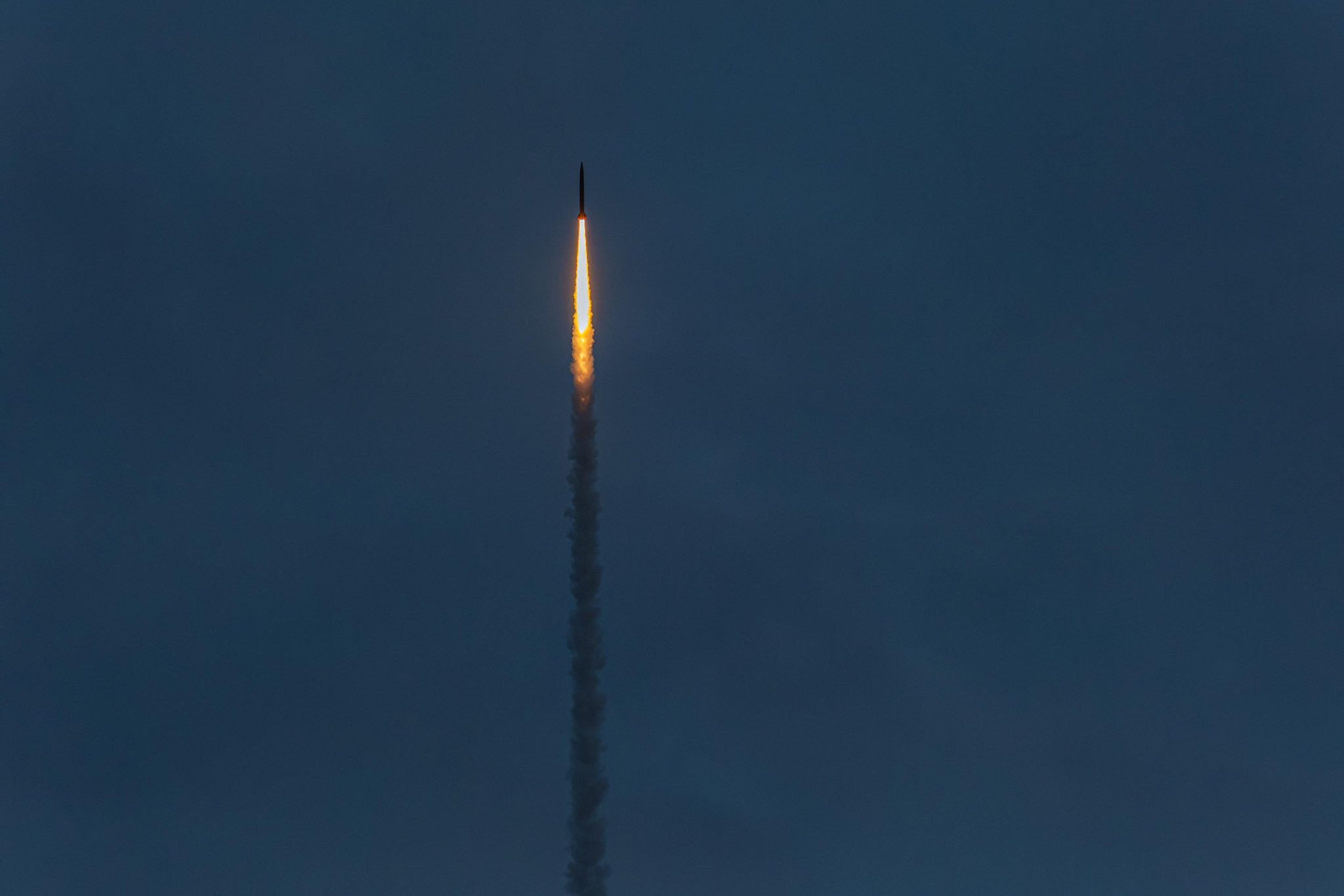
“The FP-9 is a missile that we planned would be able to reach Moscow with a range of 850 kilometers,” Terekh told TWZ. Unlike the company’s drone and cruise missile programs, the FP-9 required Fire Point to establish infrastructure capable of producing much larger solid-fuel rocket engines.
Each FP-9 engine contains approximately 4.6 tons of solid rocket propellant, compared with around one ton for the smaller FP-7 missile. According to Terekh, the missile’s navigation system and other principal components are ready. The company is now casting the engines required for flight testing.
“As we are speaking now, the engines are being cast,” she said. “Therefore, we expect test launches soon, as soon as possible.” When The War Zone asked whether the weapon had already been used, Terekh responded: “No, we are preparing for the first flight.”
She declined to provide a specific launch date but said she expected the flight to take place in autumn 2026.
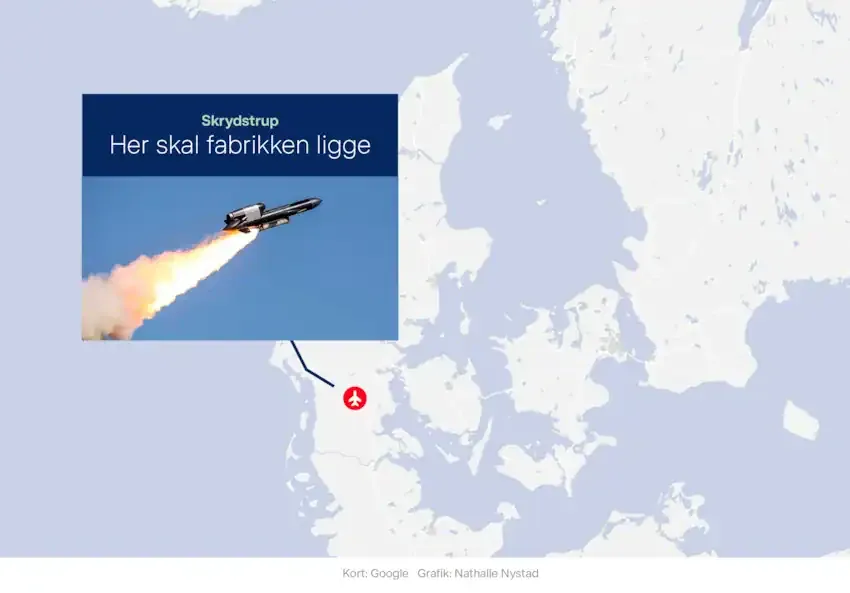
Fire Point builds solid-fuel facilities in Ukraine and Denmark
Producing the FP-9 required new infrastructure for mixing, casting, curing, and handling large quantities of solid rocket fuel.
Ukraine already had relevant facilities in Pavlohrad, but the site has been subjected to repeated Russian attacks. Terekh said Fire Point concluded that Ukraine’s missile industry required alternative production capacity.
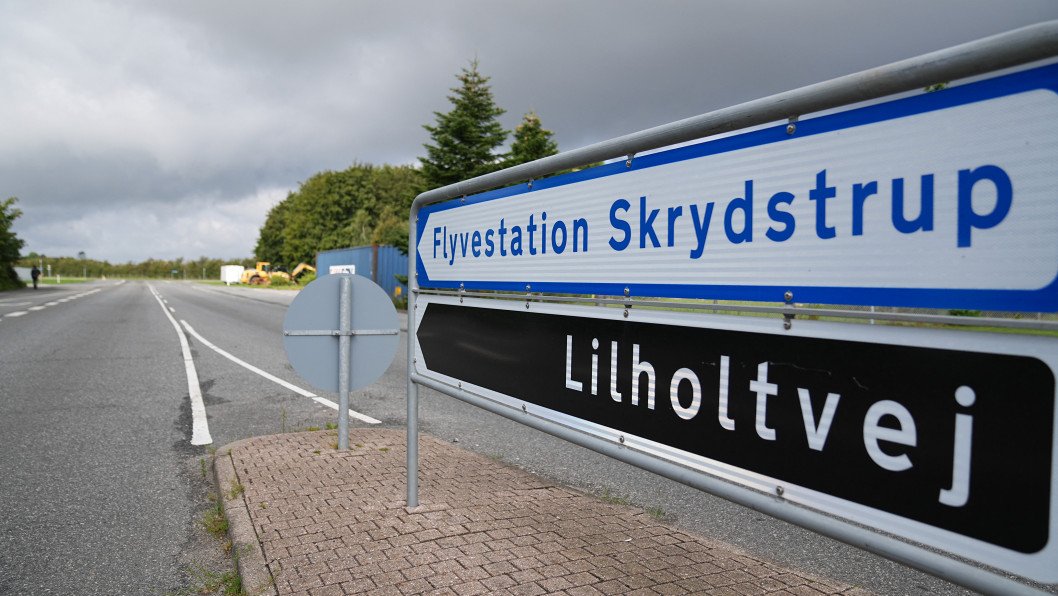
“We understand if we do not build an alternative to Pavlograd, then we will have no future for the missile program,” she told The War Zone. Fire Point subsequently established multiple facilities in Ukraine and one in Denmark.
Terekh said the company had to recreate parts of the required production technology almost from the beginning, including specialized equipment and safety procedures for mixing and casting solid propellant.
The broader Fire Point manufacturing system now consists of approximately 90 locations, according to the CEO.
Rather than operating as a conventional centralized factory, the company distributes warehouses, equipment, components, and production processes across a wider network. Critical capabilities are duplicated at several locations to limit the damage that could be caused by an attack on one facility.
“The logistics are hell, to be frank,” Terekh told TWZ. However, she said the distributed model was necessary because Fire Point could not safely concentrate its missile production inside one traditional industrial complex.
Fire Point designs weapons for mass production
Terekh said Fire Point considers future mass production from the first stages of research and development.
Ideas that could make a weapon more advanced but significantly more difficult to manufacture may be rejected before they are incorporated into the design.

According to the CEO, Fire Point’s chief designer can propose new technical features, but she can block concepts that would prevent the final system from being produced at the required scale.
The company also seeks technological sovereignty over essential components and industrial processes. Fire Point operates its own manufacturing capabilities for several critical areas, including machinery production, while attempting to maintain close control over its wider supply chain.

Terekh told The War Zone that this production-focused approach distinguishes Fire Point from more traditional defense development models in which manufacturing considerations may be addressed later in the process.
FP-7.x could become a cheaper, mass-produced Patriot complement
Fire Point is also developing the FP-7.x air defense interceptor under Project Freya, aiming to create a missile that Ukraine could manufacture in larger quantities and at a lower cost than imported Patriot interceptors.
Terekh told TWZ that Fire Point is working with two European companies and one Ukrainian company on seeker technology. One publicly identified option is an imaging infrared seeker from Germany’s Diehl Defence, while another potential partner has not yet been disclosed.
-faa0805607bc8eb0482b2116759ee844.png)
“The final goal is to make the whole interceptor cheaper than 1 million euros,” Terekh said. She acknowledged that the target price might not be reached with the first missiles but said it should become achievable once serial production is established.
According to Terekh, the missile body and other systems under Fire Point’s direct control have already completed testing. The main remaining challenges involve seeker availability, accuracy, technical integration, and production capacity, with no confirmed timeline for completing the process.
⚡️ Ukraine’s FP-7.x completed its first fully guided flight, a key step toward developing FREYJA, Europe’s future ballistic missile interceptor.
— UNITED24 Media (@United24media) June 9, 2026
🧵 1/7 ⬇️ pic.twitter.com/feJCb6bq0y
The initial FP-7.x configuration is expected to destroy incoming targets using a blast-fragmentation effect rather than direct-impact hit-to-kill technology. Terekh said this would make the first version more comparable to the Patriot PAC-2 than the more advanced PAC-3.
“The PAC-3 is a different missile designed for different consumption levels,” she told The War Zone.
“I think FP-7.x is more comparable in the first iteration to the Patriot PAC-2 because we do not expect immediate success with hit-to-kill, and the first interception we expect to do with the blast interception.” Hit-to-kill capability could be introduced in a later version.
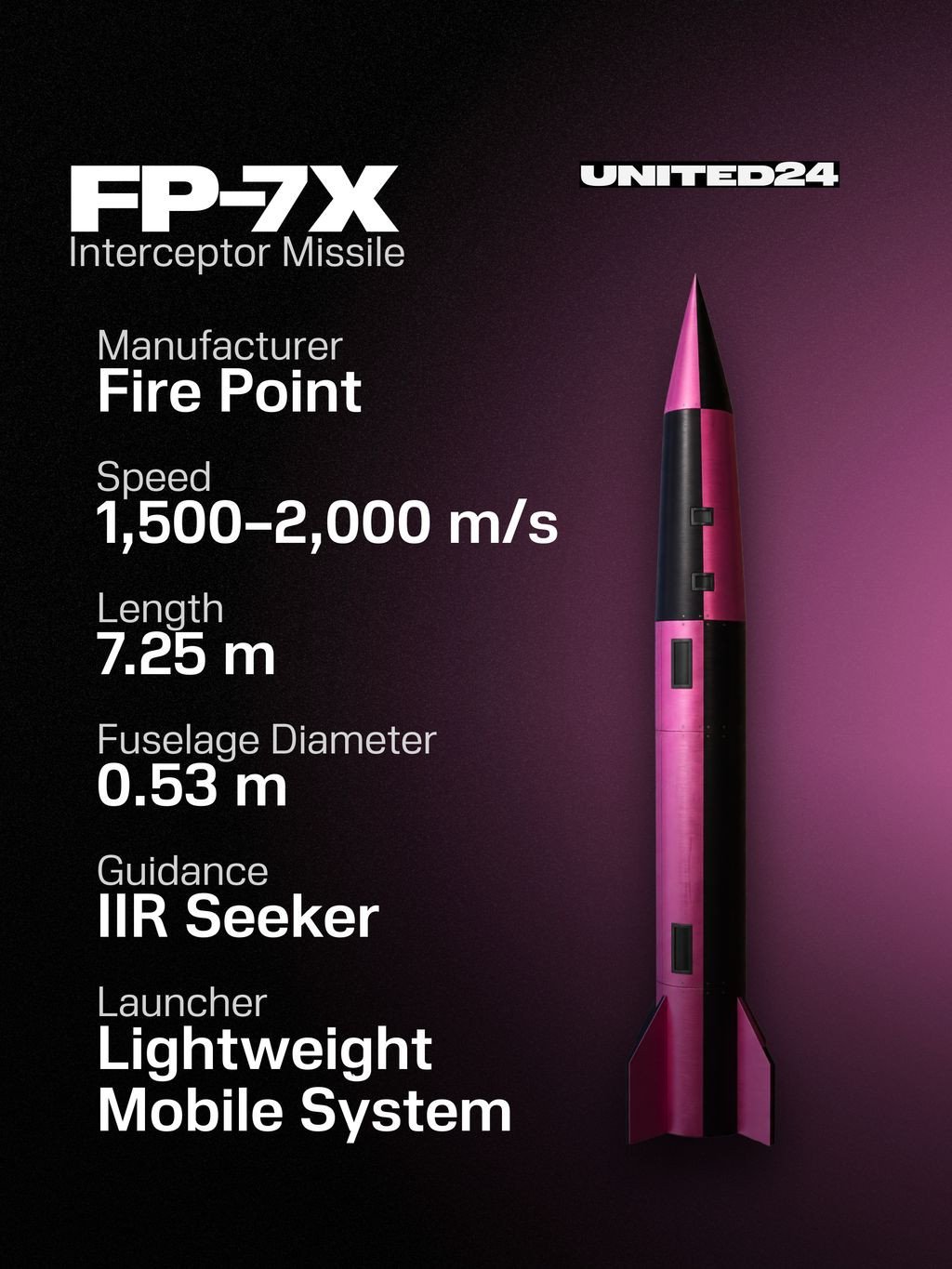
Fire Point is initially targeting production of at least 2,000 FP-7.x interceptors annually, with further expansion dependent largely on the availability of seekers.
“From our side, we are ready to make almost an infinite amount,” Terekh told TWZ. “So we are targeting to do at least 2,000 a year as a starter, and then develop the production.”
AI assists weapons but humans retain final authority
Artificial intelligence is used across several Fire Point programs, including software development, technical analysis, visual map matching, and final-stage targeting corrections.
For long-range drones, AI can help identify a target and guide the aircraft if communications are temporarily lost. However, Terekh said Fire Point continues to require human involvement in decisions to strike a target.
“We use it for visual map-matching for final target corrections,” she told The War Zone. “But I do not say that it’s largely changing the narrative of how we’re using drones because I still believe there should be a person behind making a final decision.”
Fire Point uses both human-in-the-loop and human-on-the-loop operating arrangements, depending on the weapon and mission.
The company continues to collect data intended to improve autonomous navigation and targeting, particularly for aircraft that may lose connectivity during long-range operations. “But it should still be human-in-the-loop at this moment,” Terekh said.
Fire Point explores new drone interceptors
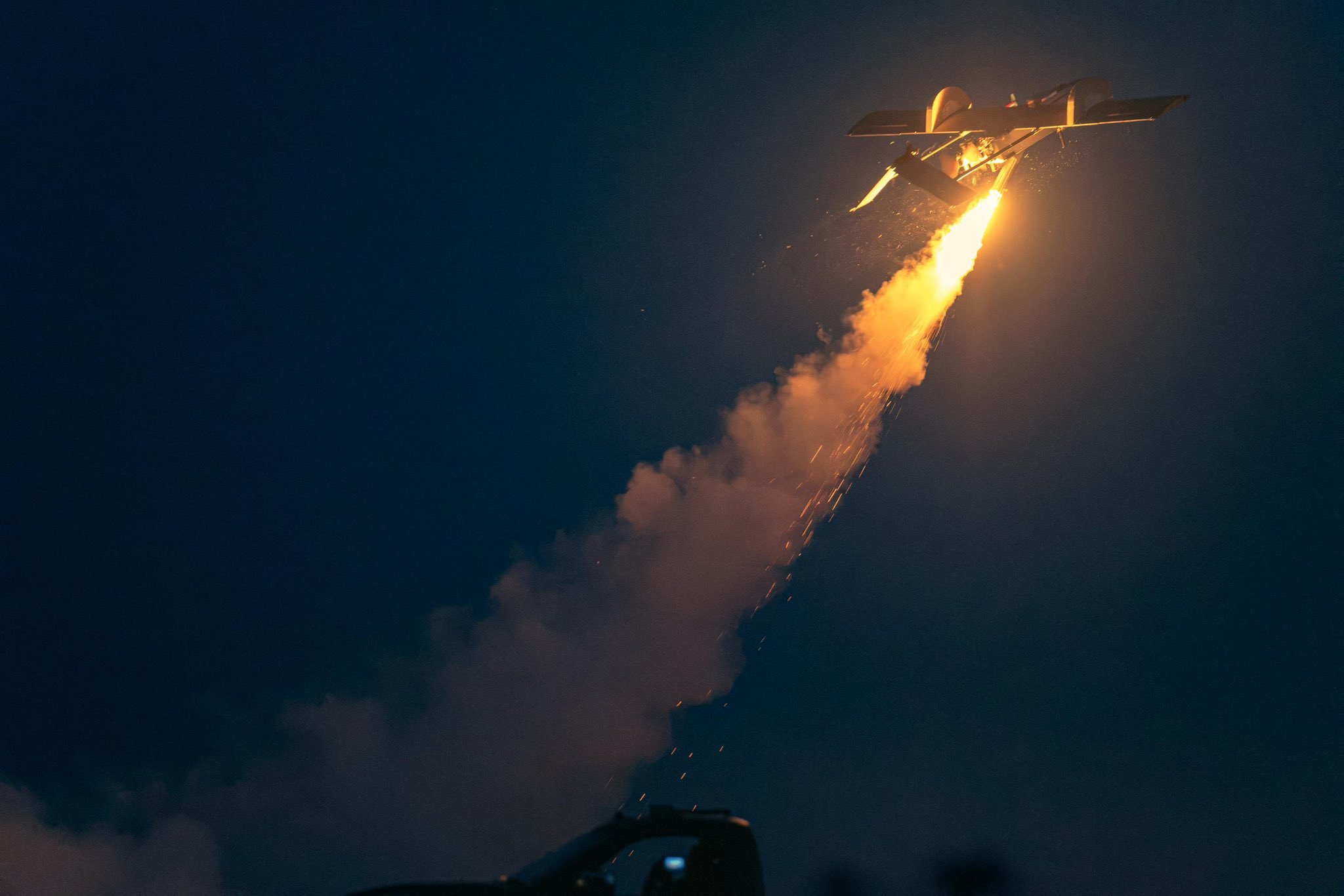
Fire Point is developing several interceptor configurations based on the FP-1 platform.
One concept involves fitting the aircraft with a gun, while another would allow it to carry smaller interceptor drones such as the General Cherry Bullet. Terekh said the gun-armed version was primarily conceived as a system for intercepting Shahed-type attack drones.
She expressed doubt that an uncrewed aircraft could reliably intercept Russian glide bombs after they had been released because of their speed and flight characteristics.
“I think for intercepting the glide bombs, it’s almost impossible to do so after the glide bomb has left the aircraft,” Terekh told TWZ. She said the more effective method would be to attack the Russian aircraft carrying the bombs before launch.
Fire Point pursues European partnerships and future weapons exports
Fire Point is negotiating with German defense company Diehl Defence over possible industrial cooperation involving the Flamingo missile, CEO Iryna Terekh told The War Zone.
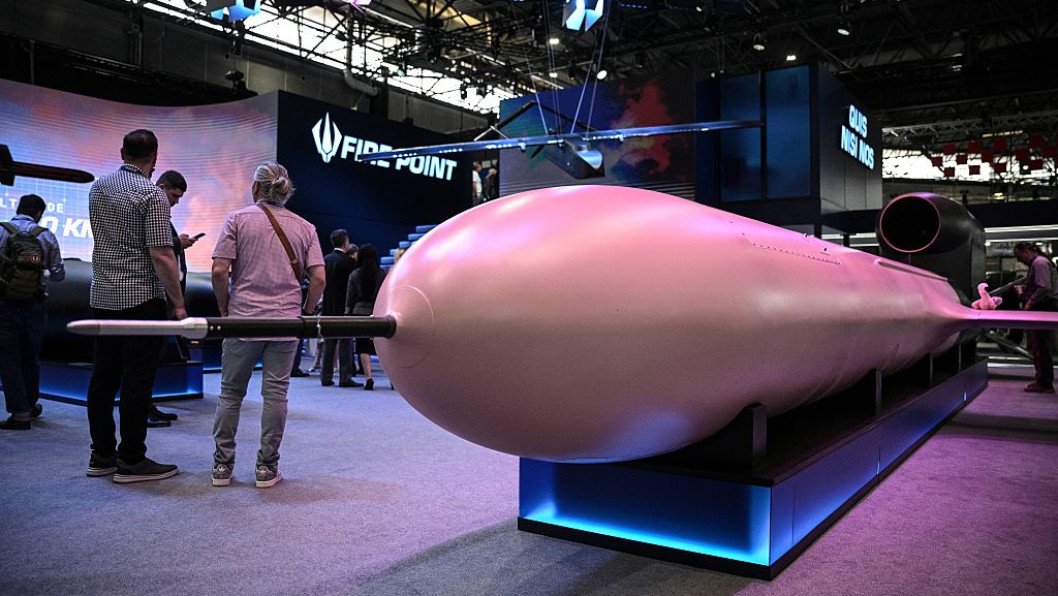
Terekh said Diehl initiated the talks, which remain ongoing. The potential partnership could combine the German company’s established technologies with Fire Point’s experience developing and producing weapons during the war.
“There is something that Diehl can bring to the table in terms of technology,” Terekh said. “There is definitely something that we could bring to the table in terms of technology and industrial knowledge.”
According to Terekh, the discussions were also encouraged by the German government as European countries seek domestically produced long-range strike capabilities.
Fire Point has also received interest from multiple European governments seeking to acquire its weapons. The company has begun discussions with potential customers but intends to apply strict controls to prevent its products from being transferred to unauthorized recipients.
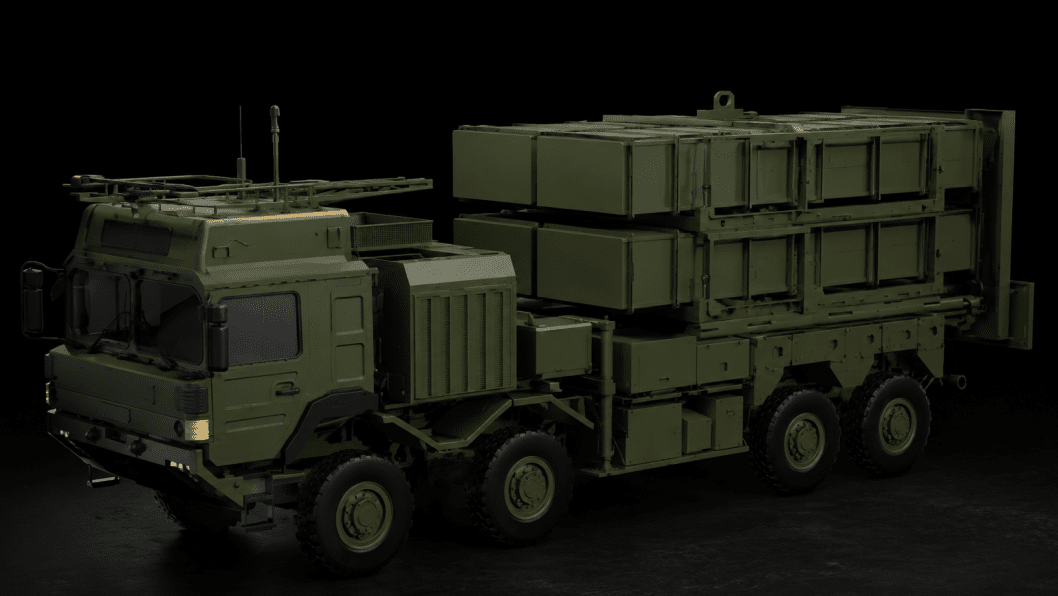
Fire Point is not currently selling weapons to the United States or Gulf Arab countries, although Terekh confirmed that several international negotiations are underway. “Yeah, we have a lot of negotiations and discussions going on in parallel,” she told TWZ. “I will comment once the negotiations are successful.”
Satellite communications become Fire Point’s next major project
Beyond missiles and drones, Fire Point is working toward an independent satellite communications system for its weapons. Terekh told TWZ that the company’s objective is to provide its long-range drones with connectivity that does not depend entirely on outside networks.
Fire Point is cooperating with an unidentified satellite manufacturer and has begun developing the technical capabilities required for future satellite-related projects. The company has acquired equipment and started experiments involving larger rocket engines.

Terekh said Fire Point was also examining the possibility of eventually developing a system capable of delivering satellites, although the project remains at an early stage. “We are working together with a company that produces satellites, and we are also starting to develop our future possibility to deliver satellites,” she told The War Zone.
“We are far from that yet, but we already have the equipment, and we already are experimenting with the bigger rocket engines.” Terekh emphasized that satellite launch capability was not the company’s current priority, as Fire Point remains focused on producing weapons required by Ukraine during the war.
However, she identified independent satellite communications as one of the company’s most significant long-term development areas.
Fire Point views weapons as continuously updated capabilities
Fire Point’s growth has also changed how the company views the relationship between a defense manufacturer and the military using its weapons.
Rather than treating a missile or drone as a finished product delivered at the end of a contract, Fire Point continues to analyze missions and modify systems after they enter service.
The company provides software updates, technical changes, training, logistics support, and post-flight analysis.

Terekh compared the approach to regularly updating a smartphone rather than replacing the entire device each time its software changes.
Fire Point’s responsibility does not end when the weapon is delivered, she said. It continues until the company has examined operational data and confirmed that the system performed as intended.
“Our responsibility isn’t finished on the day that we deploy the weapon, but after I finally receive the post-flight analysis and I’m happy with this,” Terekh told TWZ.
Discuss this article:
-9a7b3a98ed5c506e0b77a6663f5727c5.png)


-c439b7bd9030ecf9d5a4287dc361ba31.jpg "Photo of Katherina Popilnichenko")