- Category
- World
Germany Eyes Ukrainian and Israeli Startups for Low-Cost Cruise Missiles
 Prefer U24 Media on Google
- Authors

-72b63a4e0c8c475ad81fe3eed3f63729.jpeg "Photo of Cyril Barabaltchouk")
Germany is evaluating low-cost, long-range cruise missiles from defense startups in Israel and Ukraine to independently develop its strategic deep-strike capabilities and deter Russia, according to German defense ministry planning documents seen by Politico on June 18.
The procurement pivot took on new urgency after US President Donald Trump reversed a previous administration agreement to deploy a long-range conventional missile unit to Germany. Concurrently, Berlin’s independent effort to purchase American Tomahawk cruise missiles remains stalled within the Pentagon’s export review process, which is not expected to clear before mid-2026.
We bring you stories from the ground. Your support keeps our team in the field.
This logistical friction is further compounded by depleted US stockpiles, with estimates indicating that Washington expended approximately a quarter of its overall Tomahawk inventory during the initial weeks of the military war in Iran.
To insulate itself from shifting American political priorities, the German defense ministry is executing a four-track deep-strike strategy to establish layered capabilities. Internal planning documents detail a framework that includes acquiring the US-made Typhon launcher by 2029, fielding low-cost cruise missiles by 2027, and co-developing a high-end cruise missile and a hypersonic glide vehicle with the United Kingdom for deployment in the 2030s, according to Politico.
A ministry spokesperson confirmed that cost-effective systems hold high operational value because mass attacks can overwhelm enemy air defenses, noting that the ministry aims to expand these capabilities as quickly as possible.
As part of the accelerated 2027 track, German procurement officials have requested product proposals from Covenant, a low-profile Israeli-American missile firm founded in 2024, Politico wrote, citing sources familiar with the matter. Backed by prominent US venture capital firms including Founders Fund and Andreessen Horowitz, Covenant is designing its “Anthem” missile system with plans to establish localized production lines within Germany and the United Kingdom.
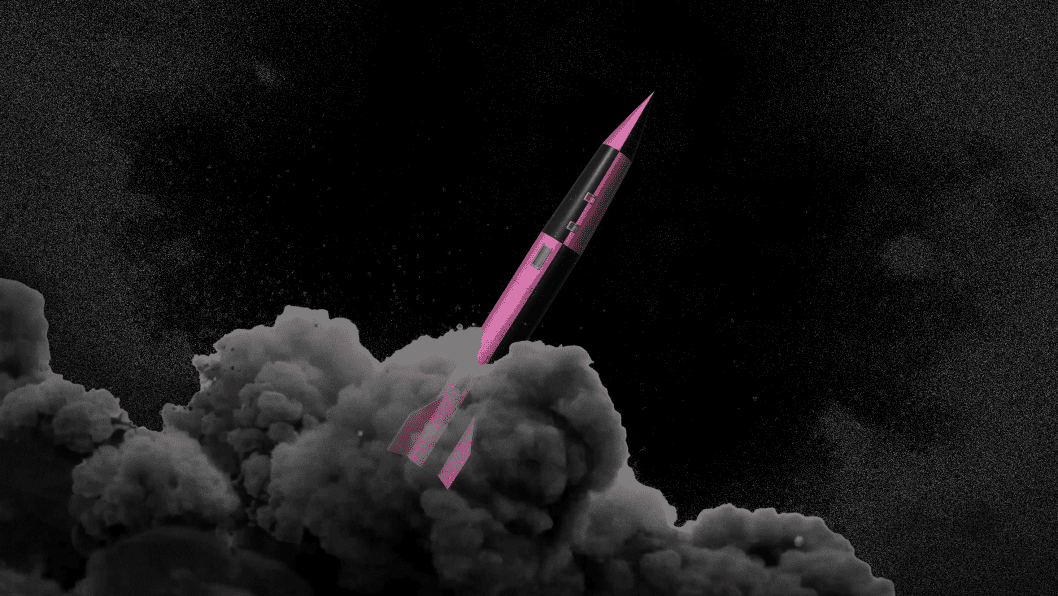
German defense officials have been invited to observe the system’s live-fire testing in Israel, which sources indicated is scheduled for the third week of June.
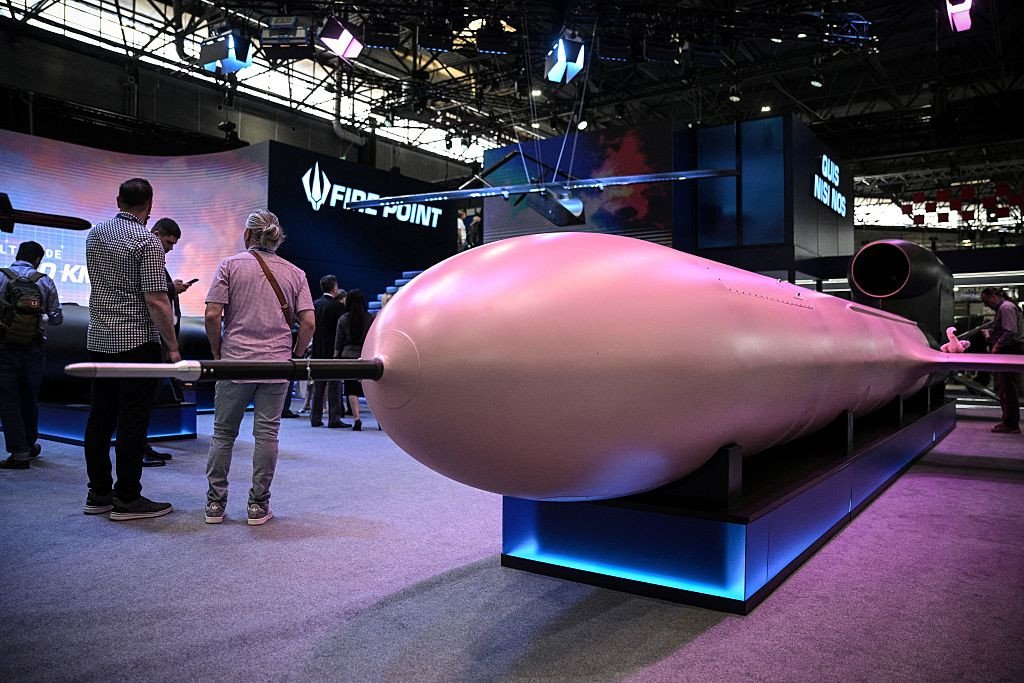
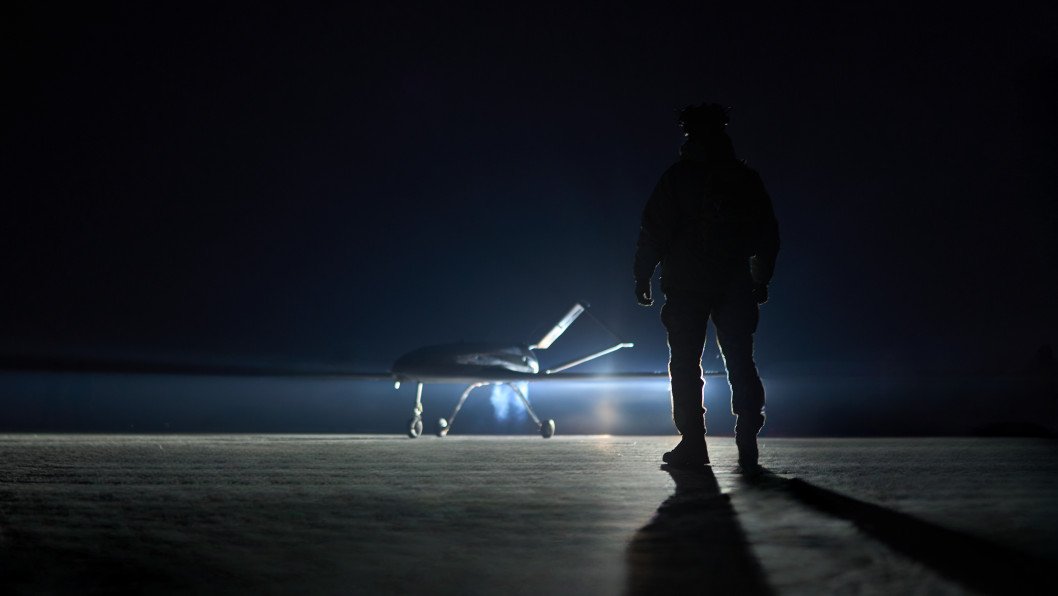
Berlin is simultaneously evaluating battle-tested Ukrainian hardware, marking the first time Ukrainian defense firms are in the running for a major European military contract, Politico reported. The planning documents identify the “Bars” jet-powered drone-missile and the “FP-5 Flamingo"—a cruise missile manufactured by Kyiv-based Fire Point that features a 3,000-kilometer range and a one-ton warhead—as primary candidates.
To streamline procurement, German defense contractor Diehl Defence has entered preliminary negotiations with Fire Point regarding potential joint production within Germany, offering an attractive formula that pairs combat-proven Ukrainian design with established European manufacturing infrastructure.
Despite the operational advantages of these systems, which cost roughly $500,000 per unit compared to the $2.5 million price tag of an American Tomahawk, significant regulatory barriers remain. Politico wrote that the German planning documents highlight complex export restrictions surrounding the Flamingo missile that must be legally resolved before any procurement path can materialize.
Addressing the Eurosatory arms show in Paris, Fire Point CEO Iryna Terekh noted that Ukraine’s rapid missile development was achieved by removing bureaucratic obstacles to foster direct cooperation between manufacturers and the military, presenting an agile development model that may prove difficult to replicate within Germany’s highly structured defense procurement framework.
The combat effectiveness of the FP-5 Flamingo was recently demonstrated when the Ukrainian-made cruise missile successfully struck the VNIIR-Progress defense electronics plant in the Russian city of Cheboksary—located roughly 1,000 kilometers from the Ukrainian border—disrupting the production of navigation systems used in Russian attack drones and ballistic missiles.
Discuss this article:



-c439b7bd9030ecf9d5a4287dc361ba31.jpg "Photo of Katherina Popilnichenko")