- Category
- Defense Tech
Ukraine’s “Patriot Alternative” Project FREYA Advances With Hensoldt Radar Deal
 Prefer U24 Media on Google
- Authors

-72b63a4e0c8c475ad81fe3eed3f63729.jpeg "Photo of Cyril Barabaltchouk")
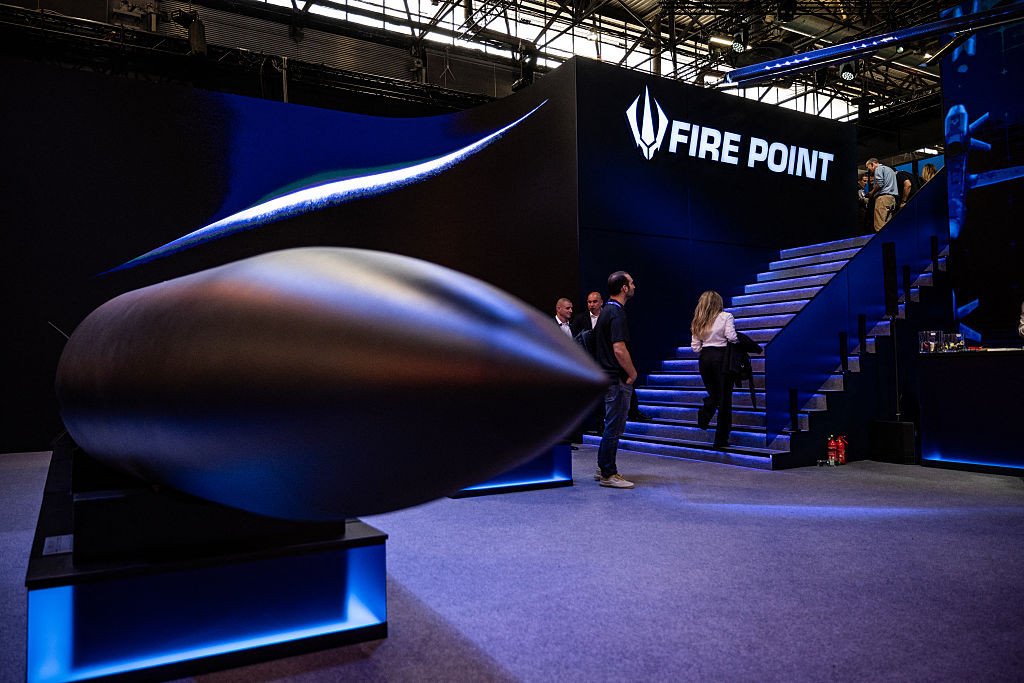
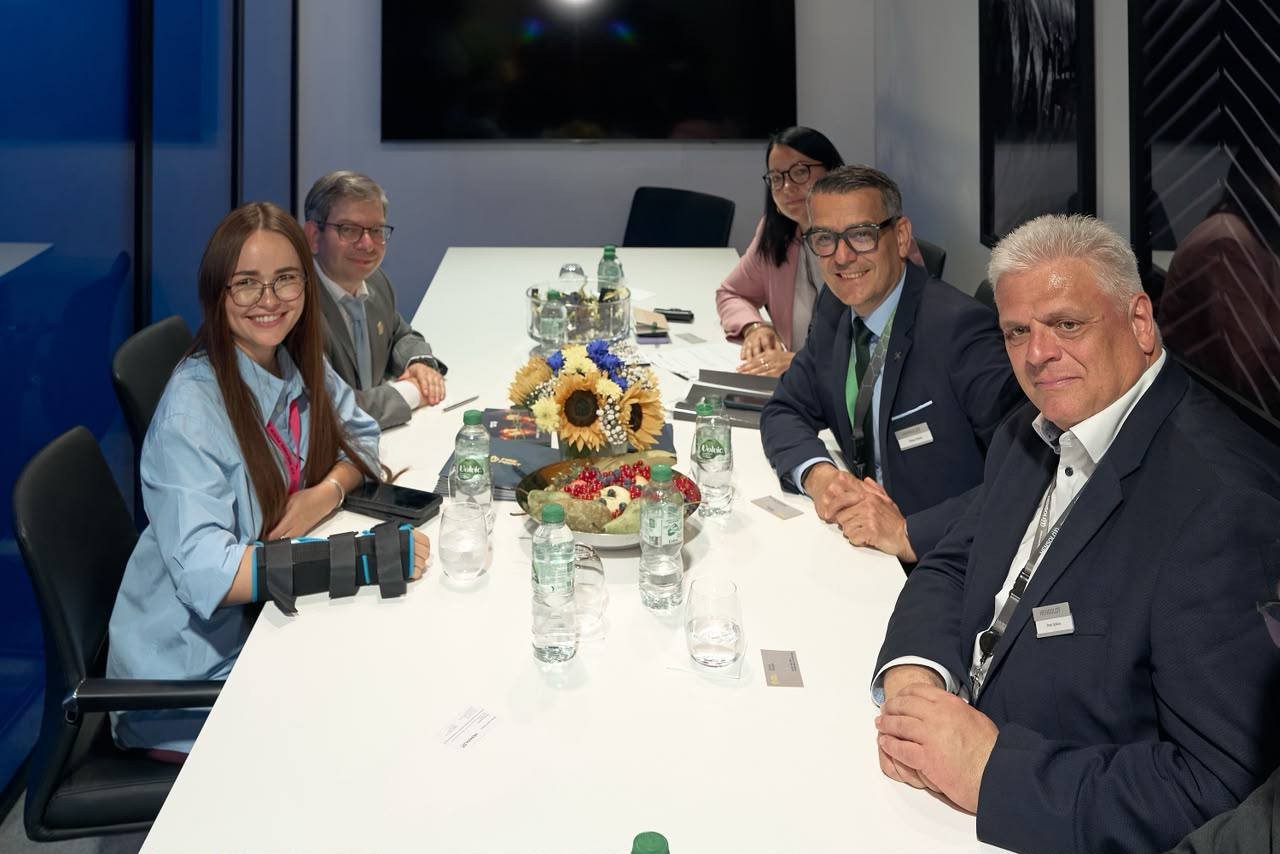
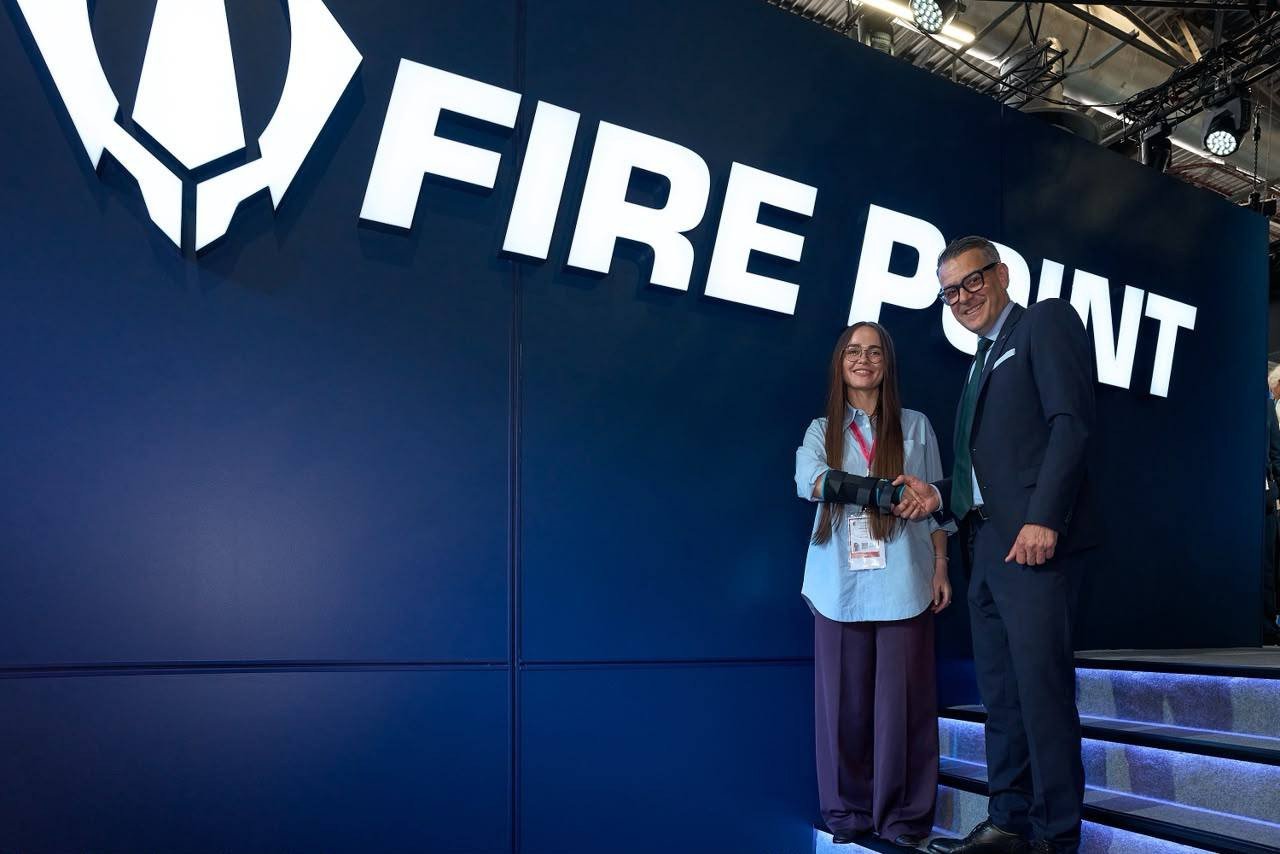
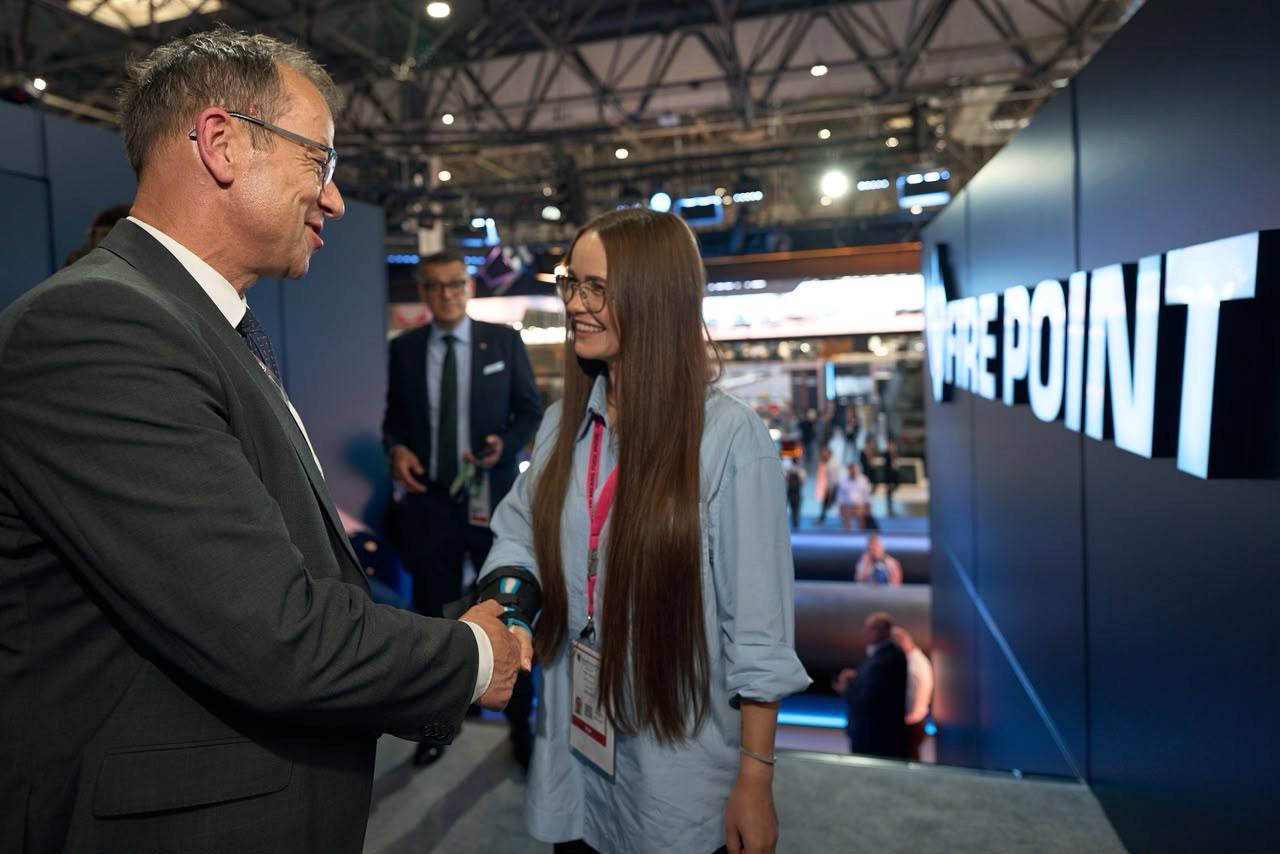
Ukrainian defense firm Fire Point has partnered with Germany’s Hensoldt to supply advanced radars for the FREYA anti-ballistic missile project, Militarnyi reported on June 16.
The agreement, signed at the Eurosatory exhibition in Paris, effectively pushes Ukraine’s domestic missile shield into its final development stages, according to the outlet.
We bring you stories from the ground. Your support keeps our team in the field.
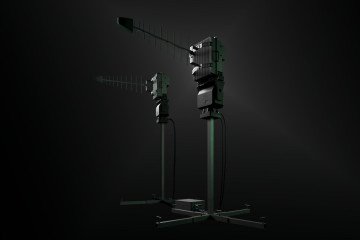
Under the new contract, Hensoldt will supply its highly mobile TRML-4D radar system to handle primary threat detection. Fire Point Chief Designer Denys Shtilerman told Militarnyi that the team will now begin integrating this radar with their missile and C2 center, using its data to guide their interceptors directly into ballistic target zones.
Hensoldt’s hardware is already heavily combat-proven in Ukraine, where the TRML-4D successfully operates alongside German IRIS-T SLM air defense complexes.
Fire Point is a private Ukrainian defense company that specializes in manufacturing low-cost, long-range strike hardware, most notably the FP-1 and FP-2 drones and the FP-5 Flamingo cruise missile. Designed as an affordable alternative to costly Western equivalents, the company’s weapons boast a range of up to 3,000 kilometers and are often deployed to strike high-value military and energy infrastructure deep inside Russian territory, and drones are also used for middle strikes.
The core of the FREYA complex relies on the FP-7.X interceptor missile, developed domestically by Fire Point. According to the publication, the company recently conducted successful flight trials of the interceptor to test its operational limits, during which the missile demonstrated high maneuverability and reached a maximum flight altitude of 25 kilometers. During these live-fire tests, the missile successfully executed highly aggressive command adjustments sent directly from the command center while undergoing maximum acceleration.
True to its modular design, the FREYA missile shield is built around an open architecture that seamlessly merges Ukrainian rocketry with top-tier European hardware. According to Militarnyi, target illumination and guidance functions will be handled by either Denmark’s Weibel GFTR-2100/48 or Italy’s Leonardo KRONOS Land radar systems, while the main command post will be configured around Norway’s Kongsberg Fire Distribution Center utilizing Network Access Node modules.
Secure, real-time data sharing across all these multinational components is anchored by the Link 16 data exchange network standardized under NATO's STANAG 5516 protocol, which serves as the primary interface to plug the FREYA system directly into Ukraine’s existing air defense grid.
Because the system relies on an open blueprint, the addition of Hensoldt hardware does not limit future technical expansions. Fire Point has previously explored the potential integration of Sweden’s Saab Giraffe 4A/8A and France’s Thales Ground Master 400 radars. Furthermore, Hensoldt’s catalog offers additional utility beyond the primary TRML-4D radar—which tracks over 1,500 targets at ranges up to 250 kilometers. The project could eventually integrate the SPEXER 2000 3D MkIII, a specialized tactical radar optimized for detecting and classifying low-flying aerial targets, sea vessels, and ground threats, Militarnyi wrote.
The successful flight test and radar agreement advance a project first announced previously, when it was reported that Fire Point was developing a lower-cost alternative to the Patriot system.
Denys Shtilerman had noted at the time that the company aimed to bring ballistic interception costs under $1 million by 2027, explicitly naming Hensoldt as one of the European radar manufacturers they hoped to partner with to support the initiative.
Discuss this article:



-111f0e5095e02c02446ffed57bfb0ab1.jpeg "Photo of Roman Kohanets")