- Category
- Defense Tech
Ukraine Just Put VR Goggles in an APC—Meet the New OWL Built for the Drone War
 Prefer U24 Media on Google
- Authors


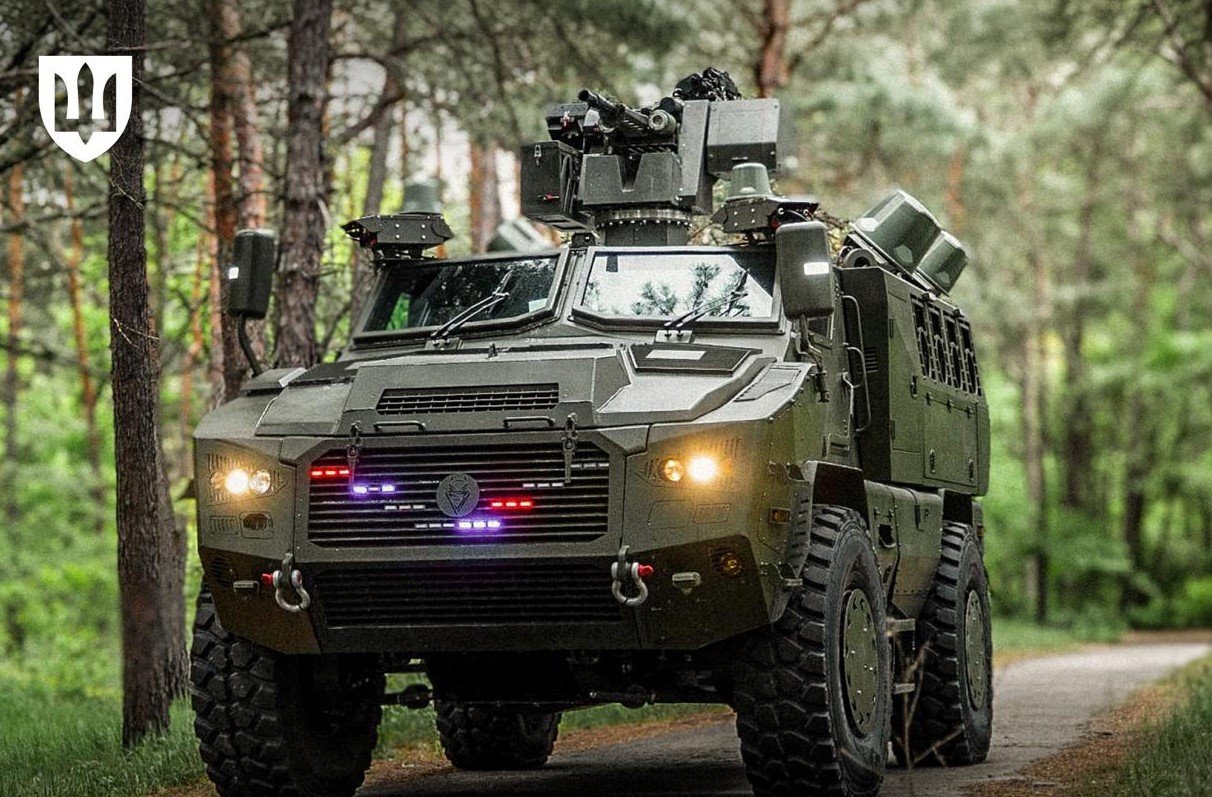
Ukraine’s Ministry of Defense has codified a new domestically produced armored personnel carrier, the OWL-APC, clearing the vehicle for use by Ukrainian forces alongside the existing MAC OWL armored vehicle, according to the Ministry’s press release on August 13.
The new 4×4 platform combines a rigid V-shaped monocoque hull, advanced mine protection, a modular troop compartment, and a domestically developed 360-degree virtual-reality vision system with night capability.
We bring you stories from the ground. Your support keeps our team in the field.
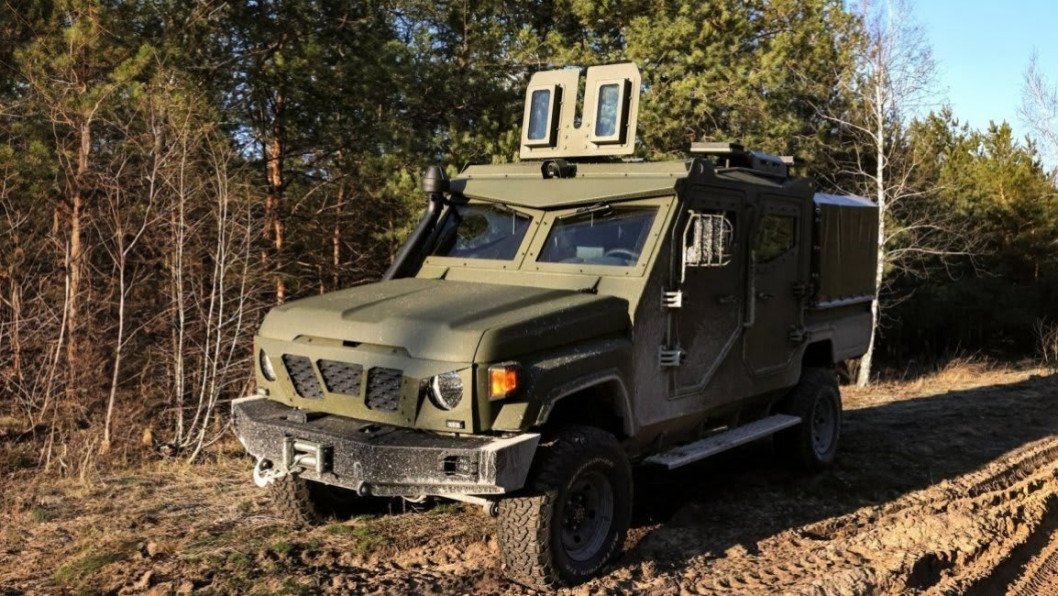
The OWL-APC was developed by a Ukrainian manufacturer with experience building armored vehicles for the extreme conditions of modern warfare. The same company also produces the MAC OWL specialized armored vehicle, which is designed around particularly high levels of mine protection.
The new APC is intended for a wide range of missions, including troop transport, combat operations, fire support, special operations, patrol duties, training, and emergency-response missions in difficult terrain and hazardous environments.
During testing, the OWL-APC reportedly confirmed its stated tactical and technical characteristics and demonstrated the ability to perform a broad range of military tasks.
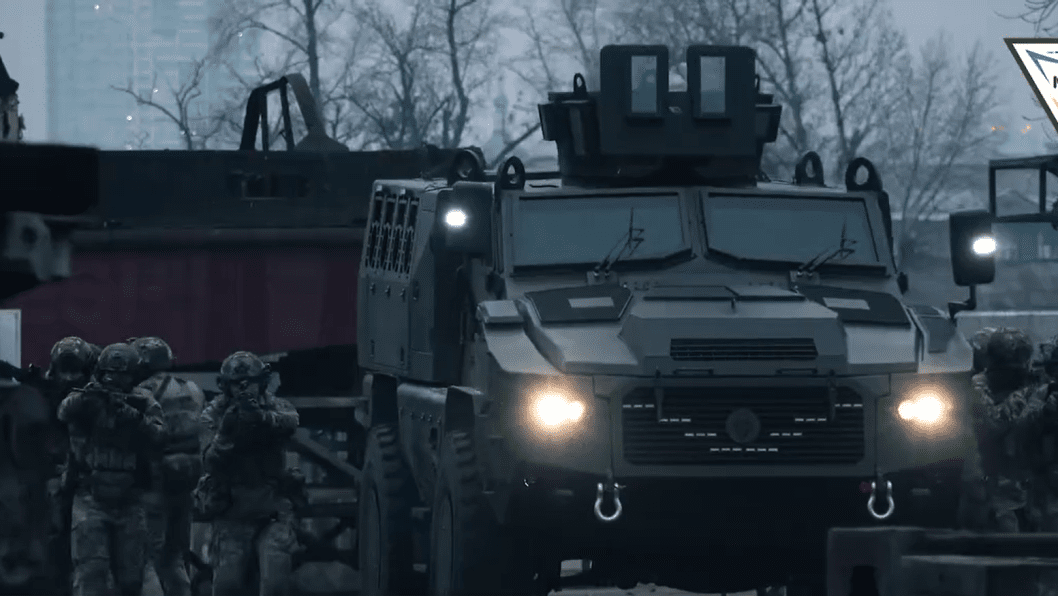
Compared with larger armored personnel carriers, the vehicle is designed to be relatively compact and lightweight. Its 4×4 configuration is intended to provide high mobility, while the manufacturer also highlights a longer driving range, higher maximum speed, lower operating costs, and simpler and cheaper maintenance.
The vehicle is also designed to have a relatively low battlefield signature, an increasingly important characteristic as both Russian and Ukrainian forces operate under near-constant drone surveillance.
One of the OWL-APC’s key features is its protection against mines and explosions.
The vehicle uses a V-shaped monocoque hull and double floor, combined with blast-absorbing components and shock-resistant seats intended to reduce the effects of explosions on troops inside.
The modular troop compartment can also be reconfigured into a medical evacuation vehicle within several hours, allowing the same platform to be used either for transporting personnel or evacuating wounded troops from the battlefield.
Perhaps the most unusual feature, however, is the vehicle’s 360-degree VR observation system.
The Ukrainian-developed system includes night vision and allows the driver to put on VR goggles and receive a panoramic view of what is happening around the armored vehicle.
Instead of depending only on conventional viewing ports or individual camera screens, the system is designed to give the driver a continuous picture of the surrounding battlefield while remaining protected inside the armored hull.
Earlier, a Ukrainian firm, Zvook, had for the first time mounted its passive acoustic early-warning sensors on a moving vehicle, testing the drone-detection technology beyond its standard fixed-infrastructure setup during the BATT26 exercises in Latvia.
Discuss this article:
-9a7b3a98ed5c506e0b77a6663f5727c5.png)


-6ff4efaedd2092e0205aad37f9e7b98a.jpg "Illustrative image. US F-16 and Polish MiG-29 over Poland, 2005.")