- Category
- Defense Tech
Ukraine Tests Innovative Laser Air Defense Systems to Counter Russian Strikes, Says Fedorov
 Prefer U24 Media on Google
- Authors

-c439b7bd9030ecf9d5a4287dc361ba31.jpg "Photo of Katherina Popilnichenko")
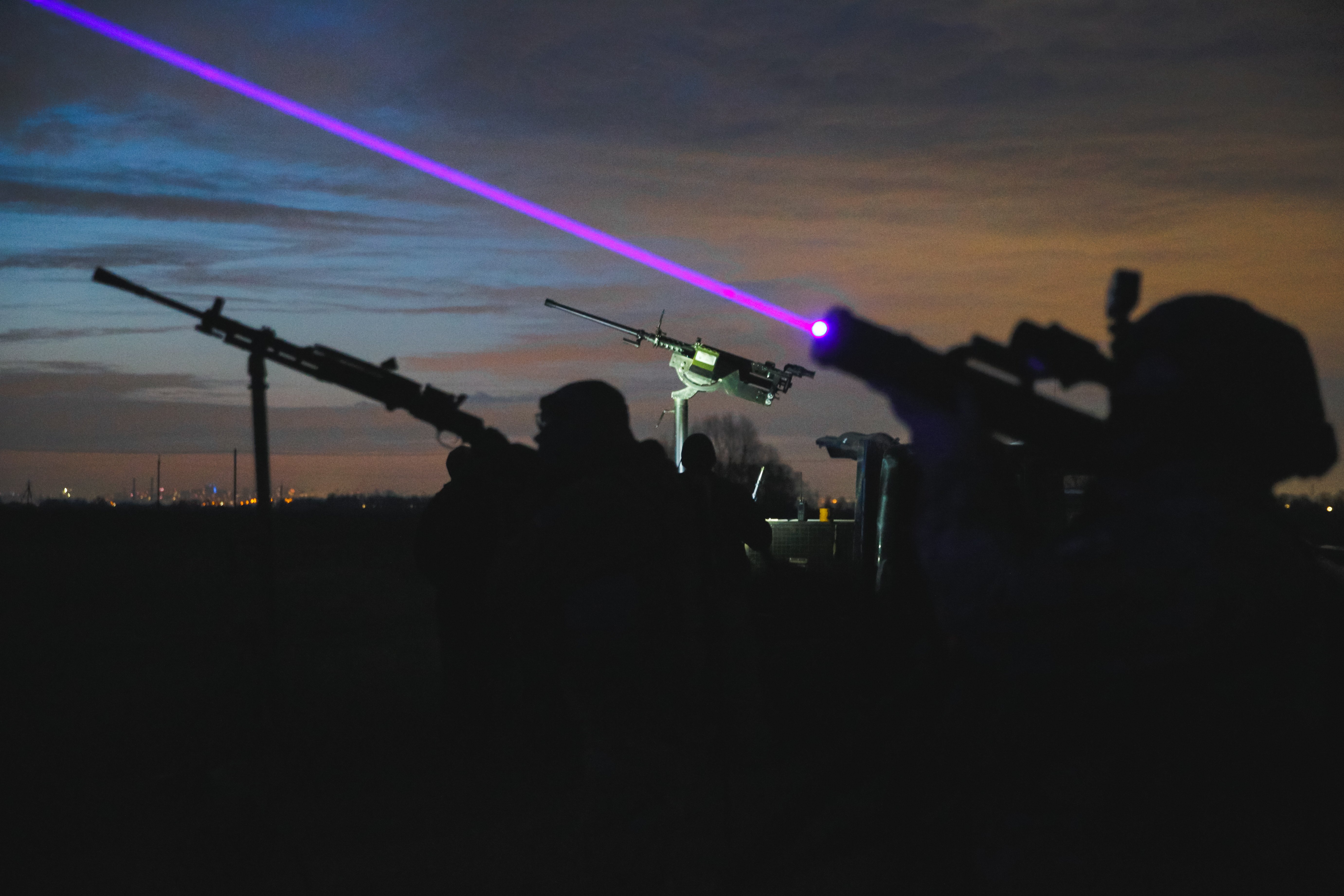
Ukraine is moving into a new phase of air defense development by testing laser systems and achieving higher efficiency with interceptor drones to counter Russian aerial attacks, according to RBC on June 1.
During the May operations alone, Ukrainian interceptor drones successfully shot down nearly 7,000 Russian Shahed and Gerbera unmanned aerial vehicles (UAVs), stated Defense Minister Mykhailo Fedorov at the Brave1 Advantage defense tech event.
We bring you stories from the ground. Your support keeps our team in the field.
Furthermore, during a recent mass wave of strikes, interceptor drones accounted for the destruction of approximately 75% of all incoming strike UAVs.
"We are already testing the laser, and there are already certain results. We are not communicating much yet, but the direction is actively moving," Fedorov said.
The defense minister highlighted that during the latest aerial assault targeting Kyiv, Ukrainian forces successfully neutralized 95% of the enemy drones.
The defense ministry aims to replicate this 95% interception efficiency across the entire territory of Ukraine by the end of the year. To support these operations, a new tender has been announced to purchase an additional 150,000 drones, including platforms classified as Middle Strike assets.
Another core priority for the military is the development of low-cost cruise missiles enhanced with artificial intelligence technologies. "This may sound like futuristic projects, but in a year, it will no longer be news. We will work on this," Fedorov stated.
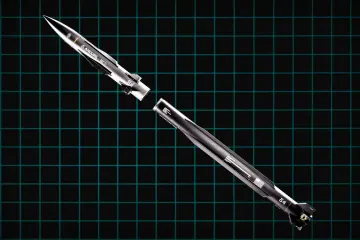
Currently, prototype designs from roughly ten different domestic companies are undergoing testing to create cheap missiles specifically engineered to intercept enemy drones. Parallel engineering work is focusing on systems capable of countering ballistic missiles and guided aerial bombs.
At the same time, Ukraine is expanding the export potential of its domestic defense industry through international frameworks. A key mechanism is the Drone Deal format, which involves weapon deliveries alongside technology transfers, joint defense research, and global financial backing.
Around 20 countries have already expressed solid interest in establishing this type of technological cooperation following Russia’s full-scale invasion of Ukraine.
The Ukrainian government approved its first transparent mechanism for exporting domestic weapons and defense technologies to partner nations, which authorized the transfer of advanced military systems valued at approximately $335,000 or more.
The new initiative established a uniform 30-day review period for manufacturer applications and aimed to help local defense firms attract international investment while strictly maintaining that the supply demands of Ukraine’s Defense Forces remained the absolute priority.
Discuss this article: