- Category
- Defense Tech
Russia’s New S-71M Stealth Missile Can Hunt Targets With AI—Powered by Nvidia Tech It Shouldn’t Have
 Prefer U24 Media on Google
- Authors


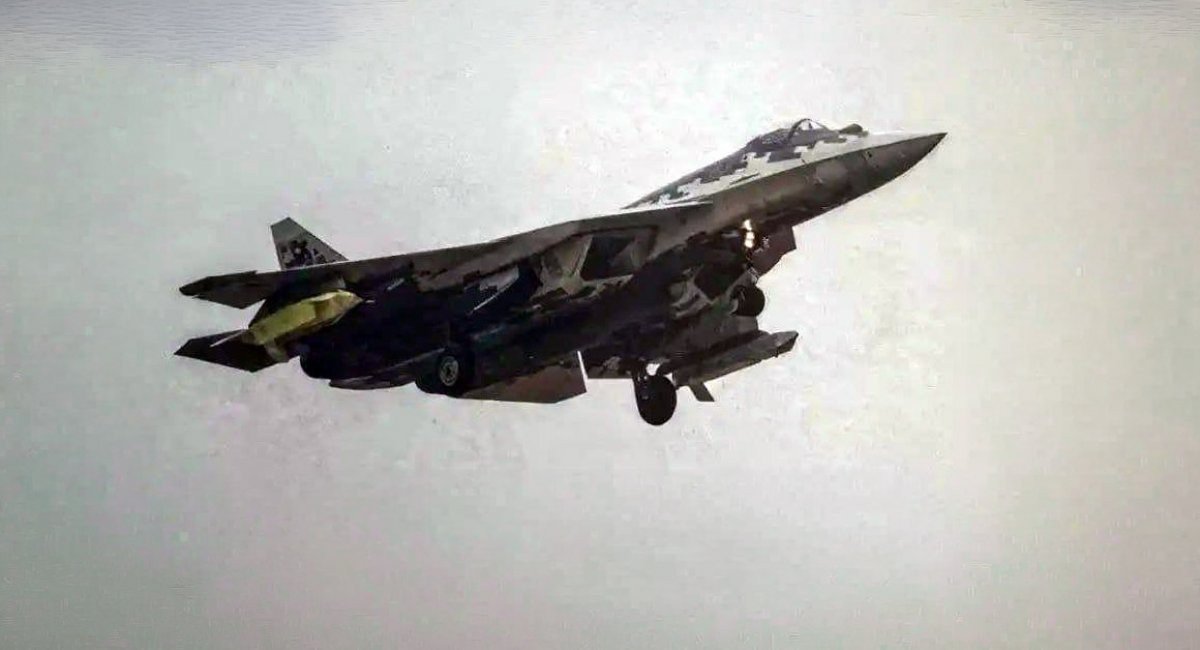
Ukraine has uncovered a troubling capability inside Russia’s newest Su-57-launched missile: sanctioned Nvidia hardware reportedly powers machine-vision guidance that can seek targets automatically, while its stealth airframe is claimed to reduce its radar cross-section to just 0.007 square meters.
Ukraine’s Main Directorate of Intelligence (HUR) has found an Nvidia Jetson Orin computing module inside Russia’s new S-71M Monochrome air-launched cruise missile, potentially revealing how Moscow is incorporating artificial intelligence and machine vision into its latest weapons, according to HUR on August 12.
The S-71M Monochrome has reportedly been used in limited numbers since the beginning of 2026. The missile carries a 250-kilogram, or roughly 550-pound, warhead, travels at around 500–600 kilometers per hour, and has an estimated range of 350–400 kilometers, or approximately 220–250 miles.
We bring you stories from the ground. Your support keeps our team in the field.
The weapon is designed to be launched by Russia’s Su-57 fighter jet. In addition, thanks to its stealth housing, the stated effective scattering area is extremely small—0.007 m² at an irradiation angle of +/- 10°.
According to the Ukrainian military channel Polkovnik Gsh, the Nvidia Jetson module works with an onboard camera to provide terminal guidance during the missile’s final stage of flight.
The system reportedly uses machine-vision algorithms to recognize and guide the missile toward its target, potentially giving the weapon a degree of autonomous target identification.
Similar technology has previously been found in Russia’s V2U system and the Shahed-236 attack drone.
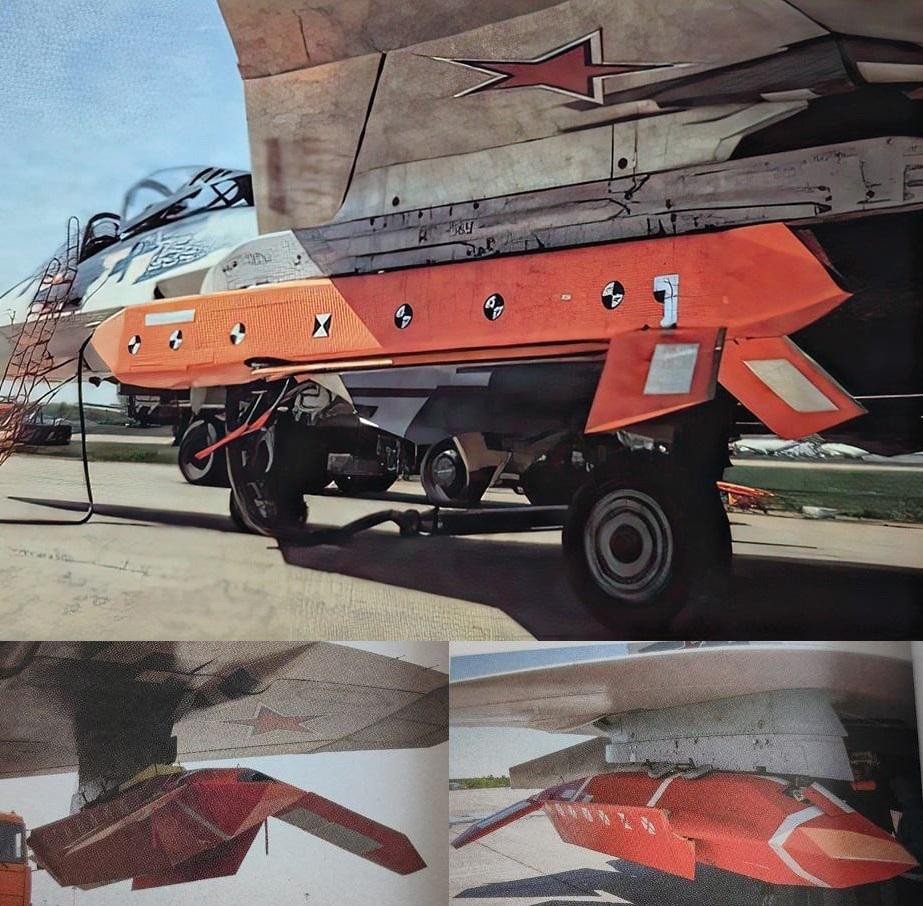
HUR identified the Nvidia Jetson Orin while examining components recovered from the S-71 missile.
The discovery was published through HUR’s War&Sanctions portal as part of a new release detailing 35 electronic components found inside Russian weapons used against Ukraine.
The presence of the Jetson Orin is particularly notable because Nvidia designed the compact computer for advanced AI workloads, including computer vision and autonomous systems. Its appearance inside the Russian missile could therefore indicate that image-processing algorithms are being used to help guide the weapon during its terminal approach.
HUR and Ukrainian research institutions continue dismantling and analyzing Russian weapons to determine where their electronic components originate and how they reached Russia.
The intelligence is then used to help Ukraine and its partners identify foreign technologies considered critical to Russian weapons production and tighten restrictions intended to prevent Moscow from acquiring them.
According to HUR, two years of research conducted through the War&Sanctions project show that Russia still cannot fully replace foreign high-tech electronics with domestically produced alternatives.
That dependence has persisted despite extensive international sanctions and Russia’s attempts to establish alternative supply chains for semiconductors, processors, sensors, cameras, and other sophisticated electronics.
Earlier, Ukraine’s military intelligence identified 5,816 foreign-made components in 202 Russian weapons systems as of August 2026, highlighting the continued use of Western and other foreign technologies in Russia’s military production despite international sanctions.
Discuss this article:
-9a7b3a98ed5c506e0b77a6663f5727c5.png)


-6ff4efaedd2092e0205aad37f9e7b98a.jpg "Illustrative image. US F-16 and Polish MiG-29 over Poland, 2005.")