- Category
- Defense Tech
Ukraine’s New “Cyclop” Drone Approved After Intercepting First Russian Shahed Over Kursk
 Prefer U24 Media on Google
- Authors

-c439b7bd9030ecf9d5a4287dc361ba31.jpg "Photo of Katherina Popilnichenko")
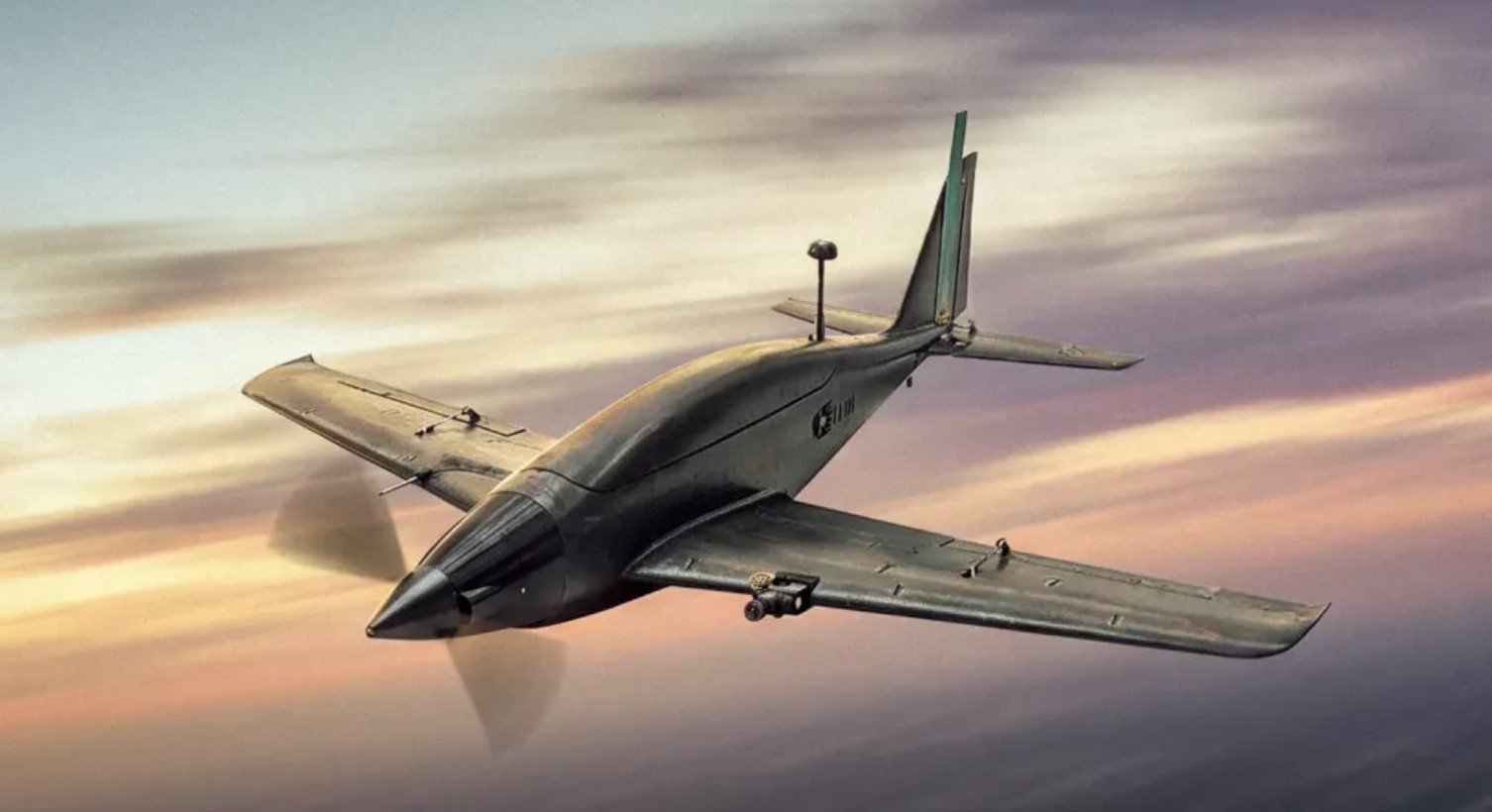
Ukraine’s Ministry of Defense has officially codified and approved the Cyclop drone interceptor system for deployment within the Armed Forces of Ukraine on July 17, following the system’s successful tracking and destruction of over 100 aerial targets.
The unmanned aerial complex features a wingspan of slightly over one meter, a flight endurance of nearly 1.5 hours, and can climb above the maximum operational altitude of Russian reconnaissance and strike drones.
We bring you stories from the ground. Your support keeps our team in the field.
The V2 modification of the system notably achieved a milestone by becoming the first drone to intercept a Russian Shahed loitering munition over the Kursk region.
According to the Ministry of Defense, the domestically developed system offers high maneuverability along with precise and smooth piloting at varying speeds. The complex is produced in multiple configurations tailored for distinct operational requirements.
The initial variant is a more affordable, structurally simpler model designed to hit ground positions and slow-moving, low-altitude aerial targets. The advanced configuration is engineered with significantly higher tactical and technical specifications specifically to intercept high-speed Shahed drones at high altitudes.
The operational range of the Cyclop provides sufficient coverage to protect any regional capital city in Ukraine from incoming aerial drone attacks. Its compact dimensions and high velocity minimize the risk of the interceptor being targeted by enemy air defense systems during operations.
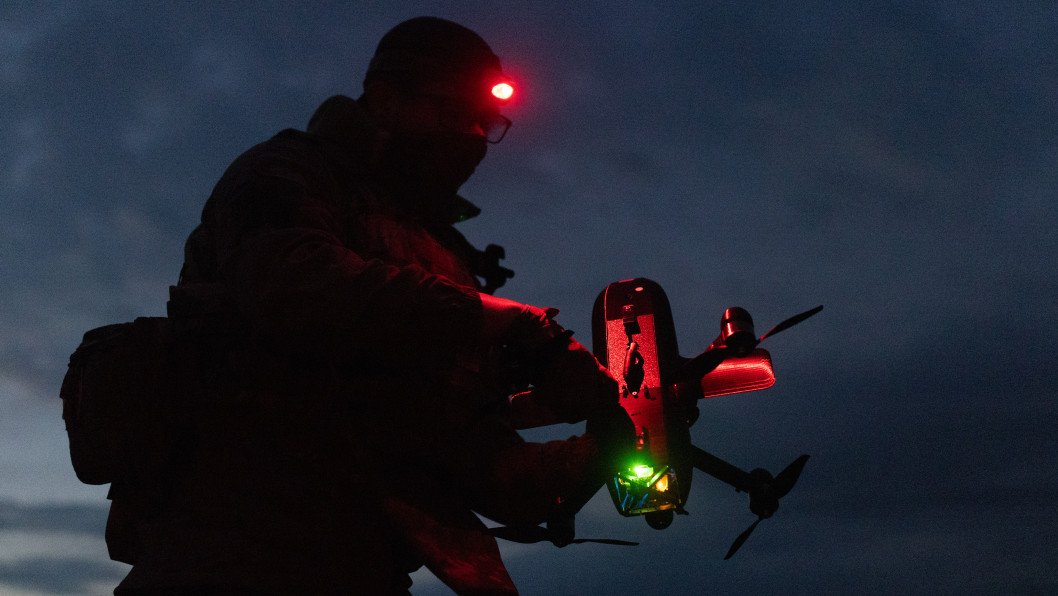
While the formal approval has just been granted, variations of the system have already been active on the front lines during Russia’s full-scale invasion of Ukraine, including a batch supplied to the military in May by the Come Back Alive charity foundation.
On June 9, 2026, the Ukrainian Ministry of Defense reported that the LITAVR interceptor drone could lock onto a target by itself during the final stage of flight and reach speeds of up to 350 km/h. Developed by the Ukrainian company F-Drones, the system was designed primarily to intercept aerial targets, though it could also engage ground positions if needed.
The developers reduced dependence on imported components by producing their own software, electronics, engines, and flight controllers. Equipped with daytime and thermal imaging cameras along with a navigation system that did not depend on GPS, the drone operated at altitudes of up to 9 kilometers within a standard radius of 40 kilometers.
Discuss this article: