- Category
- Defense Tech
South Korea Has One of Asia’s Largest Tank Fleets. Ukraine Shows What It’s Missing
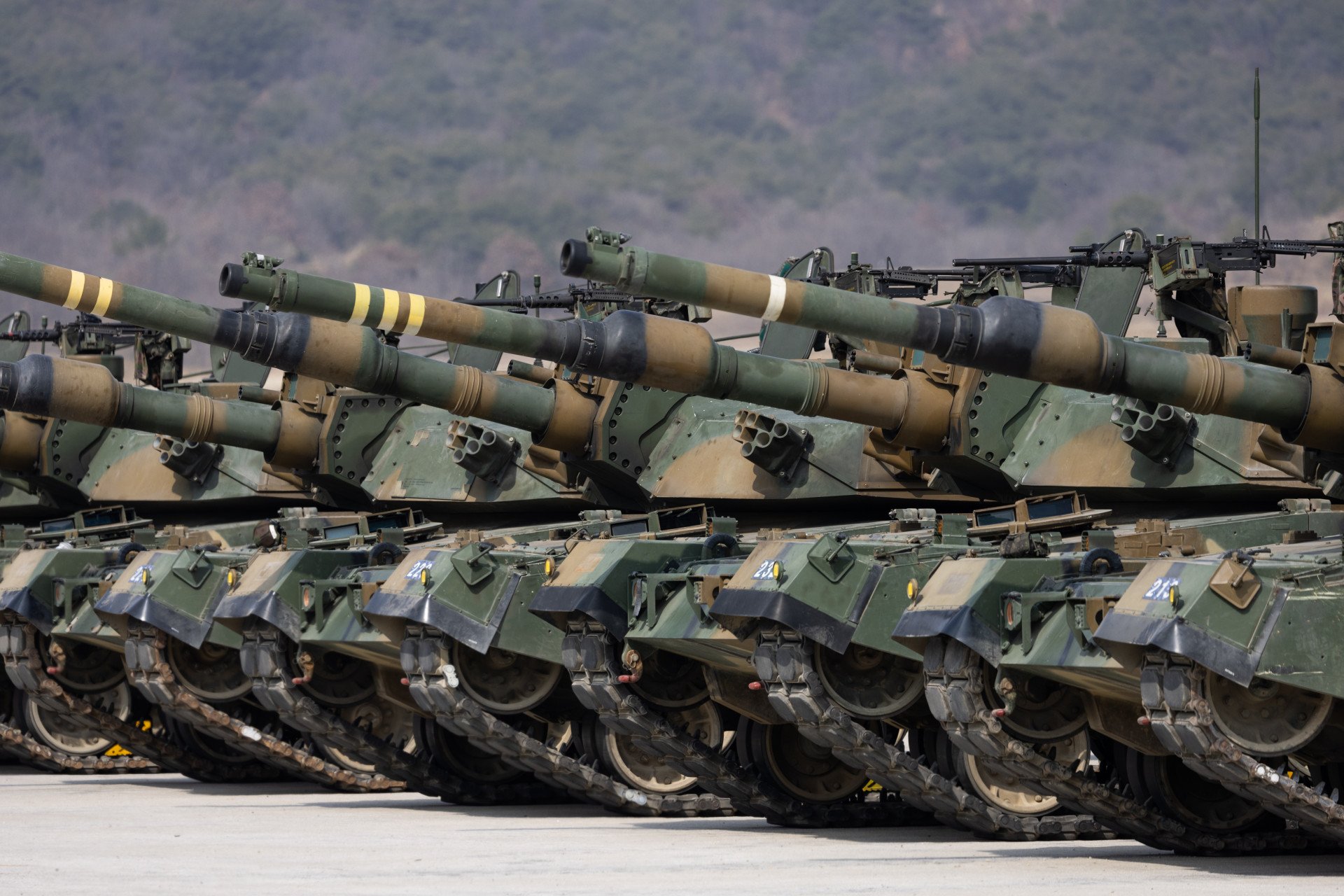
Ukraine’s drone-saturated battlefield has exposed a brutal truth for South Korea’s armored force: even the K2 Black Panther is only as powerful as its ability to survive being spotted from above.
 Prefer U24 Media on Google
- Authors


South Korea has built one of Asia’s largest and most advanced tank forces to stop a North Korean armored breakthrough—but Ukraine’s battlefield experience suggests even the K2 Black Panther will need drones, electronic warfare, and stronger overhead protection to survive the opening stages of a future war, according to The Defense Post on August 6.
For decades, South Korean defense planning has centered on the prospect of North Korean armored and mechanized forces crossing the front, threatening Seoul, and triggering a rapid military crisis.
We bring you stories from the ground. Your support keeps our team in the field.
That threat shaped the development of the K1 family—including the K1, K1E1, K1A1, K1A2, and planned K1E2—as well as the newer K2 Black Panther.
According to The Defense Post, that strategy remains relevant, but it is no longer sufficient on a battlefield dominated by persistent surveillance, FPV drones, loitering munitions, precision artillery, and inexpensive top-attack weapons.
South Korean K2 Black Panther showing off its semi-active in-arm hydraulic suspension system. Needs gold Daytons though, to be honest. pic.twitter.com/aeBVEms9d5
— John Jackson (@hissgoescobra) May 29, 2024
Ukraine’s adaptation of older Leopard 1 tanks provides one possible lesson. Some are being modernized with Belgium’s Cockerill 3105 turret, which combines a NATO-standard 105mm gun, an autoloader, and modern sensors.
The upgrade does not turn the Leopard 1 into a heavily protected main battle tank. Instead, it allows the older platform to operate as a mobile fire-support vehicle, engaging targets from covered positions while reducing exposure to direct attacks.
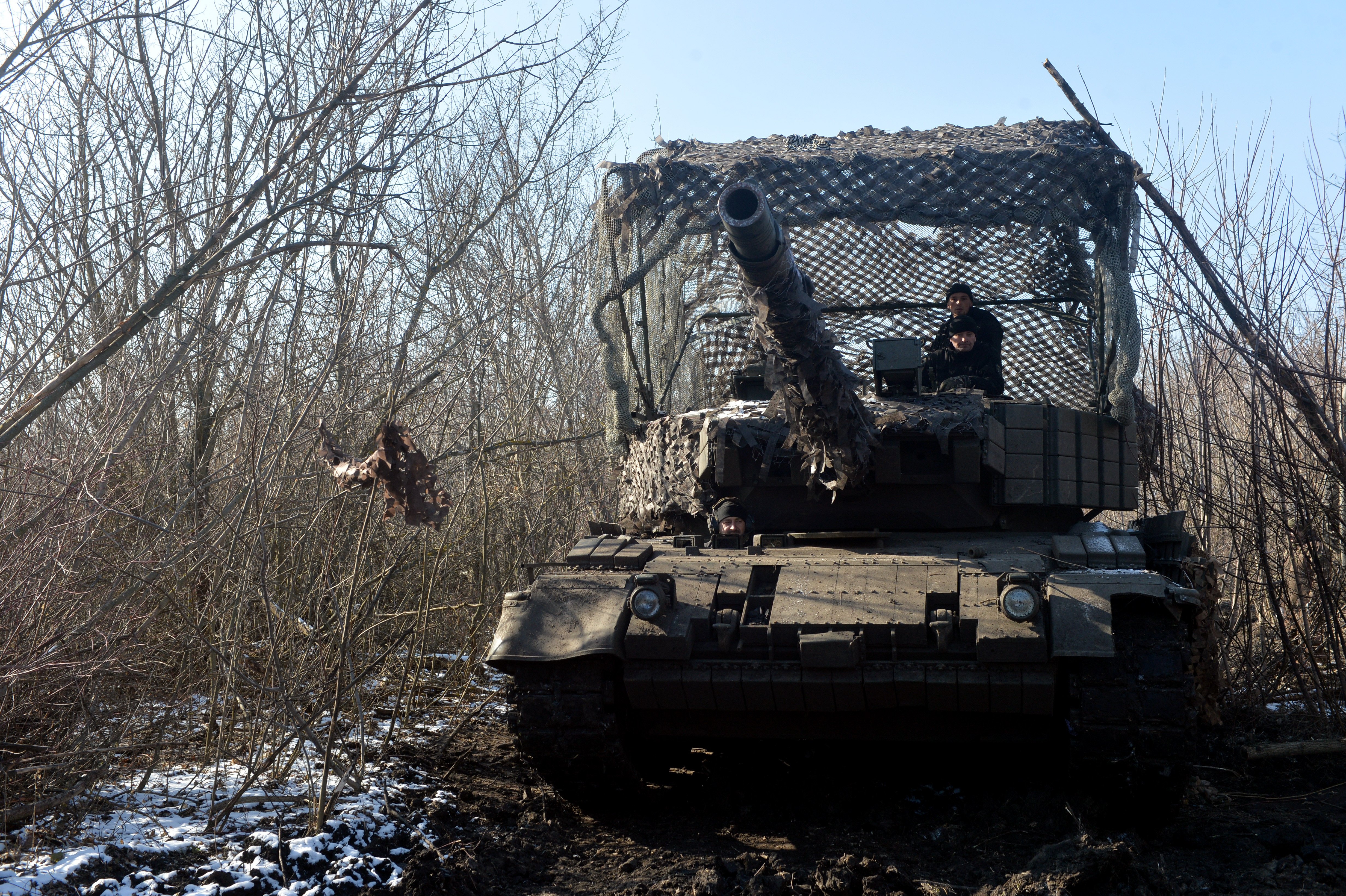
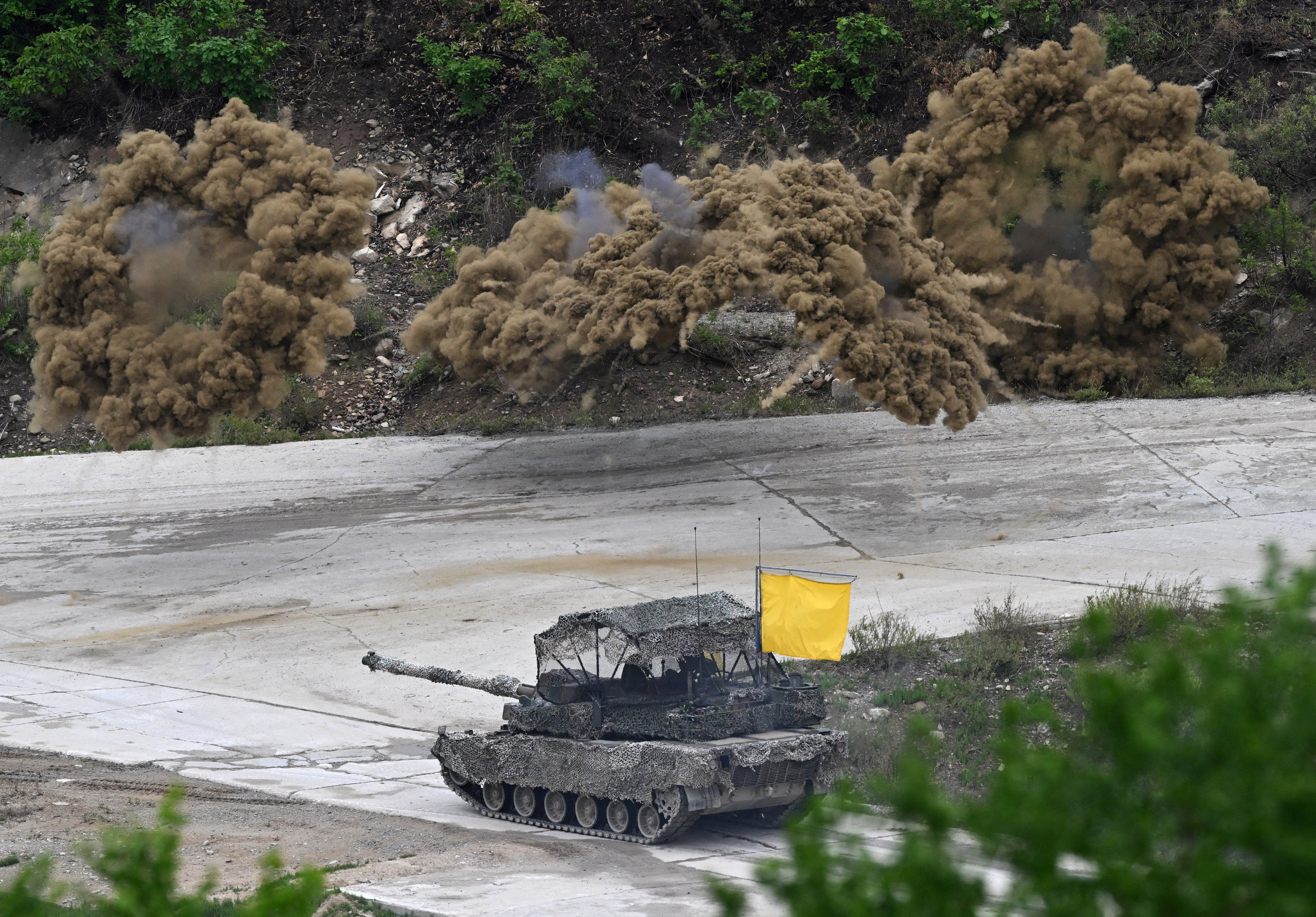
The Defense Post argued that South Korea should not copy Ukraine’s approach directly. The Korean Peninsula still presents the danger of a large-scale armored attack, meaning Seoul cannot replace its K1 and K2 tanks with lighter vehicles.
The more important lesson is that tanks can no longer operate as independent breakthrough weapons. Once detected by a drone, an armored formation can be tracked, isolated, struck by artillery, and attacked from above before reaching its objective.
North Korea is also studying Russia’s war of aggression against Ukraine and expanding its own unmanned capabilities. Even relatively simple reconnaissance and strike drones could complicate South Korean armored movements through the narrow invasion corridors north of Seoul.
According to The Defense Post, every South Korean armored battalion should eventually operate with its own reconnaissance drones, counter-FPV capabilities, electronic warfare teams, short-range air defenses, and camouflage and deception units.
Seoul’s plans to train 500,000 personnel in drone operations and develop the Korea Low-cost Uncrewed Combat Attack System could support that transition.
Older armored vehicles could also be repurposed rather than retired.
South Korean K2 Tank Kit 1:1 scale model kit has dropped. 🇰🇷🫡 pic.twitter.com/rTaBsnZAn3
— ITDUDE Fella (@The_Real_ITDUDE) June 16, 2025
The best K1A2 tanks, which carry 120mm guns, could remain in frontline armored formations after receiving improved networking and survivability systems. Older K1 and K1E1 vehicles could be converted into counter-drone gun platforms, mobile electronic warfare vehicles, ammunition carriers, decoys, or fire-support vehicles with unmanned turrets.
The K21 infantry fighting vehicle chassis could offer another option. A K21-105 fire-support variant armed with a 105mm gun could accompany infantry, reinforce threatened areas, and provide mobile precision firepower where deploying a K2 would be unnecessary or too risky.
Such a vehicle would complement the K2 rather than replace it. It would lack the Black Panther’s armor and could not be expected to fight North Korean main battle tanks head-on.
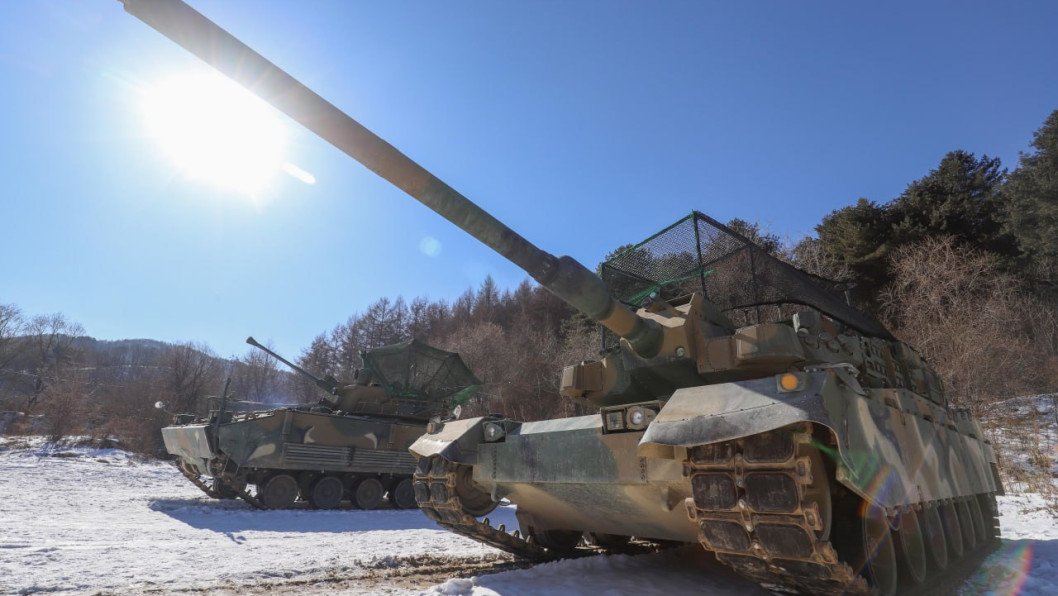
The Defense Post identified survivability—not a larger gun—as the most urgent modernization priority.
Possible upgrades include active protection systems, laser-warning receivers, top-attack defenses, electronic protection against FPV drones, acoustic detection systems, soft-kill countermeasures, and modular overhead armor.
Doctrine would have to change alongside the equipment. South Korean armored forces may need to operate in smaller and more dispersed formations, move between concealed positions, use decoys routinely, and avoid remaining in predictable assembly areas.
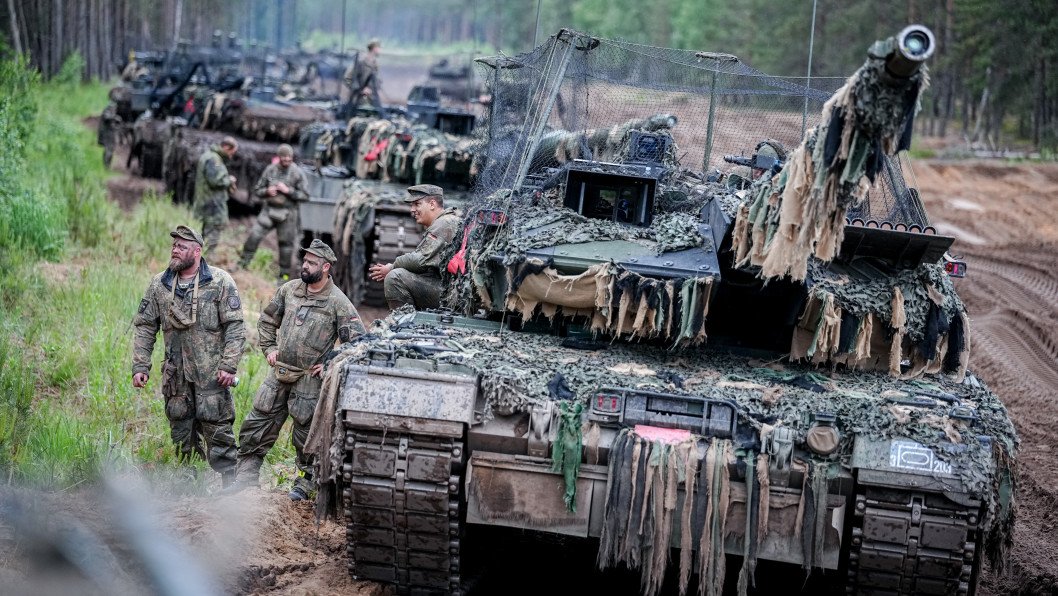
Tanks would also need to work directly with reconnaissance drones and loitering munitions rather than treating unmanned systems only as threats.
According to the report, a future war on the Korean Peninsula may not begin with tank formations exchanging fire across open terrain. It could begin with drones identifying engine heat, artillery receiving coordinates within seconds, and loitering munitions circling above armored staging areas.
South Korea’s K1s and K2s would remain essential—but their value would depend on whether they could survive that first cycle of detection and attack long enough to use their firepower.
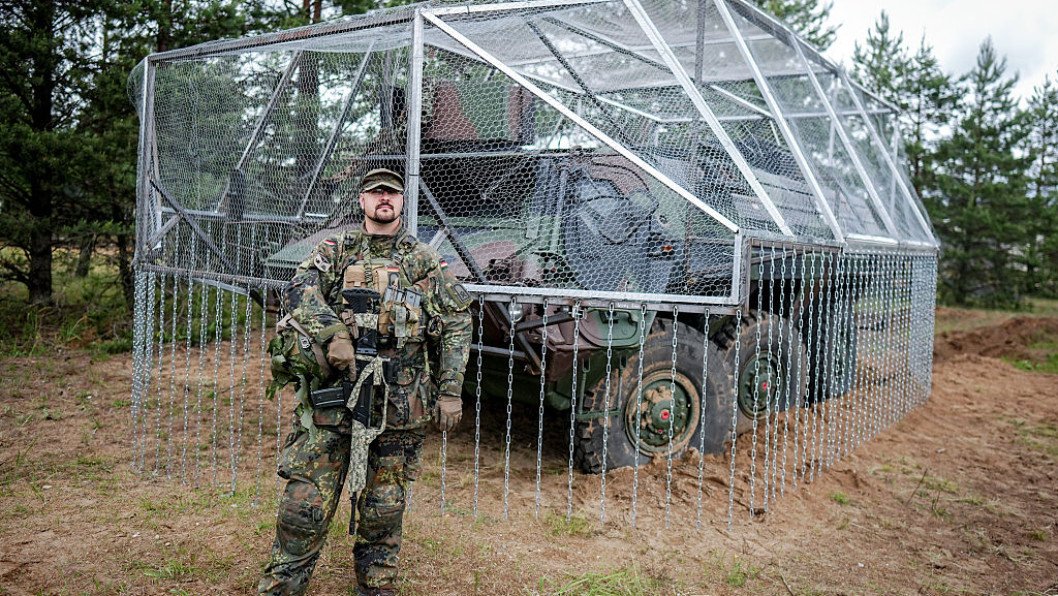
Earlier, France had begun field-testing new anti-drone and anti-mine protection for its Leclerc XLR main battle tanks, drawing heavily on lessons from Ukraine’s front lines, where cheap FPV drones and improvised explosives have forced rapid adaptations across NATO.
Israel’s military is also deploying Ukraine-style anti-FPV drone nets on its vehicles during ongoing fighting in Lebanon, reflecting battlefield adaptations previously seen in Ukraine.
Even Thailand’s military has begun adopting battlefield lessons from Ukraine, installing protective anti-drone screens on armored vehicles as part of efforts to improve survivability against modern threats. The modifications have already been applied to M42 Duster self-propelled anti-aircraft systems.
Discuss this article:

-c439b7bd9030ecf9d5a4287dc361ba31.jpg "Photo of Katherina Popilnichenko")