- Category
- World
Israel Adopts Ukraine-Style Anti-FPV Drone Nets During Fighting in Lebanon
 Prefer U24 Media on Google
- Authors


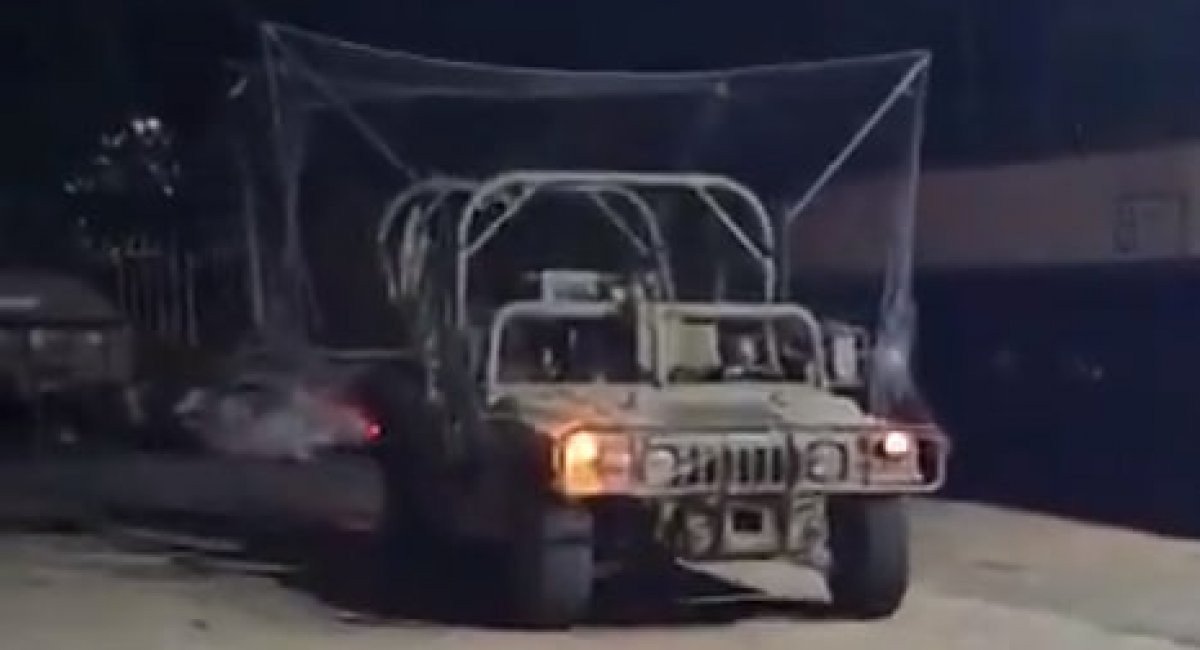
Israel’s military is deploying Ukraine-style anti-FPV drone nets on its vehicles during ongoing fighting in Lebanon, reflecting battlefield adaptations previously seen in Ukraine.
We bring you stories from the ground. Your support keeps our team in the field.
According to Defense Express on April 29, footage circulating online shows an Israeli HMMWV fitted with a lightweight frame covered by mesh netting designed to intercept incoming FPV drones. The video also includes a demonstration of a drone striking the protective structure rather than the vehicle itself.
IDF troops invading Lebanon now trying to improvise solutions to counter Hezbollah drones. pic.twitter.com/qzkFnT74IX
— Clash Report (@clashreport) April 29, 2026
The move comes as Hezbollah increases its use of FPV drones to target Israeli personnel and equipment, prompting Israeli forces to adopt low-cost, rapidly deployable countermeasures similar to those widely used on the front lines in Ukraine.
The system seen on the Israeli vehicle consists of a relatively light frame with soft netting stretched across it. Such configurations are intended either to physically block incoming drones or to trigger their detonation at a safer distance from the vehicle.
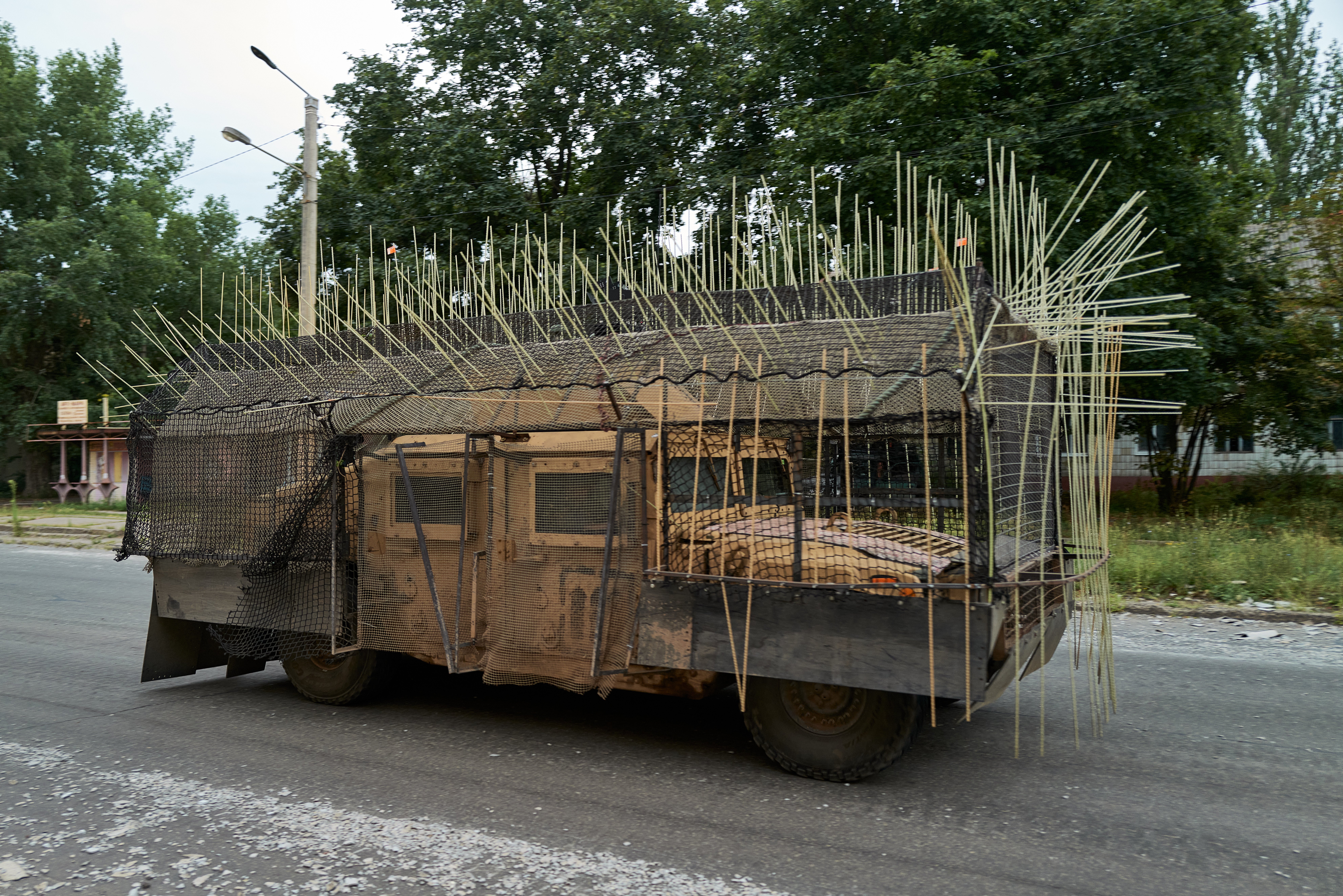
Comparable solutions have been used by Ukrainian forces, often with reinforced metal frameworks designed to improve durability.
However, Defense Express notes that the Israeli version appears less robust, with limited structural support. The configuration may reduce direct hits on the vehicle itself but does not fully protect exposed personnel, particularly in open-backed transport variants like the HMMWV shown in the footage.
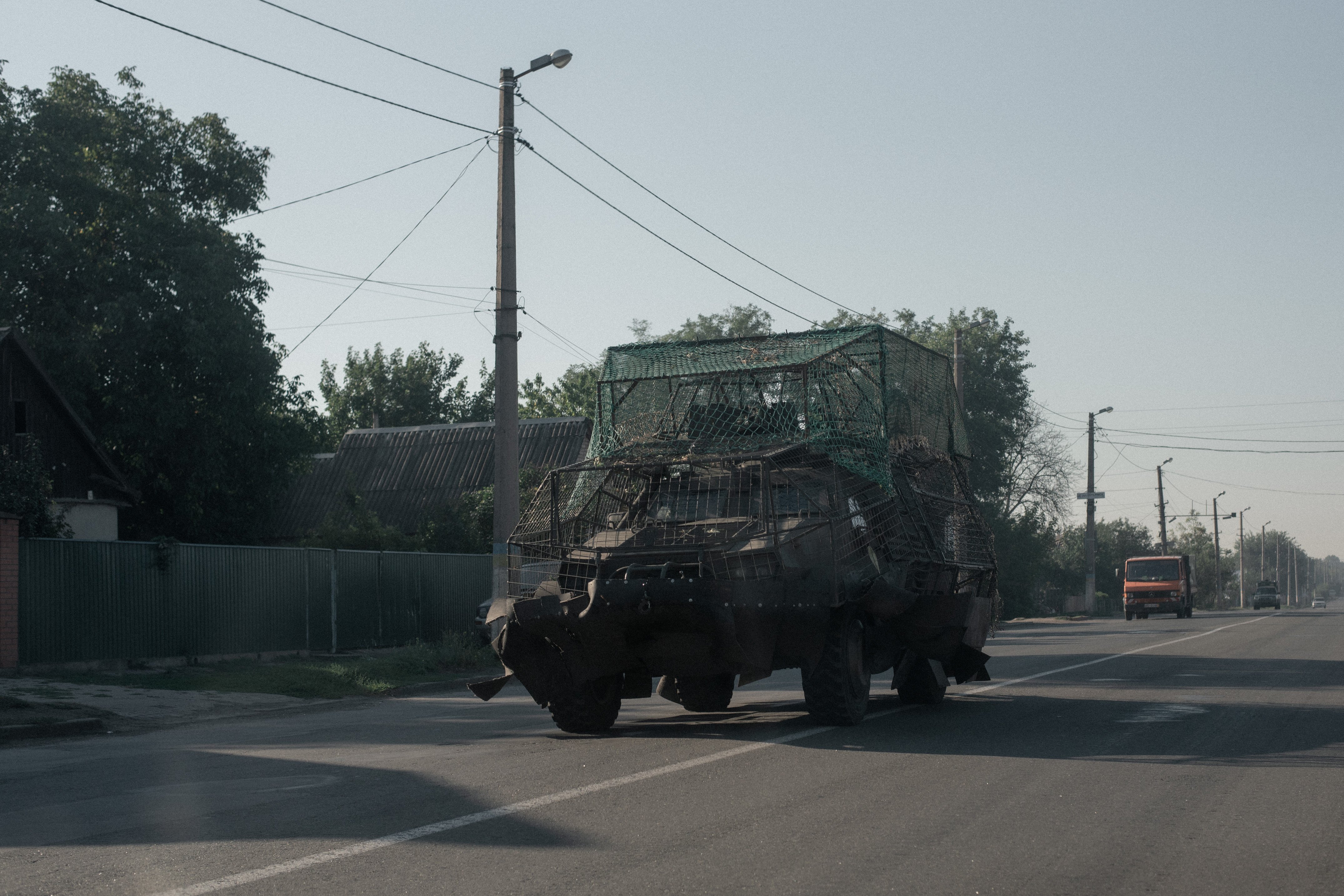
The growing use of such improvised defenses highlights the expanding role of FPV drones across multiple conflict zones. Electronic warfare systems remain unevenly distributed and not universally effective, while active protection systems are still costly and not widely deployed.
Some manufacturers, including UAE-based TAC Armored Vehicles, have begun offering armored platforms with integrated anti-drone protection.
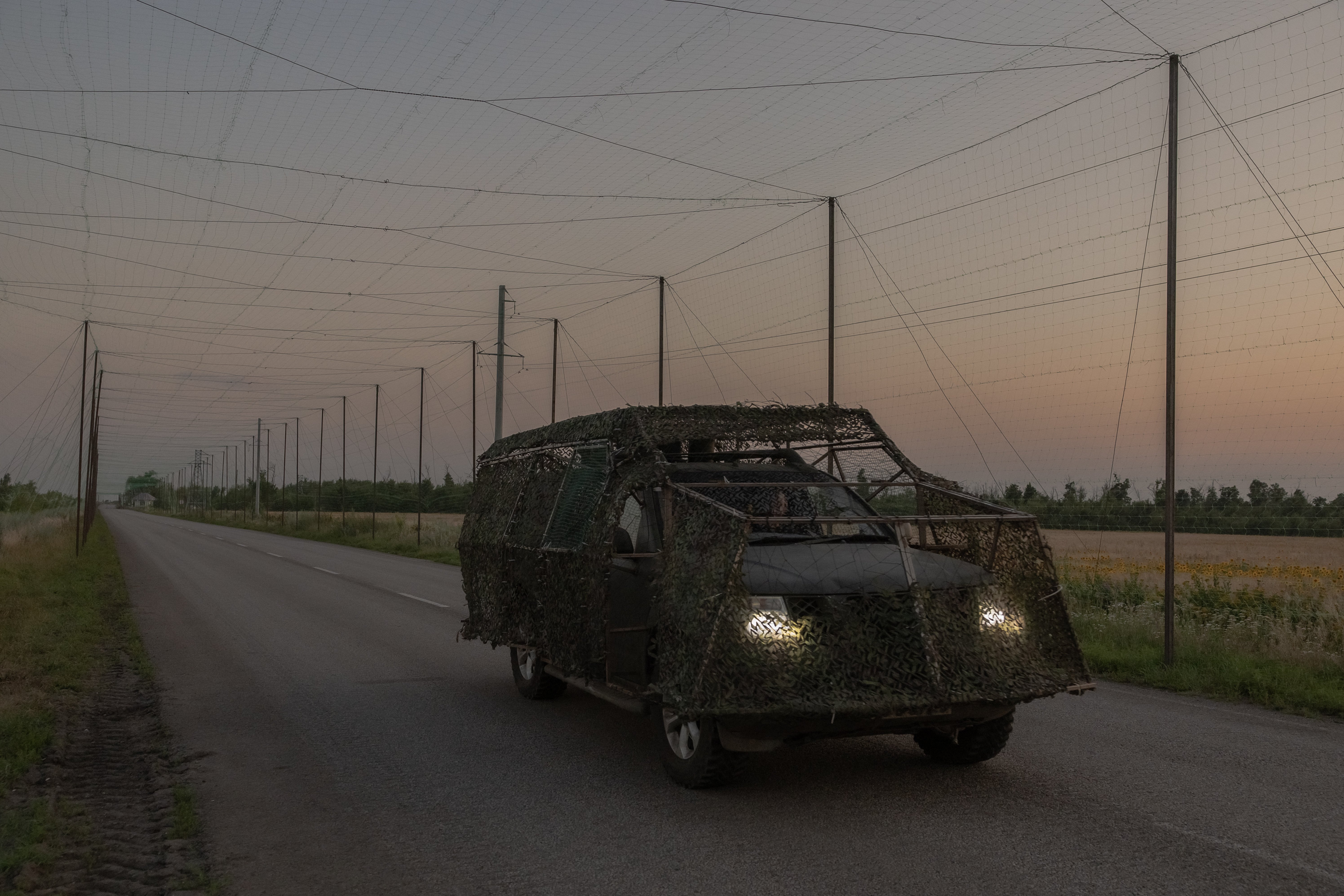
Israel has also explored adapting its Trophy active protection system, developed by Rafael, to counter aerial threats, including drones. However, Defense Express reports that its real-world effectiveness against FPV systems in current operations remains unclear.
Earlier, China has begun adapting battlefield practices observed in Russia’s war against Ukraine, including the use of tanks for indirect fire missions and the development of modular anti-drone armor. Chinese designs feature layered mesh protection systems closely resembling Ukrainian solutions created to counter FPV drone threats.
Discuss this article:
-9a7b3a98ed5c506e0b77a6663f5727c5.png)


-c439b7bd9030ecf9d5a4287dc361ba31.jpg "Photo of Katherina Popilnichenko")

-111f0e5095e02c02446ffed57bfb0ab1.jpeg "Photo of Roman Kohanets")

-a1738cb523135070a26ed61c09a8eb5e.jpg "Police stand in front of the Russisches Haus in Berlin, Germany. (Source: Getty Images)")
-72b63a4e0c8c475ad81fe3eed3f63729.jpeg "Photo of Cyril Barabaltchouk")