- Category
- Latest news
How Ukraine’s Drone Tactics Are Rewriting US Military Strategy in Real Time
 Prefer U24 Media on Google
- Authors


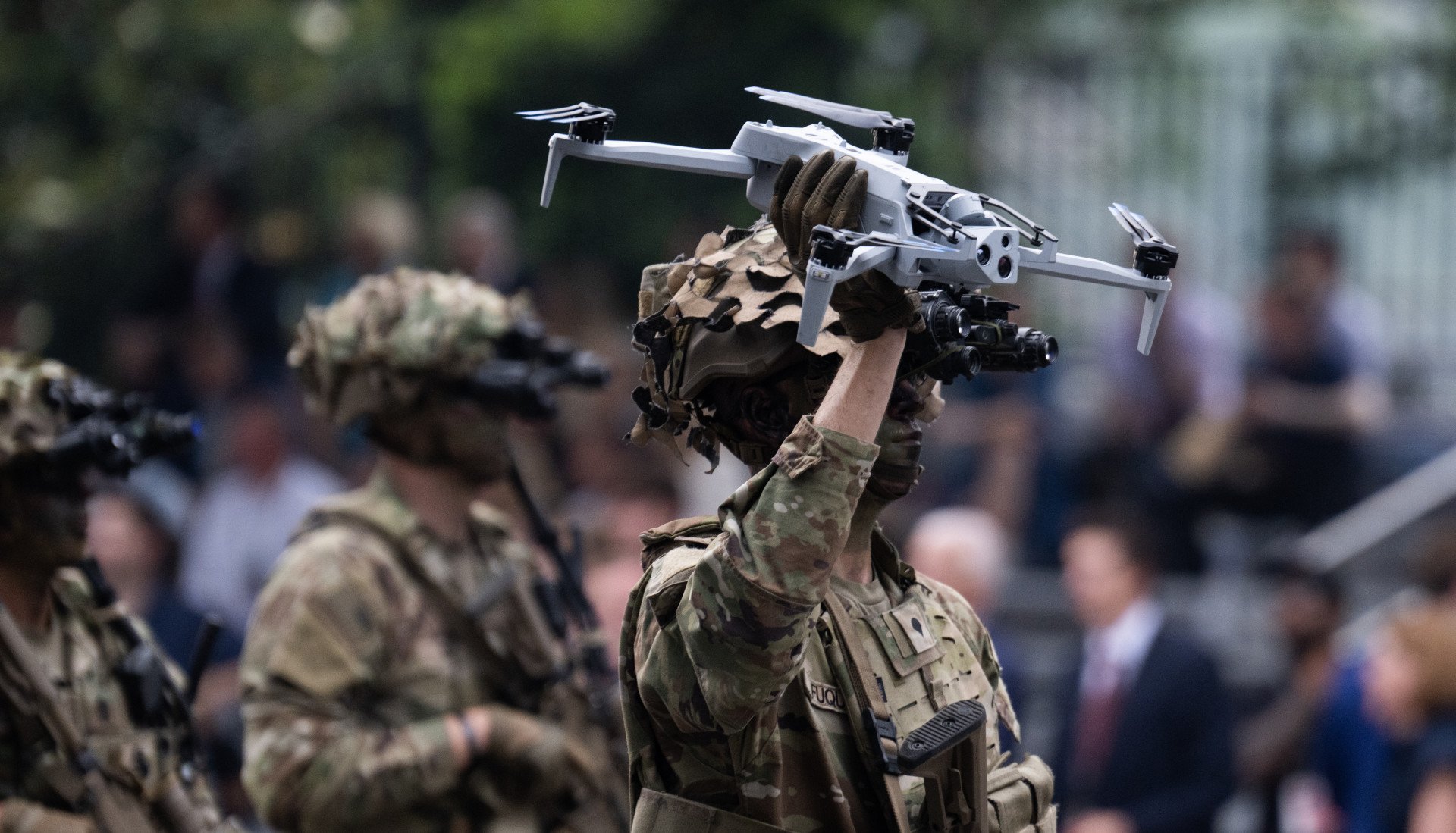
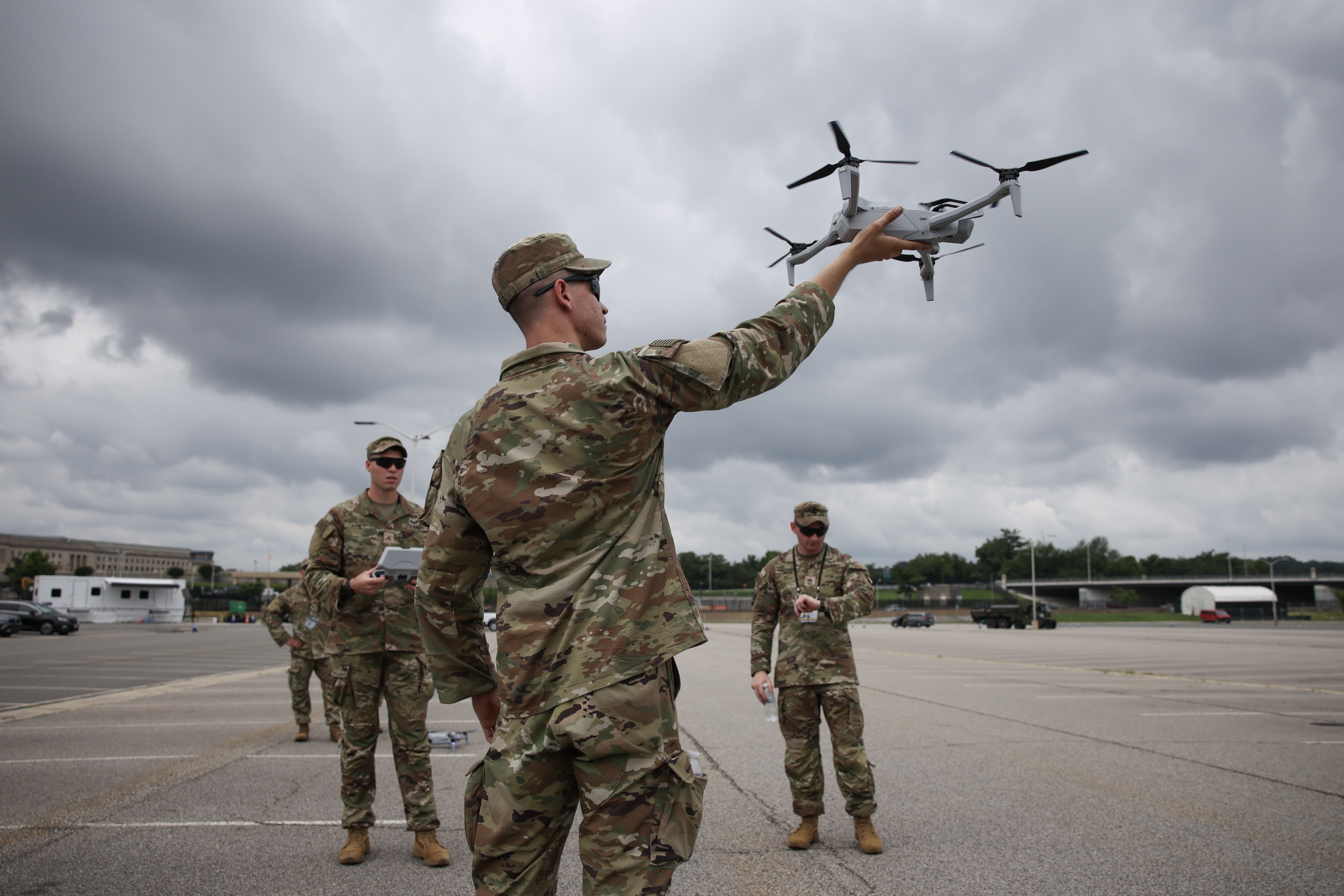
The US Department of Defense, through its Defense Innovation Unit (DIU), is ramping up efforts to develop and test combat-ready drone technology in environments that mirror battlefield conditions in Ukraine, according to Defense News on July 28.
The Pentagon is building testing infrastructure that will allow small defense firms to trial unmanned systems under intense electronic warfare (EW) conditions—something that’s proven nearly impossible at most US military ranges due to tight GPS and RF interference restrictions and the need to protect civilian air traffic.
“Most testing environments in the US just don’t come close to replicating what drones are facing in Ukraine,” said Chris Bonzagni, a former DIU program manager who now consults for defense startups.
“In Ukraine, they’re doing daily reps under GPS jamming and comms disruption. That kind of experience is priceless.”
The Ukraine effect
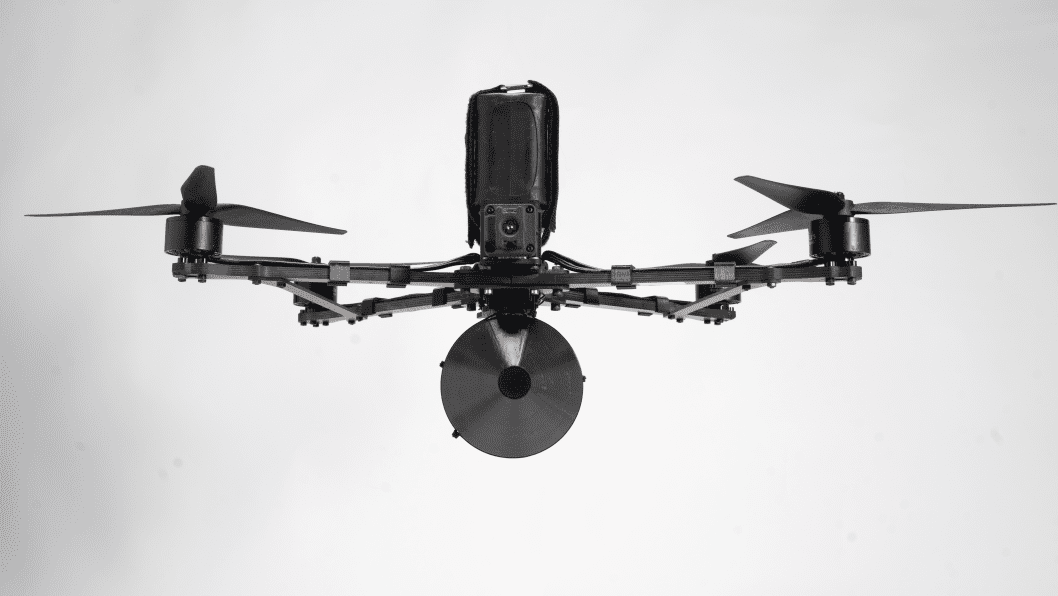
Since Russia’s full-scale invasion, Ukraine has become a proving ground for next-generation drone warfare.
Operators there face daily threats from advanced electronic jamming, signal loss, and high-pressure tactical demands. DIU officials say these real-world challenges have rapidly advanced Ukraine’s drone capabilities, often faster than what’s possible through traditional US military acquisition cycles.
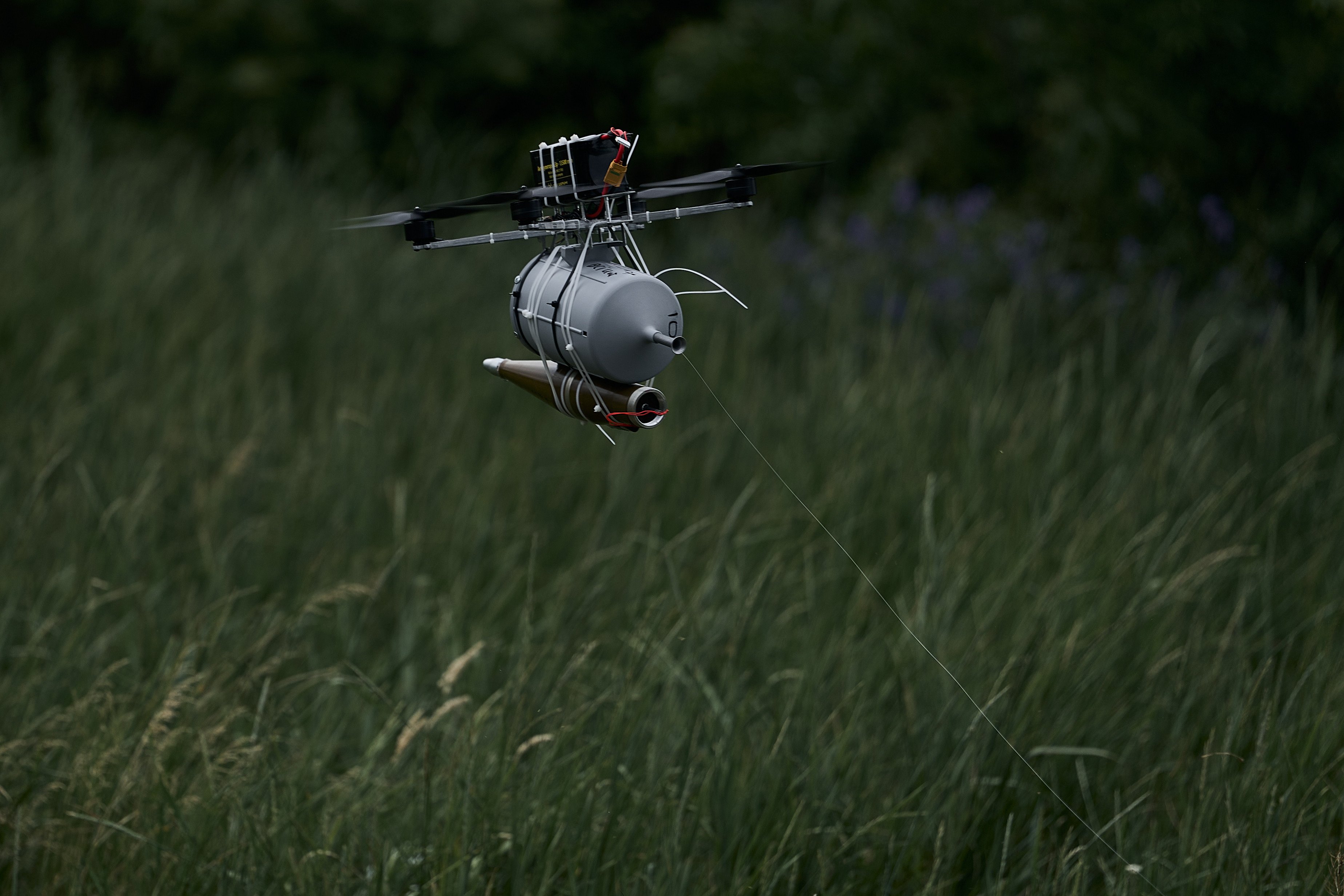
“Ukrainian drone operators are learning and evolving every day,” said a DIU-affiliated official. “They’re not afraid to fail, because they don’t have the luxury of time.”
While some well-funded US companies have been able to test systems in Ukraine, most smaller firms lack the resources or government backing to do so, and Washington has been reluctant to formally sponsor testing within the conflict zone.
The DIU ultimately ruled out Ukraine due to political sensitivities and regulatory hurdles, especially under the new Trump administration.
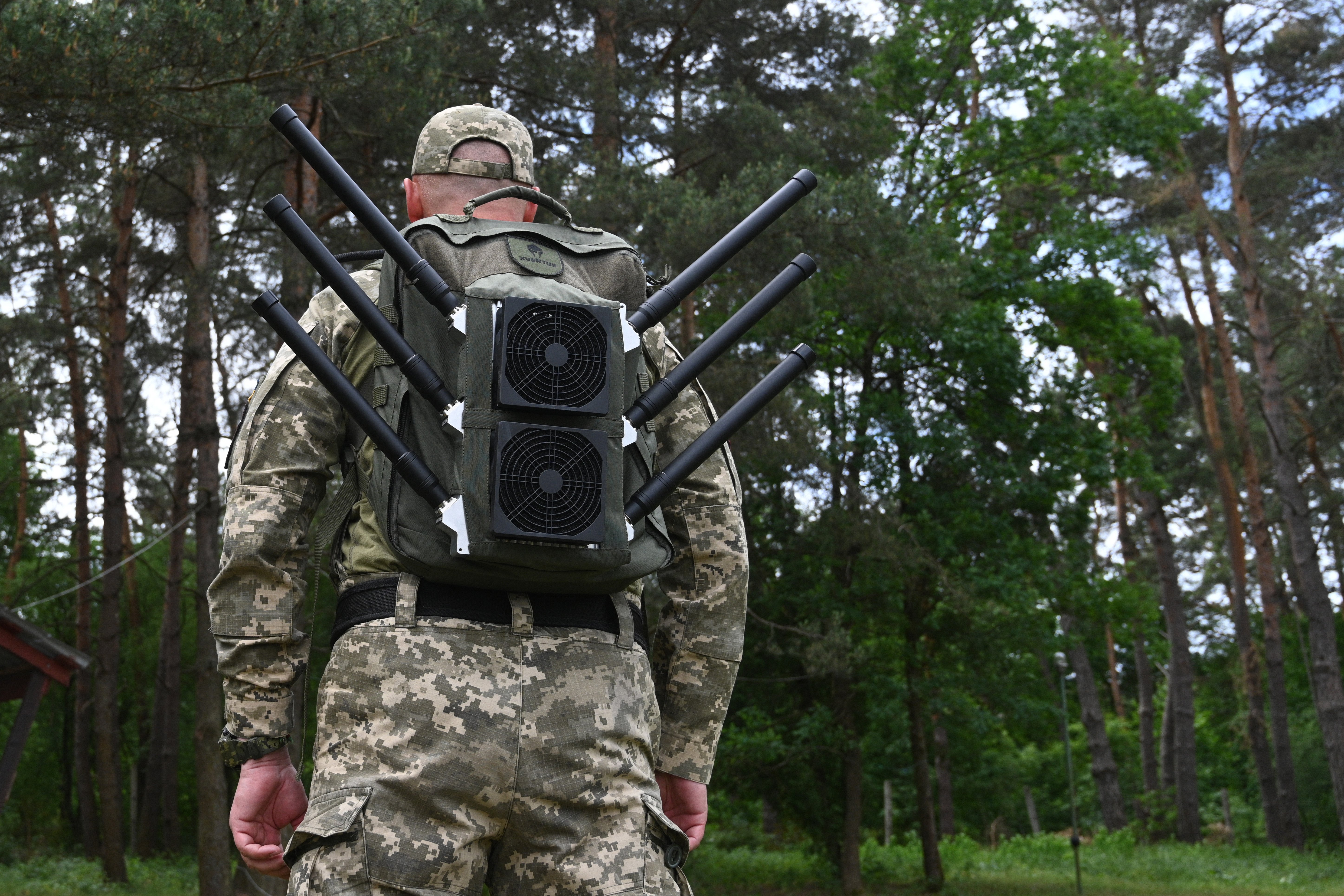
Why Alaska?
With Ukraine off the table, DIU turned to remote regions of Alaska—particularly near Fort Wainwright — as a domestic alternative.
The area offers wide-open, minimally populated airspace, fewer GPS interference concerns, and up to 21 hours of daylight in June, making it an ideal environment for continuous testing.
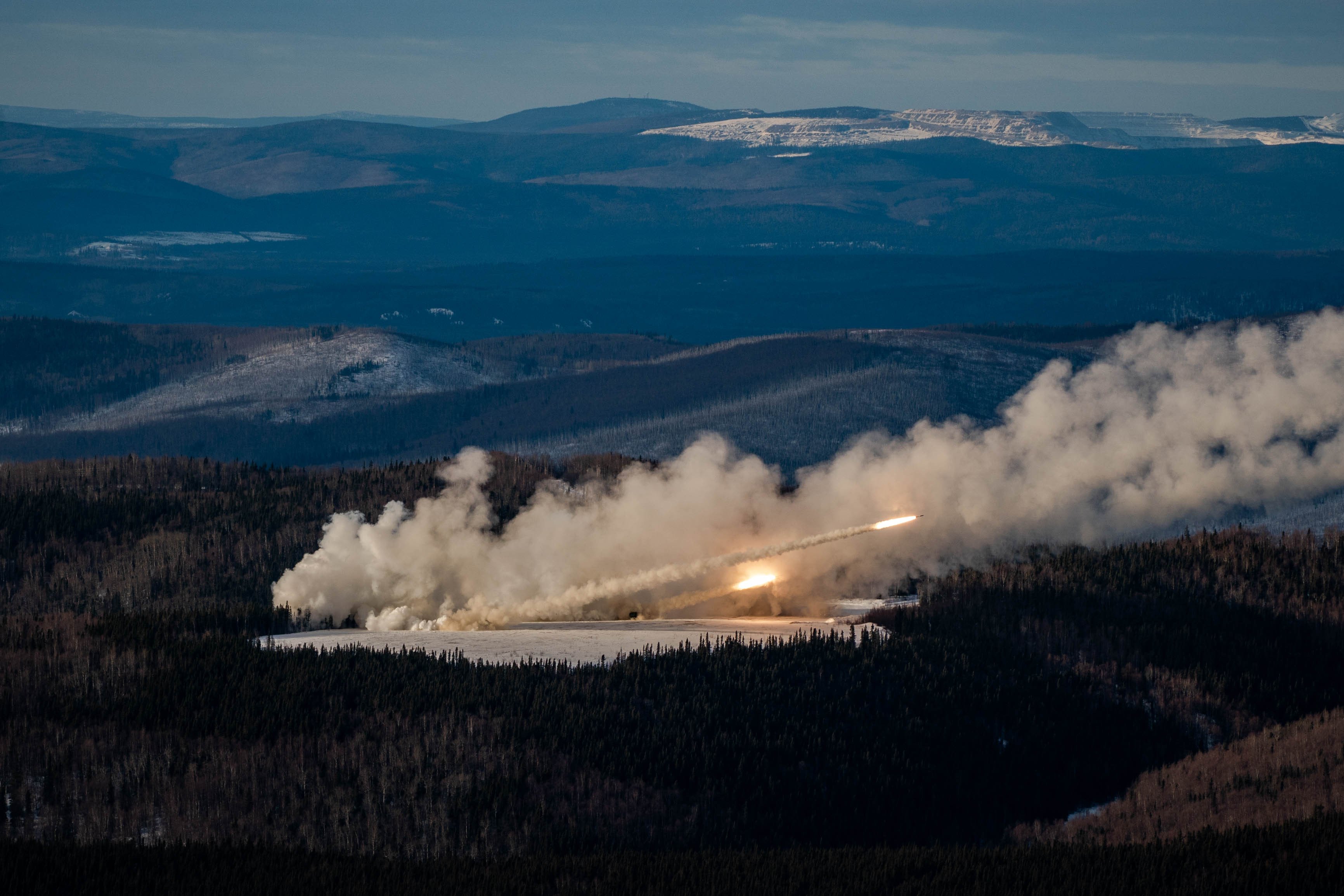
This June, five companies participated in a drone trial in Alaska that simulated electronic warfare attacks, testing their drones’ ability to maintain navigation and control under jamming conditions. Most of the systems had never flown outside lab conditions, and many initially failed. That, officials say, was the point.
“If we want to succeed, we have to embed engineers with warfighters, and we have to be out in the field testing,” said DIU’s Trent Emeneker, who led the Alaska trials. “We have to do it all the time.”
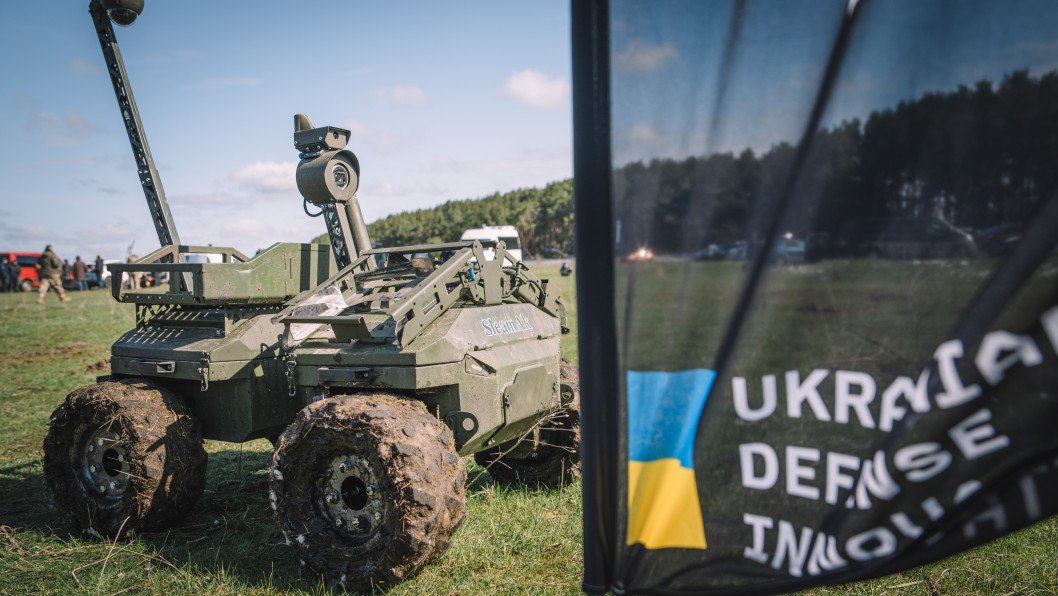
Testing under pressure
The trial highlighted both technological gaps and equipment limitations. The Army’s 11th Airborne Division (ABN), which provided EW effects during the tests, struggled early on with outdated systems—some over 20 years old and originally designed for conflicts in Iraq and Afghanistan.
“We’re trying to take a two-decade-old piece of equipment and tool it to a modern-day threat,” said Sgt. Peter Spurgeon, an EW operator with the 11th ABN.
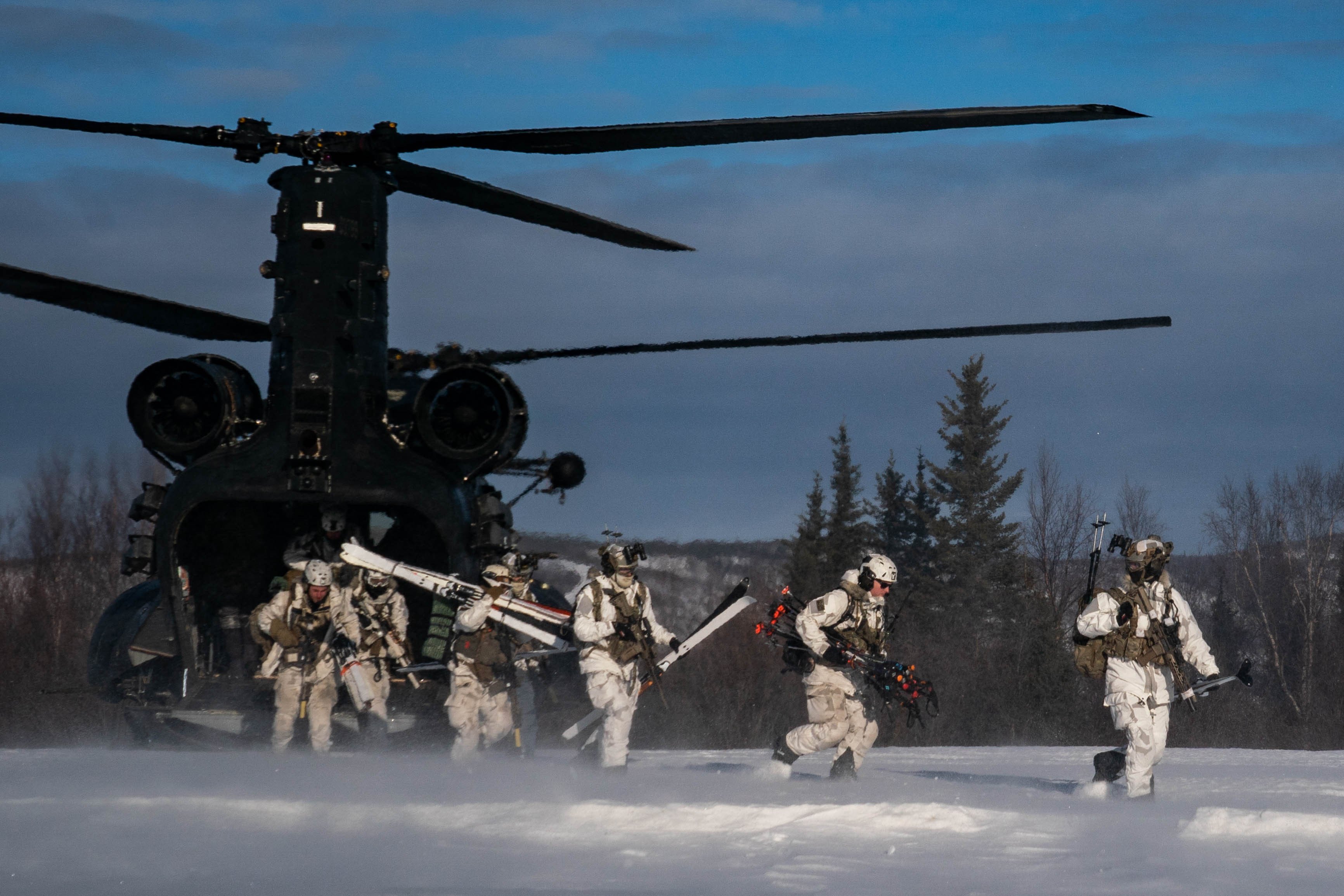
By day two, the team improved by focusing on GNSS jamming, where the older equipment performed slightly better.
Still, the exercise exposed a critical shortfall: the US military lacks modern EW tools for testing drone resilience against contemporary threats.
Lt. Col. Scott Smith, the division’s director for non-lethal effects, called the trial a crucial step for both training and advocacy.

“This kind of live testing helps us figure out what works, troubleshoot under pressure, and make the case for more investment,” he said.
Earlier, Keith Kellogg, US Special Envoy, visited Ukrainian defense facilities and praised the country’s rapid technological advancements, particularly in the field of drone warfare, urging the US defense industry to learn from Ukraine’s agility and innovation.
Discuss this article: