- Category
- Latest news
Ukrainian AI Drone Maker Reveals Game-Changing TFL-1 Autonomous Drone Already Hitting Russian Targets
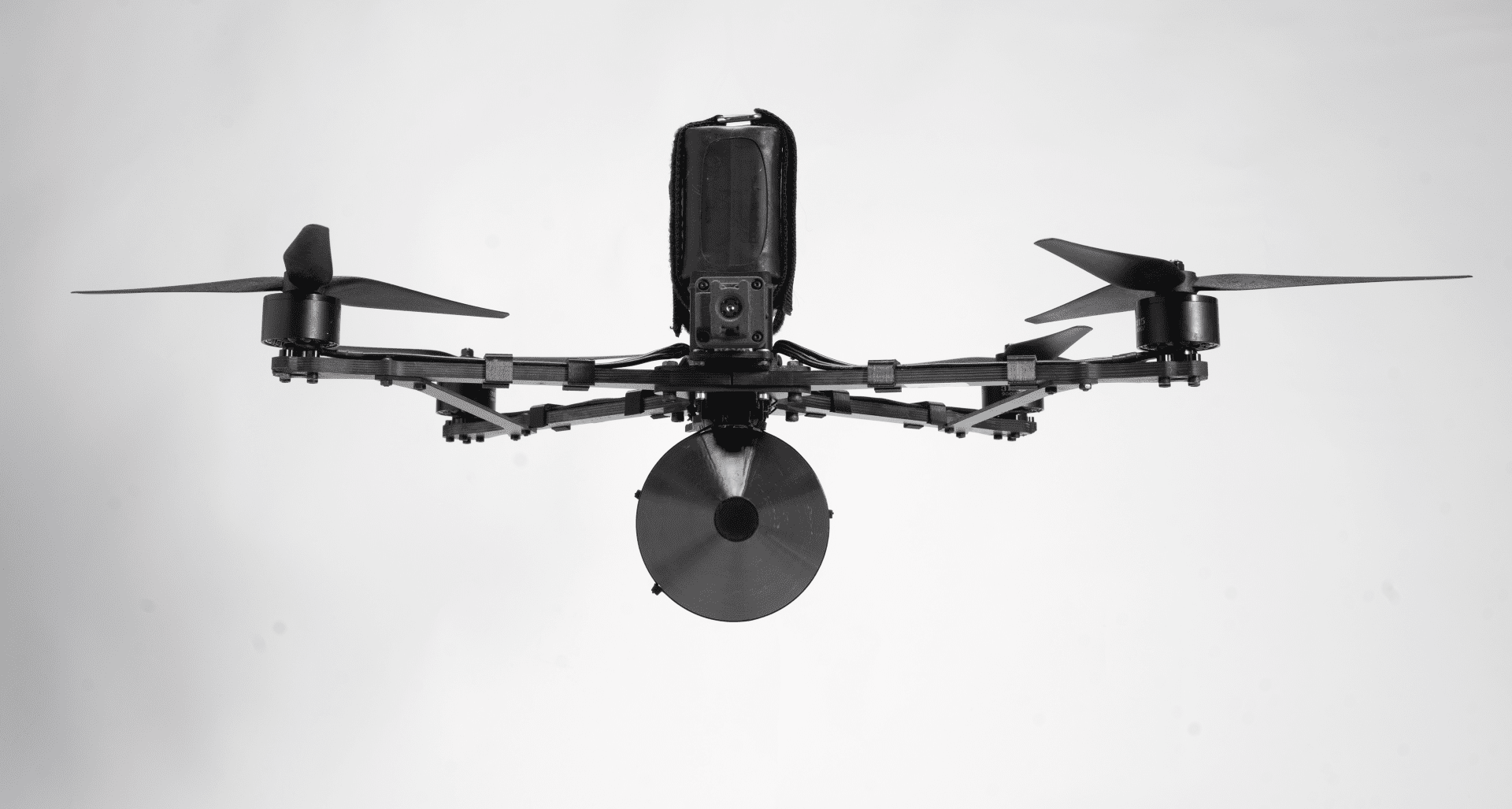
In a world’s first footage shared with UNITED24 Media, Ukrainian defense tech company The Fourth Law has revealed the battlefield use of its AI-powered TFL-1 autonomy module—an upgrade that enables frontline FPV drones to independently strike targets even under heavy electronic warfare.
 Prefer U24 Media on Google
- Authors


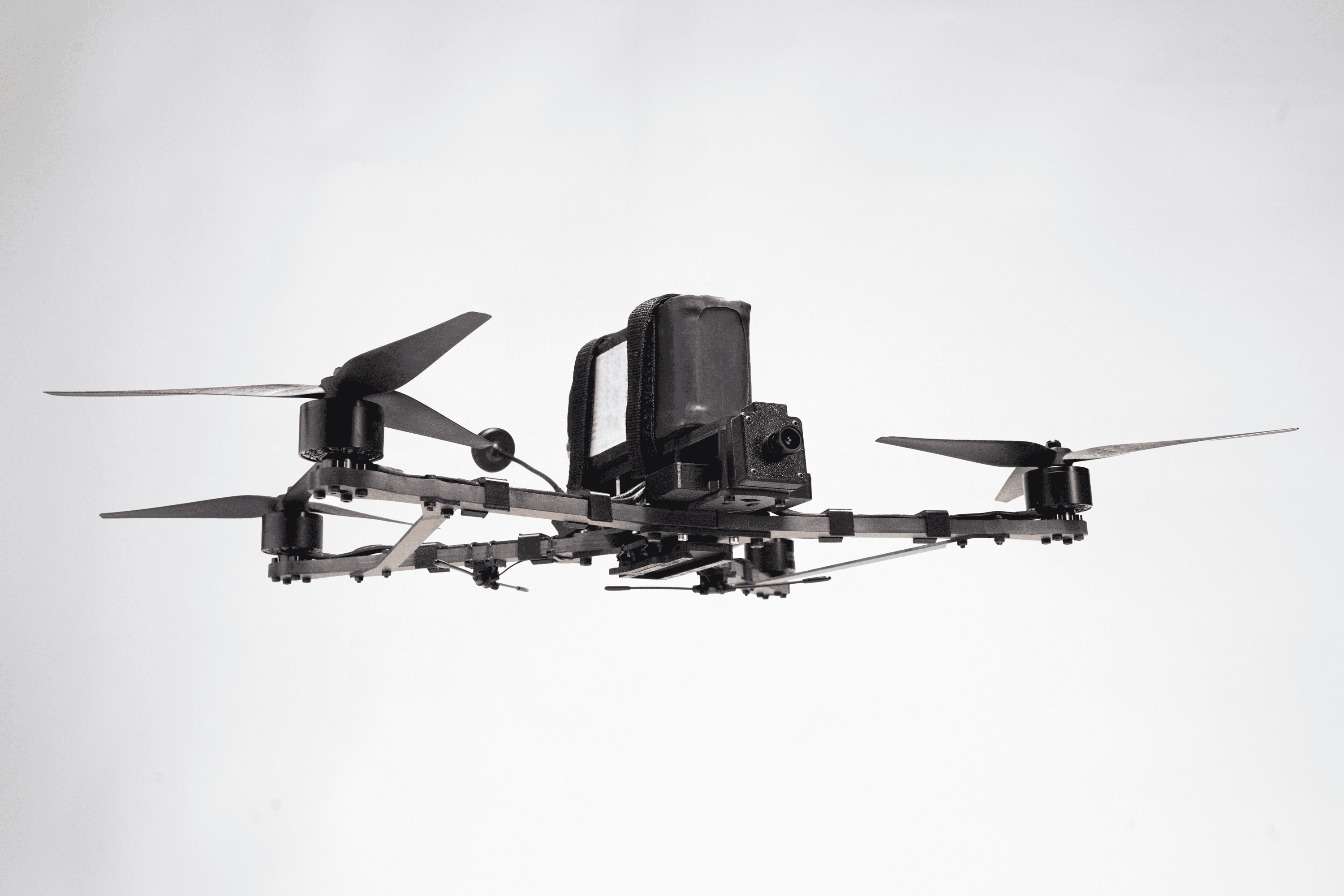
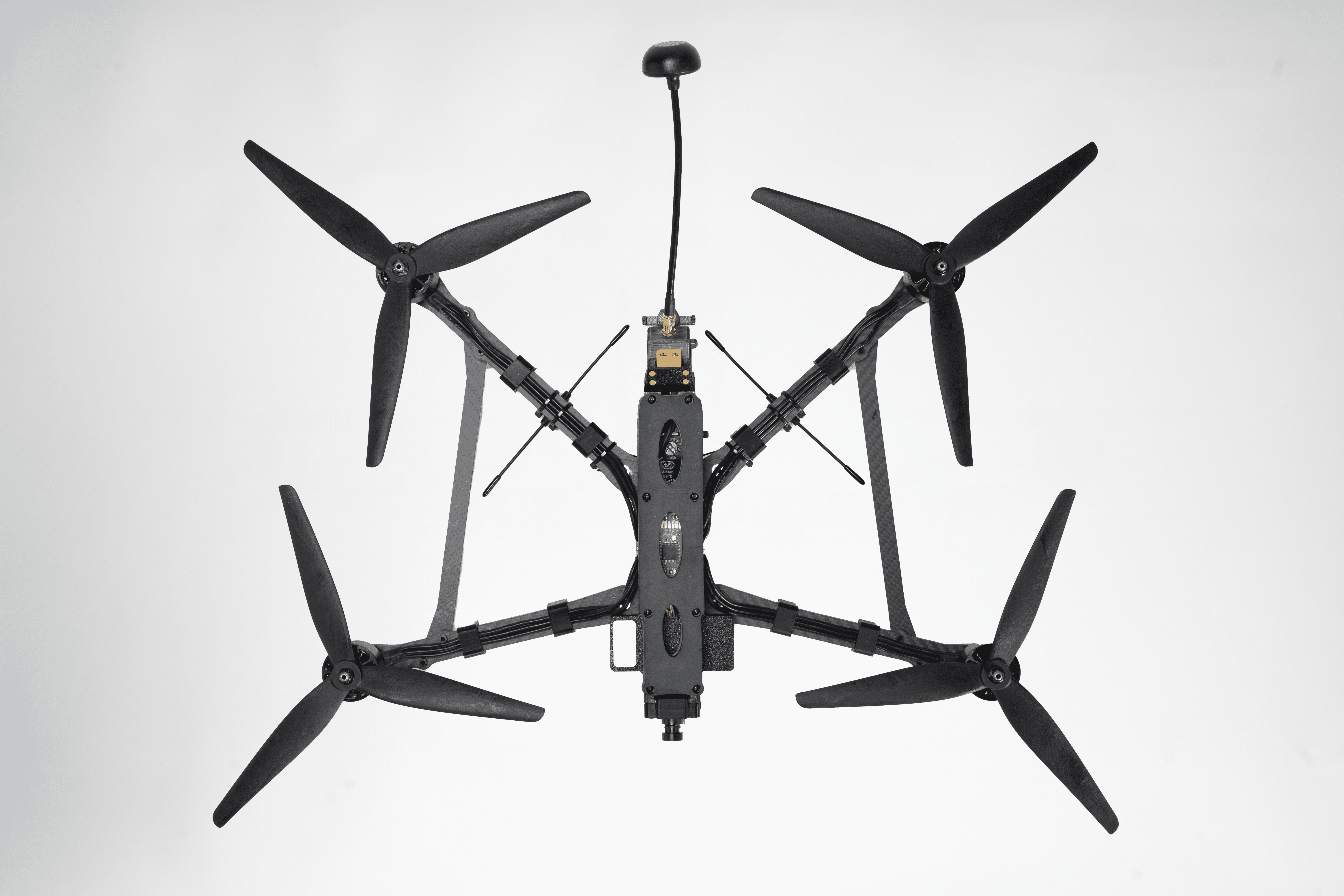
In a release, Ukrainian defense tech startup The Fourth Law (TFL) unveiled never-before-seen footage showing the battlefield deployment of its AI-powered TFL-1 autonomy module and Lupynis-10-TFL-1 drones, according to the information company shared with UNITED24 Media.
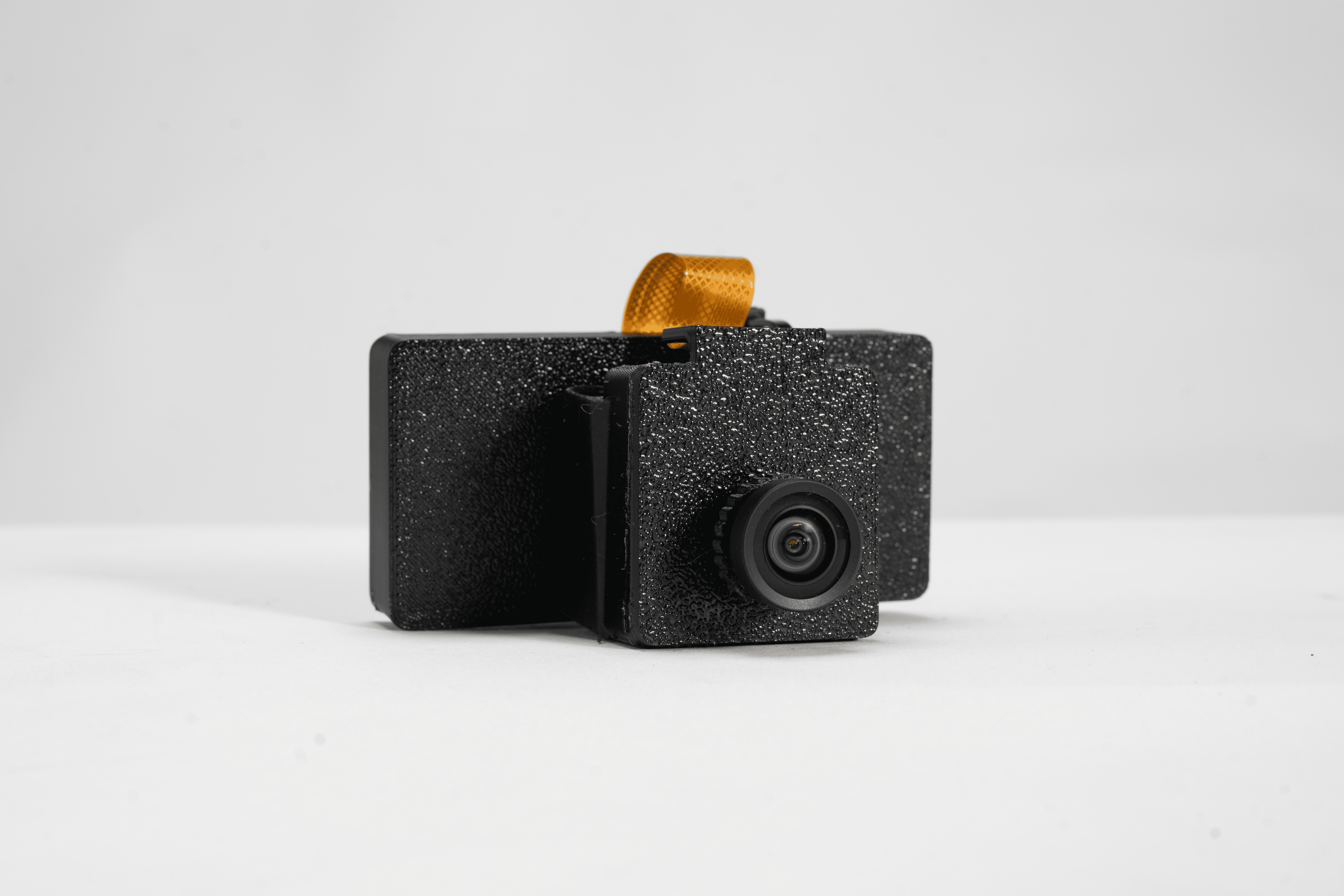
These systems are designed to give frontline FPV drones a key upgrade: terminal autonomy that vastly improves strike success rates, especially under heavy electronic warfare.
The company’s AI software takes over control in the final 500 meters of flight—an area where human pilots often lose contact due to jamming.
This upgrade, TFL says, boosts mission success by 2–5 times while adding only 10–20% to cost.
Funding backed by Western investors
TFL, founded in Kyiv in 2023, announced it has secured its first round of investment from a consortium of venture funds and angel investors across the US, EU, and Canada.
At this point, the company can produce hundreds of thousands of units of TFL-1 modules and drone systems monthly. This backing will help the company to fund further R&D and improve the autonomy of the next generation of drones.
“Massively scalable drone autonomy is the single most important defense technology of this decade,” said Yaroslav Azhnyuk, Founder and CEO of The Fourth Law.
“We’re doing the most important work of our lives, and the funding we’ve raised is an invaluable catalyst to the growing defensive capabilities of the Free World.”
-6403c946457b52fb65db46330ea2b5ec.png)
Combat-tested with Ukrainian forces
TFL’s technology has already been deployed widely by the Ukrainian Defense Forces, including by units like the 58th Motorized Infantry Brigade, which has operated drones equipped with the TFL-1 system since March 2025.
“It helps us overcome electronic warfare, jamming, acquire, and strike targets in challenging conditions,” said Colonel Ruslan Shevchuk, the brigade’s commander. “Our operational experience confirms it as a truly effective system.”
Mass production, modular integration, and beyond
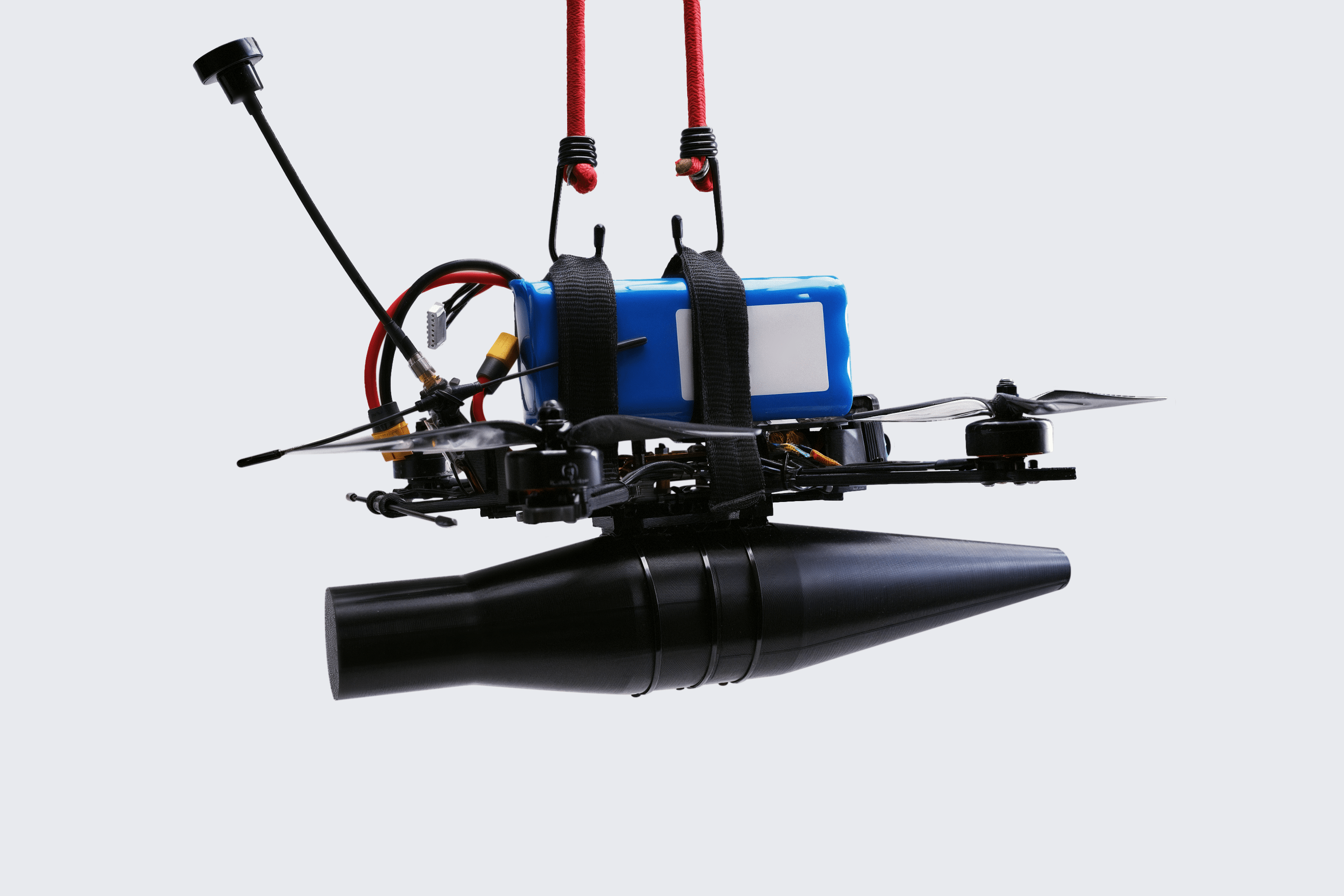
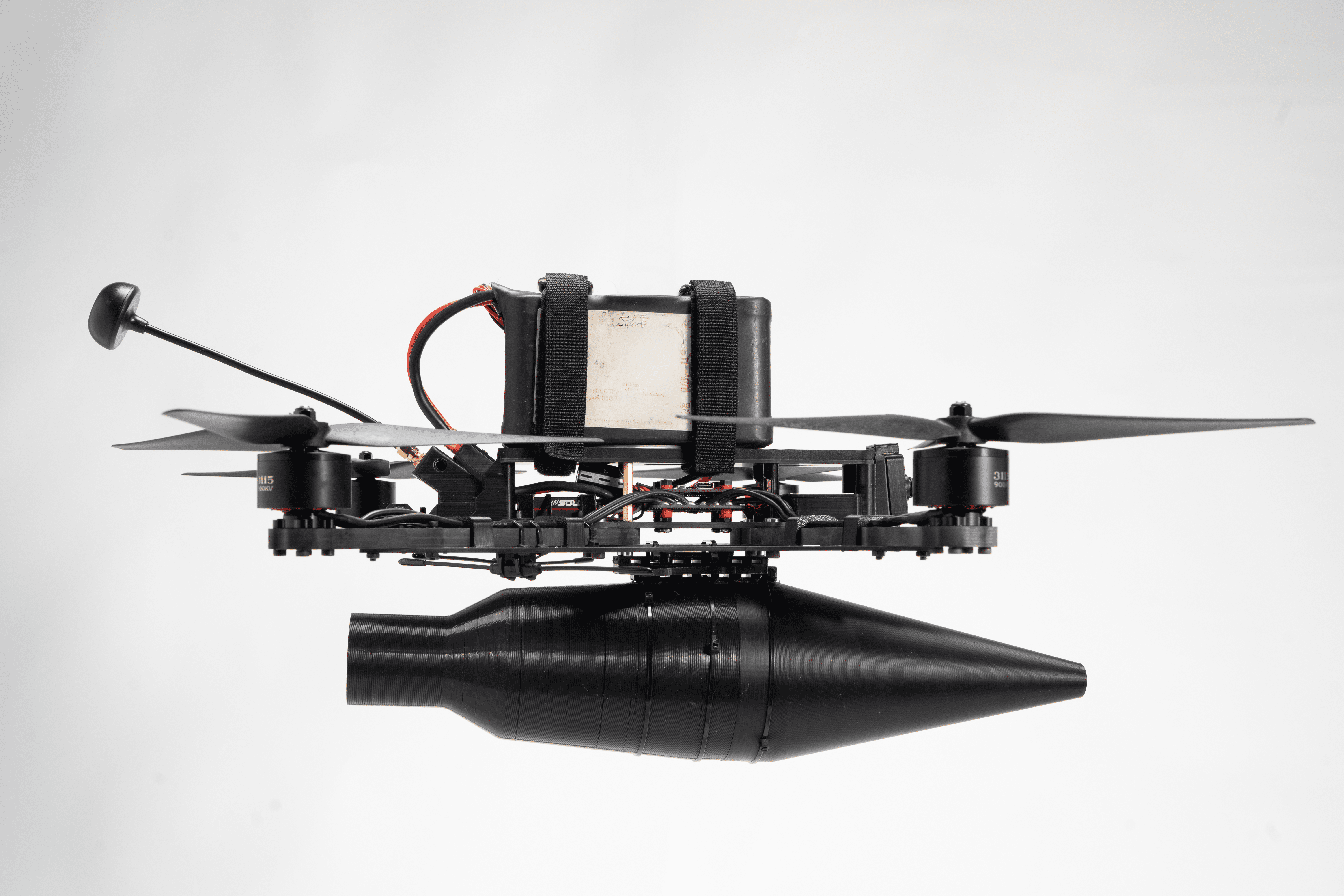
The TFL-1 module is designed for plug-and-play integration with existing FPV platforms. In addition to its own Lupynis-10-TFL-1 UAV, TFL’s autonomy tech is being integrated by over a dozen major drone manufacturers in Ukraine.
The Lupynis system includes single drones as well as full-scale UAS kits, each packing 100 AI-guided FPV drones, ground control units, and support gear.
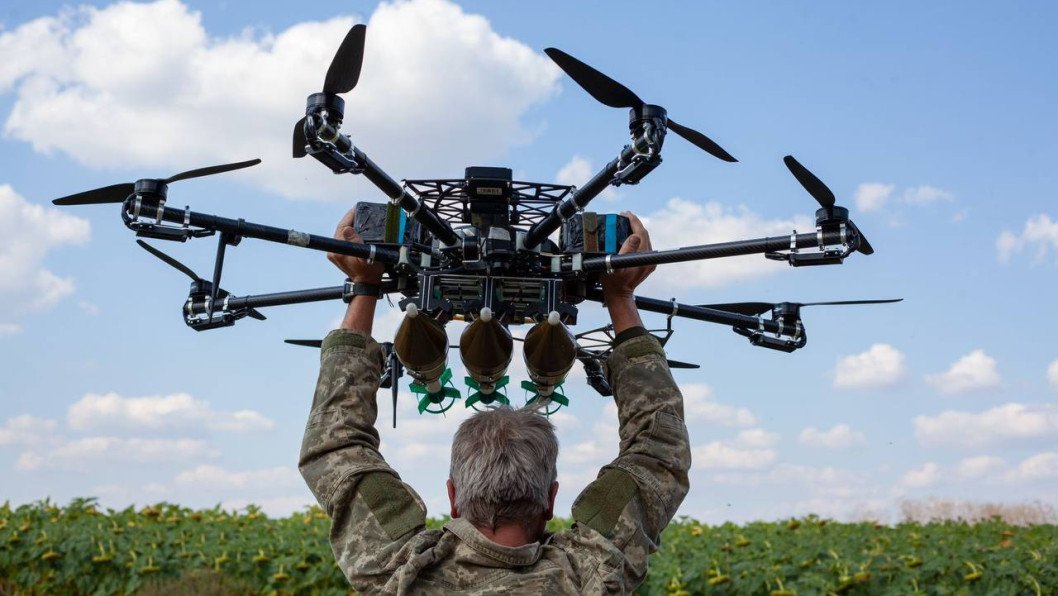
With a range of up to 30 kilometers carrying 1 kg payloads—or 3.5 kg over shorter distances—these systems provide Ukraine with a high-volume, low-cost precision strike capability that sidesteps the limitations of GNSS-reliant weapons.
Laying groundwork for the future of robotic warfare
The company outlines a five-stage roadmap toward full drone autonomy, ranging from terminal guidance and bombing to GPS-denied navigation, to fully autonomous takeoff, landing, and swarming capabilities. These technologies, TFL says, will eventually enable autonomous interceptors, carriers, and even drone nests.
Importantly, TFL emphasizes that the autonomy stack it’s building is platform-agnostic—applicable to quadcopters, fixed-wing drones, missiles, ground robots, and naval systems, with eventual civilian applications in logistics, agriculture, construction, and more.
About The Fourth Law
Founded by Yaroslav Azhnyuk, a serial entrepreneur known for launching Petcube and Fuel Finance, The Fourth Law builds massively manufacturable autonomous systems for FPV drones.

With offices in Ukraine, the US, and the EU, TFL operates at the intersection of defense robotics and dual-use innovation. Its name references Isaac Asimov’s famous Three Laws of Robotics—hinting at a necessary Fourth.
Earlier, Ukrainian special forces demonstrated footage of the “Lyut” (Fury) robot showcasing its capabilities on the frontlines of the Sumy region.
Discuss this article:



-c439b7bd9030ecf9d5a4287dc361ba31.jpg "Photo of Katherina Popilnichenko")