- Category
- Latest news
China Developing Indirect Fire Capabilities for Tanks, Following War in Ukraine Trends
 Prefer U24 Media on Google
- Authors


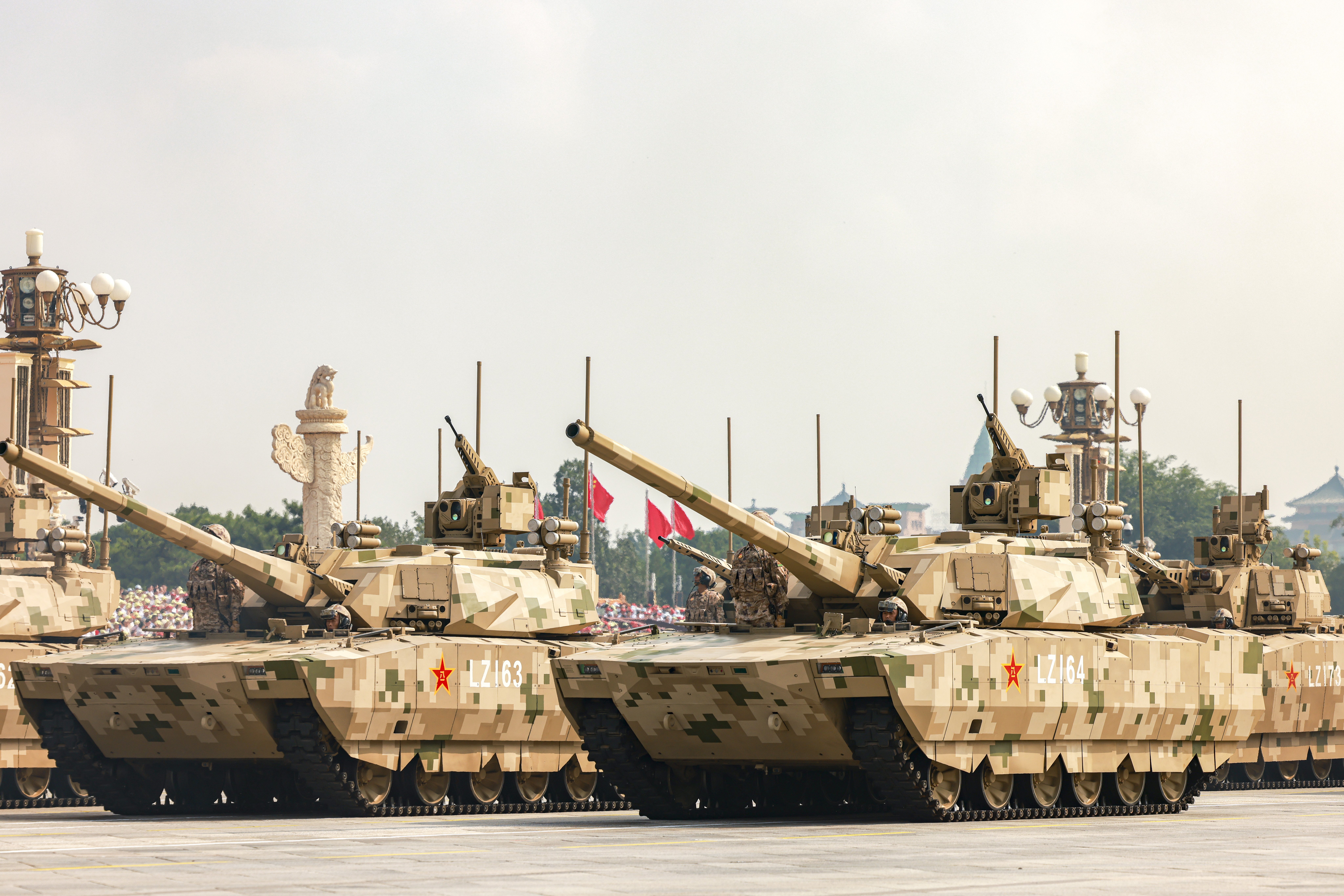
China is preparing to use tanks as improvised self-propelled artillery systems for indirect fire missions—a tactic it aims to adopt as a standard approach on the battlefield both now and in the future.
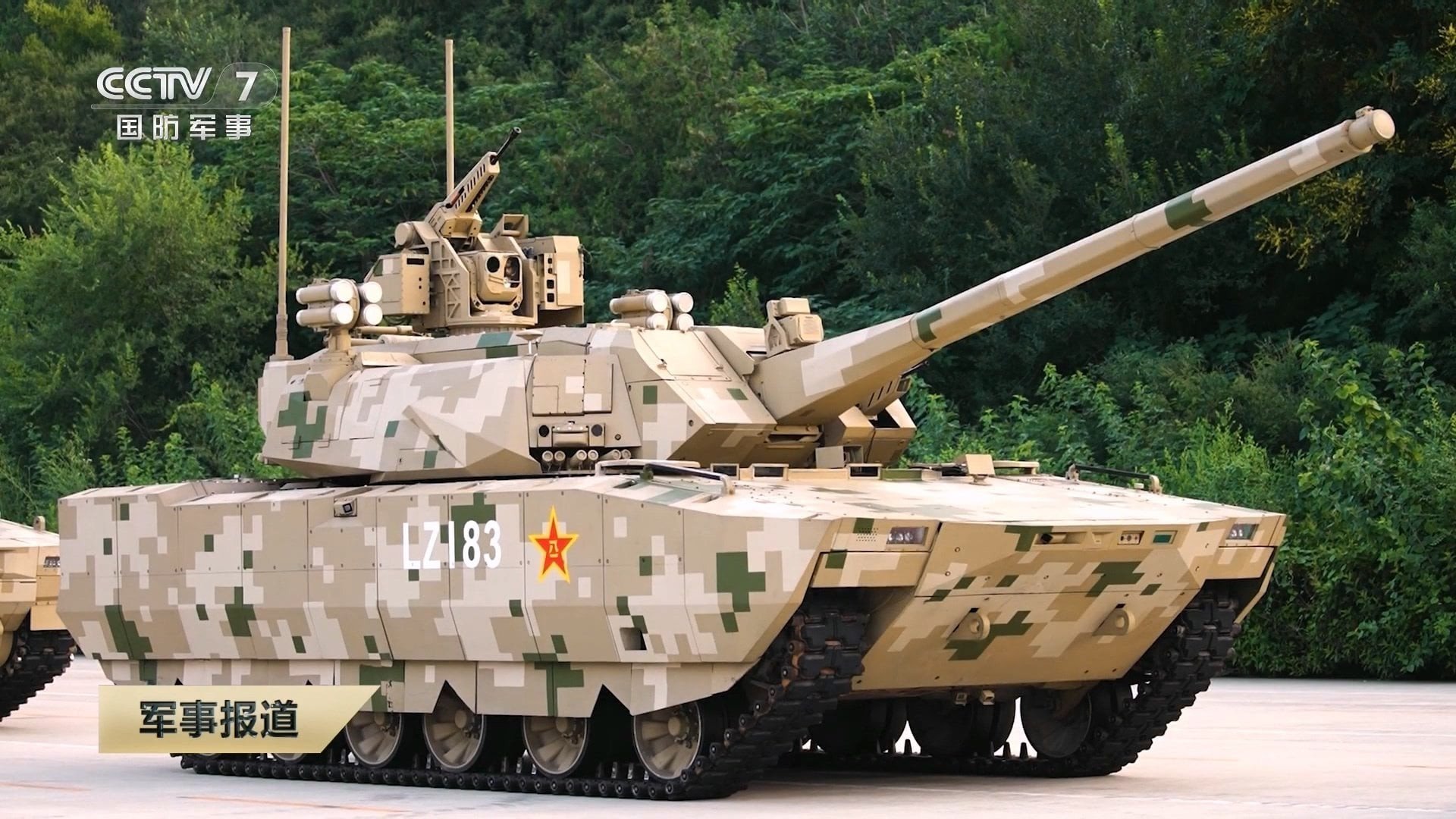
According to Defense Express on October 14, citing official newspaper of the Chinese military, the newly unveiled Type 100 main battle tank may be equipped with additional sensors and radar to enable indirect fire capabilities.
The report cited comments from a tank unit commander in an unspecified brigade. However, Defense Express notes that such statements may carry a propaganda element, as they were published through official military channels.
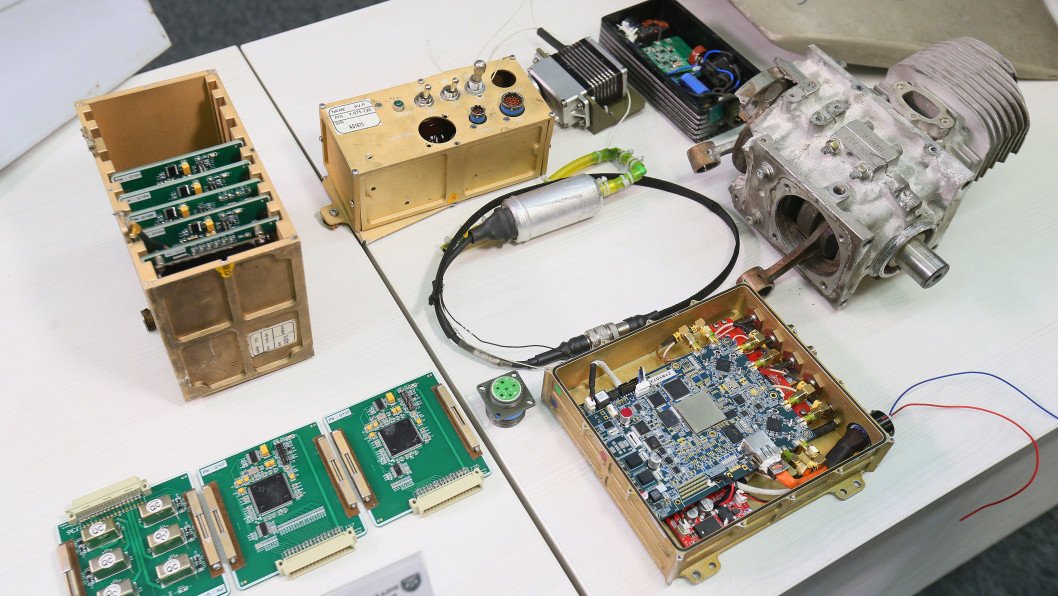
The concept of using tanks for indirect fire has already become common in the ongoing Russian war against Ukraine. This trend stems from the positional nature of the fighting and the widespread presence of drones on the battlefield.
Unmanned systems accelerate target detection and engagement while also enabling real-time correction for long-range fire assets, such as artillery and other drones
In a related development, China has also filed a patent for modular protective armor on infantry fighting vehicles (IFVs) that closely mirrors Ukrainian battlefield solutions.
According to Defense Express on September 8, the new design reflects lessons learned from the extensive use of drones in the war against Russia. The patent describes a layered composite grid mounted on the exterior of the vehicle, featuring dual-layered anti-drone meshes with a 50–60 cm gap along the sides, 10 cm above the hull, and up to 80 cm above the so-called “cage” structure.
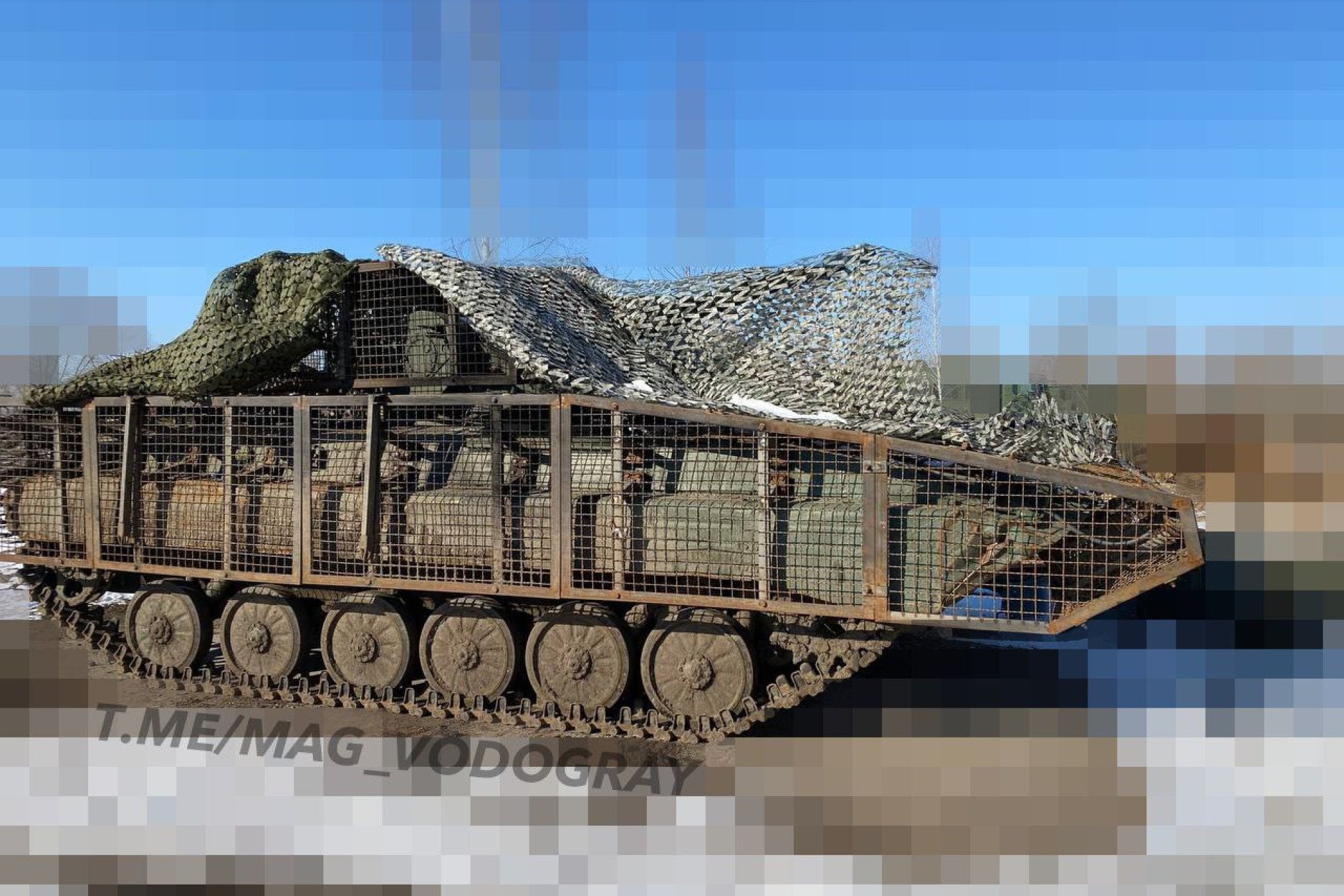
This spacing is intended to disrupt FPV drones and reduce the effectiveness of shaped-charge munitions. The design also includes a deployable mesh hood similar to those installed on Ukrainian BMP-1TS vehicles, composite plating over the troop compartment—traditionally a vulnerable area—and options for mounting ceramic or even explosive reactive armor, resembling Western designs such as the US Bradley currently in Ukrainian service.
Earlier, Russian and Chinese submarines conducted their first-ever joint patrol in the Asia-Pacific region, marking a new stage in deepening naval cooperation between the two countries.
The exercise involved diesel-electric attack submarines operating across the Sea of Japan and the East China Sea, demonstrating growing maritime interoperability as Moscow and Beijing expand military coordination amid heightened regional tensions.
Discuss this article:


-c439b7bd9030ecf9d5a4287dc361ba31.jpg "Photo of Katherina Popilnichenko")