- Category
- Anti-Fake
Bugged Apartment and Systematic Violence in Russian Captivity—New Findings in the Case of Viktoriia Roshchyna
 Prefer U24 Media on Google
- Authors


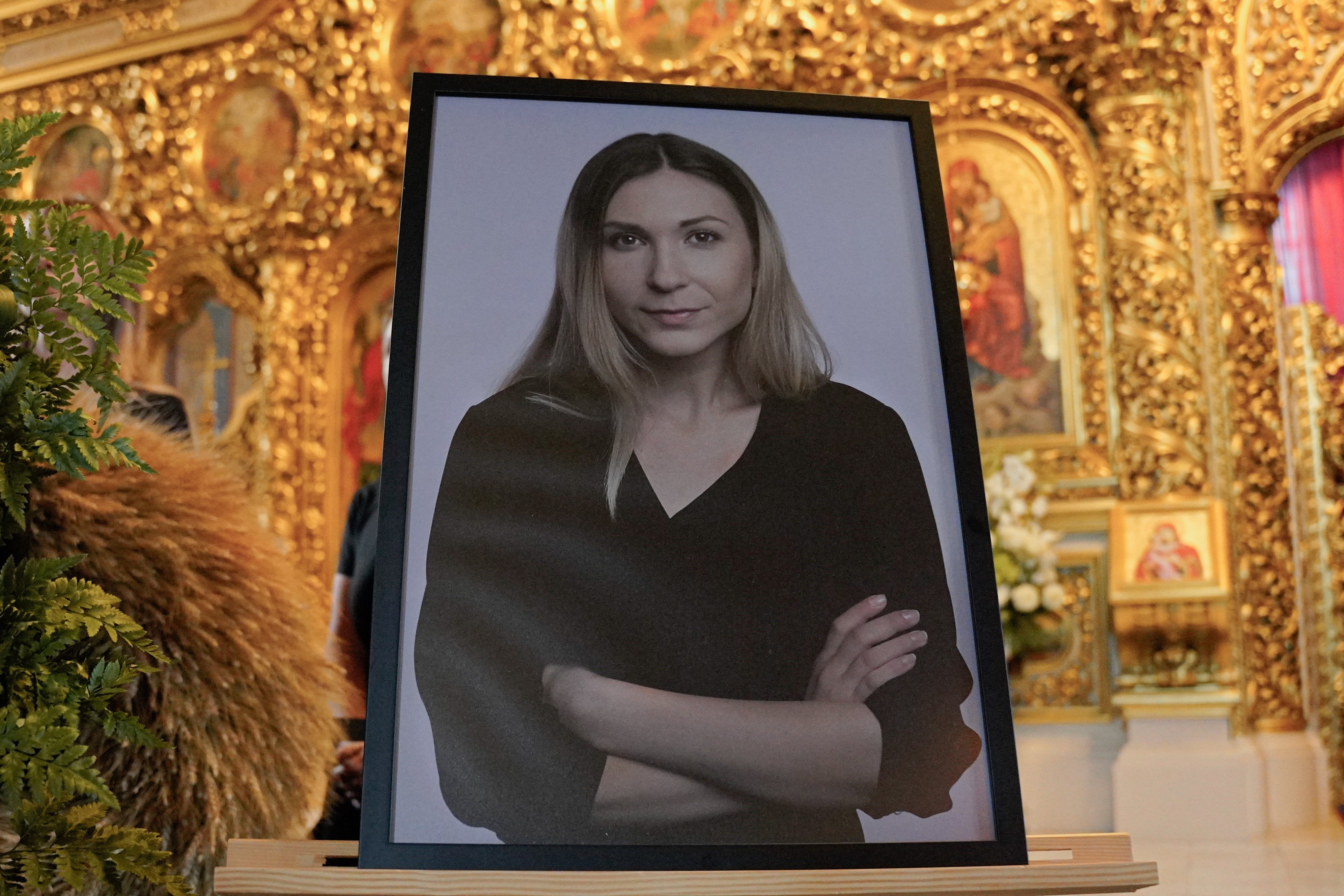
A rented apartment in occupied Enerhodar, where Ukrainian journalist Viktoriia Roshchyna stayed in August 2023, may have been equipped with audio surveillance and monitoring devices.
The testimony was presented at a session of the Temporary Investigation Commission of the Verkhovna Rada on crimes committed by Russia against media by Dmitry Shevchuk, head of the Investigative Crimes Department of the National Police’s Main Investigation Directorate on May 26.
We bring you stories from the ground. Your support keeps our team in the field.
In October 2023, it emerged that Ukrainian journalist Viktoriia Roshchyna, 27, had gone missing after disappearing on August 3, 2023, while reporting from Russian-occupied territory in Ukraine. Russia acknowledged her detention only in April 2024, when her father received a letter from the Russian Ministry of Defense. Months later, Russian authorities informed the family that Roshchyna had died.
According to Shevchuk, Roshchyna arrived in Russian-occupied Enerhodar, Zaporizhzhia region, on August 1, 2023.
“Regarding the purpose of her trip—she wanted to cover information about places of confinement and illegal detention of civilians. She had information about the then-seized police department, as well as the area of the Zaporizhzhia nuclear power plant. That was her main idea for the visit,” he said.
Investigators said that on August 4, the journalist rented an apartment in the city, and contact with her was lost the same day.
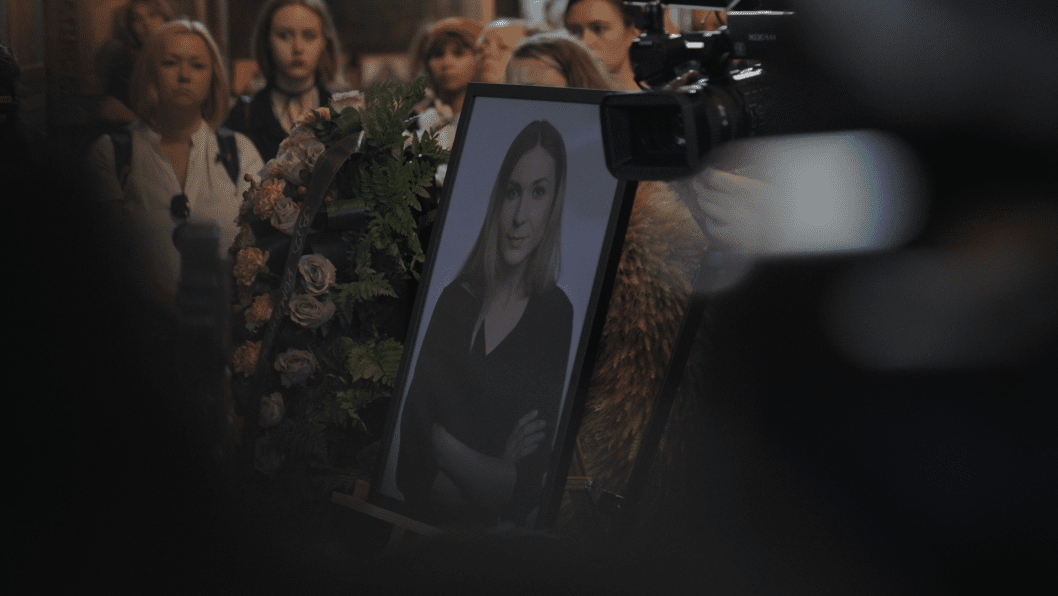
“According to information that is still being verified, this apartment may have been equipped with audio recording and surveillance devices. In general, the investigation adheres to the version that from the moment she crossed the border into the territory of Russia she may already have been under surveillance,” Shevchuk said.
The commission also reported that during Roshchyna’s detention in pre-trial detention center No. 2 in Taganrog, Russian forces broke her occipital bone. It was also stated that her planned prisoner exchange prior to her death may have been halted by representatives of the FSB in Moscow. According to Shevchuk, the fracture of the occipital bone was identified during forensic examinations.
-4acd8be60e8bb7a4df32e20b087d5341.jpg)
He added that Roshchyna was subjected to systematic violence in captivity for demanding adequate detention conditions, including proper food, and for refusing to sing the Russian national anthem.
She was held in cell No. 124 in conditions described as unsanitary. There was no hot water, meals were limited to three minutes during which she also had to wash dishes, and she was forbidden from sitting or lying down from morning until lights out. Violations of these rules were reportedly met with physical violence.
The National Police said that during her transfer to the detention facility in Kizel, Russia, Roshchyna was in critical condition and in constant need of medical assistance. Law enforcement officials established that the head of the detention facility was aware of her severe condition but continued to maintain conditions that further worsened her state.
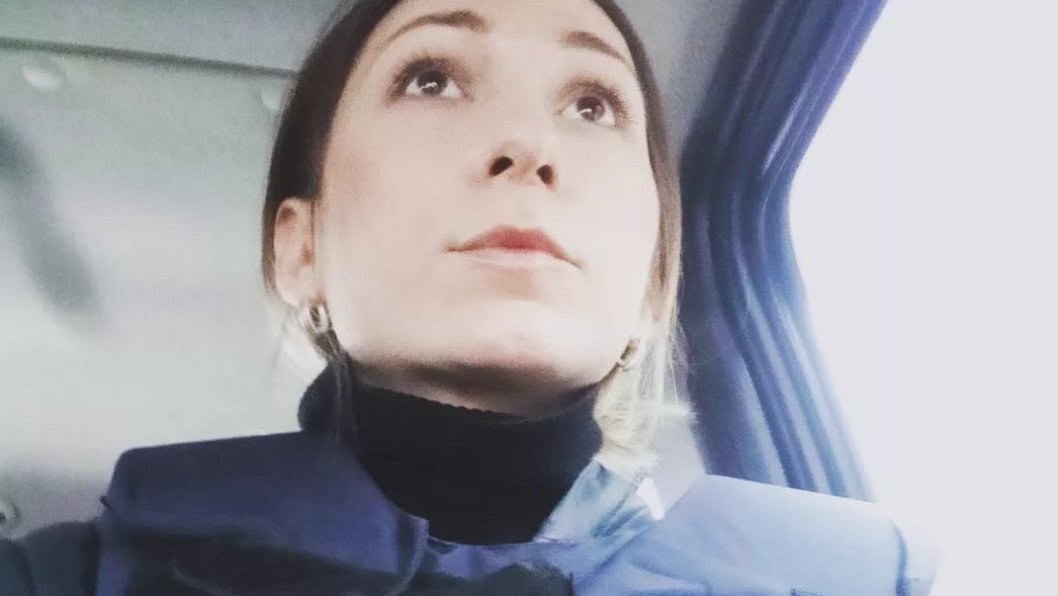
In April 2025, an international investigation has found that the body of Ukrainian journalist Viktoria Roshchyna, who died while in Russian captivity, was returned to Ukraine without several internal organs, raising concerns that this may have been done to obscure the cause of death.
According to a joint investigation by Forbidden Stories and 13 international media organizations, Roshchyna’s body was repatriated to Ukraine on February 14, 2025, as part of a transfer of 757 fallen Ukrainians. Russian documentation identified the remains, listed as number 757, as an “unidentified male.”
Discuss this article:


-72b63a4e0c8c475ad81fe3eed3f63729.jpeg "Photo of Cyril Barabaltchouk")

-074d33c70590226f6d1d6765f9d72107.png "How Pro-Kremlin Accounts Used a False Claim About UNITED24 to Target Ed Sheeran")
-ca301aaac45bd8b16406c401e7f93e94.jpg "As Russia Heads Into Parliamentary Elections, Meet the Foreign “Observers” Giving Them a Potemkin Veneer of Legitimacy")