- Category
- War in Ukraine
Russia Killed Ukrainian Journalist Viktoriia Roshchyna, Yet Her Memory Lives On
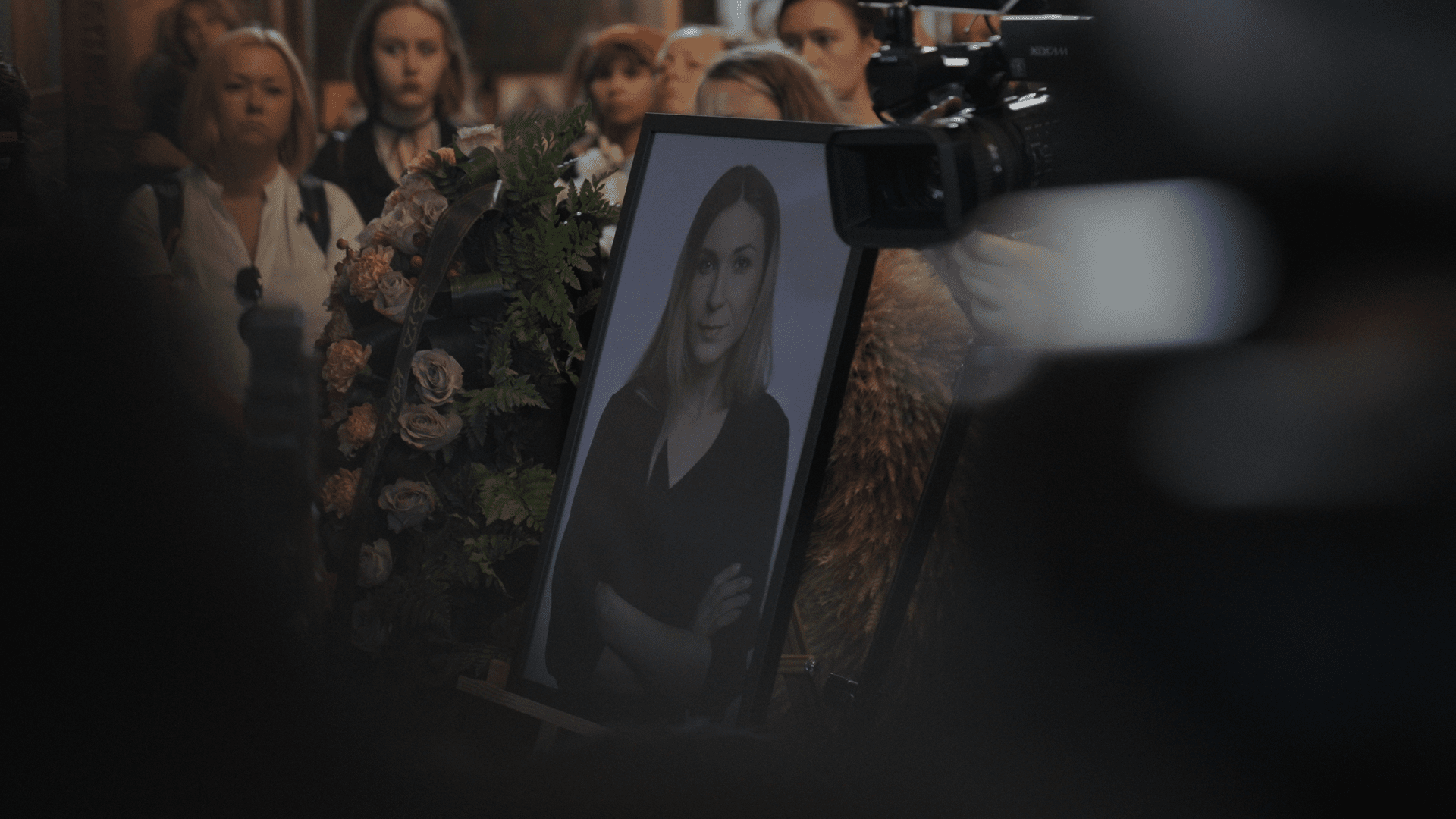
Ukrainian journalist Viktoriia Roshchyna was held, tortured, and killed in Russian captivity. Now, her country comes together to say goodbye.
 Prefer U24 Media on Google
- Authors

-73e9c0fd8873a094288a7552f3ac2ab4.jpg "Photo of Olena Blizniakova")
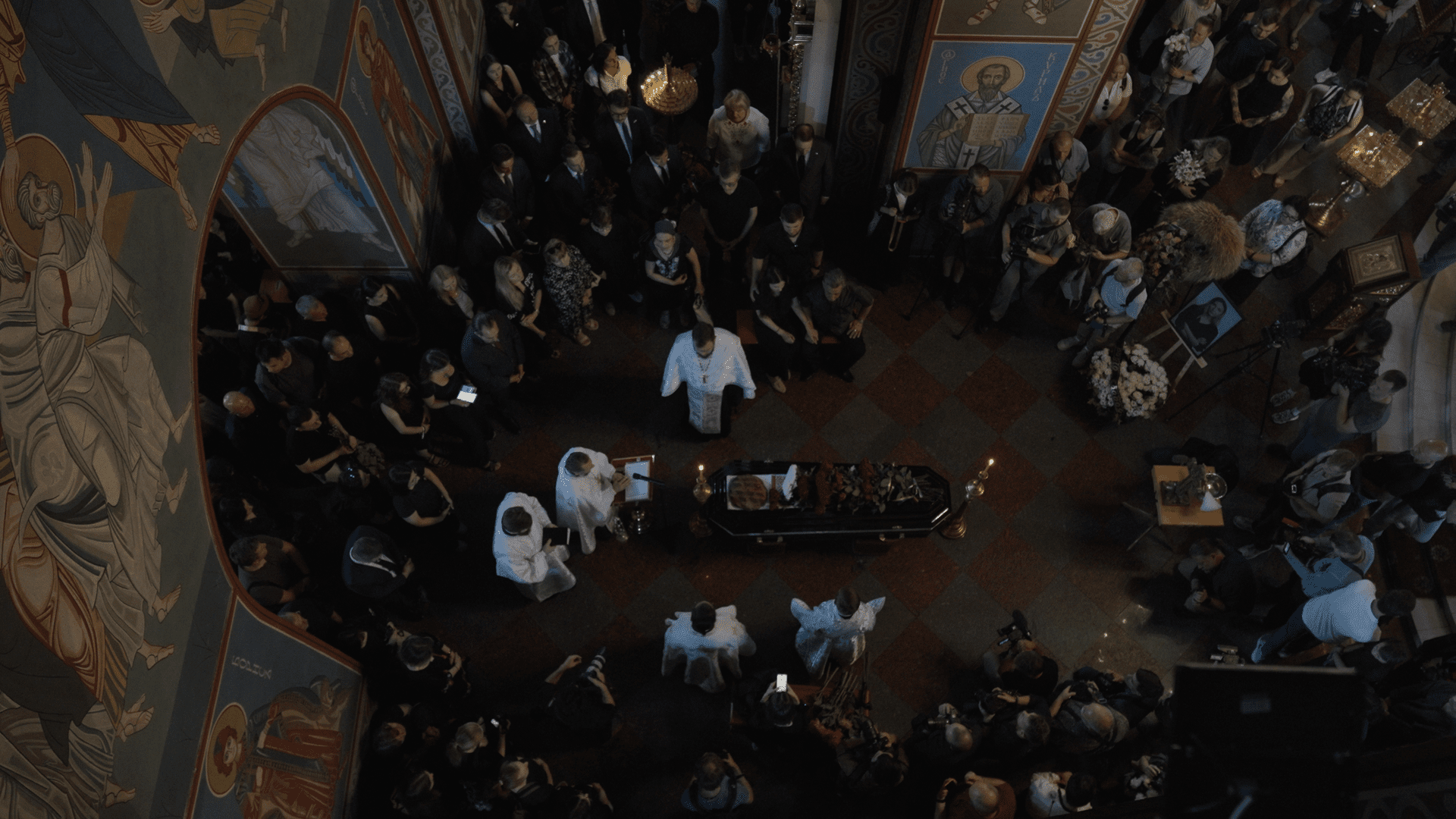
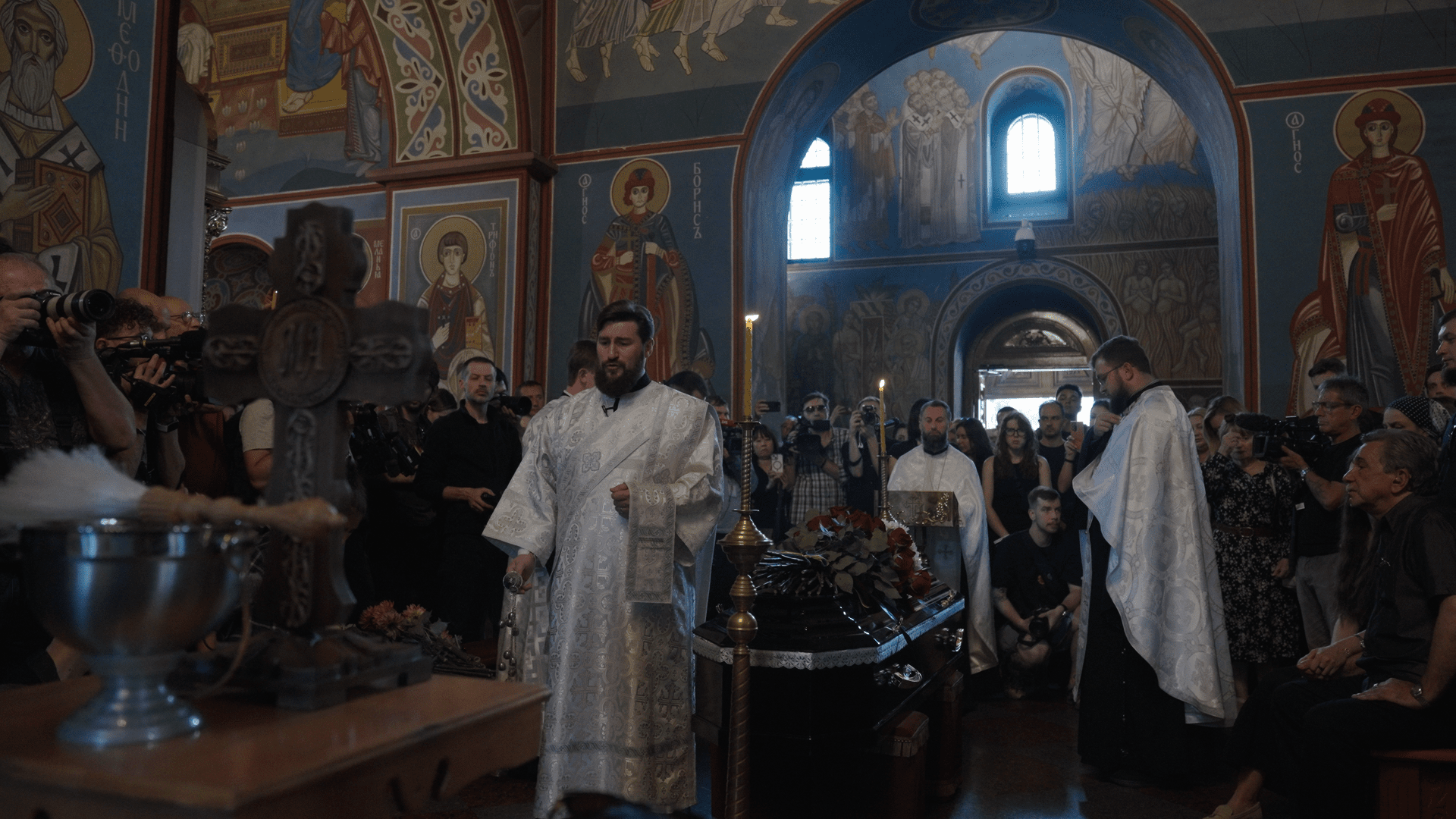
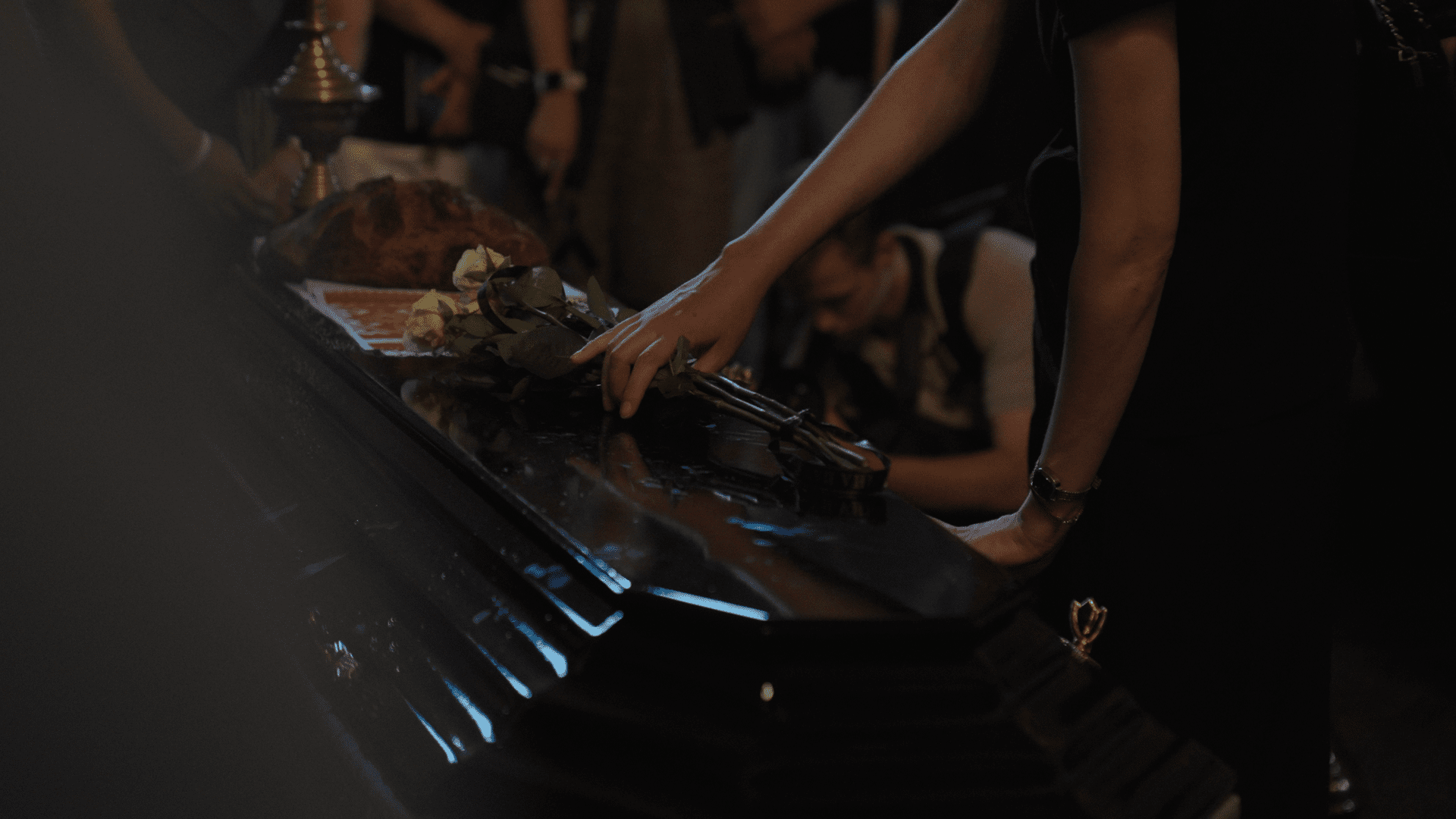
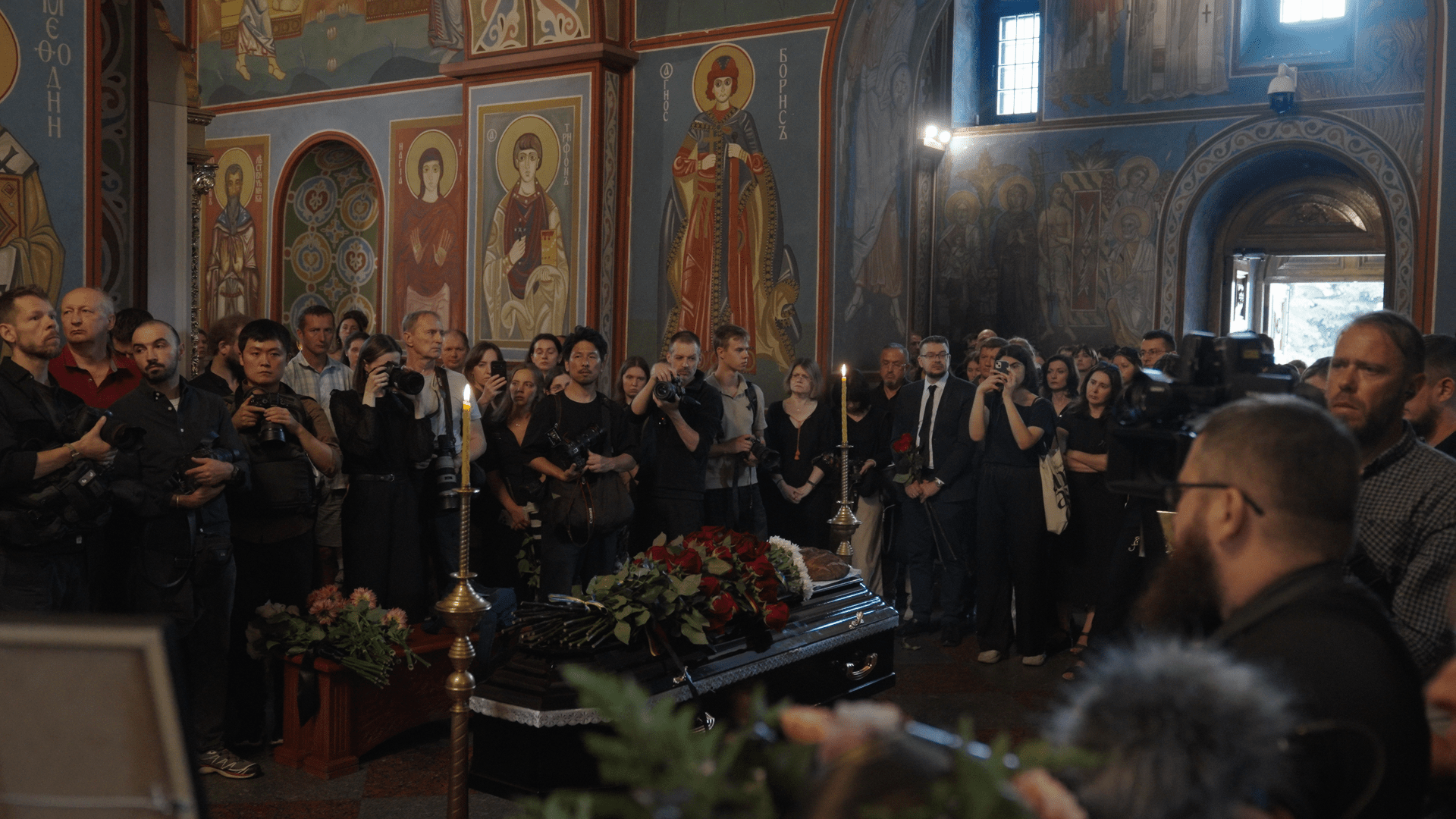
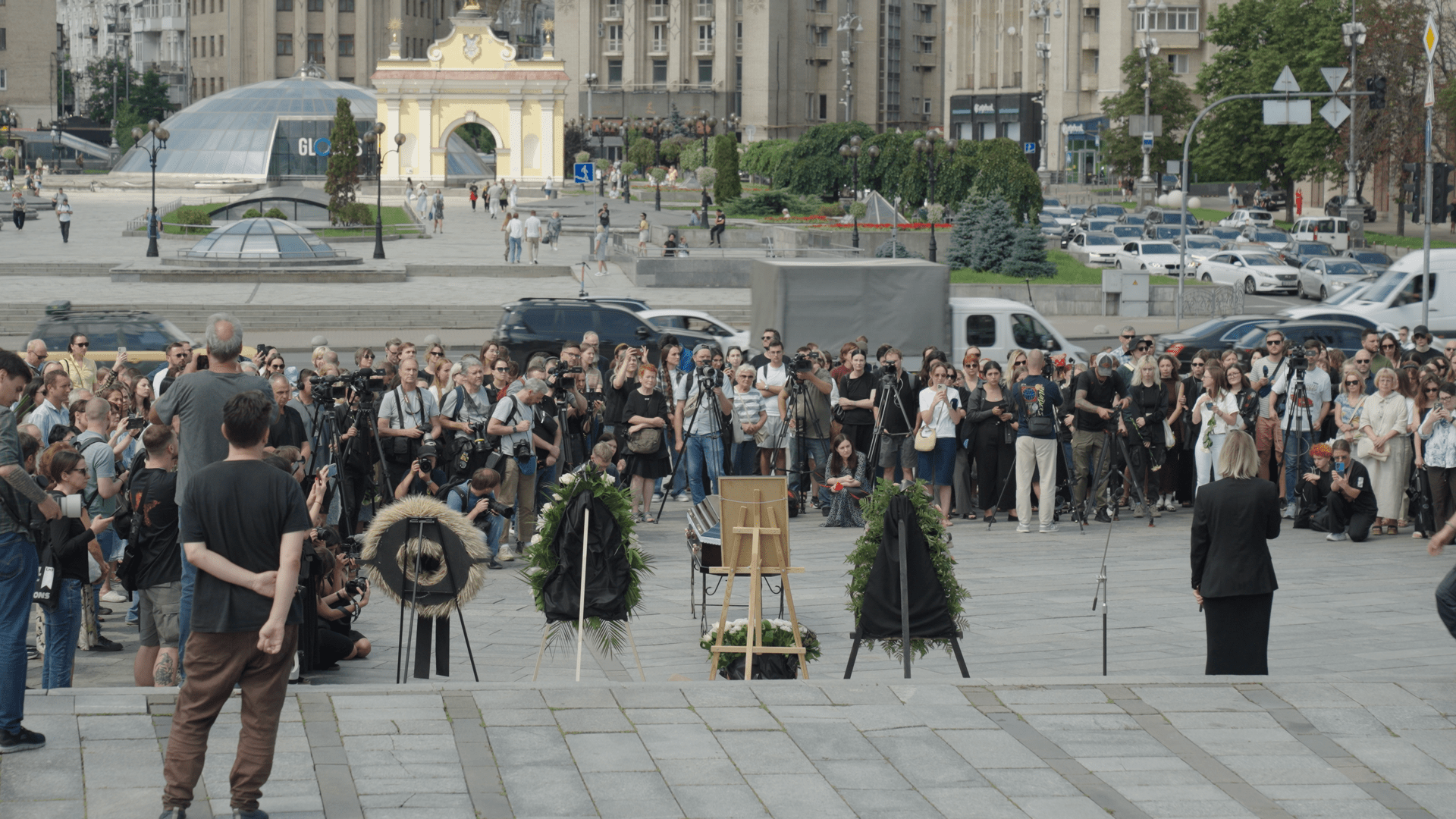
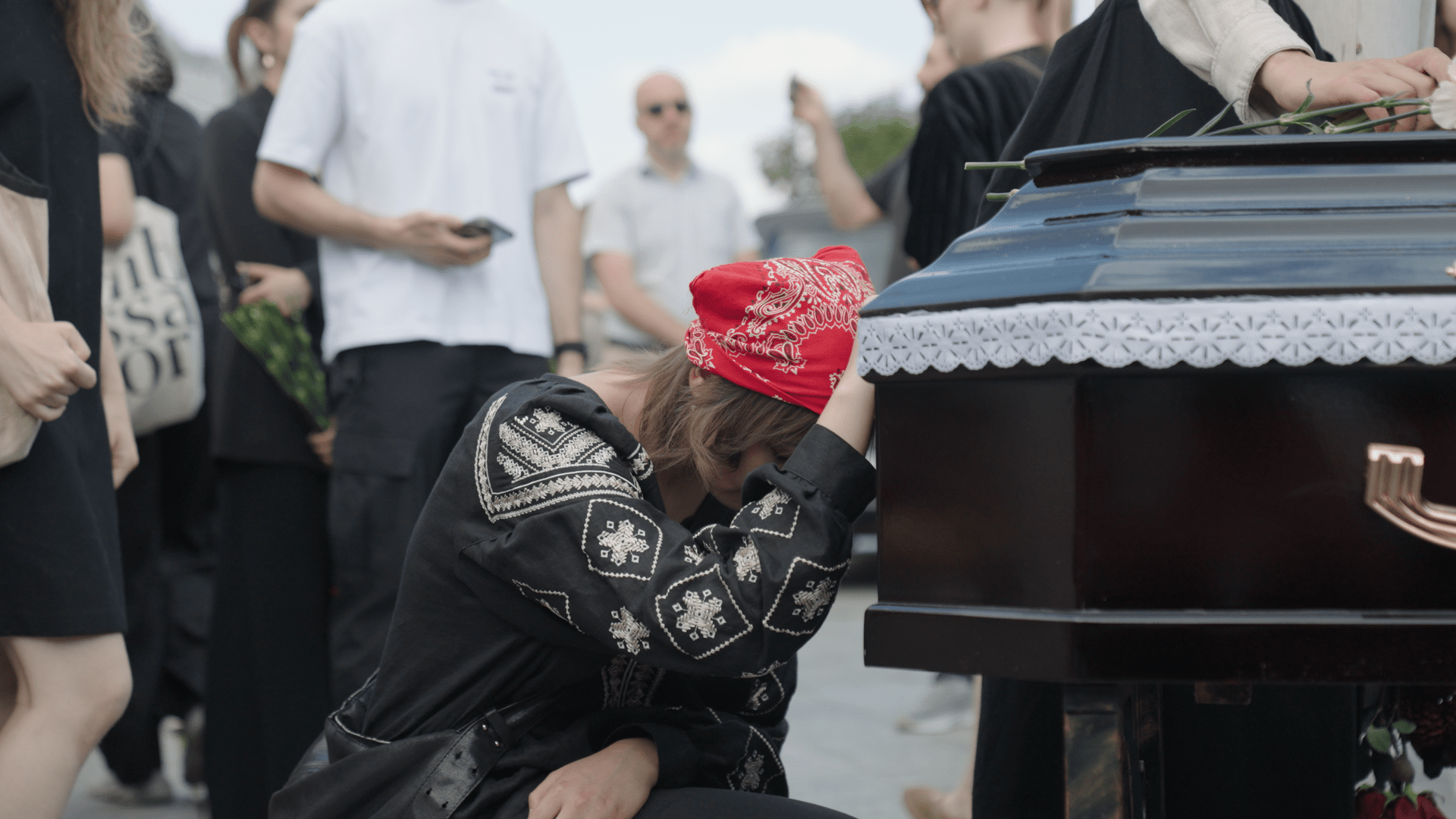
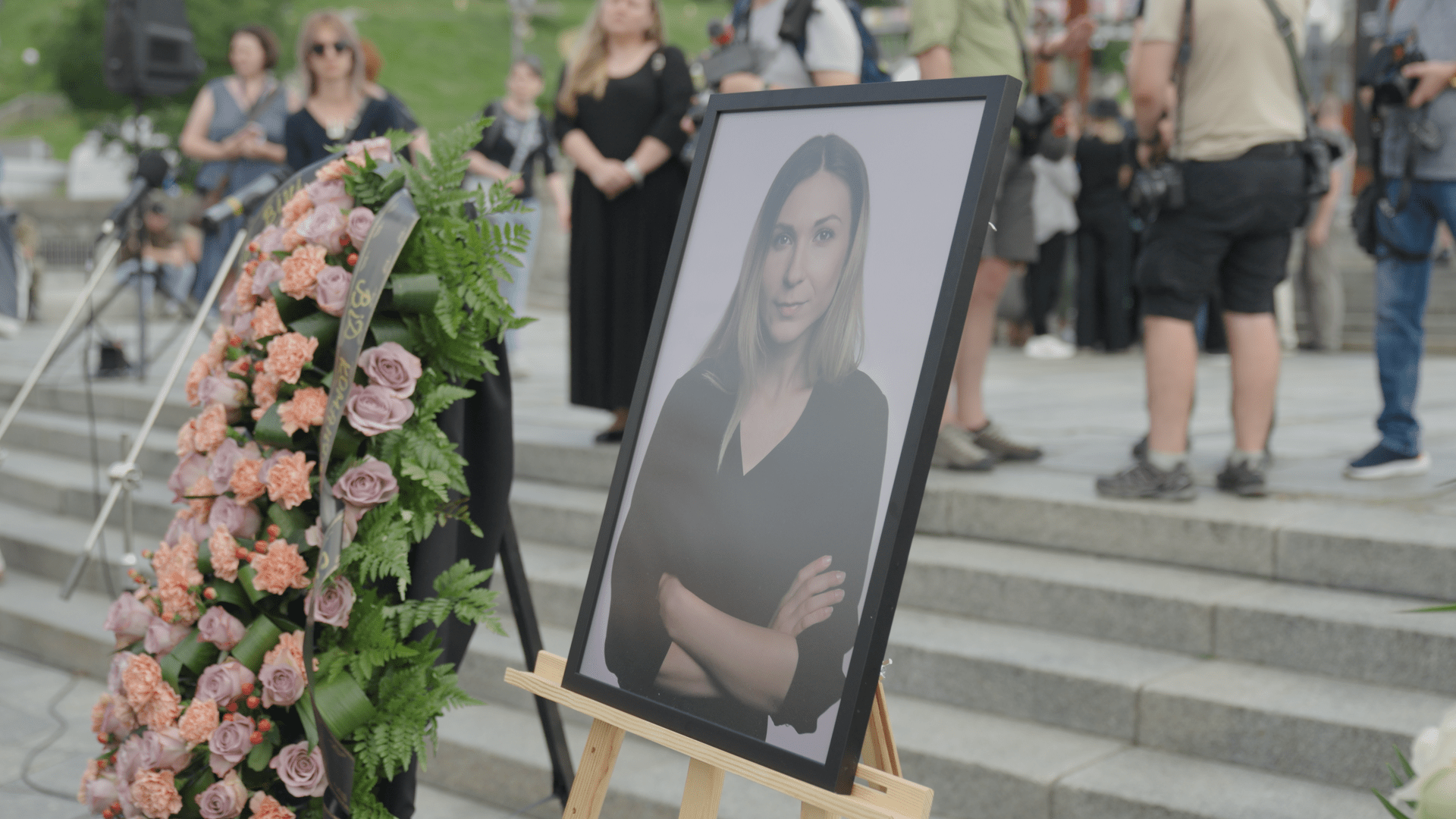
Hundreds of people gathered at St. Michael’s Golden-Domed Monastery in Kyiv around noon on Friday. Among them were scores of journalists, holding microphones in one hand and flowers in the other. After a church ceremony, the crowd followed the hearse down the hill to Maidan—Independence Square—to say their last goodbyes to Viktoriia Roshchyna, a Ukrainian journalist who was killed while in Russian captivity.
Her best friend was her work
“My first impression of Vika—I didn’t understand what was happening or why,” said Oleksii Nikulin, a videographer from the Ukrainian news outlet hromadske, recalling his first meeting with Viktoriia Roshchyna after she joined the team. They went on a field trip—the first of many reports they would make together. “It felt like a movie, something like ‘We’re following that car.’ She seemed to me to be incredibly focused on what she was doing.” His first impression wasn’t wrong, as the young man added: “I realized that I hadn’t met any other journalist as focused on their work as she was.”
Viktoriia, or like many called her—Vika, had an attitude to work that is reflected on by almost everyone she knew. “Her best friend was her work,” another colleague from hromadske, Oleksandra Zakharchenko said. The two of them used to sit next to each other in the newsroom. “All of us love her, because she was a really hard worker, and super kind, empathetic and she would always text me, ‘How are you? Shall I bring you some coffee?’
Viktoriia’s death is a great loss to all Ukrainians and to all journalists Oleksandra stressed. “She was so humble all the time, but I knew she was doing something very important for all of us.”
“I never heard her complain about being hungry, that she wanted to sleep, or that she was tired. She never took time off work,” Angelina Kariakina, former Chief Editor of hromadske said. Among the things she learned from Vika in the three years they worked together, was how not to complain, adding: “the only thing Vika ever complained about was being denied access to information.”
Information was the very thing that urged Viktoriia, in particular, to go to the temporarily occupied Ukrainian territories. Since the first days of Russia’s full-scale invasion, she had committed herself to uncovering the realities of life under occupation.
Her first detention in March 2022 didn’t even stop her pursuits, when Vika was seized by Russian FSB agents while reporting from the temporarily occupied Berdiansk. She was held for a week before being released—but not before recording a video under duress, declaring she had no complaints against the Russian security services. After that incident, both her family and her colleagues asked her to stop going to the Russian-occupied territories. But she resolutely went ahead with her work.
Put people’s stories above all else
“In the summer of 2023, Viktoriia called me every morning, because two teenagers—Tihran and Mykyta—had been shot in Berdiansk”, recalled Sevgil Musaieva, Chief Editor of Ukrainska Pravda, another media outlet Viktoriia worked for. “She was so deeply affected by this story, it left such an impression on her. Just imagine—she called the police in occupied Berdiansk from Kyiv every day, trying to help the families get their sons' bodies back.” Viktoriia would probably have wanted to meet those families when she planned her last visit to the temporarily occupied territories, Musaieva added.
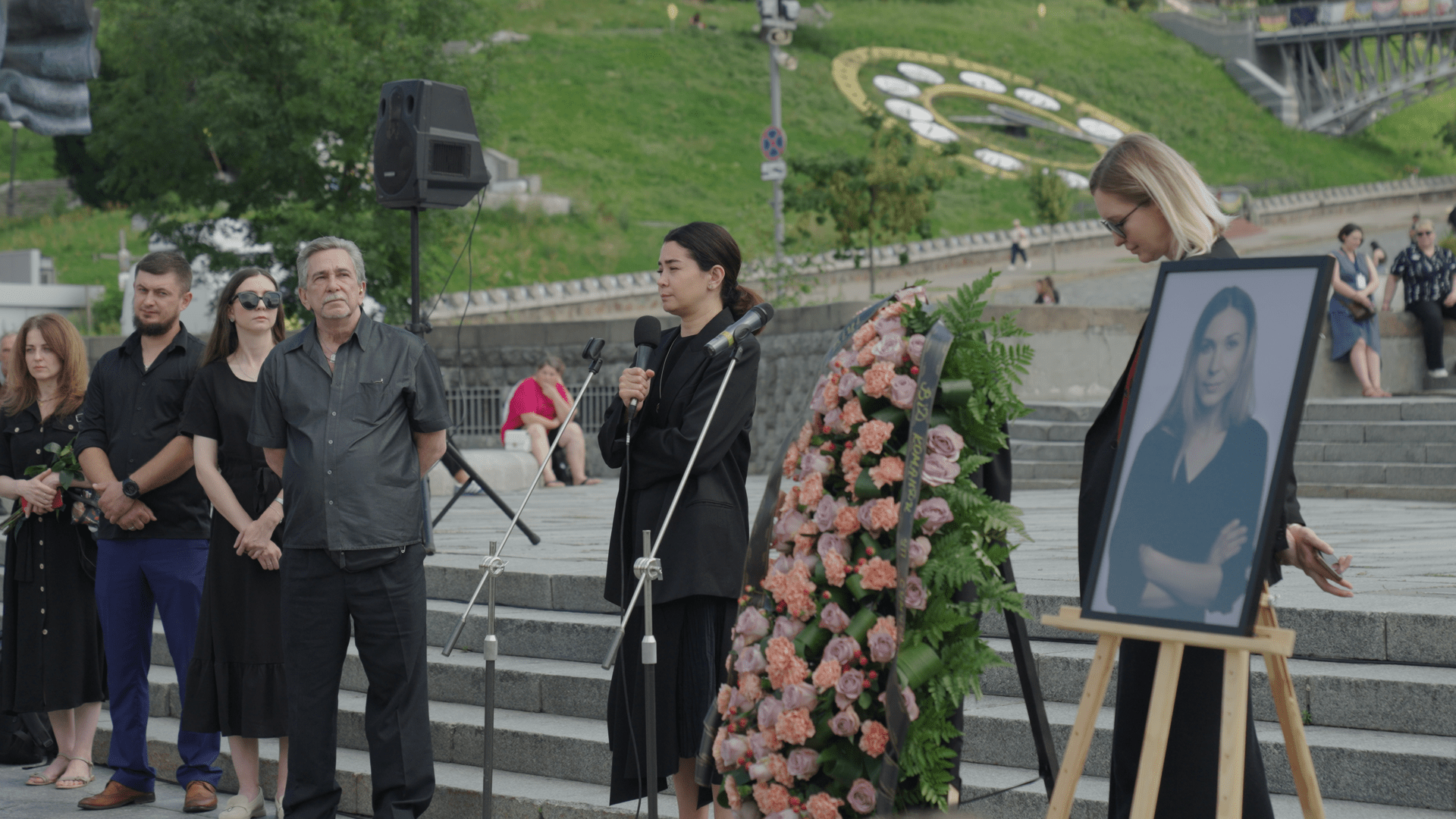
“She left an impression of a determined person, who worked beyond what was required”, says Yevheniia Kapalkina, the Roshchyna family lawyer. She took on the case in August 2023, back when no one knew where Vika was being detained. “She was someone who saw her purpose as being useful to her country, to the people. But first and foremost, to the people.” As of August 2025, investigations are still ongoing, according to Kapalkina.
“She put the stories of people from the occupied territories above all else—it was entirely about service and the people,” said Musaieva.
In 2022, Viktoriia was named a laureate of the International Women’s Media Foundation "Courage in Journalism" award but missed the ceremony in the United States. “She said she didn’t have time and didn't manage to get a visa because she was working,” Musaieva said. “Instead of arranging the visa, Vika went to the occupied territories in September 2022 to cover the referendums being held by the Russian Federation and the occupying authorities.”
“She always took everything she was investigating and did very seriously,” recalled Oleksandra Ochman who worked with Viktoriia a few years ago. “She was very concentrated and followed through on all her cases from the beginning to the end. She was really into journalism as the main focus of her life, I would say.”
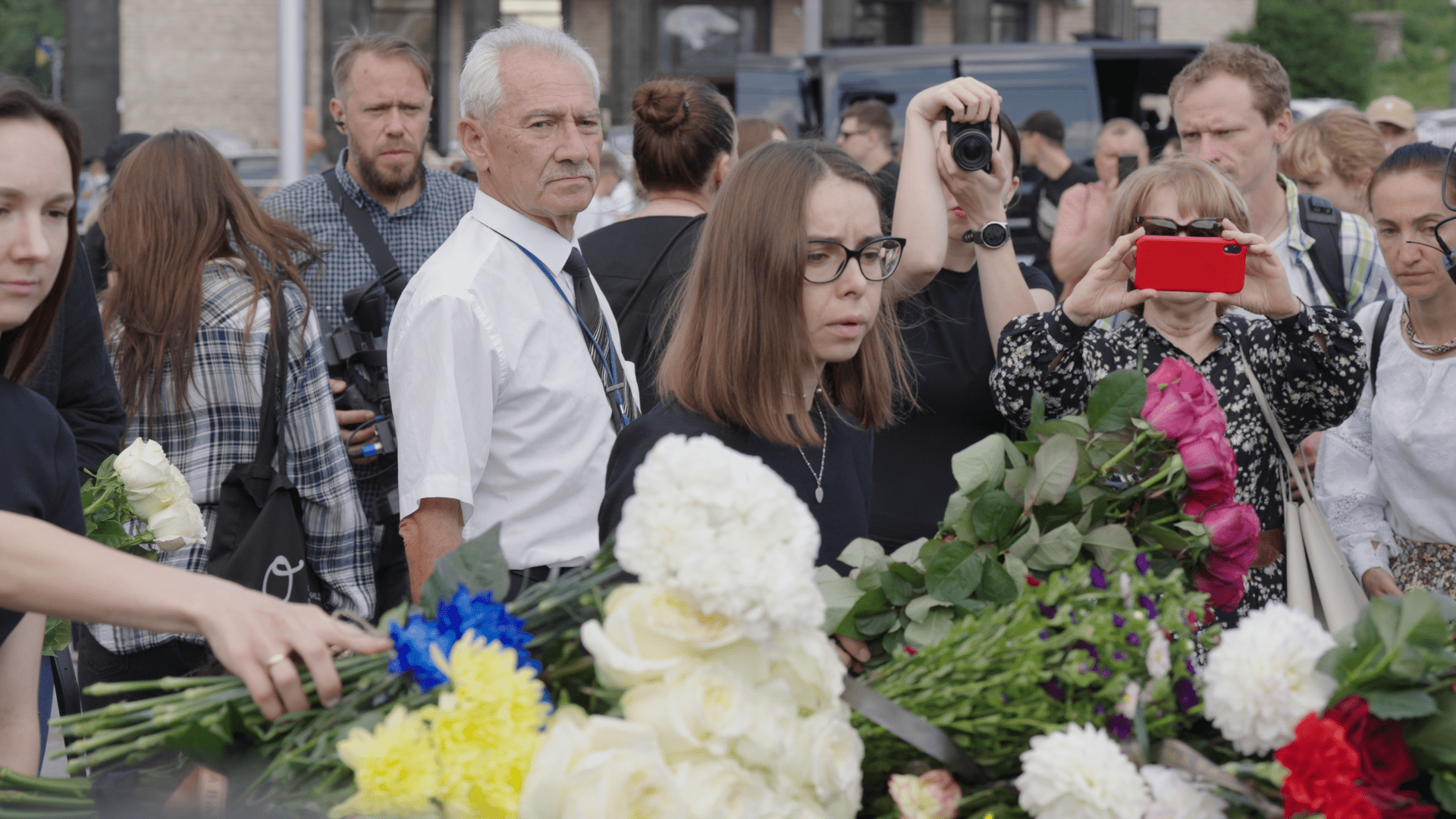
“We are saying goodbye to Vika, but not to her cause. We must identify everyone responsible for her death, and these people must be brought to justice,” stated Angelina Kariakina.
“Please remember this extraordinary, brave, and awesome young woman, and continue this work,” Sevgil Musaieva said. “Keep telling the story.”
What happened?
In October 2023, it was revealed that Ukrainian journalist Viktoriia Roshchyna, 27, had gone missing. She disappeared on August 3, 2023, while reporting in the Russian-occupied territory of Ukraine and hadn’t been heard from since, the International Women’s Media Foundation reported.
Viktoriia’s father, Volodymyr, told the Daily Beast that she left Ukraine for Poland on July 27 and was expected to reach the temporarily occupied territories in eastern Ukraine within three days. The family spoke to her on August 3, when Viktoriia told them she’d spent several days going through border checks but without disclosing her exact location.
Only in April 2024 did Russia eventually acknowledge her detention, with her father receiving a letter from the Russian Defense Ministry. However, there was no information about her location. The next letter from Russian officials came months later, in October 2024—informing the family that Viktoriia had died. Russian officials did not provide any details or the circumstances surrounding her death. The brief message stated only the date of death—September 19, 2024—and remarked that her body would be returned “to the Ukrainian side as part of an exchange of the bodies of detained persons.”
Returning home
Ukrainian authorities confirmed in April 2025 that the process of identifying Viktoriia’s body had begun back on February 28. During the inspection of bodies in one of the morgues, experts found a tag bearing the name "Roshchyna,” Yurii Belousov, head of the War Department of Ukraine’s Prosecutor General’s Office, reported in a briefing. A subsequent molecular examination confirmed the identity of the deceased after DNA samples taken from Viktoria’s parents showed an almost 99% match. However, due to the condition of the body, the cause of Roshchyna’s death could not be determined. The forensic analysis of Viktoriia Roshchyna’s body revealed multiple injuries and signs of torture.
Viktoriia’s death undoubtedly occurred while she was on Russian-controlled territory, and the body had already been delivered as part of a prisoner exchange, said Belousov. Meanwhile, Viktoriia’s family considered the DNA results to be inconclusive and were awaiting the outcomes of additional examinations, reported the Ukrainian Legal Advisory Group.
“Vika’s body was returned with several body parts removed,” reported France-based investigative collective Forbidden Stories in their Viktoriia Project. “Including parts of the brain, the larynx, and eyeballs—consistent with a possible attempt to hide the cause of death.”
Over a three-month period, 45 journalists from 13 news outlets worked to reconstruct Roshchyna’s journey. Their report revealed that Viktoriia intended to investigate Russia’s detention system in several cities across the temporarily occupied part of the Zaporizhzhia region.
Places of detention
Viktoriia Roshchyna was tortured, starved, and hidden from inspections before her death in Russian custody, revealed an investigation conducted by the Ukrainian investigators from Slidstvo.Info team, in partnership with the international NGO Reporters Without Borders and Ukrainian outlets Suspilne and Graty. Viktoriia remained in Russian imprisonment for over a year, first in the temporarily occupied part of the Zaporizhzhia region—Enerhodar and Melitopol, then—in a pre-trial detention center in Russia’s Taganrog. All throughout, Viktoriia was never formally charged with any crime.
Former detainees confirmed that Viktoriia endured brutal treatment, including knife wounds, electric shocks, and prolonged isolation. Alongside physical torture, she suffered rapid weight loss, reportedly dropping to 30 kilos.
Viktoriia called her father from a Russian prison in late August 2024. He recalled that she said she had been promised she would be home in September. On October 10—the day news of Viktoriia’s death emerged—Andrii Yusov, a spokesperson of Ukraine’s Main Intelligence Directorate (HUR), stated that Roshchyna had been on the list for a prisoner exchange. She was supposed to be transferred from Taganrog to the Lefortovo pre-trial detention center in Moscow.
Discuss this article:

-c439b7bd9030ecf9d5a4287dc361ba31.jpg "Photo of Katherina Popilnichenko")


-29a1a43aba23f9bb779a1ac8b98d2121.jpeg "Photo of Illia Kabachynskyi")