- Category
- Investigations
German Gühring Tools Keep Fueling Russia’s War Machine Despite Claimed Exit
 Prefer U24 Media on Google
- Authors


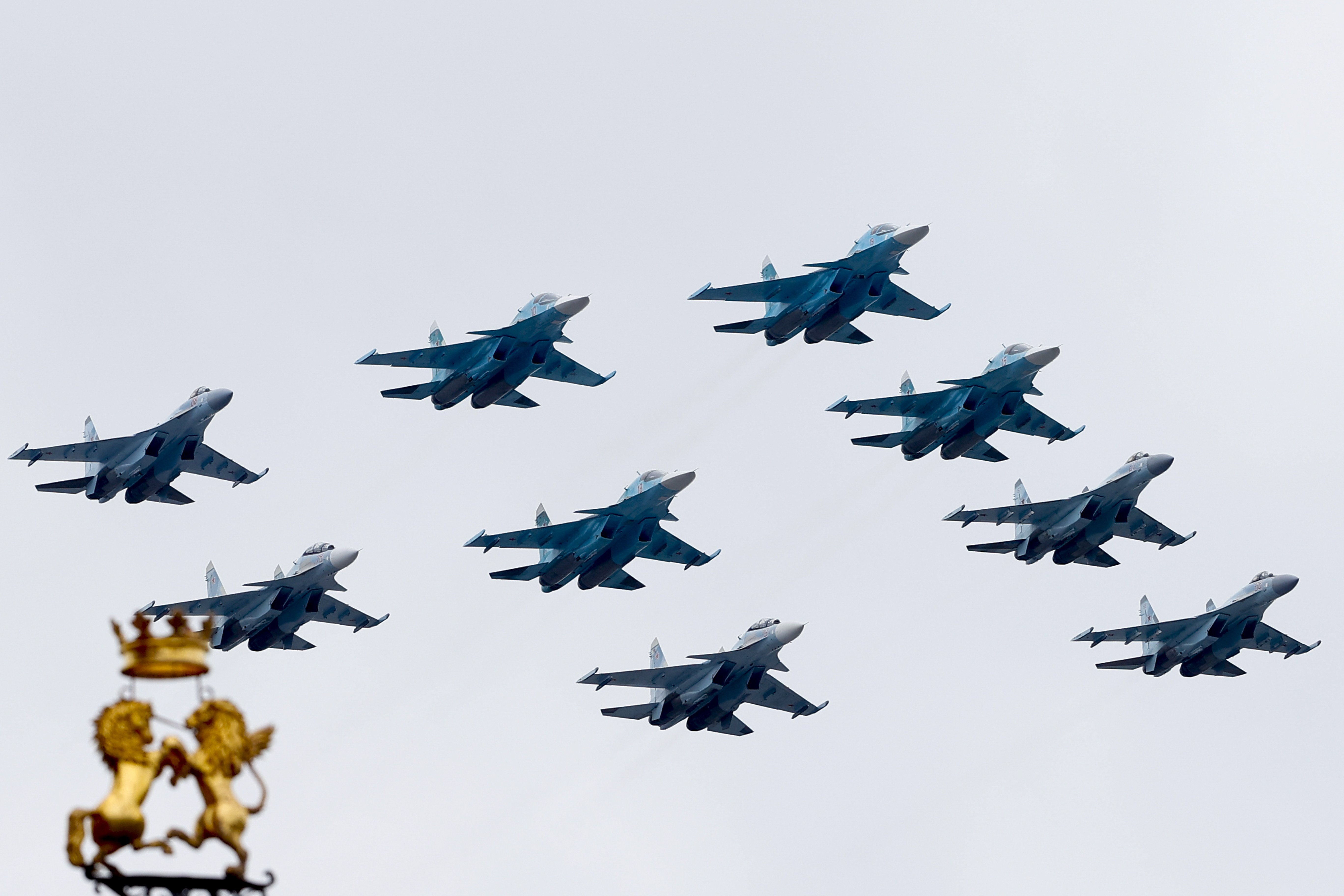
Metalworking tools made by Germany’s Gühring KG have continued reaching some of Russia’s most critical defense and nuclear enterprises despite the company’s public claims that it had ended its Russian operations following Moscow’s full-scale invasion of Ukraine.
We bring you stories from the ground. Your support keeps our team in the field.
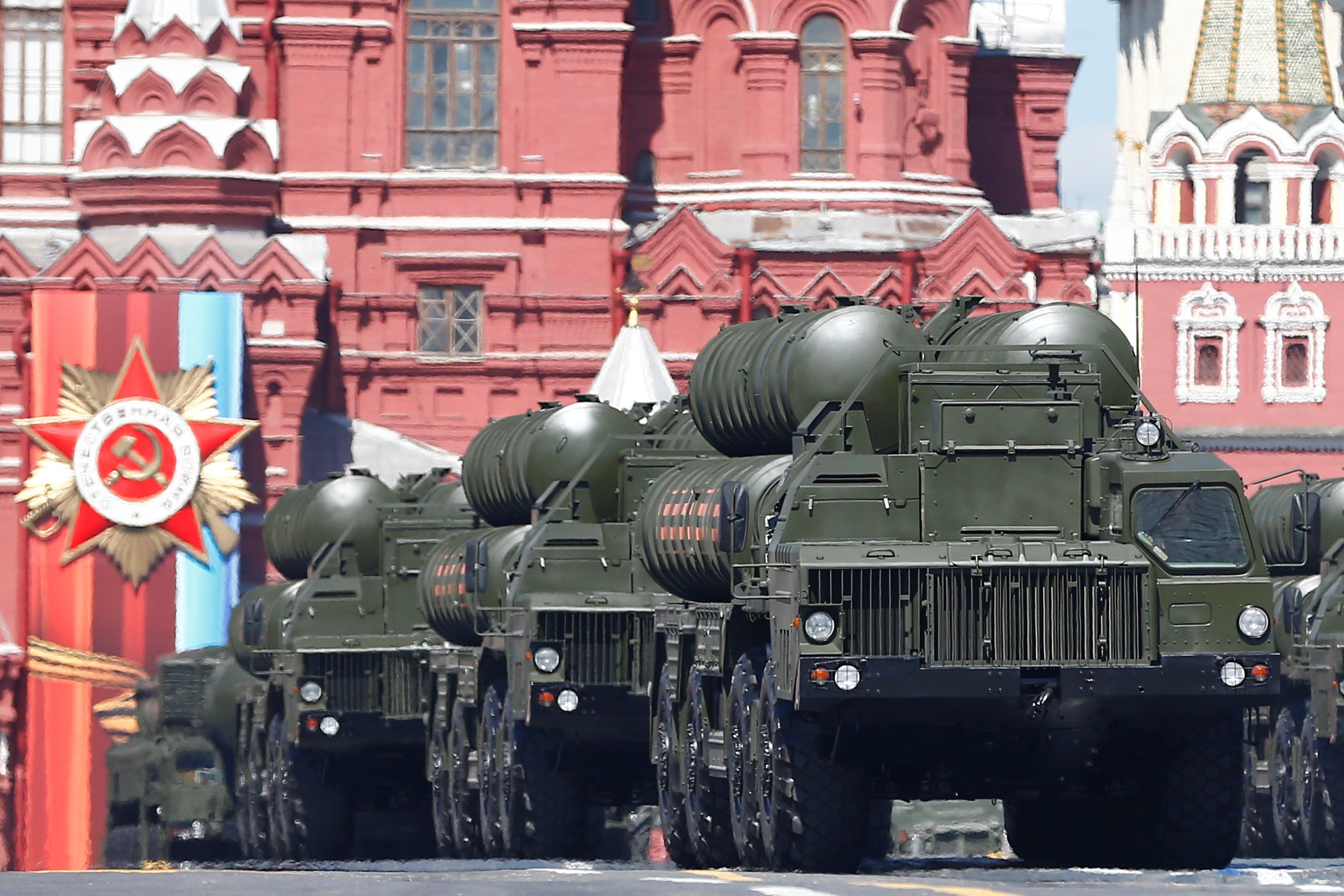
According to an investigation published by The Insider on July 3, Gühring-branded tools have continued reaching Russian manufacturers producing Su-30SM fighter jets, S-300 and S-400 air defense systems, Krasnopol guided artillery shells, Kalashnikov weapons, and even components for Russia’s nuclear weapons program.
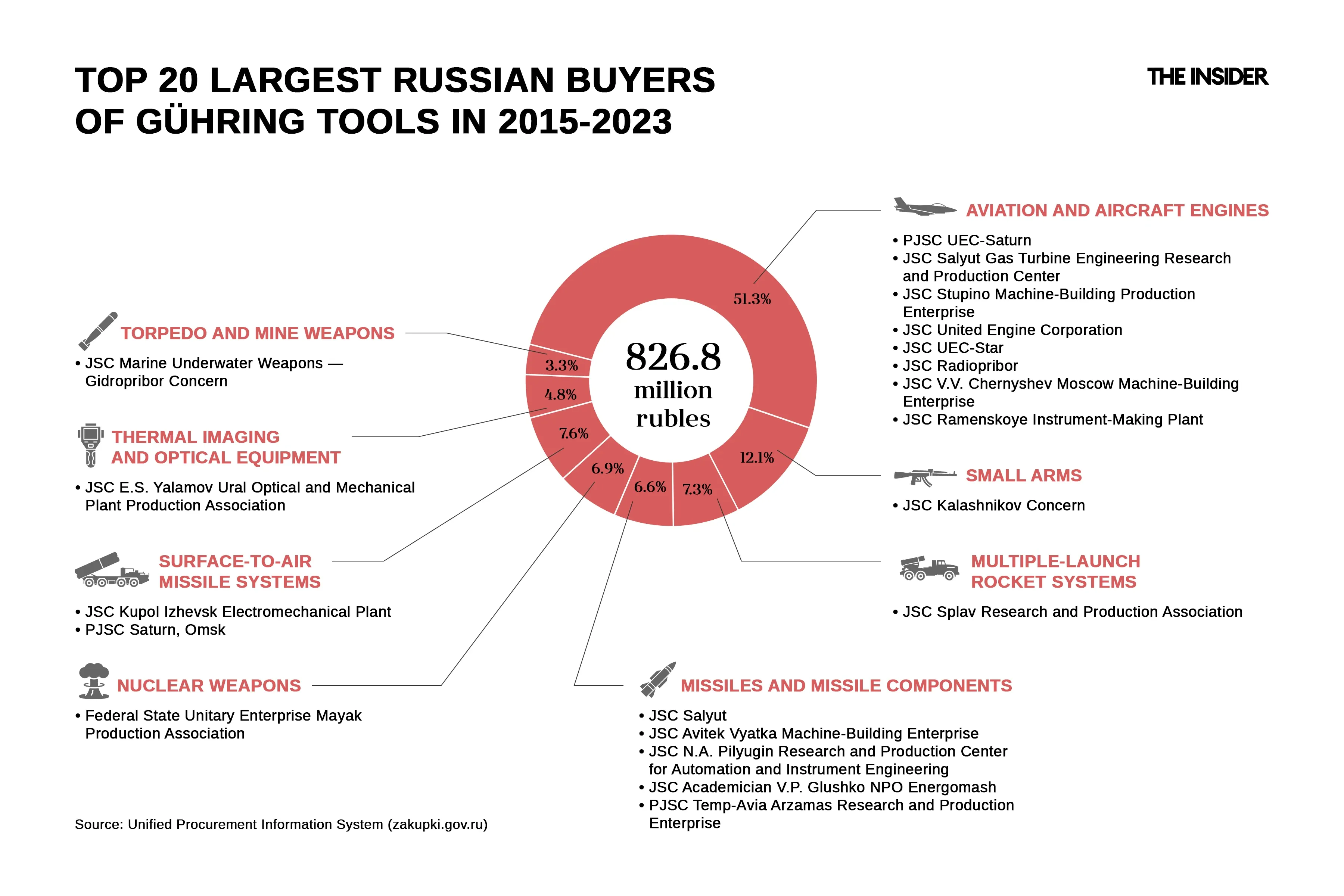
According to The Insider, more than 280 procurement contracts signed between 2015 and 2023 link Gühring products to Russian state-owned defense enterprises.
The outlet reports that although the German manufacturer announced it had “deconsolidated” its Russian subsidiary in 2022, deliveries of its products continued through companies connected to the former management of its Russian business.
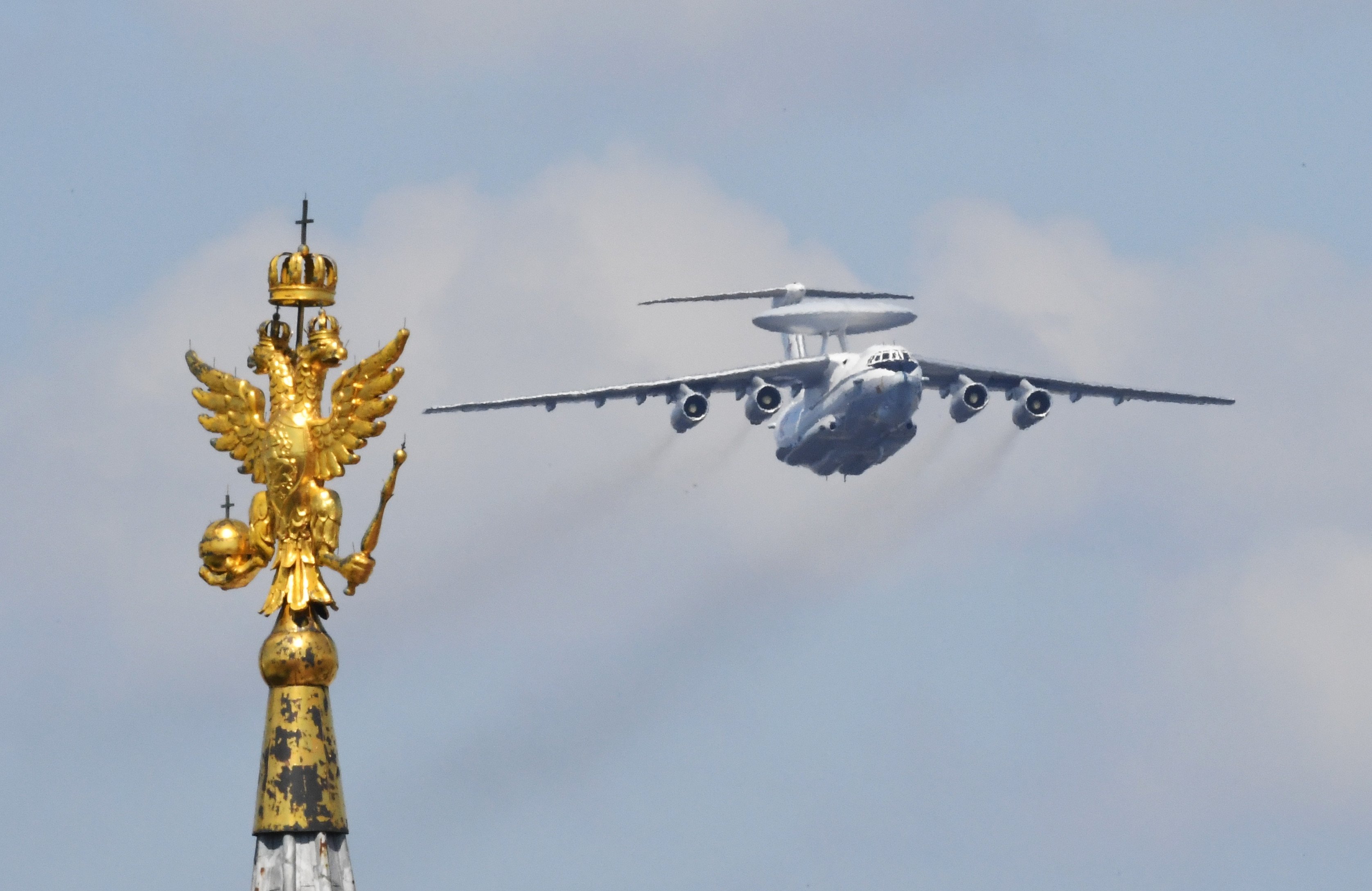
Among the identified customers are the Kalashnikov Concern; NPK Bazalt, which manufactures Krasnopol precision-guided artillery munitions; the Irkutsk Aviation Plant, which produces Su-30SM fighter aircraft; the Beriev Aviation Scientific and Technical Complex, responsible for maintaining and modernizing A-50 airborne early warning aircraft; and the Kalinin Machine-Building Plant, which manufactures launchers for the S-300 and S-400 air defense systems.
The Insider also identified contracts involving PO Mayak, a Russian nuclear enterprise that produces plutonium for nuclear weapons.
According to the investigation, Gühring KG stated after Russia’s full-scale invasion that it had stopped operations in the country and no longer exercised control over its former subsidiary, Gühring LLC.
Company representatives told The Insider that the business had been “deconsolidated,” meaning it was no longer part of the German group’s corporate structure, and denied supplying products to Russia “directly or indirectly.”
However, The Insider reports that the former subsidiary—later renamed Tool Company Gut—continued importing Gühring products after June 2022.
Customs records reviewed by the outlet indicate the company imported at least $20.98 million worth of Gühring-manufactured tools, including drills, milling cutters, threading tools, and other precision metalworking equipment. The United States sanctioned Tool Company Gut in October 2024.
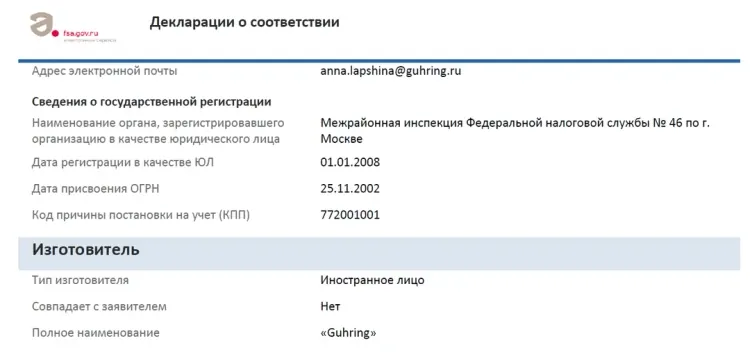
The investigation also found that the Russian company continued filing conformity declarations for Gühring products after the German company’s announced withdrawal. Employees additionally continued using email addresses associated with the “Guhring.ru” domain.
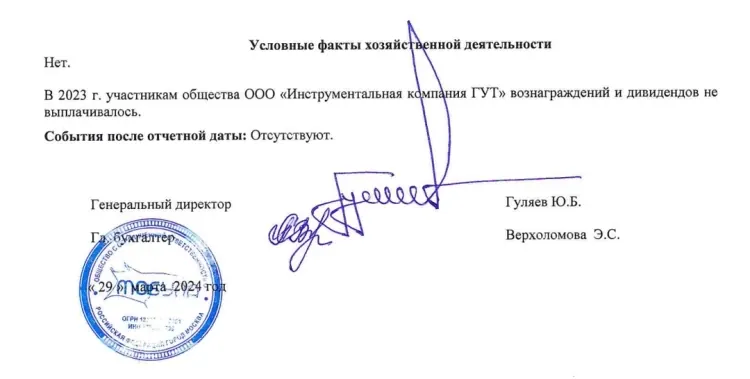
Another part of the investigation focuses on Mobula LLC, a company established in 2023 by Yury Gulyayev, the former head of Gühring’s Russian subsidiary. According to The Insider, Mobula assumed management of Gühring’s former manufacturing facility in Nizhny Novgorod, originally opened in 2016 with a reported investment of €6 million.
Financial records reviewed by The Insider show Mobula generated revenue of 803 million rubles (about $10.3 million) during its first year of operation, rising to 2.374 billion rubles (about $30.6 million) in 2024 before reaching 1.926 billion rubles (about $24.8 million) in 2025.
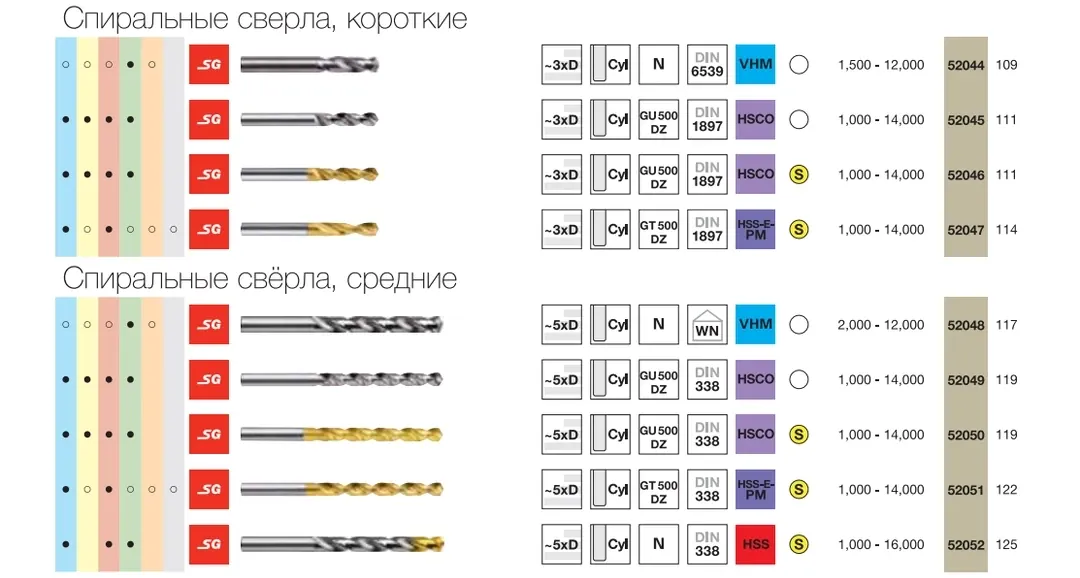
According to the investigation, Mobula’s product catalog closely mirrors Gühring’s own range. The company sells tools under the SuperGut brand, with product numbers matching those used by Gühring’s SuperLine series.
The Insider also reports that Mobula imported approximately 690 kilograms of Gühring tools through suppliers in China and India, including Shanghai Zhuangyu Mechanical and Electrical Equipment Co. and India’s Victools Inc.
The outlet further noted unusual financial flows within Mobula’s 2025 accounts, with more than 44 billion rubles classified as investment-related cash inflows. Natalya Mukhina, head of monitoring and assessment at Transparency International Russia, told The Insider that such financial structures could indicate large-scale settlement mechanisms involving wholesale purchases and resale through intermediary arrangements.
Earlier, UNITED24 Media revealed how Western-made electronic components from companies including Intel, AMD, Siemens, Honeywell, and Microchip continue reaching Russia’s defense industry through Chinese distributors and intermediary supply networks despite years of sanctions.
Discuss this article:
-9a7b3a98ed5c506e0b77a6663f5727c5.png)


-111f0e5095e02c02446ffed57bfb0ab1.jpeg "Photo of Roman Kohanets")

-b7da0e3033ba5fc9d5f47439cb28c6ad.png "Illustration featuring the logos of AI chatbots Claude (left) and Mistral (right). (Illustration: UNITED24 Media)")