- Category
- Latest news
A Soviet-Era BMP-1 Factory Reopens in Slovakia—and Ukraine May Be a Secret Buyer
 Prefer U24 Media on Google
- Authors


Slovakia has quietly restarted production of upgraded BMP-1 infantry fighting vehicle hulls at a factory that has been dormant for more than three decades—after securing a large but undisclosed foreign order that defense analysts increasingly link to Ukraine, Ukrainian defense outlet Defense Express reported on December 18.
We bring you stories from the ground. Your support keeps our team in the field.
According to Defense Express, Slovak company STV Group has signed a contract with a “mysterious foreign customer” to manufacture redesigned BMP-1 hulls that are nearly identical in shape to the original Soviet-era vehicles but fully reengineered to meet modern NATO standards for materials and ergonomics.
The hulls will be produced at the plant in Dubnica nad Váhom, the same facility where licensed BMP-1 variants—known locally as BVP-1—were assembled between 1970 and 1989.
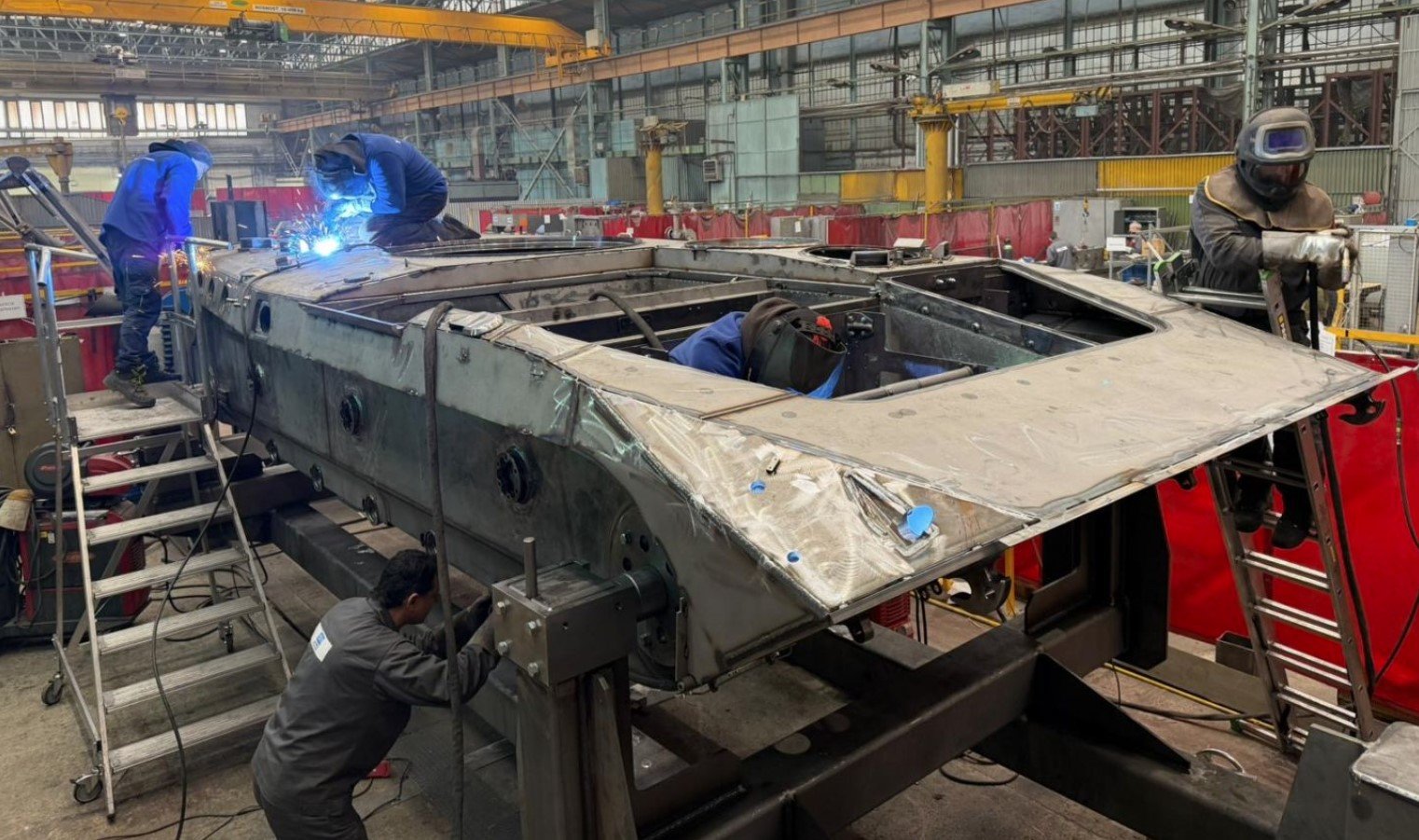
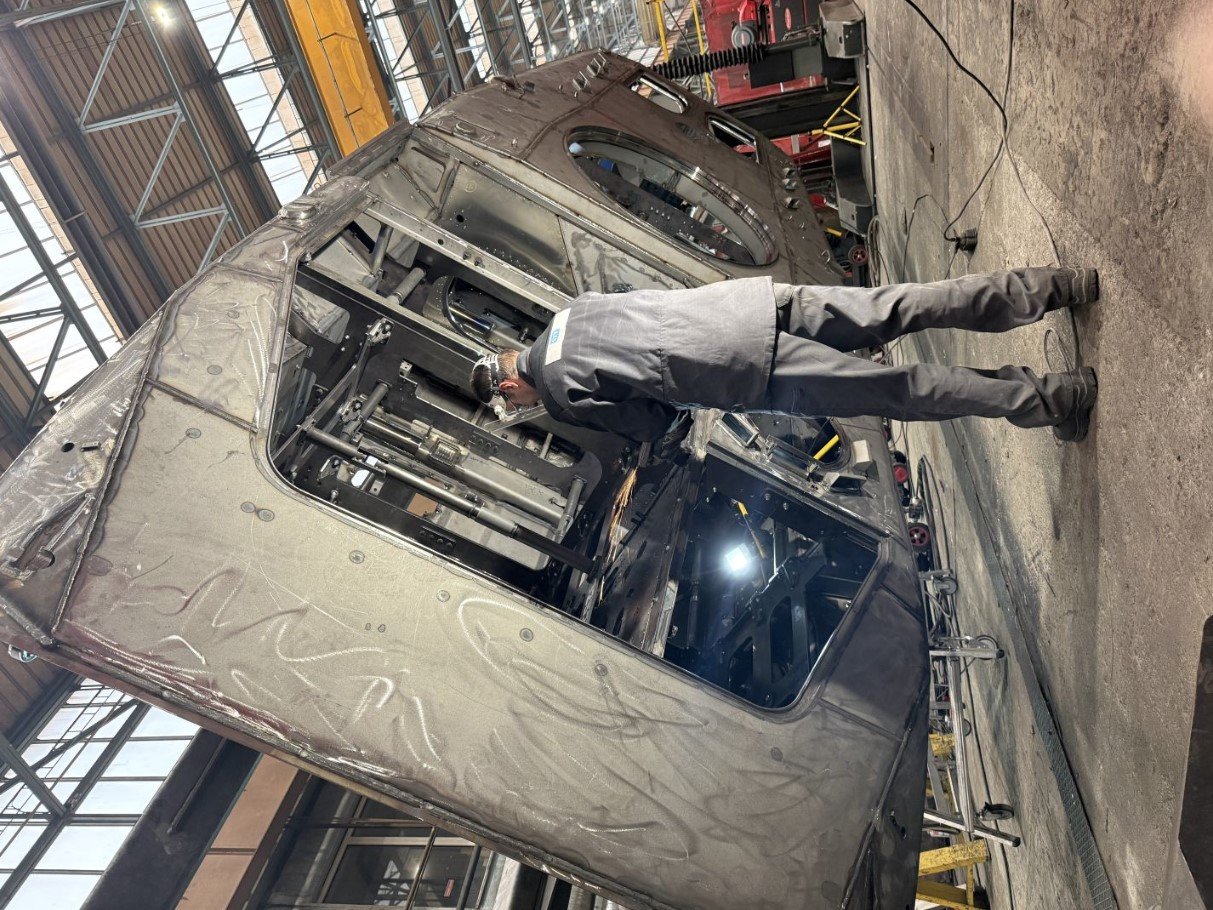
After more than 36 years without full-scale production, the factory is now preparing for serial output scheduled for 2026–2027, with an expected capacity of up to 100 vehicles per year, Defense Express noted.
A modernized hull, not a museum piece
While externally similar to the original BMP-1, the new hulls are being built from modern armored steel, offering improved protection.
Defense Express reports that the entire structure has been digitally redesigned, with new manufacturing documentation and welding fixtures developed from scratch. A prototype has already been completed and has reportedly undergone mobility trials.
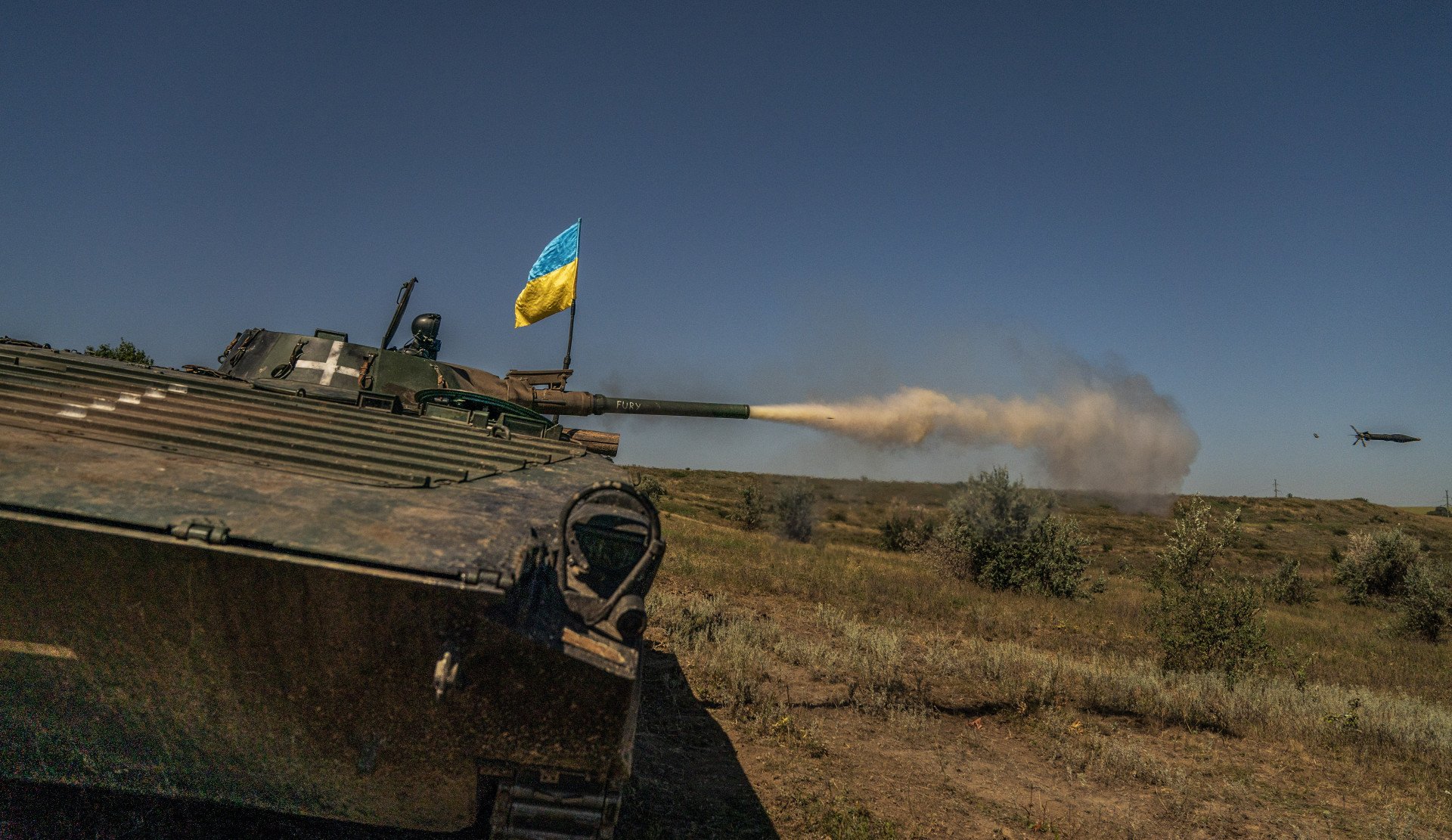
⚡️A modernized BMP-1TS of the 🇺🇦13th separate battalion of the National Guard of Ukraine "Charter" at one of the ranges. pic.twitter.com/s1RRfIjimS
— 🪖MilitaryNewsUA🇺🇦 (@front_ukrainian) March 9, 2024
Unlike Cold War–era production, which involved multiple facilities, STV Group plans to consolidate hull manufacturing entirely at the Dubnica site.
However, the company has not clarified whether it will supply bare hulls, rolling chassis, or fully assembled vehicles, leaving several configurations possible, according to Defense Express analysis.
Why Ukraine stands out
Defense Express argues that NATO countries are unlikely customers, given the BMP-1’s outdated protection levels and design.
Large-scale orders from Africa or Asia would likely require fully finished vehicles, raising questions about whether such demand would justify restarting hull production at this scale.
A curious situation. The Russian Armed Forces began equipping their units with trophy (captured from Georgia) BMP-1U "Shkval" of Ukrainian manufacture.
— Andrei_bt (@AndreiBtvt) September 16, 2023
The vehicles were studied at the Research Institute 38 in Kubinka, where the Shkval combat module received high marks. pic.twitter.com/2UnZOkZIIi
Ukraine, however, fits the profile. Defense Express points out that Ukraine already operates, maintains, and modernizes BMP-1 platforms, has trained crews, and urgently needs large numbers of affordable infantry fighting vehicles. This makes Kyiv the most plausible candidate for the undisclosed order.
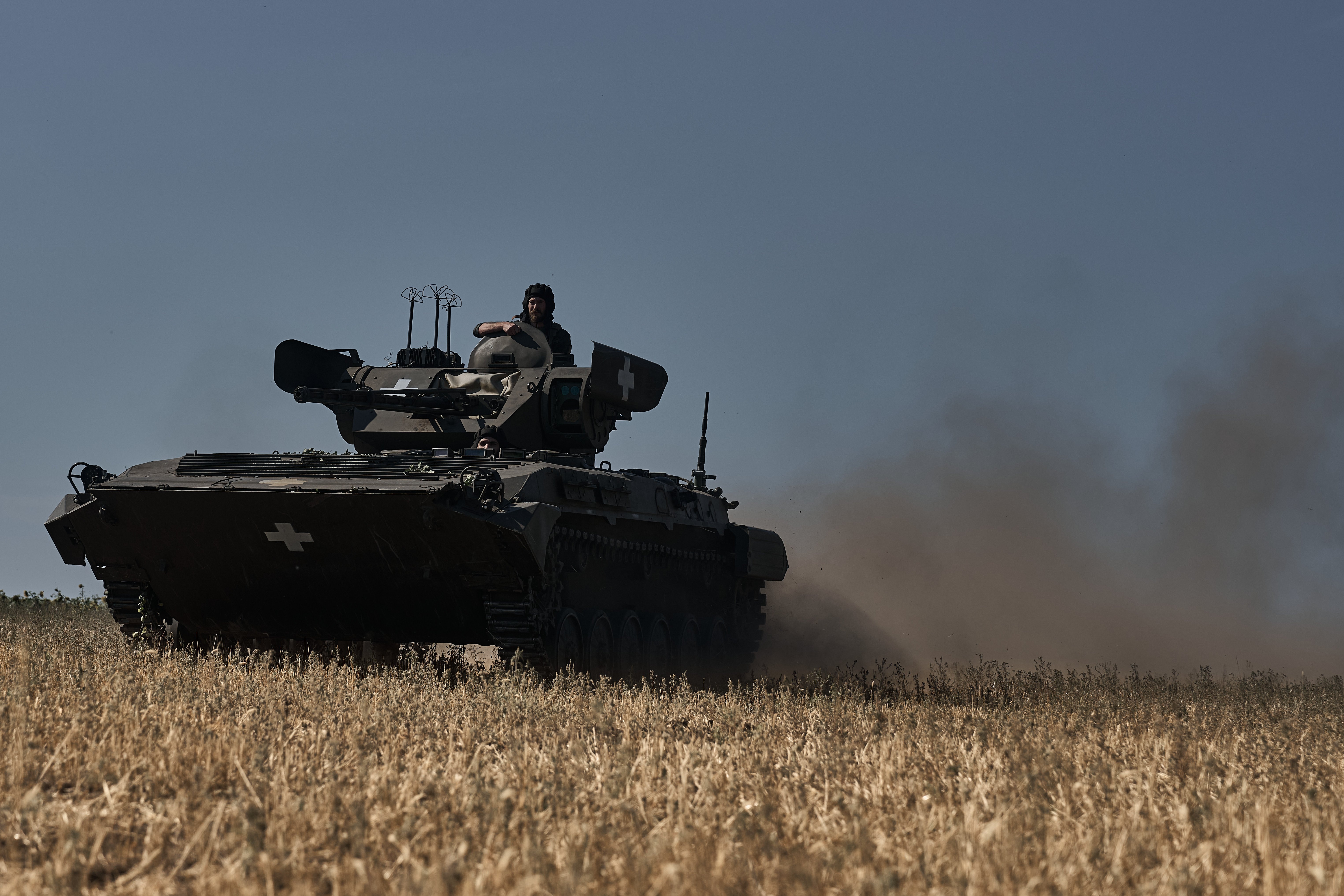
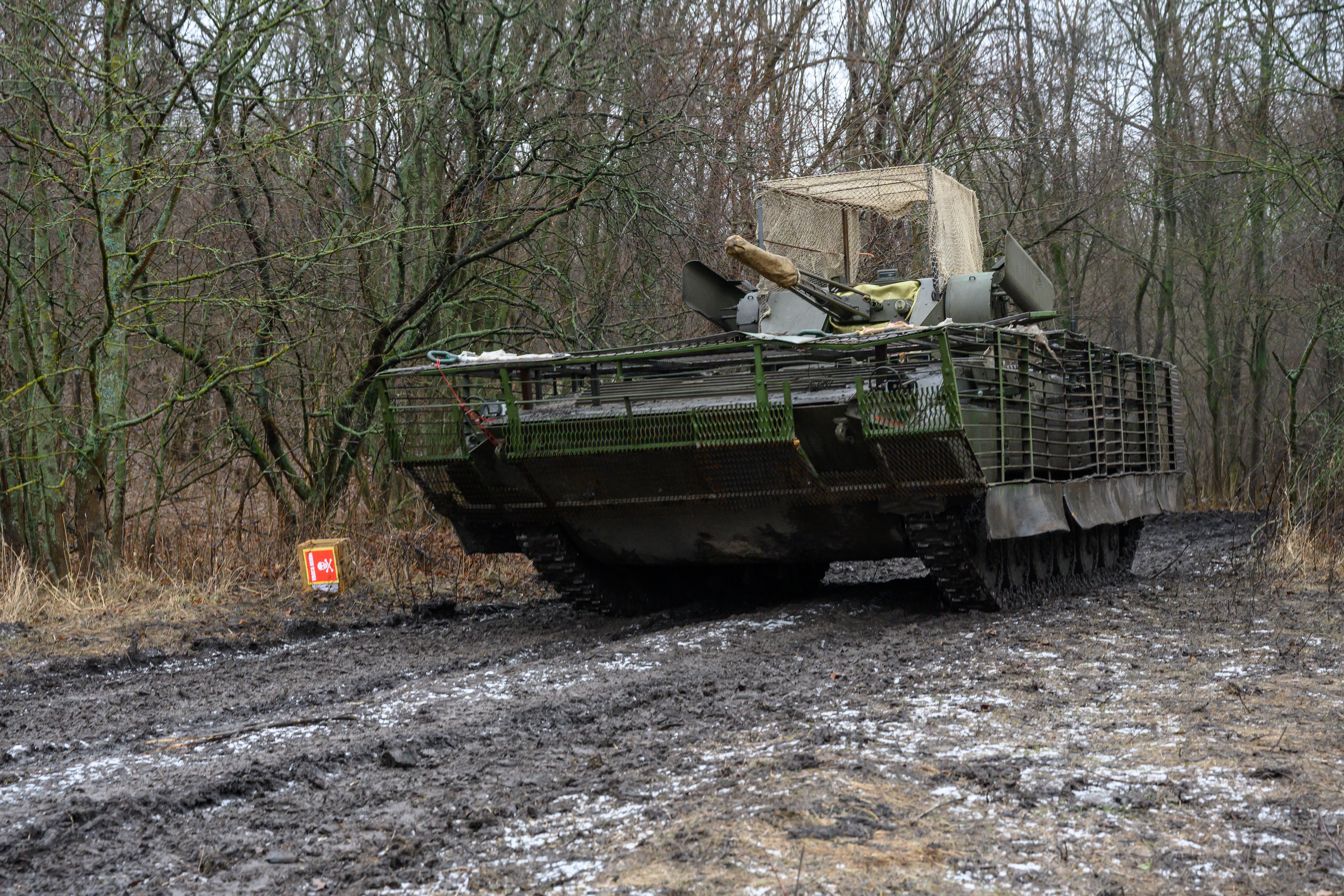
The most likely scenario, analysts suggest, would be delivery of a complete chassis without turrets, allowing Ukraine to integrate its own domestically produced combat modules. Defense Express lists several Ukrainian options, including Spys, Shkval, Shturm, Stylet, and Parus, all of which are already in service or production.
A stopgap, not a long-term solution
Defense Express stresses that even a NATO-standardized BMP-1 remains fundamentally outdated. Despite improved materials and ergonomics, its protection levels fall short of modern battlefield requirements. Ukraine ultimately needs a new-generation IFV with higher survivability, mobility, and crew protection.
Still, as Defense Express concludes, this revived production line could offer a fast, scalable, and relatively inexpensive interim solution—one capable of filling urgent gaps while more advanced platforms remain scarce.
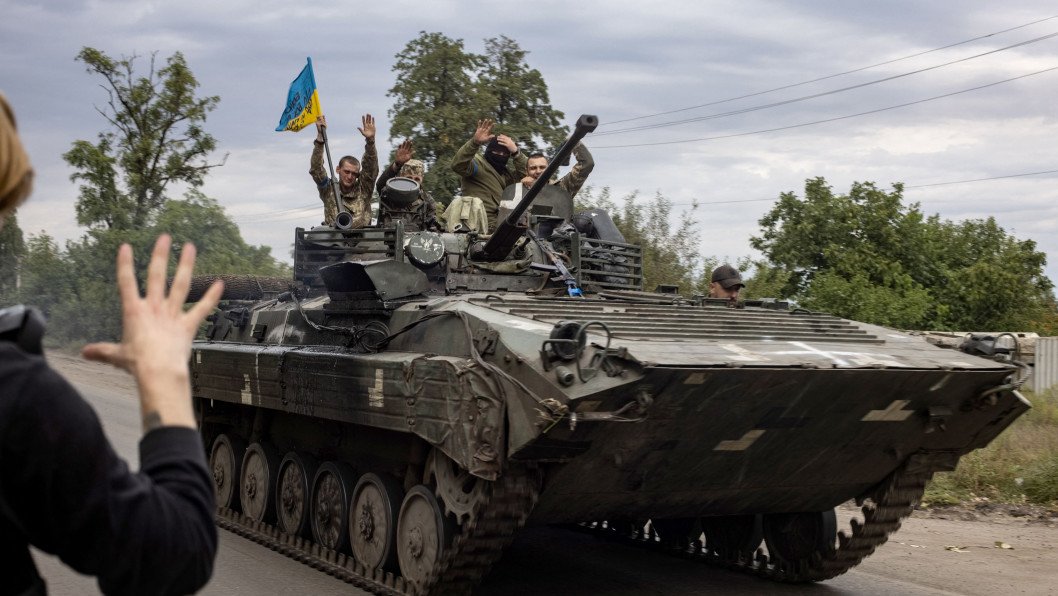
For now, the identity of the customer remains officially undisclosed. But as Defense Express notes, the restart of a long-idle Cold War production line—combined with Ukraine’s immediate needs—makes the direction of this story increasingly difficult to ignore.
Earlier, Ukrainian BTR-3 armored personnel carriers were upgraded with specialized anti-drone protection designed to counter the widespread use of unmanned aerial vehicles on the battlefield.
Discuss this article:


-c439b7bd9030ecf9d5a4287dc361ba31.jpg "Photo of Katherina Popilnichenko")