- Category
- Latest news
Ukraine Reinvents BTR-3 With Anti-Drone Armor to Counter FPV Threats in Frontline First
 Prefer U24 Media on Google
- Authors


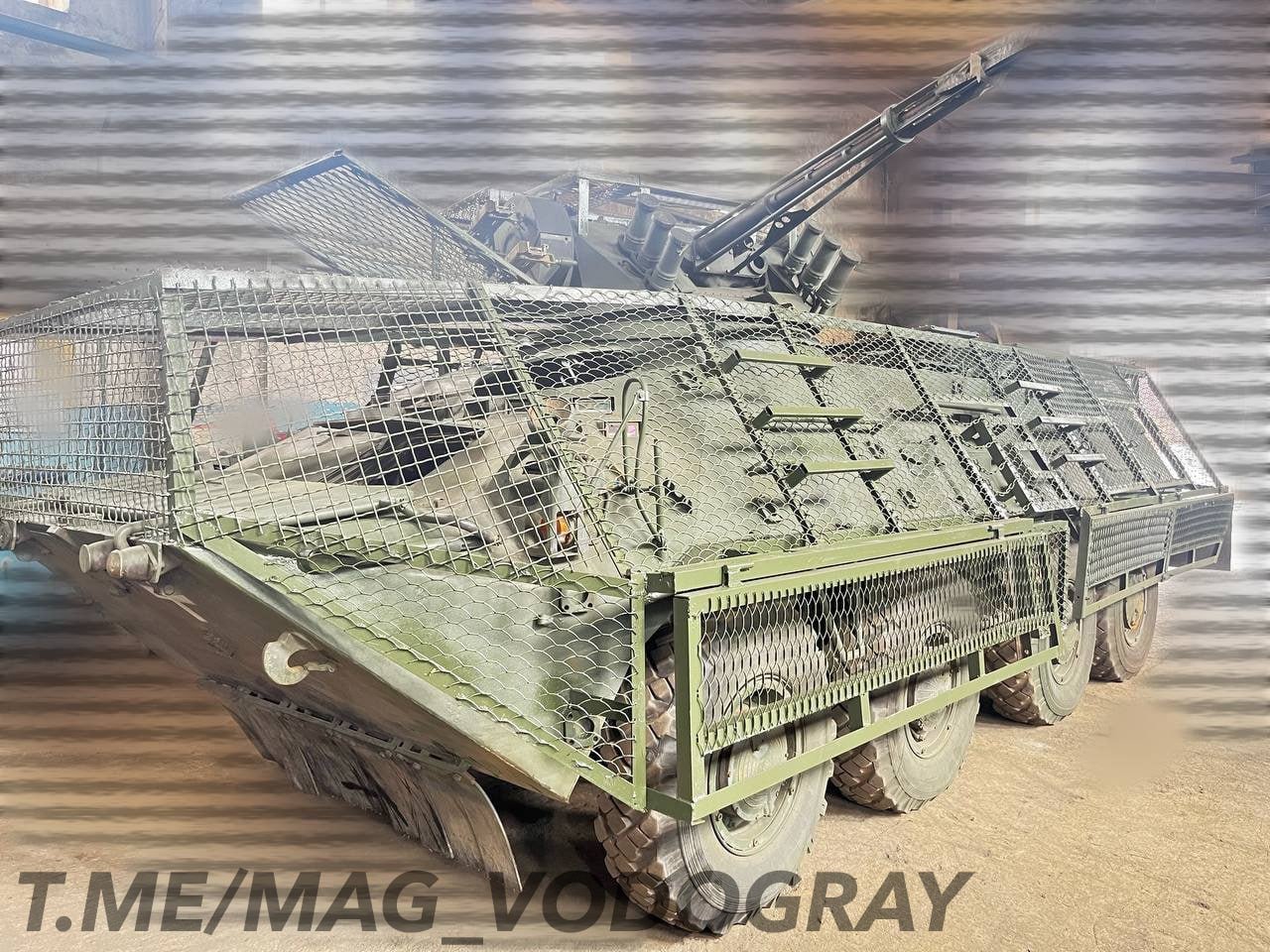
Ukrainian BTR-3 armored personnel carriers have been upgraded with specialized anti-drone protection designed to counter the widespread use of unmanned aerial vehicles on the battlefield, according to Defense Express on September 16.
The new protective system is built from metal mesh structures that cover vulnerable areas of the vehicle while maintaining accessibility for the crew.
Designers ensured that hatches, side doors, and service points remain usable, and even added steps to simplify crew operations. This approach aims to preserve the vehicle’s functionality while adapting it to modern battlefield threats.
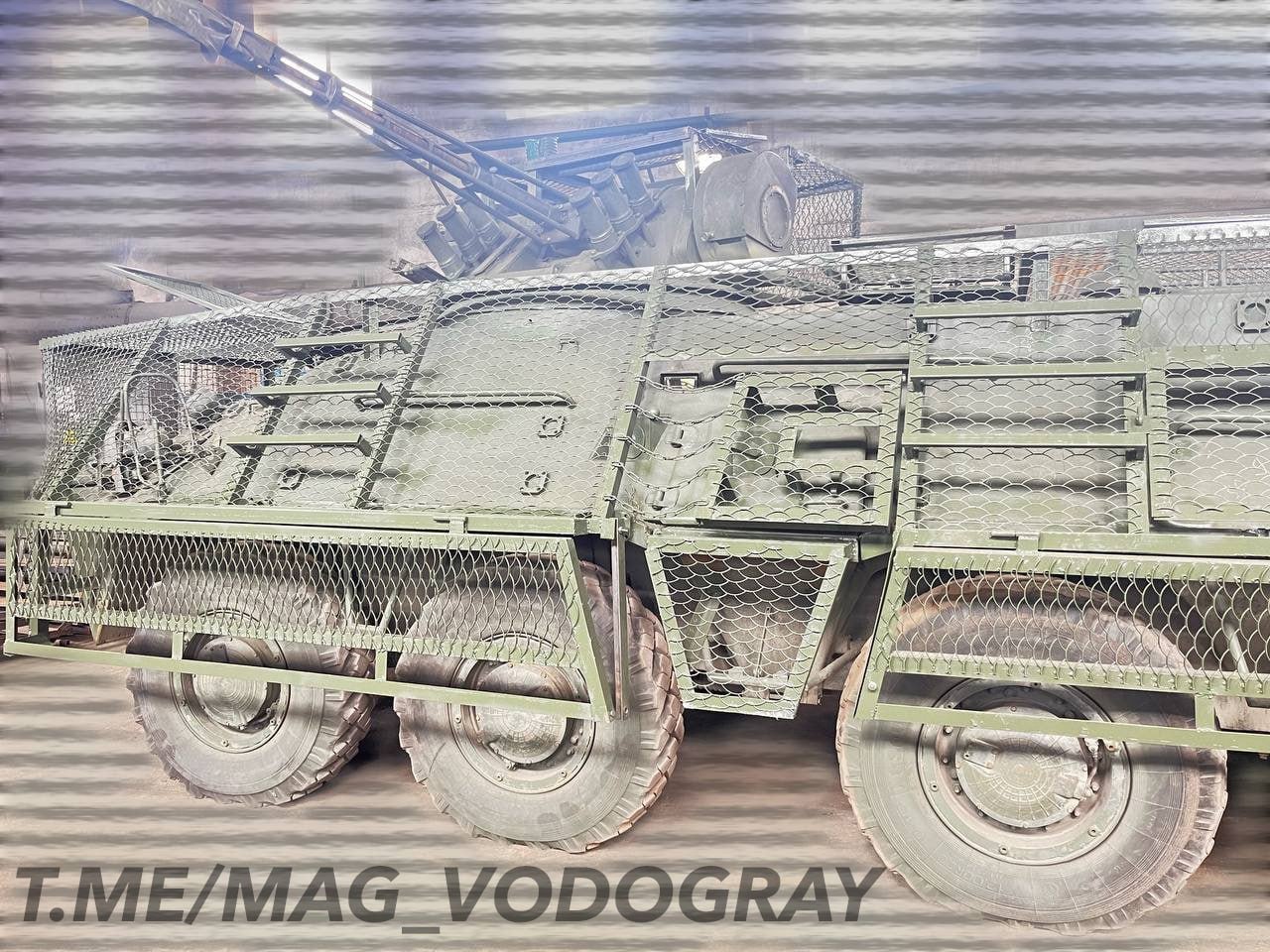
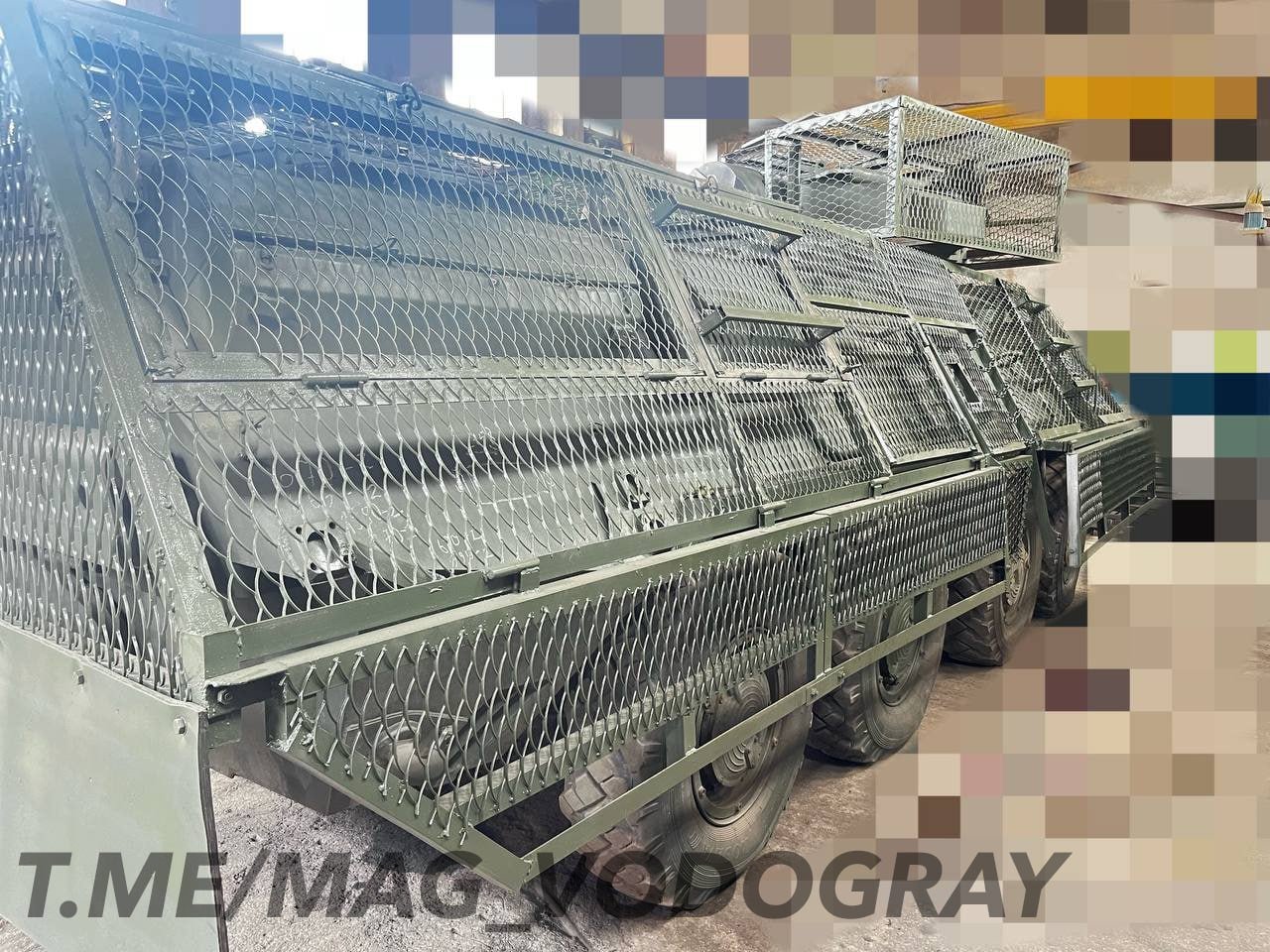
Unlike earlier protective measures, the anti-drone grids are specifically designed to disrupt the attack patterns of FPV drones.
These drones travel at relatively low speeds, making them vulnerable to softer mesh barriers that can interfere with detonation or damage the device before it strikes the armor.
On the BTR-3, the grids are fitted closer to the vehicle’s surface compared to older systems, a compromise that reduces space but allows practical deployment without obstructing movement.
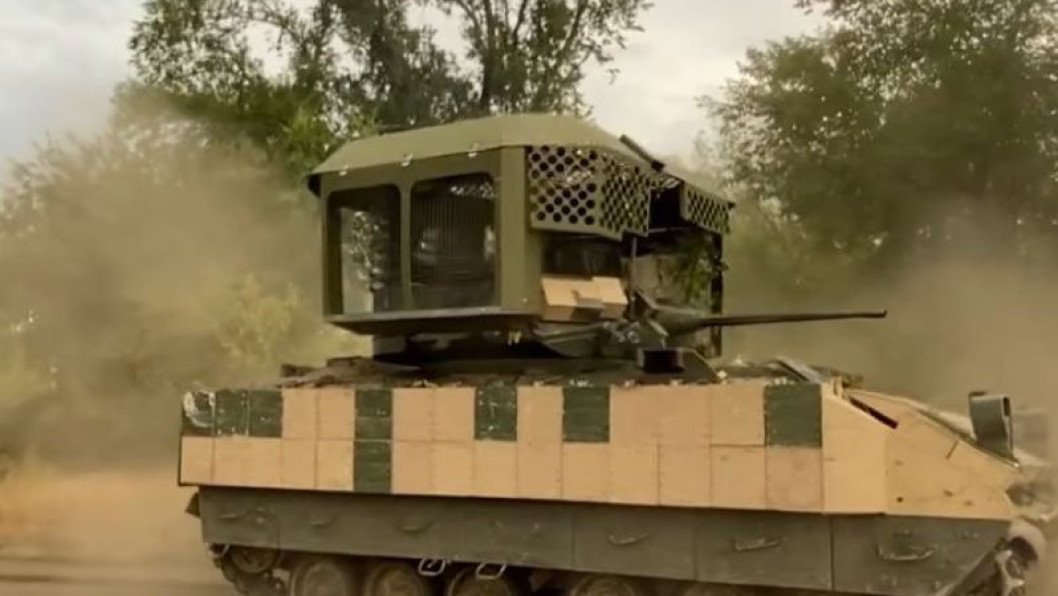
In comparison, the earlier generation of protection—anti-cumulative screens—was aimed at rocket-propelled grenades such as the RPG-7.
These screens were placed at a distance from the armor to deform or prematurely detonate shaped-charge warheads. While conceptually similar, the anti-drone grids differ in both material and layout, reflecting the evolving nature of battlefield threats.
According to Defense Express, this adaptation is part of a wider trend as Ukrainian forces respond to the increasing use of FPV drones in attacks against armored vehicles.
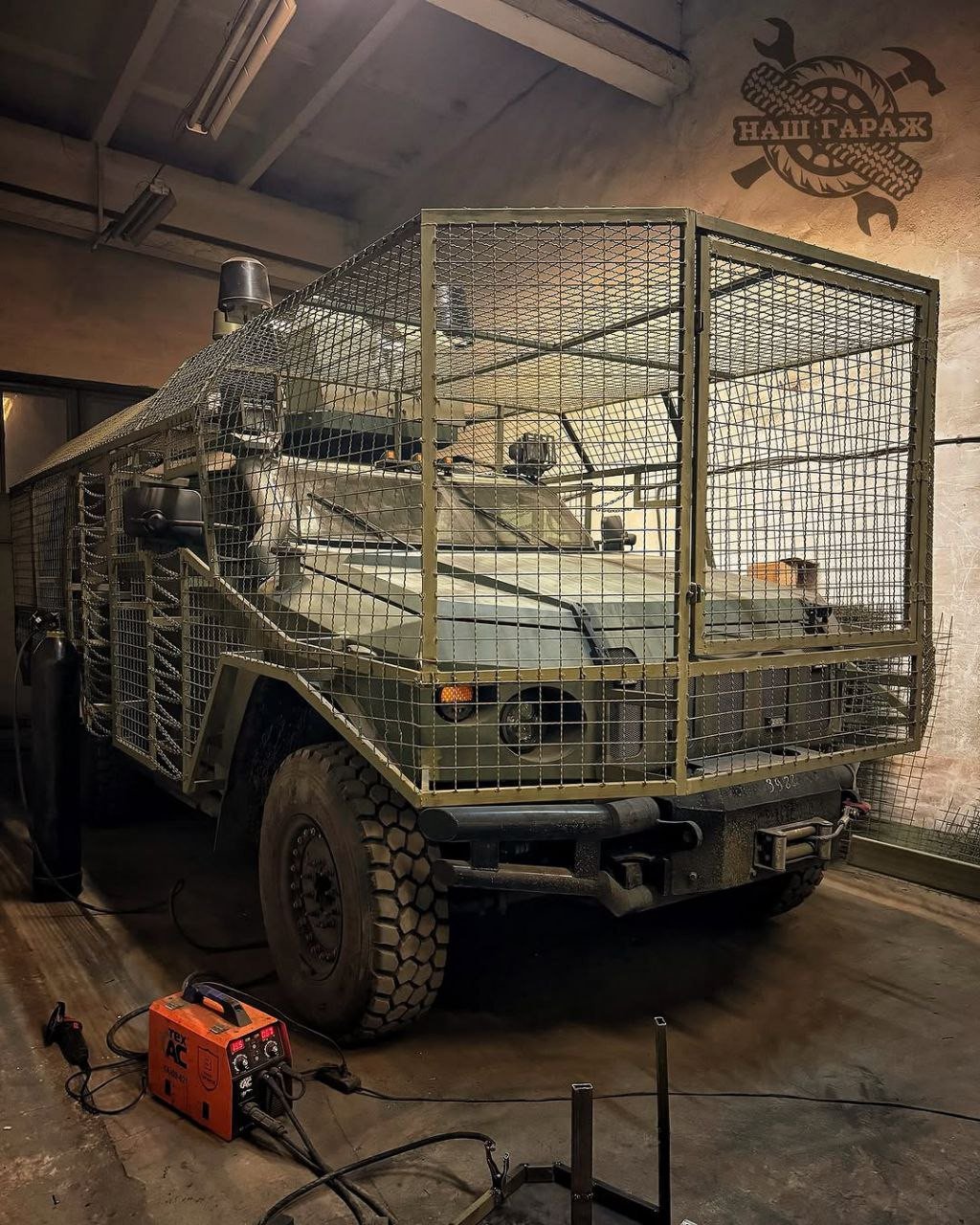
Similar protection systems have already been mounted on other Ukrainian platforms, including the Novator armored vehicle and French-made Caesar self-propelled howitzers in service with Ukraine.
Earlier, China patented a modular anti-drone armor system for infantry fighting vehicles, closely resembling Ukrainian battlefield solutions. The design features dual-layer meshes, composite plating, and options for electronic warfare or active protection integration—echoing adaptations already tested on Ukrainian BMP-1TS vehicles.
Discuss this article:





-111f0e5095e02c02446ffed57bfb0ab1.jpeg "Photo of Roman Kohanets")