- Category
- Latest news
AIM-7, AIM-9, or AMRAAM? New Canadian Shipment Heads to Ukraine’s Front Line
 Prefer U24 Media on Google
- Authors


Ukraine is set to receive additional air-to-air missiles from Canada to strengthen its air defenses against Russian cruise missile attacks, Ukrainian Defense Minister Mykhailo Fedorov said following talks with his Canadian counterpart on February 6.
We bring you stories from the ground. Your support keeps our team in the field.
According to Fedorov, missiles from the AIM family intended to replenish Ukraine’s surface-to-air defense stocks are already in the delivery phase. He noted that recent contributions under the PURL initiative have played a decisive role in helping Ukrainian forces repel large-scale Russian aerial assaults.
The minister did not specify which exact variants are included in the new shipment. Publicly available information indicates that Ukraine currently uses AIM-7, AIM-9, and AIM-120 missiles to intercept Russian missiles and drones, supplied by Western partners including Canada.
Productive call with @DavidMcGuinty. Canada is transferring AIM missiles to strengthen Ukraine’s air defense and counter cruise missiles — delivery already underway. Also discussed joint drone production, military training, and experience sharing 🇺🇦🇨🇦
— Mykhailo Fedorov (@FedorovMykhailo) February 6, 2026
AIM-7 Sparrow
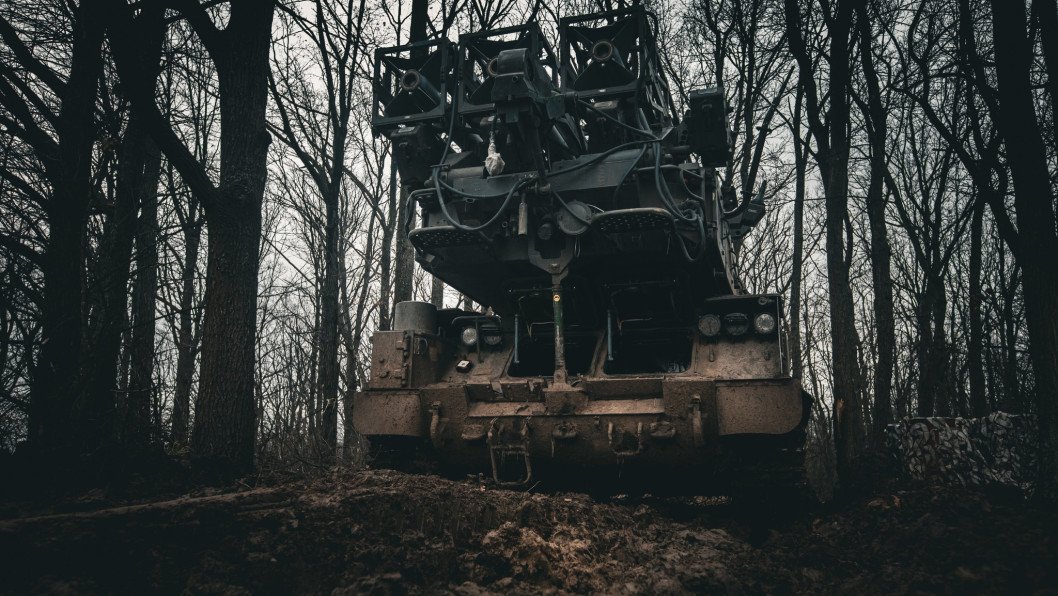
The AIM-7 Sparrow is a US-designed medium-range guided air-to-air missile that remains in service with several countries.
Ukraine has integrated the missile with Buk launchers under the FrankenSAM program, enabling interceptions at ranges of up to about 20 kilometers and altitudes from 8 meters to 15 kilometers.
AIM-9 Sidewinder
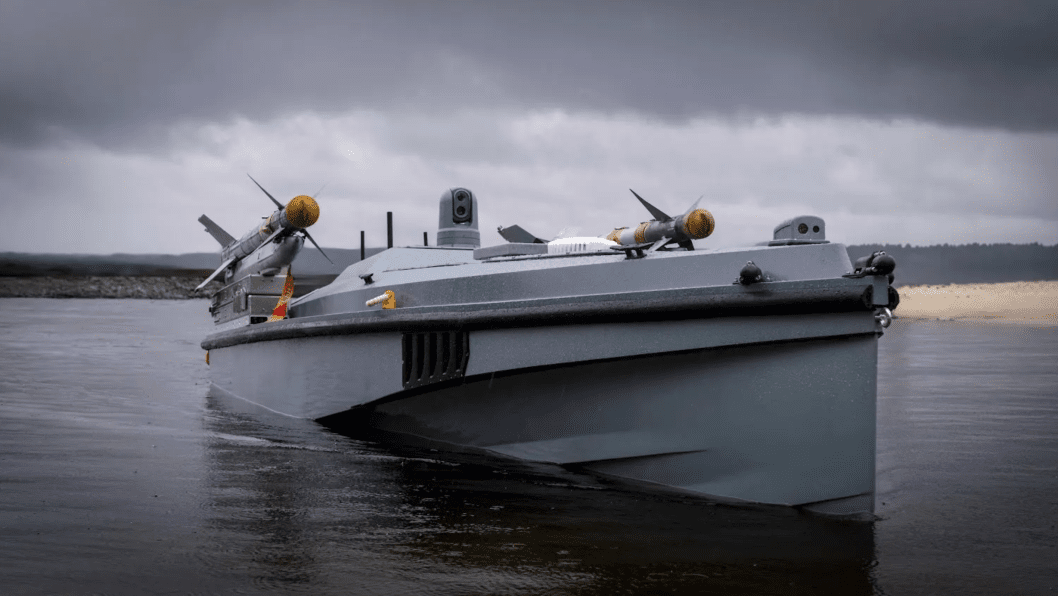
The AIM-9 Sidewinder is a short-range infrared-guided air-to-air missile.
In Ukrainian service, it can be used within numerous air-defense systems, providing close-range interception capability against aerial threats. Ukraine also fitted these missiles on MAGURA maritime drones.
AIM-120 AMRAAM
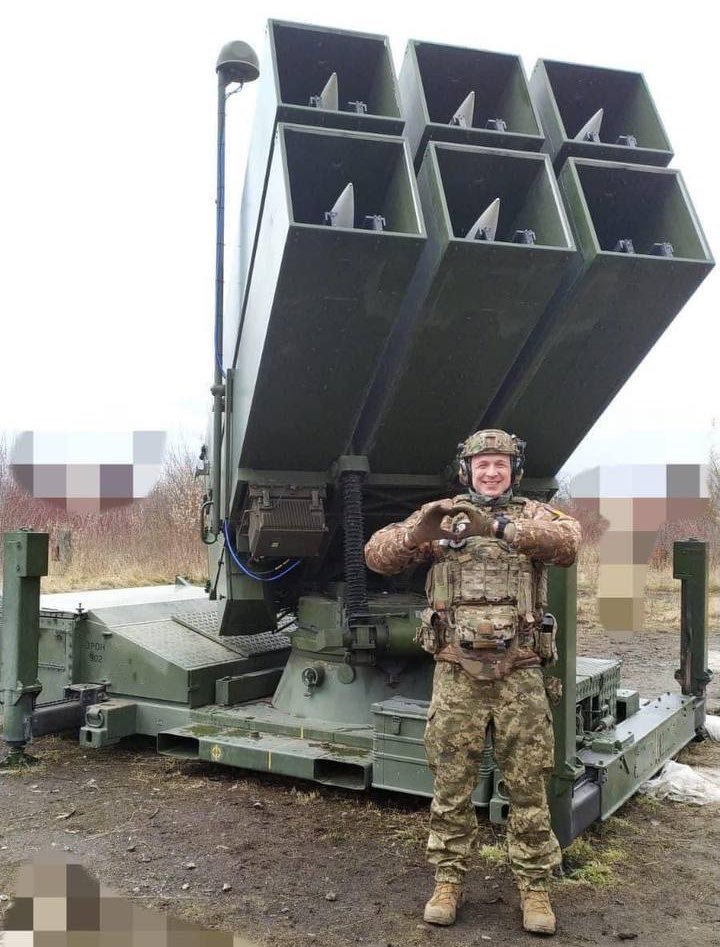
The AIM-120 AMRAAM, a medium-range active-radar-guided missile, forms a core part of the NASAMS interceptor inventory.
In ground-launched configuration, the missiles are fired from containerized launch units—typically six missiles per launcher—with an engagement range of roughly 25 to 30 kilometers, depending on the variant.
Full doc on the system in Ukrainian service (Eng subtitles) via https://t.co/6FMeJrn2vD
— OSINTtechnical (@Osinttechnical) December 26, 2025
The NASAMS battery seen here has reportedly downed more than 300 air targets. pic.twitter.com/jD0YH3xepw
During the same discussions, Ukrainian and Canadian defense officials also addressed cooperation on drone production, highlighting a broader effort to expand Ukraine’s domestic defense-industrial capacity alongside continued Western military aid.
But Ukraine does not rely solely on air defense missiles for the interception of Russian aerial threats. Recently, newly released footage showed the crew of a Ukrainian An-28 light transport aircraft destroying a Russian Shahed-type attack drone at extremely close range, offering a rare glimpse into one of the most unconventional air-defense methods used in the war.
Discuss this article:





-111f0e5095e02c02446ffed57bfb0ab1.jpeg "Photo of Roman Kohanets")

-72b63a4e0c8c475ad81fe3eed3f63729.jpeg "Photo of Cyril Barabaltchouk")