- Category
- Latest news
America’s B-1B Bombers Get a Ukrainian-Style Upgrade to Carry Hypersonic Weapons
 Prefer U24 Media on Google
- Authors


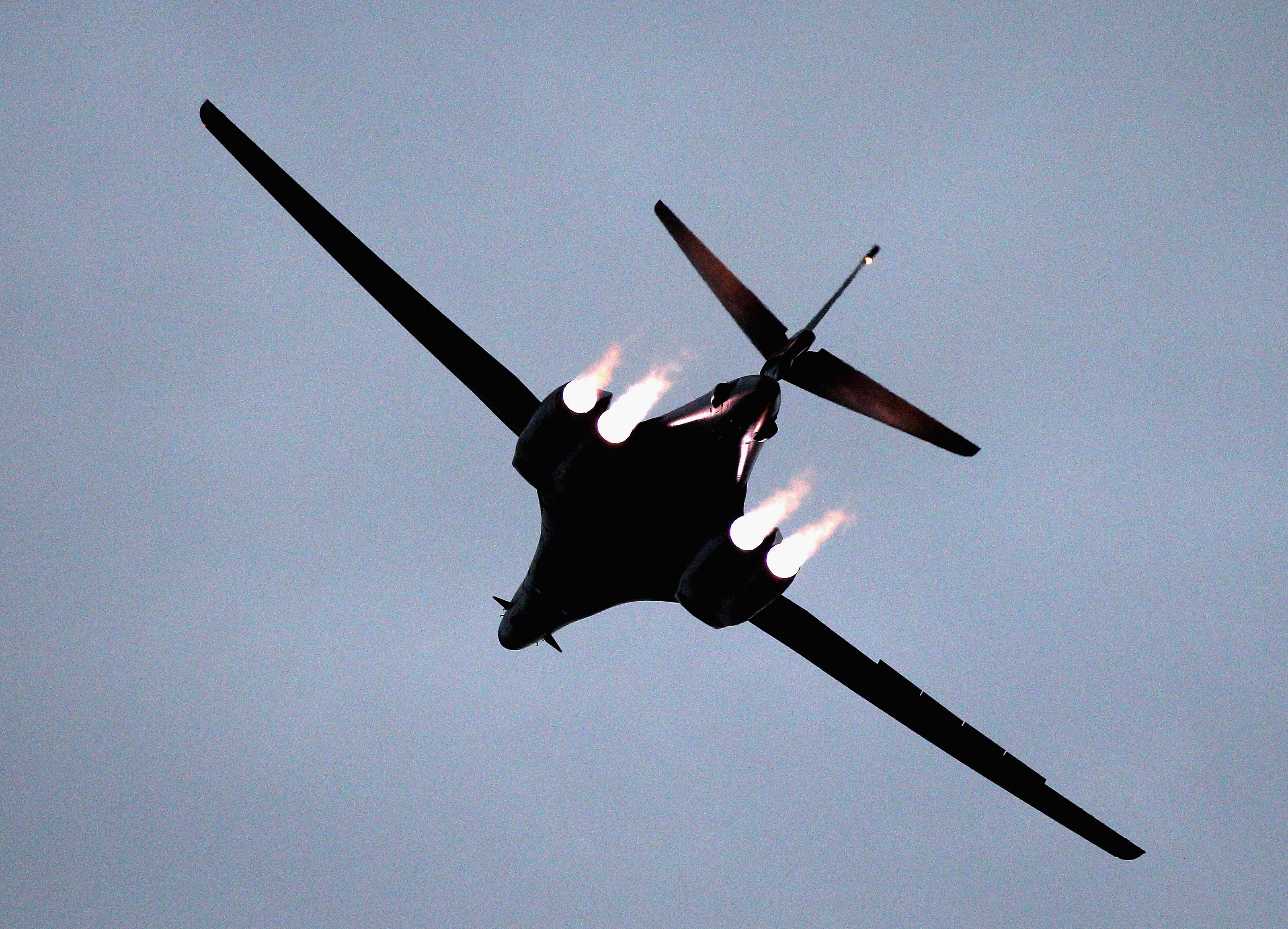
The US Air Force has introduced a new modular pylon system for its B-1B Lancer strategic bombers, addressing long-standing limitations related to the aircraft’s internal weapon bays.
The upgrade enables the aircraft to carry a wider range of modern and future munitions, including hypersonic missiles.
According to Defense Express on July 12, the US awarded Boeing a $78.7 million contract to supply an undisclosed number of Load Adaptable Modular (LAM) pylons.
The pylons were developed to expand the B-1B’s weapons configuration at minimal cost. Of the total contract amount, $10 million is scheduled to be paid in 2025, with the remainder allocated for the following year.
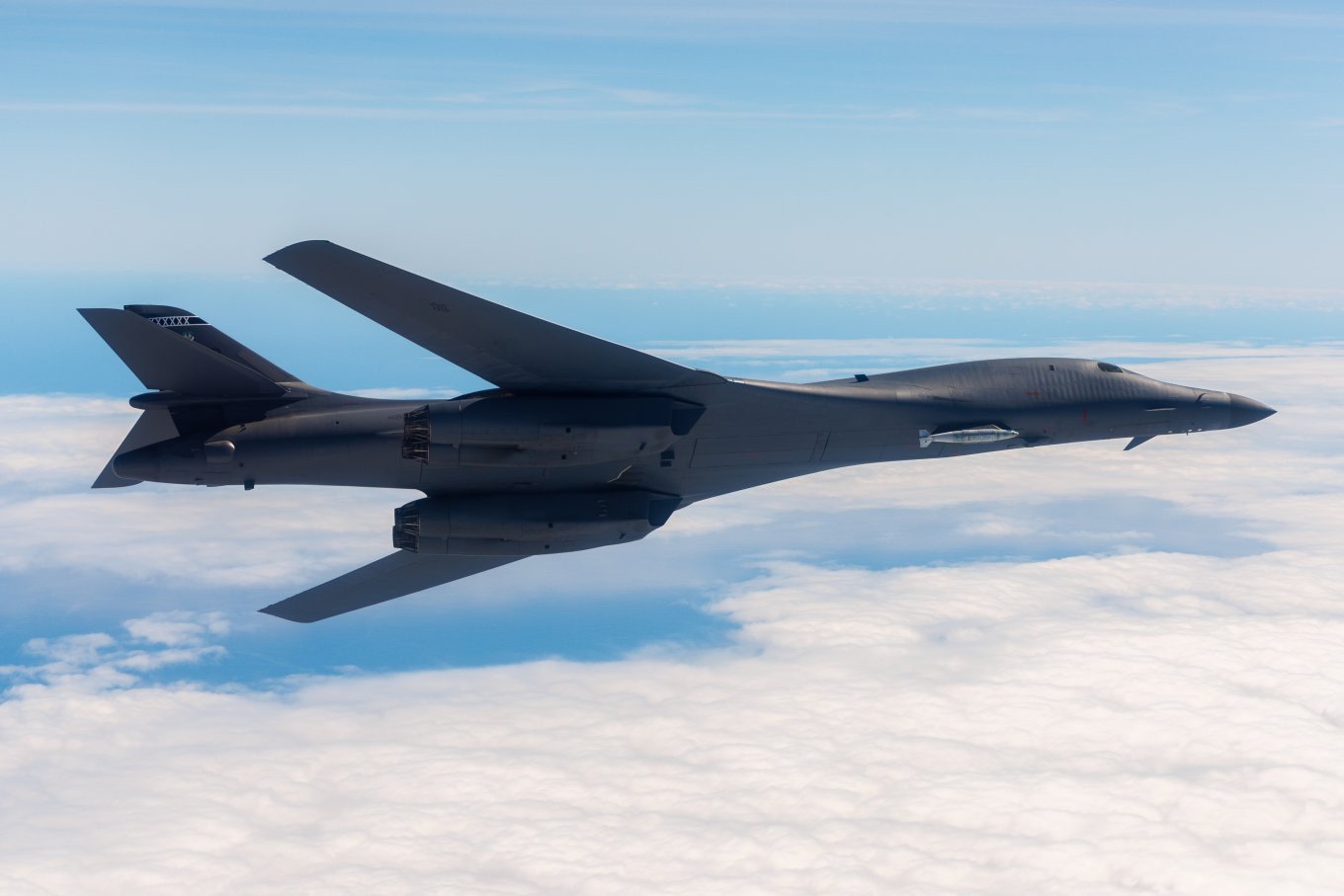
The B-1B, originally designed with three relatively small bomb bays, is limited in its ability to accommodate long-range and oversized weapons.
While the aircraft can carry up to 84 conventional bombs (Mk 82), its internal space restricts deployment of cruise missiles like the AGM-86 or newer systems such as the AGM-158 JASSM.
The new LAM pylons address this limitation by allowing external carriage of larger munitions.
Each LAM pylon is capable of supporting two 2,000-pound bombs or a single 5,000-pound weapon—making it compatible with current and future heavy missile systems, including hypersonic weapons. Up to six pylons can be mounted on a single B-1B.
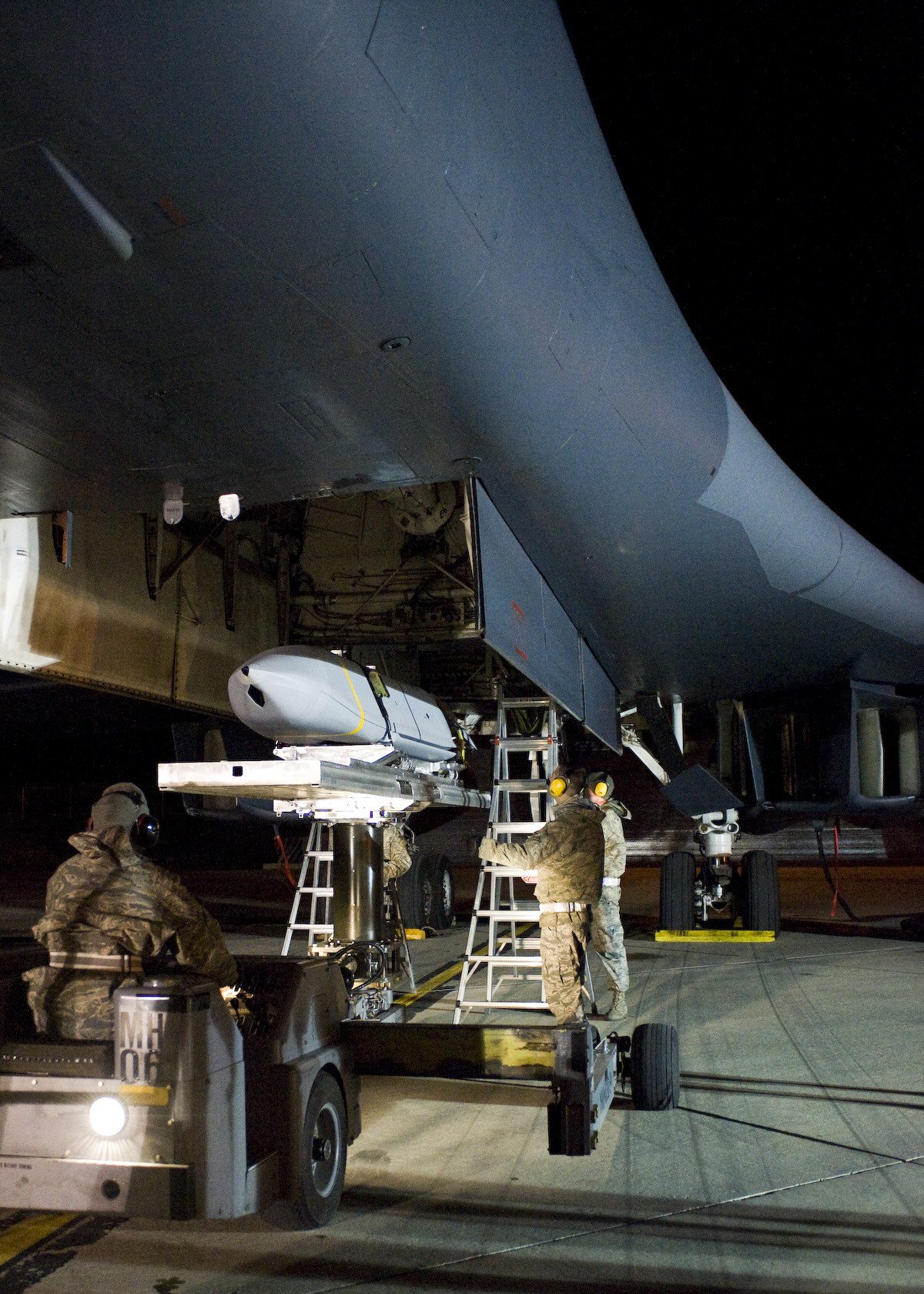
Originally developed by Boeing to support flight testing of the AGM-183 ARRW hypersonic missile—later canceled and recently revived—the LAM pylon is now being adopted more broadly. It enables the B-1B to carry missiles regardless of their dimensions, significantly enhancing the platform’s flexibility and combat potential.
The US Air Force has described the upgrade as a short-term solution aimed at bridging operational capability gaps until the arrival of the next-generation B-21 Raider bomber, which is projected to cost approximately $700 million per unit.
The solution echoes the approach used by Ukraine’s Air Force, which adapted NATO-standard missiles for its Soviet-era Su-27 and MiG-29 fighters through external mounting solutions—albeit to solve compatibility, not size, constraints.
Earlier, the US unveiled its next-generation stealth nuclear cruise missile—the AGM-181 LRSO—set to replace the aging AGM-86B. Developed by Raytheon, the $16 billion weapon is designed to evade advanced air defenses and strike deep into contested airspace.
It will enter service by 2030 aboard B-52J and B-21 bombers, reinforcing the US nuclear triad amid rising tensions with Russia, China, and North Korea.
Discuss this article:


-c439b7bd9030ecf9d5a4287dc361ba31.jpg "Photo of Katherina Popilnichenko")