- Category
- Latest news
America’s Most Secret Drone Emerges as Maduro Is Taken—And That’s No Coincidence
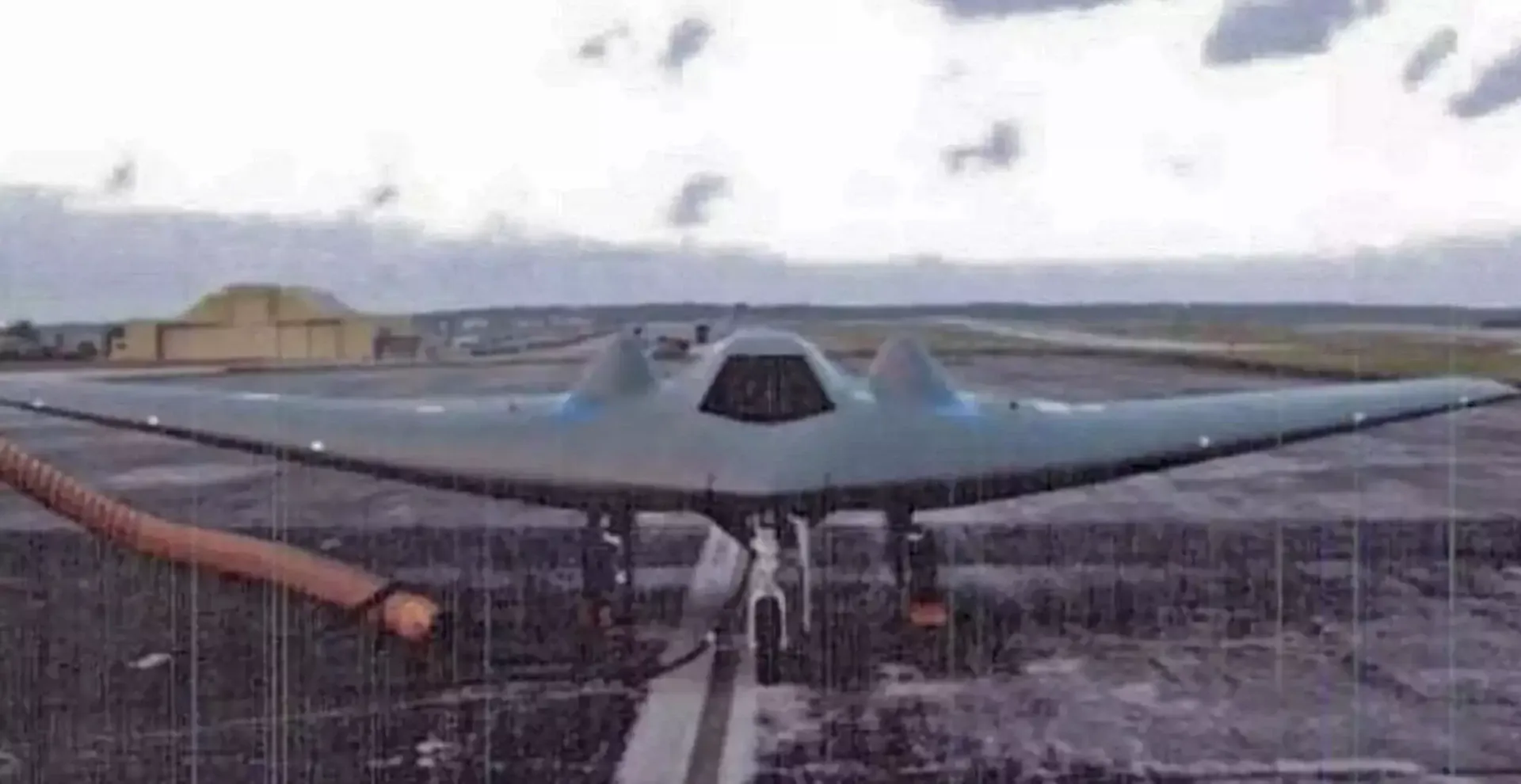
One of the US military’s most secretive surveillance aircraft—the stealthy RQ-170 Sentinel—appears to have been quietly deployed to support the high-risk operation that led to the capture of Venezuelan leader Nicolás Maduro, according to reporting by The War Zone on January 3.
 Prefer U24 Media on Google
- Authors




Available indicators suggest that at least one—and possibly two—RQ-170 Sentinels were involved in the operation.
Confirmed sightings of the aircraft during live missions are extremely uncommon due to the program’s deep secrecy.
We bring you stories from the ground. Your support keeps our team in the field.
The Sentinel is purpose-built for persistent intelligence, surveillance, and reconnaissance (ISR) in heavily defended airspace—exactly the kind of environment involved in tracking and isolating a high-value target like Maduro during a special operations raid, TWZ noted.
Rare images show a test flight of the American RQ-170 Sentinel UAV. pic.twitter.com/7GrW1IpoNz
— OSINTWarfare (@OSINTWarfare) October 27, 2025
Spotted returning to a Caribbean operations hub
Shortly after the operation, an aviation spotter in Puerto Rico recorded video showing what appears to be an RQ-170 returning to Roosevelt Roads, formally known as José Aponte de la Torre Airport.
Since September 2025, the former naval base has served as a key hub for expanded US military operations across the Caribbean and northern South America, forming part of a broader regional buildup of air, naval, and ground forces.
🚨 🇺🇸 🇻🇪 STEALTH MODE: ULTRA-RARE RQ-170 DRONE SPOTTED AFTER VENEZUELA STRIKES
— Mario Nawfal (@MarioNawfal) January 3, 2026
The U.S. RQ-170 “Sentinel,” one of America’s most secretive stealth drones, was caught on camera returning to Puerto Rico this morning.
According to reports, it had just finished supporting precision… pic.twitter.com/lSzyIltd2g
Subtle clues from US Air Force command
TWZ stated that additional circumstantial evidence surfaced in December, when Air Forces Southern Command posted and later removed—photographs taken at Davis-Monthan Air Force Base. One image showed a service member wearing insignia featuring the silhouette of the RQ-170.
The only publicly acknowledged operators of the Sentinel are the 30th and 44th Reconnaissance Squadrons, both assigned to the 432nd Wing, reinforcing speculation that the drone was flying operational missions linked to Latin America.
The original AFSOUTH post, the RQ-170 patch is on the first image on the right. https://t.co/UdsT33sX6s pic.twitter.com/z7FjKBjgPl
— SA Defensa (@SA_Defensa) December 19, 2025
What the RQ-170 is built to do
Developed by Lockheed Martin’s Skunk Works and introduced into service in 2007, the RQ-170 is designed around low observability and long-duration surveillance.
While its full specifications remain classified, open-source assessments suggest the drone can carry:
advanced radar with synthetic aperture imaging;
electro-optical and infrared sensors;
and possibly electronic or signals intelligence suites.
This sensor mix would allow operators to discreetly map Maduro’s movements, identify guard patterns, and monitor nearby threats in real time.
Close up of the RQ-170 Sentinel.
— 𝔗𝔥𝔢 𝕯𝔢𝔞𝔡 𝕯𝔦𝔰𝔱𝔯𝔦𝔠𝔱△ 🇬🇪🇺🇦🇺🇲🇬🇷 (@TheDeadDistrict) October 26, 2025
Two RQ-170 Sentinels going out to perform test flights.
10-15-2025
1/ pic.twitter.com/X45k1j94df
Real-Time eyes for the White House
During the mission itself, an overhead Sentinel would have provided live intelligence feeds to commanders—and potentially to senior political leadership, TWZ reported.
“I was able to watch it in real time, and I watched every aspect of it,” Donald Trump said earlier in a phone interview with Fox News.
Such real-time situational awareness mirrors the Sentinel’s reported role in previous US special operations.
What is known about RQ-170—and what still isn’t
The RQ-170 is designed with reduced observability across multiple electromagnetic spectra, achieved through a specialized non-metallic skin and stealth shaping.
According to open-source estimates, the drone uses a flying-wing configuration, with an approximate wingspan of around 40 feet (about 12 meters), a length of roughly 15 feet (4.5 meters), and a height of about six feet (1.8 meters).
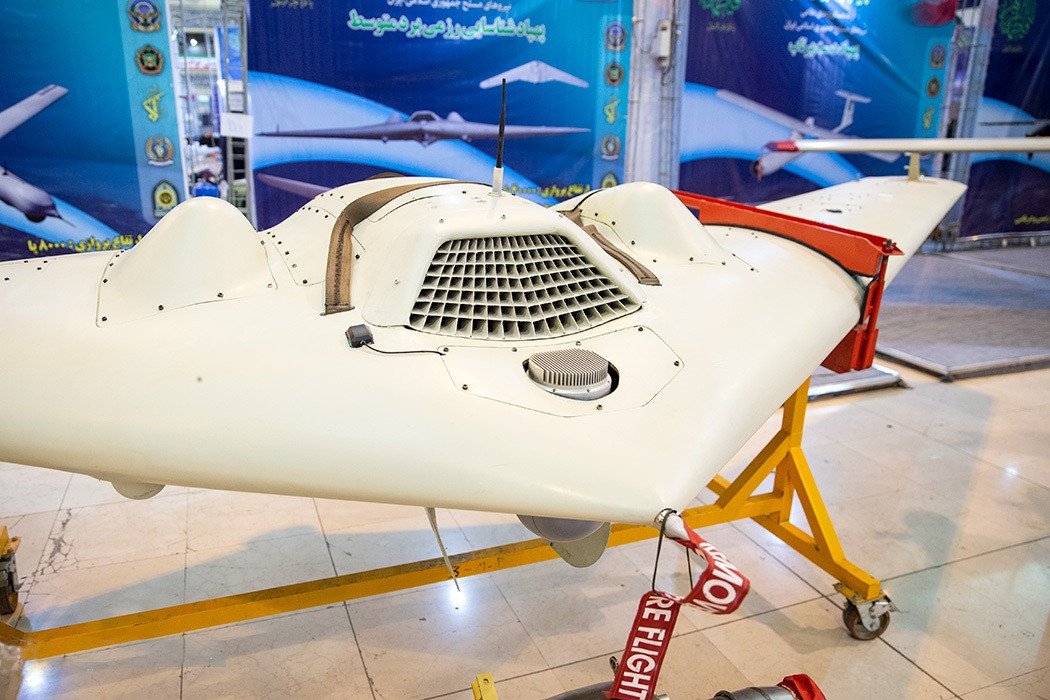
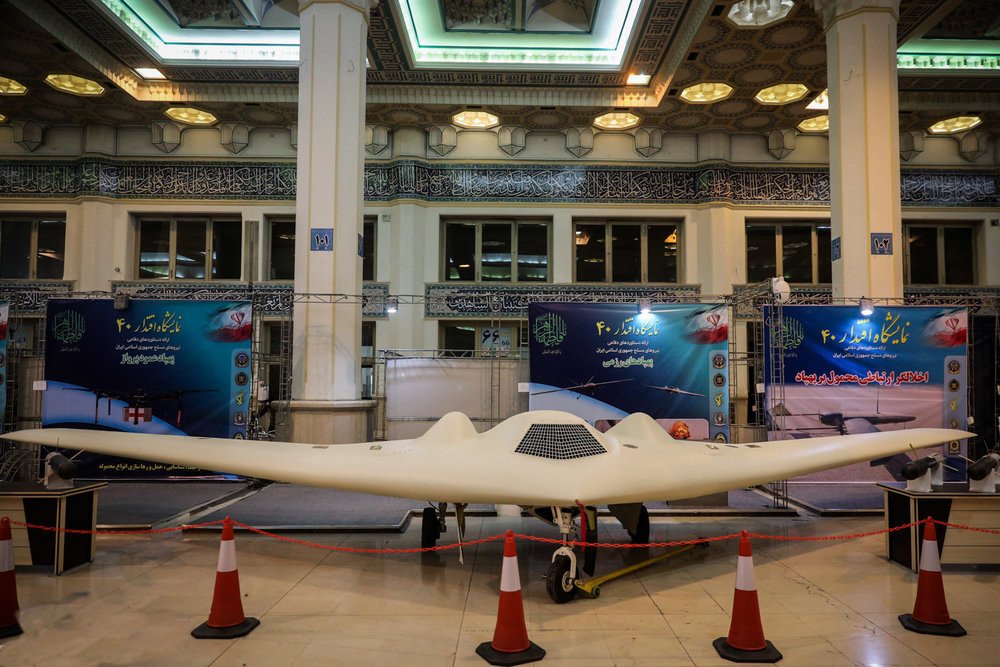
Despite having been in service for nearly two decades, much of the Sentinel’s performance data remains classified. One of the few confirmed losses occurred in Iran, where an RQ-170 was brought down intact in 2011.
Latest Google Earth Pro image from August 3, 2021 seems to show a Saegheh-1 or Saegheh-2 on a mobile launch platform in front of the main hangar of the military part of the airport. pic.twitter.com/nCCT4kww5Y
— Julian Röpcke🇺🇦 (@JulianRoepcke) September 13, 2021
Iranian defense industries later claimed to have reverse-engineered the aircraft, unveiling their own derivative drone known as Saegheh-2.
That incident, however, had an unintended side effect: it made the Sentinel slightly less mysterious. Since then, clearer images and more detailed visual assessments of the aircraft have surfaced online.
Even so, its true tactical and technical capabilities—including endurance, sensor suite limits, and communications architecture—remain closely guarded by the US military.
A drone with a long and quiet combat history
TWZ mentioned that the RQ-170 has been linked to several of the US military’s most sensitive missions, including:
surveillance operations preceding the 2011 raid that killed Osama bin Laden;
monitoring Iran’s nuclear facilities—one Sentinel was famously captured there in 2011;
possible flights near North Korean airspace;
and intelligence missions over or near Crimea during Russia’s war against Ukraine.
In each case, the Sentinel’s value lay in its ability to see without being seen.
A USAF RQ-170 Sentinel, c/s JOHNNY04 returns to PMD after a mission in the ranges to the north w/ his buddy JOHNNY5 (landed first) #TheBeastOfKandahar #RQ170 08-20-25 pic.twitter.com/2IW4Irufnd
— Matt Hartman (@ShorealoneFilms) August 21, 2025
Why it likely flew this time
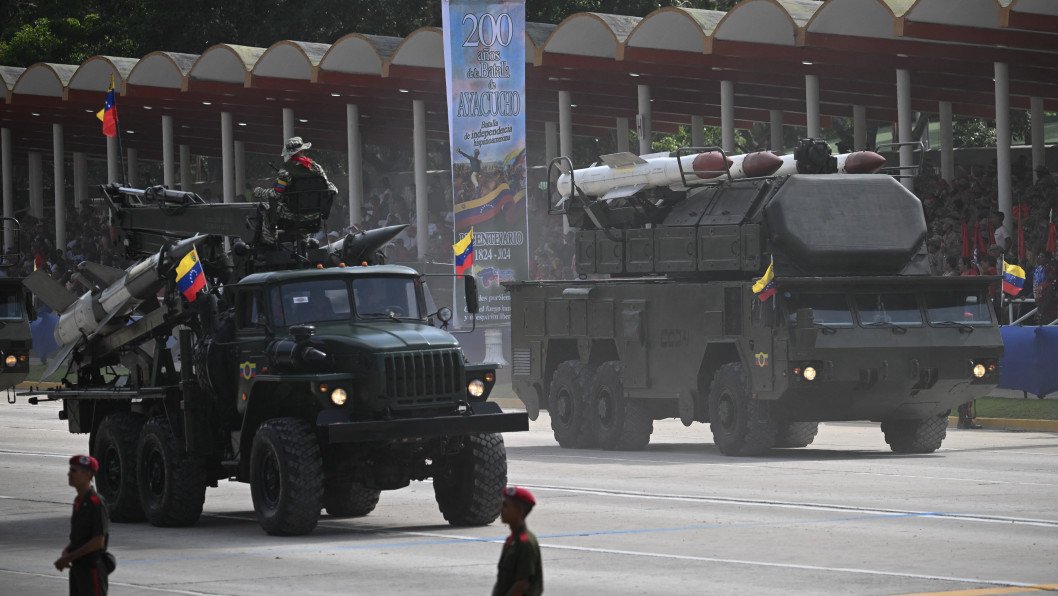
During a press briefing, US military leadership emphasized the role of Venezuelan air defenses in planning the operation—another factor that may have driven the decision to deploy the stealth drone.
Even limited air defense systems pose risks during sensitive raids, making the RQ-170’s low-visibility profile uniquely suited for such missions.
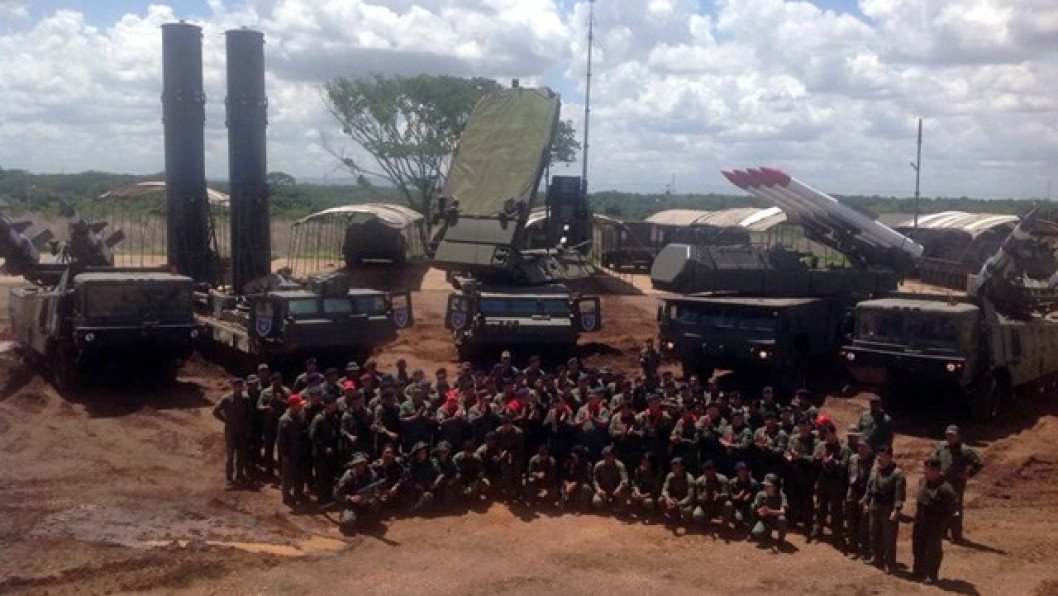
If confirmed, the Sentinel’s role in the Maduro operation underscores a clear message: when Washington wants near-perfect intelligence with minimal footprint, it still turns to its most secret drone—even nearly two decades after it first took flight.
Earlier, satellite images confirmed significant damage to Venezuela’s main military complex following US airstrikes conducted as part of Operation Absolute Resolve, aimed at detaining Venezuelan President Nicolás Maduro.
Discuss this article:


-c439b7bd9030ecf9d5a4287dc361ba31.jpg "Photo of Katherina Popilnichenko")