- Category
- Latest news
As Missiles Rained on Kyiv, Ukrainian Doctors Saved Three Children With Organs From a 4-Year-Old Girl
 Prefer U24 Media on Google
- Authors


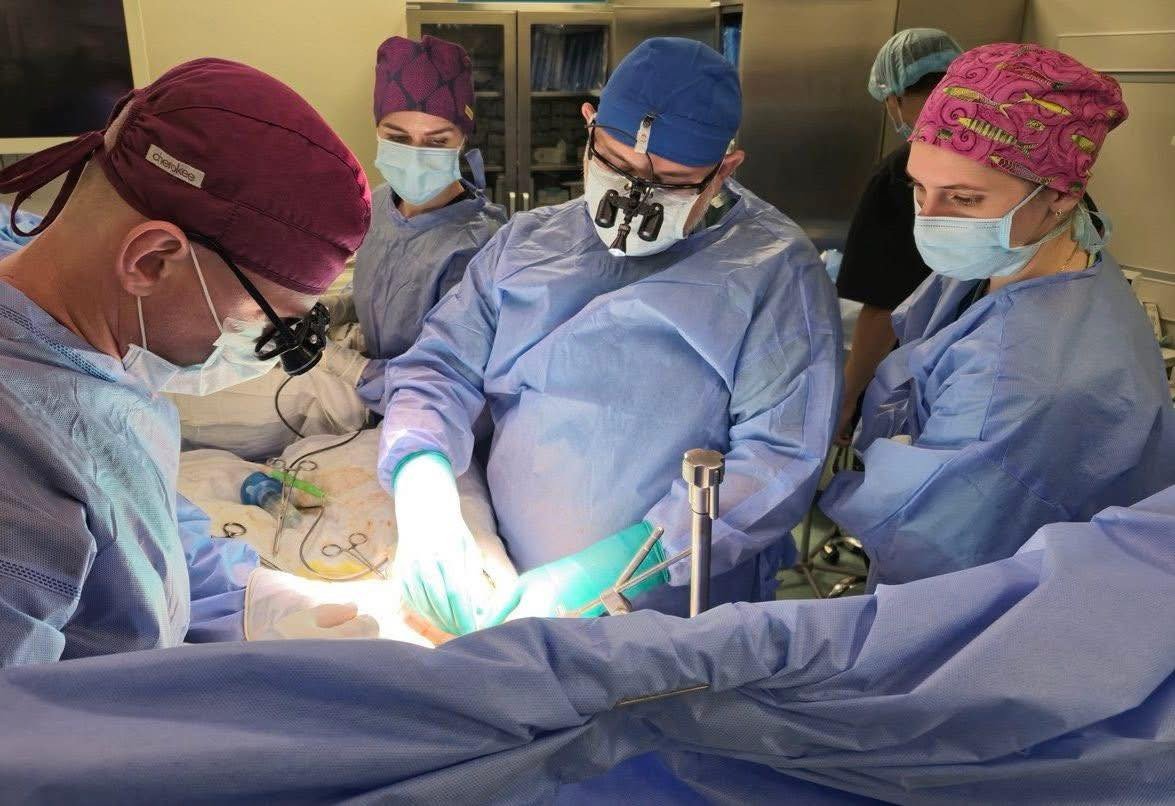
During a Russian missile and drone attack on Kyiv on the night of July 10, doctors at the National Children’s Specialized Hospital “Okhmatdyt” and the Heart Institute of Ukraine performed a rare and complex series of organ transplants.
The organs of a four-year-old girl, declared brain-dead earlier that night, were used to save three critically ill children. It marked the first case in the hospital’s history of post-mortem organ donation followed by immediate transplantation.
According to Okhmatdyt’s medical team, the young donor was transported to the hospital from the Zhytomyr region shortly before the night of the operation.
After doctors confirmed brain death, hospital staff and psychologists obtained consent for organ donation from the girl’s parents.

The decision initiated a rapid multi-agency coordination effort involving Okhmatdyt, the Ukrainian Transplant Coordination Center, and the national transplant registry.
Under continued air raid alerts and explosions, transplant specialists matched organs to three recipients—two of whom were already being treated at Okhmatdyt:
A 16-year-old girl with Wilson’s disease received the donor’s liver. She was in intensive care with the highest urgency status, and the transplant was considered her only chance of survival.
A 14-year-old boy, who had been undergoing dialysis for over seven months, received both donor kidneys.
The donor heart was delivered to the Heart Institute, where it was transplanted into a 12-year-old girl, also listed as an emergency-status patient.
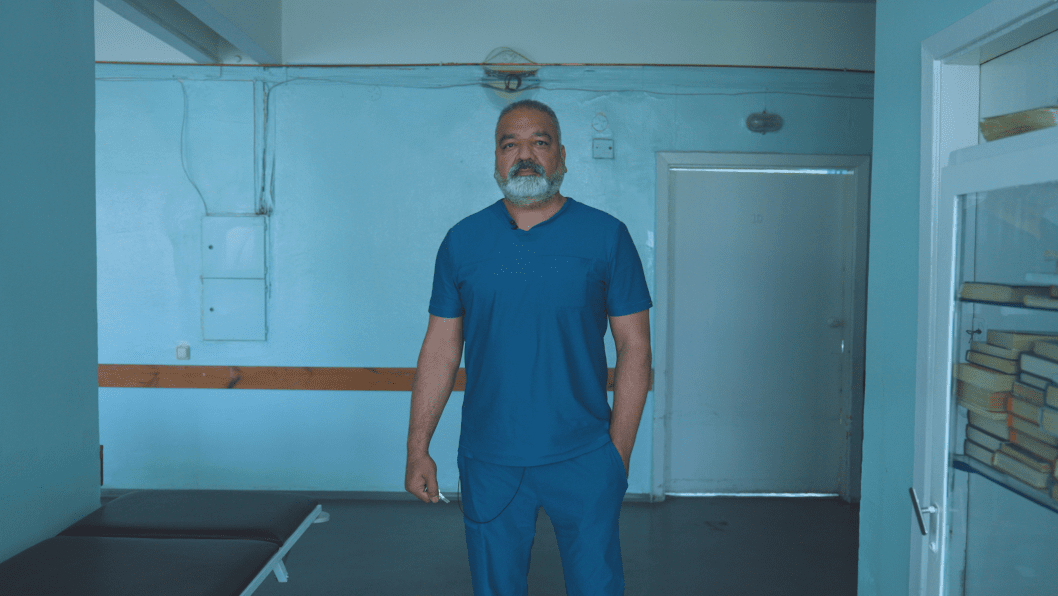
All three surgeries were performed overnight and lasted more than 13 hours. According to Dr. Oleg Hodyk, the lead transplant surgeon at Okhmatdyt, time was a critical factor—particularly for the heart, which can remain viable outside the body for only up to three hours.
Dr. Borys Todurov, director of the Heart Institute, personally delivering the donor heart by car as fires from Russian drone strikes burned nearby.
Despite ongoing aerial threats and the absence of safe shelters suitable for such sterile procedures, surgeries were conducted on the seventh floor of Okhmatdyt’s fully equipped operating suite.
“There was no way to move such operations underground. Everything—equipment, sterilization, and patient care—must remain at the highest standards,” said Anastasiia Morozova, pediatrician and transplant coordinator.
The hospital confirmed this was the first instance in which brain death diagnosis, organ procurement, and transplantation were all conducted on-site at Okhmatdyt. As of July 12, all three transplant recipients remained in intensive care.
Earlier, on July 8, 2024, a Russian missile strike devastated Okhmatdyt Children’s Hospital—killing staff and patients, destroying intensive care units, and halting critical treatments. The hospital became a symbol of both vulnerability and resilience. Since then, Okhmatdyt has rebuilt much of its infrastructure and continued operating under constant threat.
Discuss this article:


-c439b7bd9030ecf9d5a4287dc361ba31.jpg "Photo of Katherina Popilnichenko")