- Category
- Latest news
As Putin Was Briefed on Victory, Russian Troops Were Dying in a Kupiansk Pipeline
 Prefer U24 Media on Google
- Authors




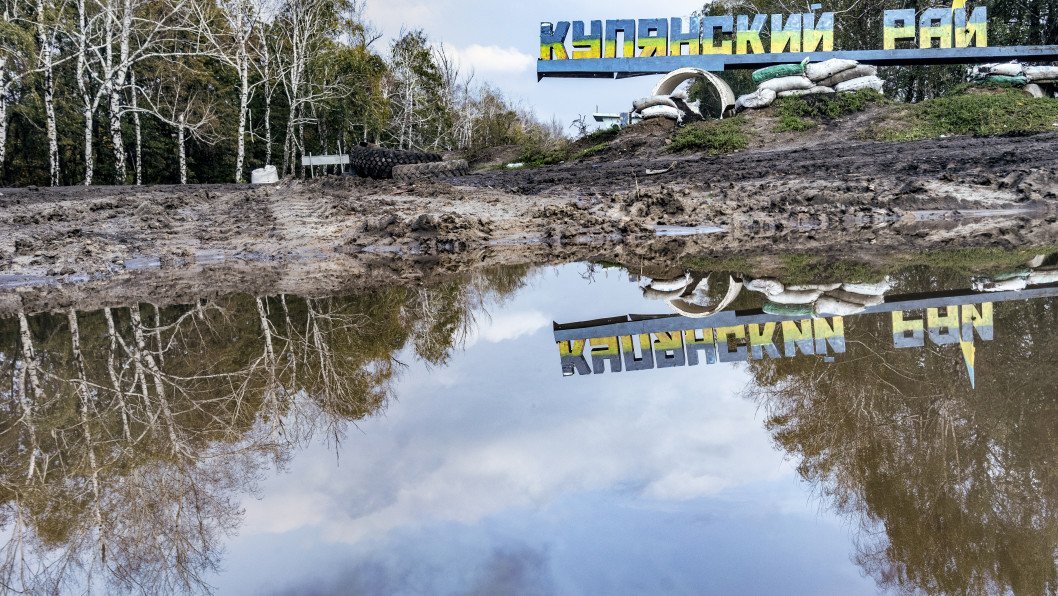
Russian leader Vladimir Putin has been briefed multiple times on the supposed capture of Kupiansk, a major railway hub in Ukraine’s Kharkiv region—most recently after Ukrainian President Volodymyr Zelenskyy visited the city—according to reporting by The Moscow Times on December 17.
The reality on the ground, however, appears to diverge sharply from those claims. Ukrainian forces have largely retaken Kupiansk following a months-long, largely covert operation that left Russian troops isolated inside parts of the city.
We bring you stories from the ground. Your support keeps our team in the field.
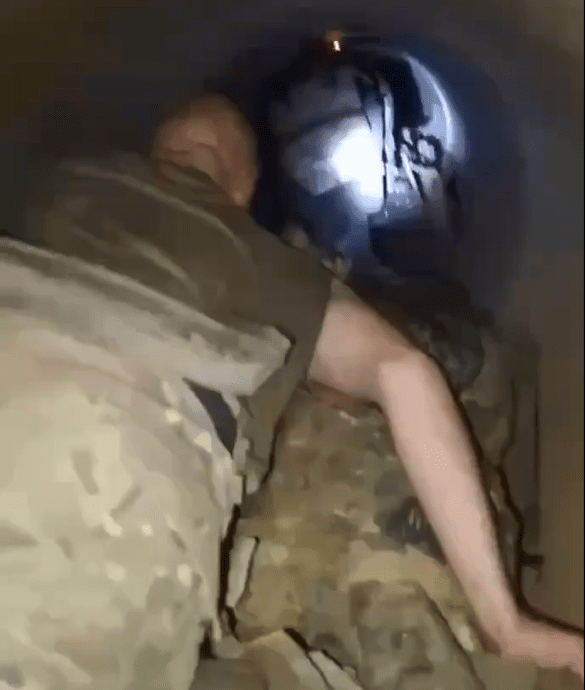
As Ukrainian units tightened their grip, Russian commanders reportedly attempted a familiar but risky tactic: sending reinforcements through a non-operational pipeline, echoing an earlier attempt near Sudzha in Russia’s Kursk region, The Economist reported. None of the soldiers sent through the pipe returned. Ukrainian troops told The Economist they had secured the exit point and eliminated anyone who emerged.
“Every day [they sent] a platoon,” said Ihor Raikov, commander of drone units with Ukraine’s 13th Operational Brigade “Khartiia.” “A platoon a day—that’s a thousand people a month.”
🔥 Ukrainian Armed Forces destroyed the pipe through which the Russians entered Kupyansk
— MAKS 25 🇺🇦👀 (@Maks_NAFO_FELLA) December 13, 2025
3 tons of explosives were used to destroy the pipe. pic.twitter.com/lqHPMmdy7u
The tactic had previously been used in March, when Russian generals routed troops through a main gas pipeline in an effort to retake Sudzha. Russian state media portrayed the move as a masterstroke, with Russian state media outlet TASS labeling it “legendary” within days.
Yet during the actual fighting, there were no credible reports of a breakthrough, and even pro-war Russian military bloggers questioned whether the so-called “Pipe Operation” had any meaningful impact. Many of the soldiers involved reportedly died during or after the attempt, some from exposure to toxic substances.
🇷🇺‼️🇺🇦“Pipe 3.0”: Russians cross the Oskil through a gas pipeline and enter Kupyansk, — Deep State
— Visioner (@visionergeo) September 12, 2025
Russian soldiers have built an entire logistical artery. The entrances to the pipe are located in the area of Pervyi Lyman. Specially designed wheeled beds and electric scooters… pic.twitter.com/iysexYj1mU
According to The Economist, Ukraine’s operation to drive Russian forces out of Kupiansk began on Ukraine’s Independence Day, August 25. By mid-September, the situation deteriorated after Russian units crossed the Oskil River, which runs through the city, and seized the central districts. That prompted Ukrainian units, including “Khartia,” to launch a full counteroffensive in late September.
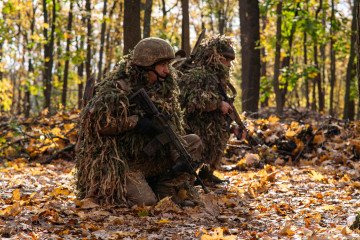
Throughout October and November, Ukrainian forces gradually pushed Russian troops out of the city and secured two villages north of Kupiansk, cutting key supply routes. Ukrainian military estimates suggest around 200 Russian soldiers may still be hiding in basements across the city.
Participants in the operation declined to explain how Ukrainian units avoided Russian drone surveillance, which has significantly expanded over the past year and now allows Moscow to monitor much of the front line. Ukrainian commanders say they hope to apply the same methods used in Kupiansk to future operations.
“These are things the enemy must not know,” said Ihor Obolenskyi, commander of “Khartia” and author of the initial operational plan, in comments to The Economist. “This is, above all, creative thinking, sensing the enemy, understanding his rhythm.”
On Wednesday, Ukraine’s top military commander, Oleksandr Syrskyi, told a meeting of the Ukraine Defense Contact Group that Ukrainian forces had “managed to push the occupiers back from Kupiansk and establish control over nearly 90% of the city.”
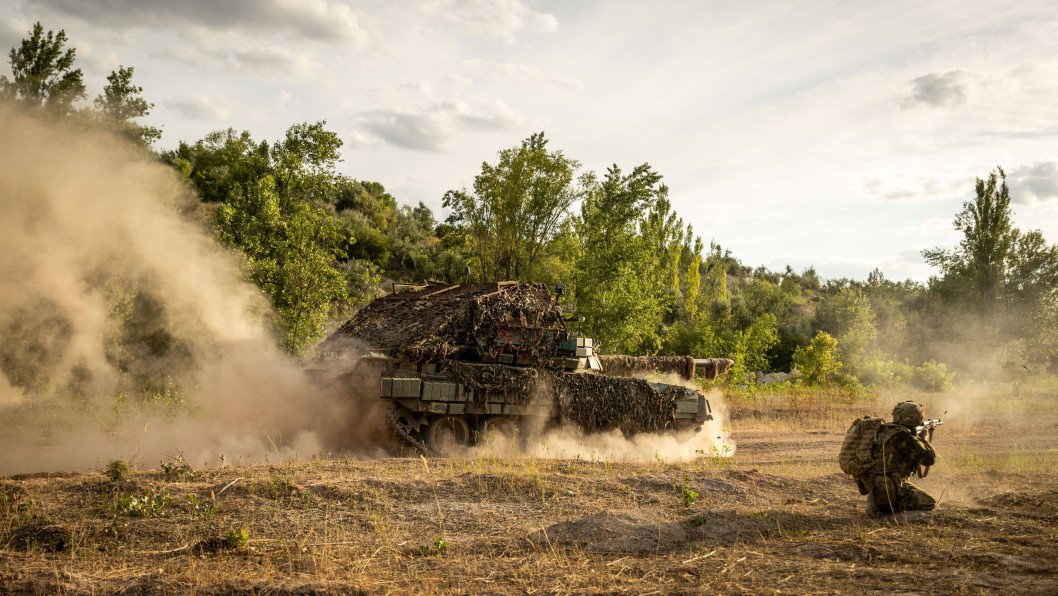
He also reported that Ukrainian troops had regained control of 16 square kilometers in the northern parts of Pokrovsk, in Ukraine’s Donetsk region, where Russian forces had gradually infiltrated and seized new districts in recent months.
Despite these developments, Russian officials have continued to relay a very different picture to the Kremlin. On November 20, Chief of the General Staff Valery Gerasimov reported to Putin that Kupiansk had been captured. A week later, Putin himself declared that “the enemy grouping in Kupiansk has been completely eliminated” and that the city was “fully in our hands,” later inviting foreign journalists to visit.
Several pro-war Russian bloggers subsequently accused Gerasimov of misleading the leadership. On November 12, Ukraine’s OSINT project DeepState reported that most of Kupiansk had been liberated, publishing maps showing Russian forces nearly encircled inside the city.
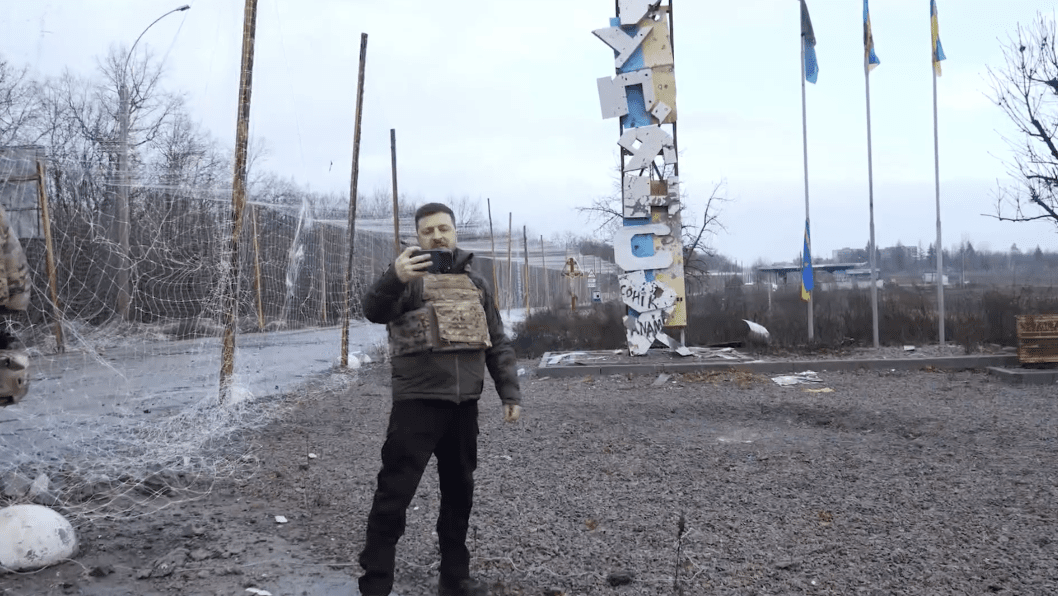
That same day, Zelenskyy arrived in Kupiansk and posted a video filmed at the city’s entrance. Yet on December 17, Russian Defense Minister Andrei Belousov once again told Putin that Kupiansk had been taken by Russia’s “West” group, claiming Ukrainian forces were “unsuccessfully trying” to regain control.
Earlier, reports emerged that Russian forces were shifting from large mechanized assaults to small infiltration teams, drone-guided “barefoot infantry” and so-called “masquerade warfare” around the embattled Ukrainian cities of Pokrovsk in the Donetsk region and Kupiansk in the Kharkiv region.
Discuss this article: