- Category
- Latest news
Banks in Central Asia and Balkans Tighten Controls on Russian Transactions
 Prefer U24 Media on Google
- Authors


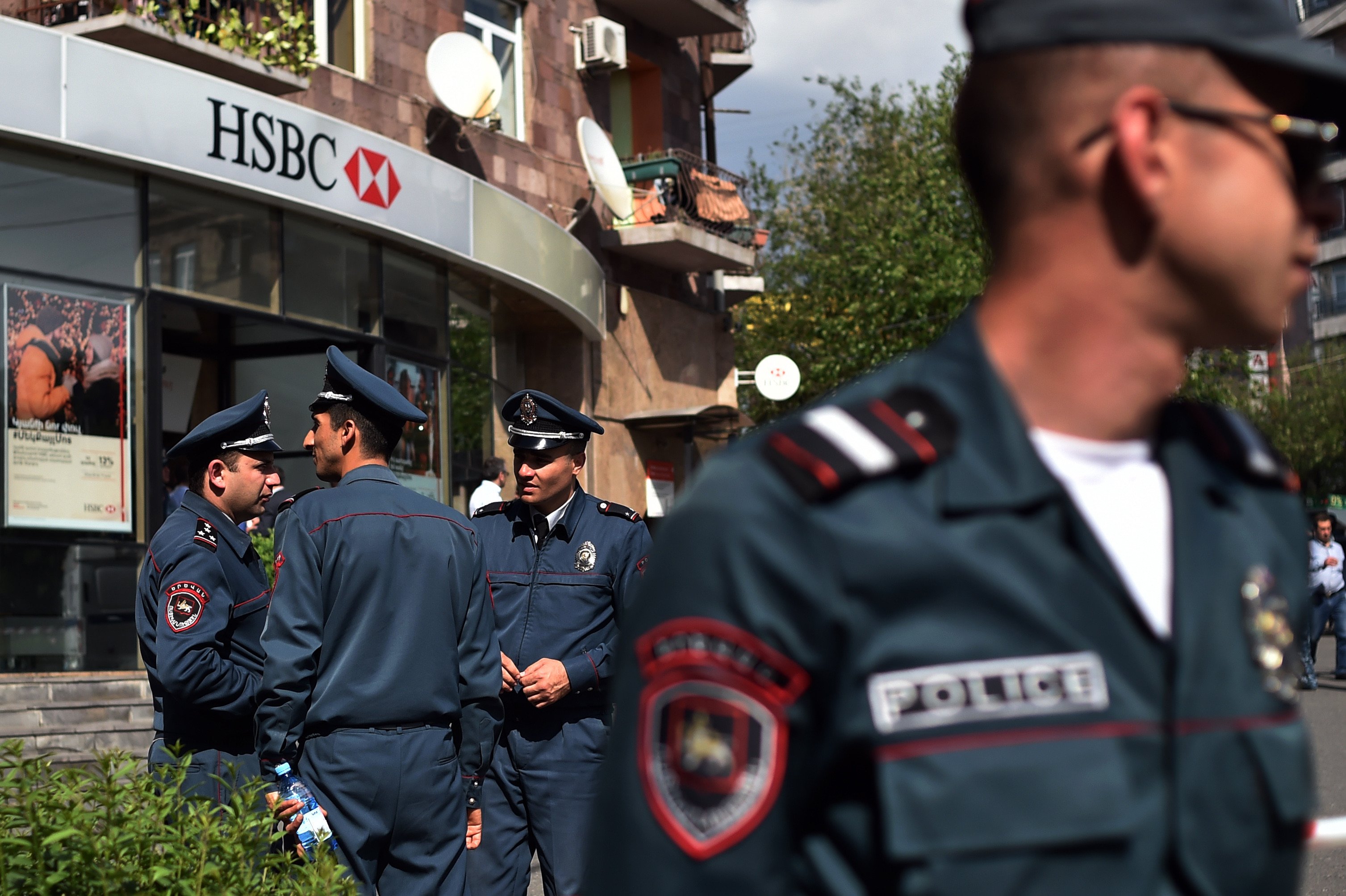
Banks in Armenia, Serbia, Kazakhstan, Tajikistan, Oman, and a number of other countries have significantly strengthened compliance procedures for clients with links to Russia.
The stricter checks affect both private individuals and corporate entities. In some instances, banks have frozen transactions or shut down accounts entirely, according to Ukraine’s Foreign Intelligence Service on December 23.
We bring you stories from the ground. Your support keeps our team in the field.
Although the stated purpose of these measures is to combat money laundering, fraud, and breaches of regulatory requirements, their real-world consequences are much wider.
The actions represent a broad set of steps aimed at aligning with domestic legislation, internal banking rules, and international compliance standards.
Financial institutions are now paying closer attention to the source of funds and the economic justification for transactions, especially cross-border transfers and currency operations. Clients are increasingly being asked to submit additional documents confirming long-term residence, formal employment, or legitimate business activity. If such proof cannot be provided, accounts may be blocked or payments declined.
The tougher oversight comes after the European Commission’s decision on December 3, 2025, to add Russia to the list of high-risk countries with “strategic deficiencies” in combating money laundering and terrorist financing. This move effectively requires banks in third countries to apply enhanced scrutiny to any dealings involving Russian residents.

Banks’ concerns about the risk of secondary US and EU sanctions, along with efforts to limit reputational damage, are cited as the main drivers behind the policy shift.
As a result, a gradual process of financial isolation for Russians is emerging, extending far beyond formal sanctions. Even in countries that have not officially joined sanctions regimes, ties to Russian capital are increasingly seen as an unacceptable risk.
Earlier, it was reported that European intelligence agencies believe Russia has launched a pressure campaign aimed at Belgium in an effort to block the use of its frozen assets to support Ukraine.
According to the report, the intimidation efforts have focused on senior officials at Euroclear, the Brussels-based financial services company that holds roughly $216 billion in immobilized Russian assets. The move comes amid ongoing discussions among EU leaders about redirecting those funds to help finance Ukraine’s defense and recovery.
Discuss this article:




-72b63a4e0c8c475ad81fe3eed3f63729.jpeg "Photo of Cyril Barabaltchouk")
-111f0e5095e02c02446ffed57bfb0ab1.jpeg "Photo of Roman Kohanets")