- Category
- Latest news
Berlin to House First Foreign Museum Documenting Russia’s War Against Ukraine
 Prefer U24 Media on Google
- Authors


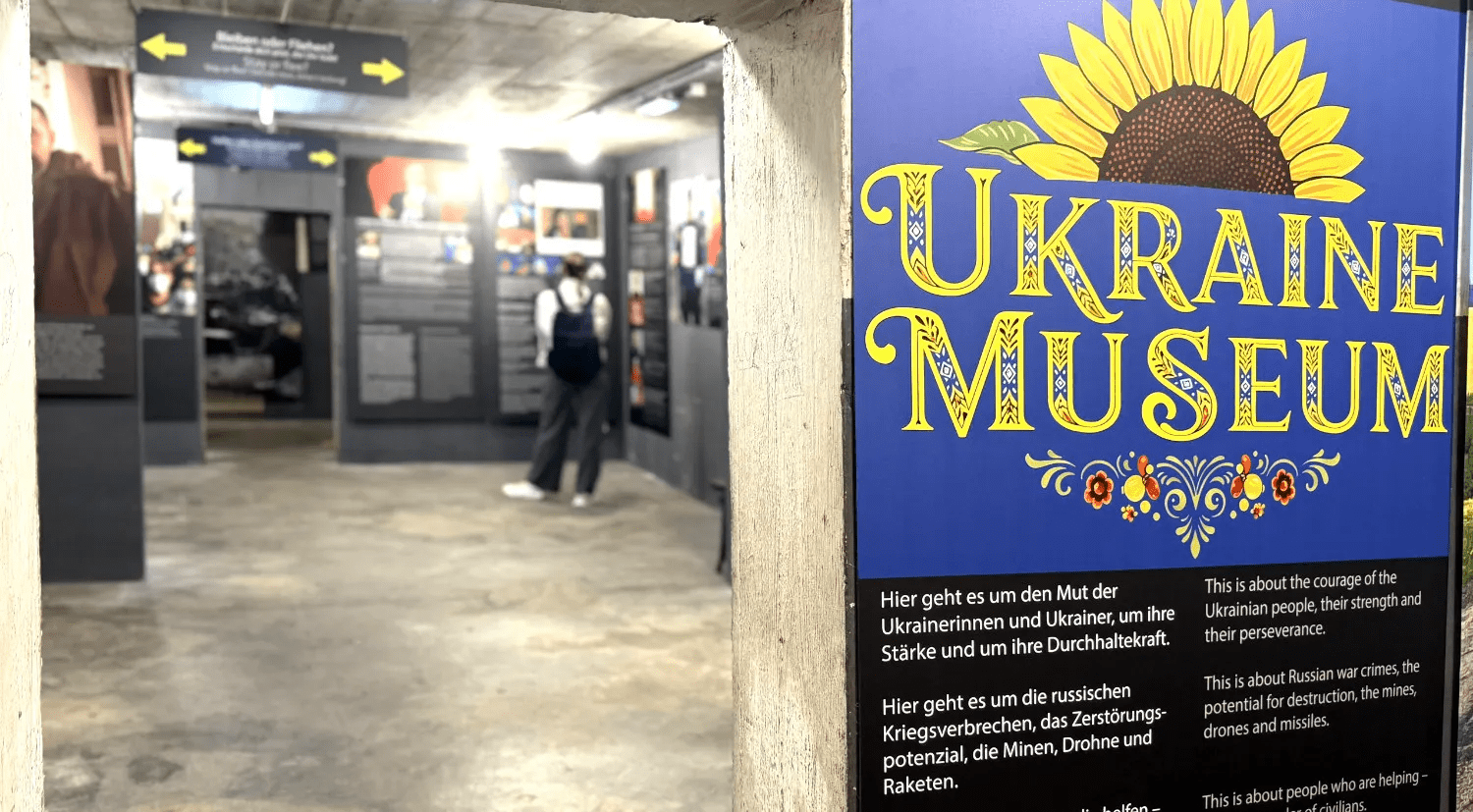
A Museum of Ukraine will open in Berlin on February 24, 2026, marking the fourth anniversary of Russia’s full-scale invasion. The exhibition will be housed inside the Berlin Story Bunker, as reported by RBC-Ukraine on February 20.
The project is being launched within one of the German capital’s most visited museums. Organizers describe it as the first museum abroad dedicated specifically to Russia’s war against Ukraine. Its aim is to show European audiences the reality of the war—something many have not witnessed firsthand.
We bring you stories from the ground. Your support keeps our team in the field.
The idea emerged in May 2025, when Berlin Story Bunker curators Enno Lenze and Wieland Giebel decided to transform part of the museum’s permanent exhibition on Germany into a display focused on Ukraine, according to RBC-Ukraine. Since then, they have traveled repeatedly to Ukraine, gathering artifacts, documenting evidence, and speaking with soldiers and volunteers.
According to the organizers, the exhibition deliberately presents the war through direct, physical evidence. Among the central exhibits is a destroyed evacuation vehicle from Kherson—a volunteer van attacked by a Russian drone on April 12, 2025. The vehicle was transported to Berlin bearing bullet holes and shrapnel damage.
“We brought the reality from the front line to Berlin. The idea for this Museum came to us spontaneously. Last year, around the end of April, Enno called me and suggested turning the Museum about Germany into a Museum about Ukraine. And since May last year, we have been implementing this idea,” Giebel said.
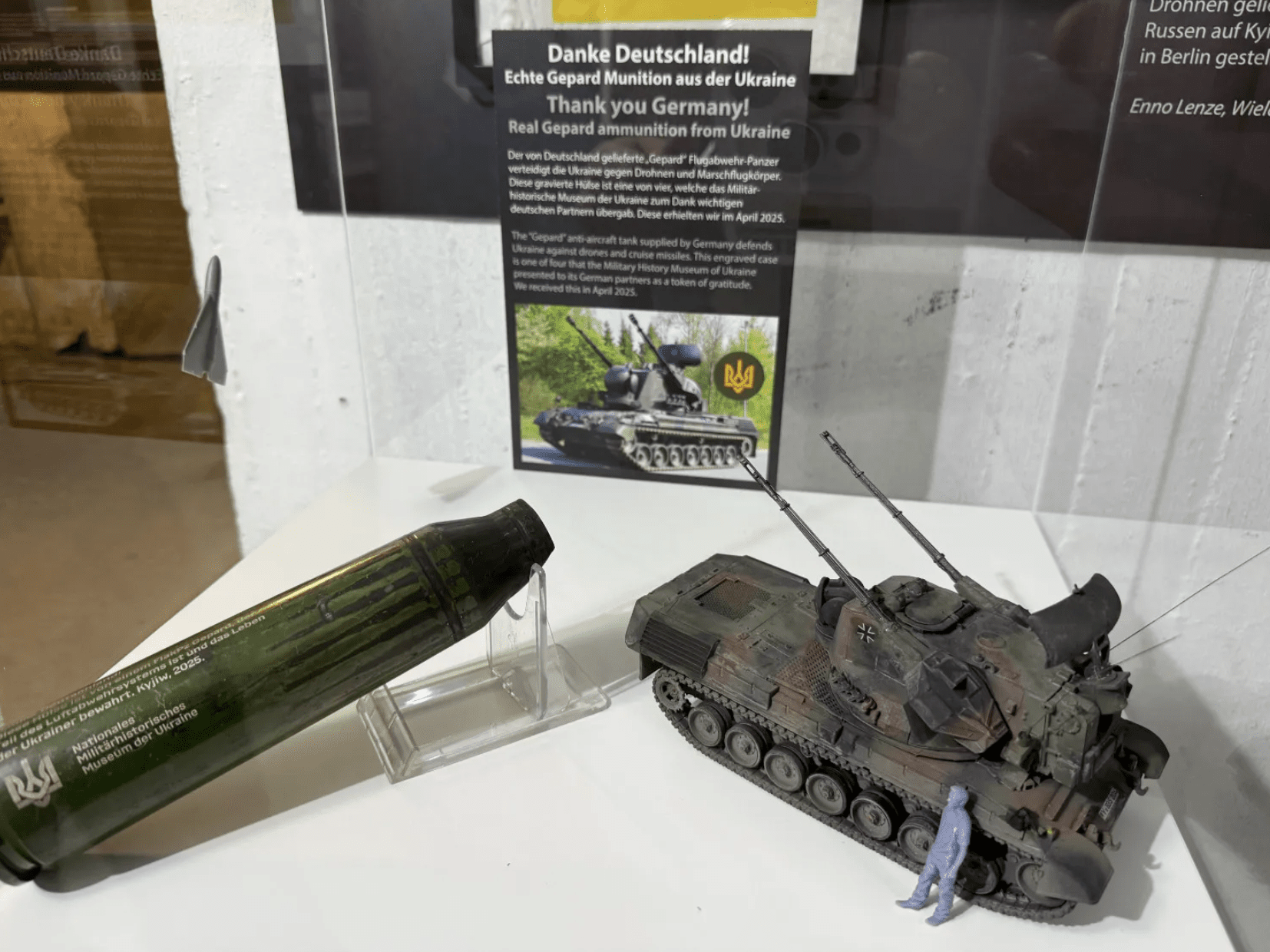

Other key exhibits include a captured Russian SuperCam drone with a 3.5-meter wingspan, seized in 2025; a prototype “Frankenstein” drone equipped with a laser rangefinder and artificial intelligence capable of autonomous targeting; a new model optical drone that cannot be jammed; and an active FPV drone installation that, in real time, locks onto visitors, allowing them to see themselves through a targeting crosshair on a monitor, according to the outlet.
In total, more than 20 drones and other weapons used in attacks against Ukraine are on display, making it one of the largest exhibitions of such equipment outside Ukraine.
The museum also features video testimonies from 30 participants in the war — soldiers, volunteers, and civilians.

“The foundation of this exhibition was that last winter I conducted interviews with about 30 Ukrainians—those who are living in Ukraine now and those who left after the war—to understand what motivated them to make their choices. That question opens the first room of the exhibition, where the stories of people who decided to leave and those who decided to stay are told,” Giebel added.
Earlier, organizers of a music event at King’s College London deleted a mention of the Russian Kalinka festival from their program after Ukraine’s Ministry of Foreign Affairs intervened.
In it’s statement published the ministry said the Ukrainian Embassy in London had contacted the organizers, stressing that highlighting a Russian festival is unacceptable while Russia continues its full-scale war against Ukraine.
Discuss this article:


-c439b7bd9030ecf9d5a4287dc361ba31.jpg "Photo of Katherina Popilnichenko")