- Category
- Latest news
Bracing for War, EU Begins Stockpiling Critical Materials and Emergency Reserves
 Prefer U24 Media on Google
- Authors


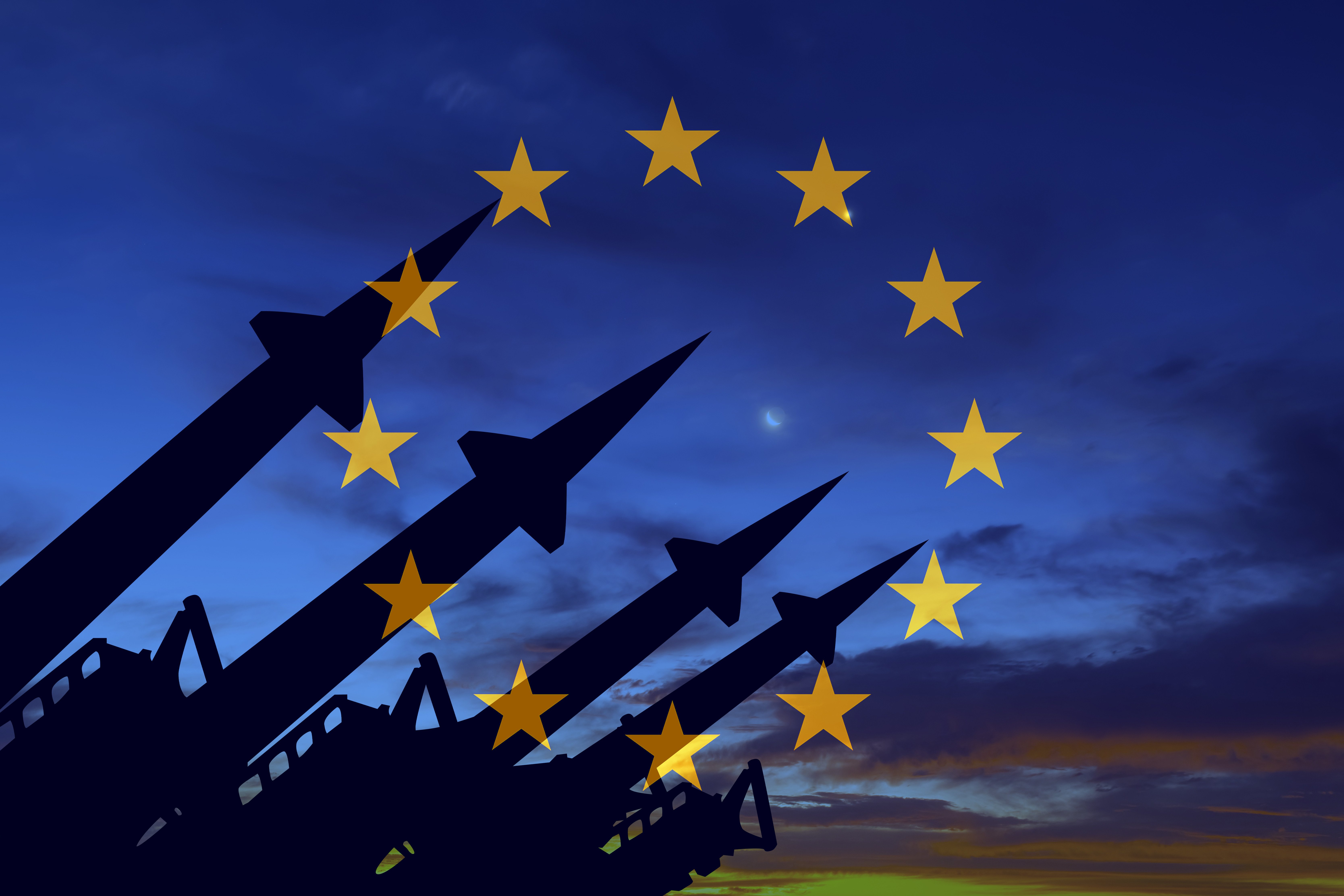
The European Commission is drafting a new strategy to establish strategic reserves of critical materials—including rare earth elements, food supplies, and repair equipment for undersea cables—amid growing concerns about geopolitical instability, including a potential military conflict with Russia.
According to a draft document obtained by Financial Times, the European Union faces “an increasingly complex set of escalating risks,” driven by military conflicts, climate change, environmental degradation, and hybrid and cyber threats.
In response, the EU plans to build a coordinated system of stockpiles across member states and at the Union level.
The strategy calls for joint reserves of essential items such as food, medicine, and nuclear fuel, while the EU itself would maintain supplies of critical raw materials like permanent magnets and rare earth metals. These materials are essential for energy infrastructure and defense technologies.
Another focus is infrastructure resilience. The Commission proposes storing key components to enable rapid repair of damaged energy and optical cables—an area of concern following recent incidents involving gas pipelines and telecommunications infrastructure in the Baltic Sea.
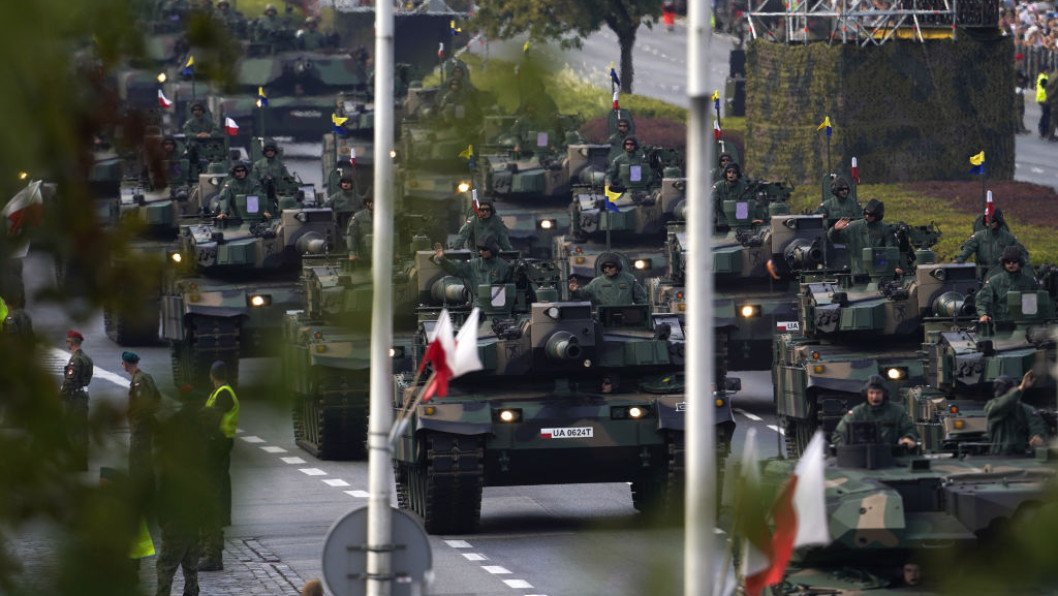
The initiative is part of the EU’s broader “Union of Preparedness” strategy, launched in March 2025, which urges both governments and citizens to be ready for emergencies. Citizens are advised to maintain a 72-hour supply of essential goods, while governments are expected to prepare regional and sector-specific inventories of high-priority resources.
The push for preparedness comes amid warnings from Western military officials that Russia could escalate its hybrid warfare into a conventional conflict with NATO countries within the next two to five years. In this context, the Commission underscores the need for better coordination with NATO in managing dual-use infrastructure and joint logistics.
The initiative aligns with decisions made during the June NATO summit in The Hague, where alliance members committed to allocating 1.5% of GDP toward civil resilience and security infrastructure, in addition to 3.5% dedicated to defense spending. This includes investments in roads and bridges for military mobility, cyber defense, and rapid crisis response.
A 2023 EU-commissioned report led by former Finnish President Sauli Väinämö Niinistö criticized the bloc for its lack of readiness in past emergencies, including the COVID-19 pandemic and Russia’s full-scale invasion of Ukraine.
The report called for shifting from “reactive measures to proactive preparedness,” identifying a potential Russian military incursion as a key threat.
The final version of the Commission’s strategy, including the definitive list of resources to be stockpiled, is expected to be released in the coming weeks.
Earlier, NATO Secretary General Mark Rutte warned that Estonia could become Russia’s next target within five to seven years if NATO fails to boost defense spending and readiness. In an interview with The New York Times, he stressed that while an attack is not imminent, the risk will grow unless the Alliance strengthens its deterrence capabilities.
Discuss this article:

-c439b7bd9030ecf9d5a4287dc361ba31.jpg "Photo of Katherina Popilnichenko")