- Category
- Latest news
Buk, Tor, Zoopark—Ukrainian Drones Tear Through Key Russian Systems
 Prefer U24 Media on Google
- Authors


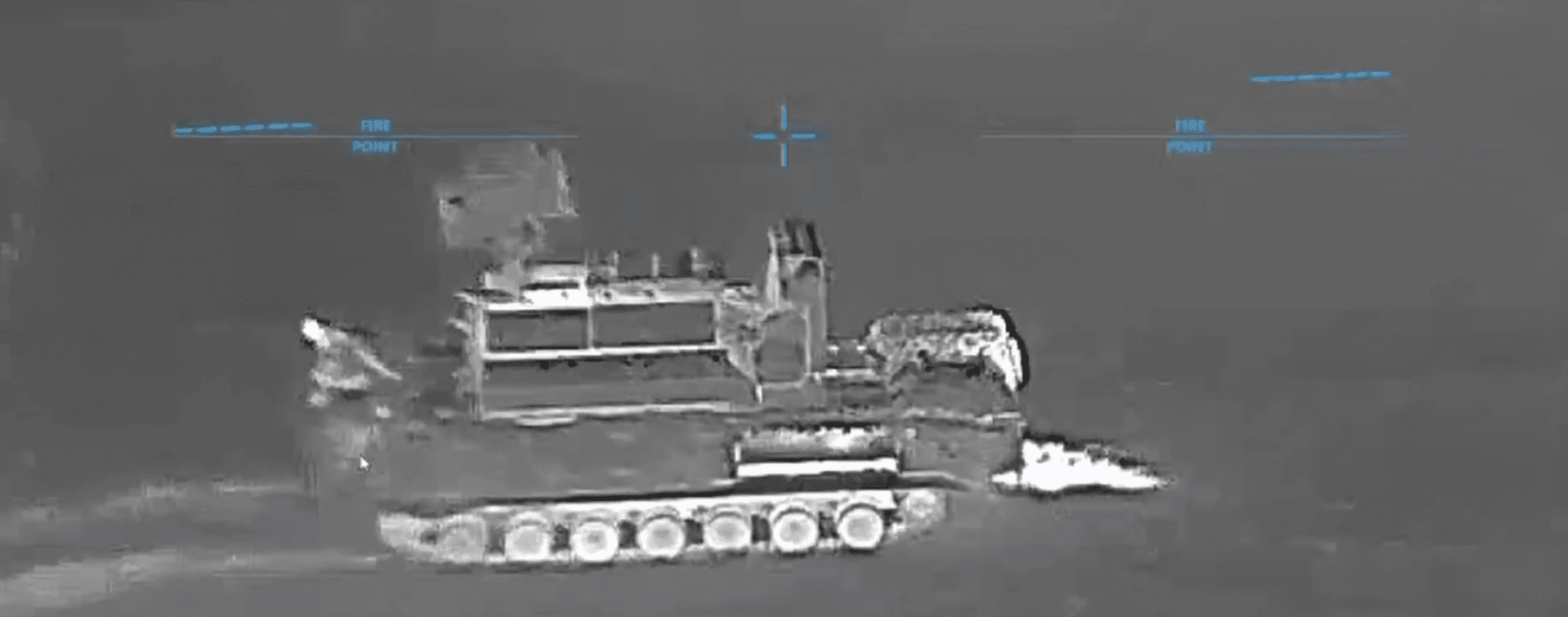
Ukrainian drones carried out a coordinated series of precision strikes across occupied territories, targeting some of Russia’s most advanced air defense systems, logistics hubs, and a key oil terminal in Crimea, according to footage released April 8.
The strikes were highlighted by the commander of Ukraine’s Unmanned Systems Forces, Robert “Madyar” Brovdi.
We bring you stories from the ground. Your support keeps our team in the field.
“We hunted down Buk, Tor, Zoopark, and paid visits to several military dens. We also burned the weeds around fuel tanks at the Marine Oil Terminal,” he said in a comment accompanying the footage.
According to the released materials, Ukrainian unmanned systems struck a range of critical assets across multiple occupied regions.
Among the confirmed targets:
a Buk-M3 surface-to-air missile system in the temporarily occupied part of the Zaporizhzhia region;
a Tor-M2 air defense system in the temporarily part of the occupied Donetsk region;
a Zoopark-1M counterbattery radar in the temporarily occupied part of the Zaporizhzhia region;
logistics warehouses in the city of Sukhodilsk, Luhansk region;
drone storage sites and pre-flight preparation facilities in the temporarily occupied Donetsk region.
A fiery Easter egg was delivered to the oil terminal in Feodosia as part of “Easter Delivery.” Birds of the USF hunted down a Buk, a Tor, a Zoopark, and paid visits to a number of military dens.
— 414 Magyar's Birds (@414magyarbirds) April 8, 2026
• Pre–Clean Thursday weed burning around fuel tanks at the Marine Oil Terminal in… pic.twitter.com/jvzZrY2pqA
The Tor-M2 is designed to counter a wide spectrum of aerial threats, including drones and cruise missiles, and is widely used by Russian forces to defend against Ukrainian UAV operations.
The Buk-M3, a modernized variant introduced in 2016, serves as a key component of Russia’s layered air defense network. It is capable of engaging aircraft, cruise missiles, and other aerial targets at distances of up to 70 kilometers and altitudes reaching 35,000 meters.
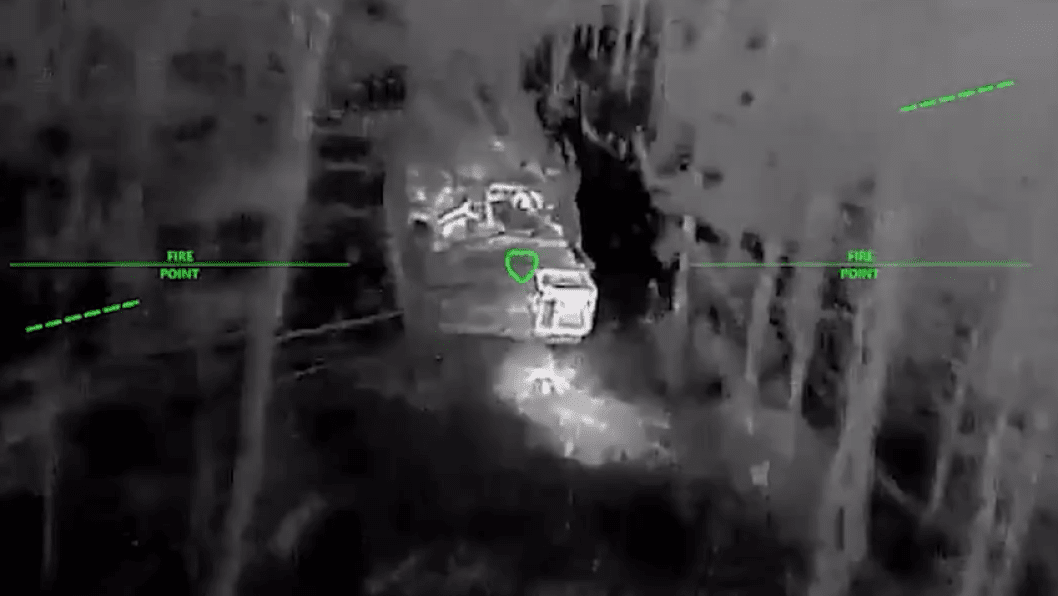
One of its notable features is the use of sealed launch containers, allowing missiles to be stored and fired directly from canisters. A single launcher can carry up to six ready-to-fire missiles, supported by additional reload vehicles.
Despite these capabilities, the loss of such systems can significantly degrade air defense coverage, creating openings for follow-on strikes by drones, aircraft, or precision-guided munitions.
Open-source estimates suggest that a single Buk-M3 launcher may cost between $40 million and $50 million, making its destruction both a tactical and financial blow.

The Zoopark-1M radar system, also targeted in the strikes, plays a critical role in counterbattery operations by detecting incoming artillery and calculating firing positions for rapid response.
Mounted on a tracked chassis, it can detect artillery fire at distances of up to 23 kilometers and rocket launches up to 45 kilometers, while tracking multiple targets simultaneously.
Due to its advanced capabilities and limited numbers, the Zoopark-1M is estimated to cost around $24–25 million per unit.
Earlier, Ukrainian drone forces destroyed a critical Russian air defense radar and damaged a Tor-M2 system in coordinated strikes targeting Moscow’s layered air defense network in occupied eastern Ukraine.
Discuss this article:
-4a56a6b482ec132402c16ef6fcabf9a2.png)

-c439b7bd9030ecf9d5a4287dc361ba31.jpg "Photo of Katherina Popilnichenko")