- Category
- Latest news
China Rebuilt Its Soviet-Era Destroyer—By Removing Everything Russian
 Prefer U24 Media on Google
- Authors


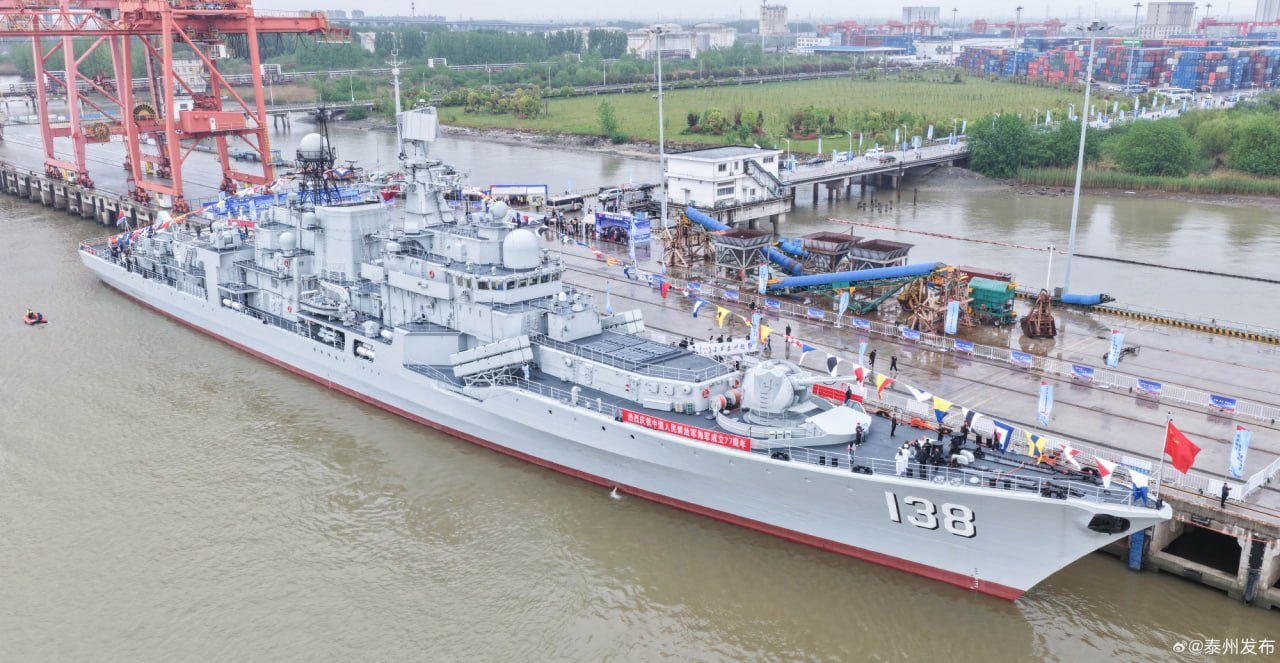
China has completed a deep modernization of a Soviet-designed Project 956E destroyer, replacing nearly all original Russian weapons and systems with domestically produced alternatives.
We bring you stories from the ground. Your support keeps our team in the field.
According to Defense Express on April 27, the upgraded vessel—identified as the destroyer Hangzhou—was publicly displayed during events marking the anniversary of the People’s Liberation Army Navy.
The outlet reports that the modernization involved a full replacement of the ship’s strike, air defense, and close-in weapon systems.
After undergoing comprehensive modernization and upgrades, the destroyer Taizhou (No. 138) entered Taizhou via the Yangtze River to participate in the public open day activities.
— China pulse 🇨🇳 (@Eng_china5) April 24, 2026
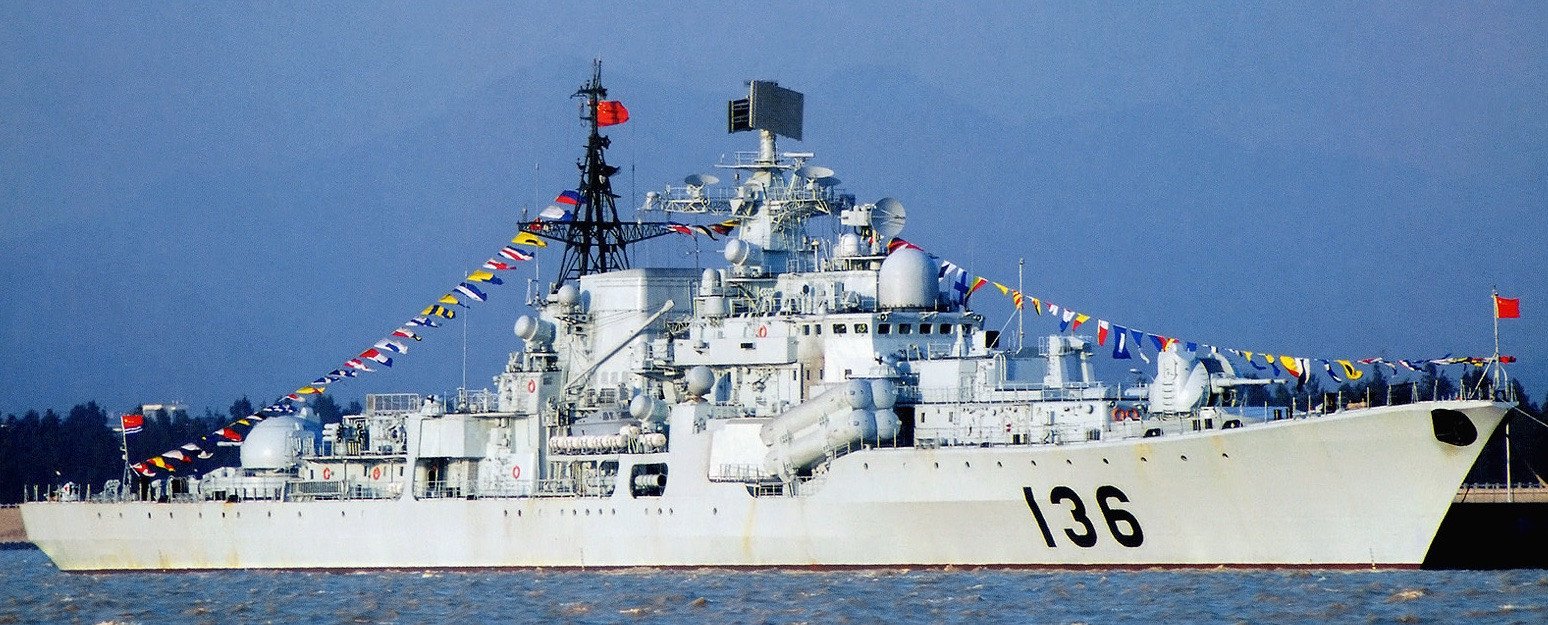
Compared to her sister ship, the destroyer No. 136, the upgrades on the No. 138 were more radical… pic.twitter.com/pnqOowcgBM
Originally equipped with eight P-270 Moskit anti-ship missiles with a reported range of up to 120 km, the vessel now carries Chinese YJ-12 anti-ship missiles with a range of up to 500 km.
The previous naval air defense system, based on the Russian “Uragan” (export version “Shtil”), has been replaced by the HQ-16 system, which uses vertical launch cells and has an extended engagement range of up to 70 km.
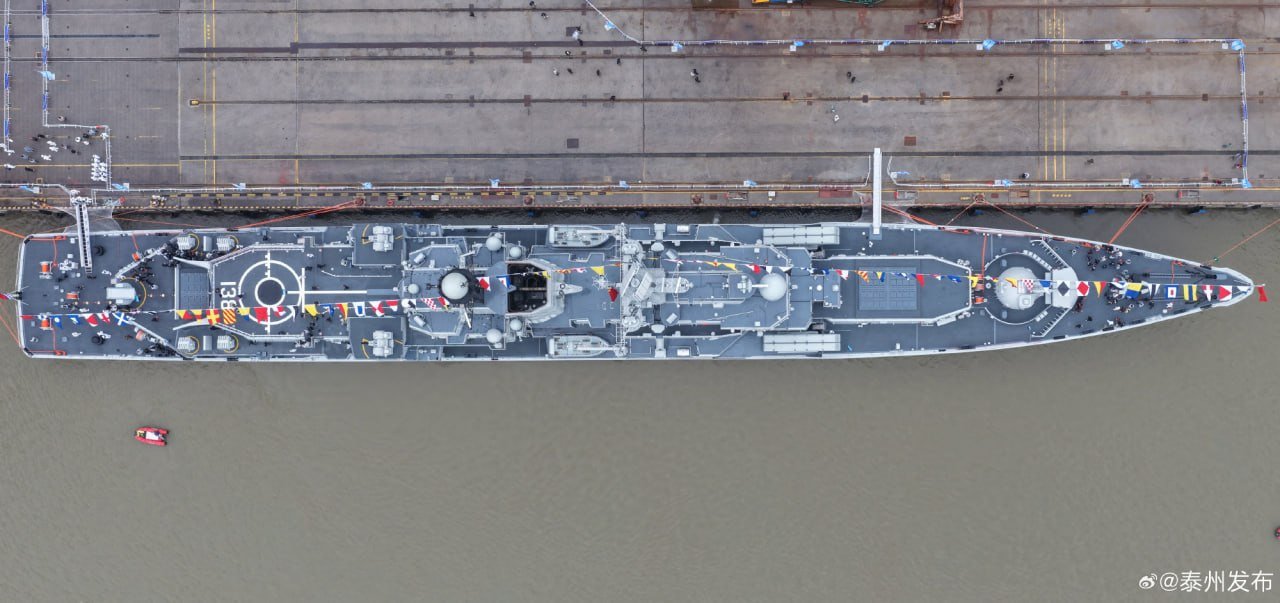
Defense Express reports that the upgraded destroyer now features 48 vertical launch cells, which can also deploy Yu-8 anti-submarine missiles. Close-in defense systems were replaced with the Chinese Type 730 CIWS and HQ-10 short-range air defense system, described as analogous in role to the US RIM-116.
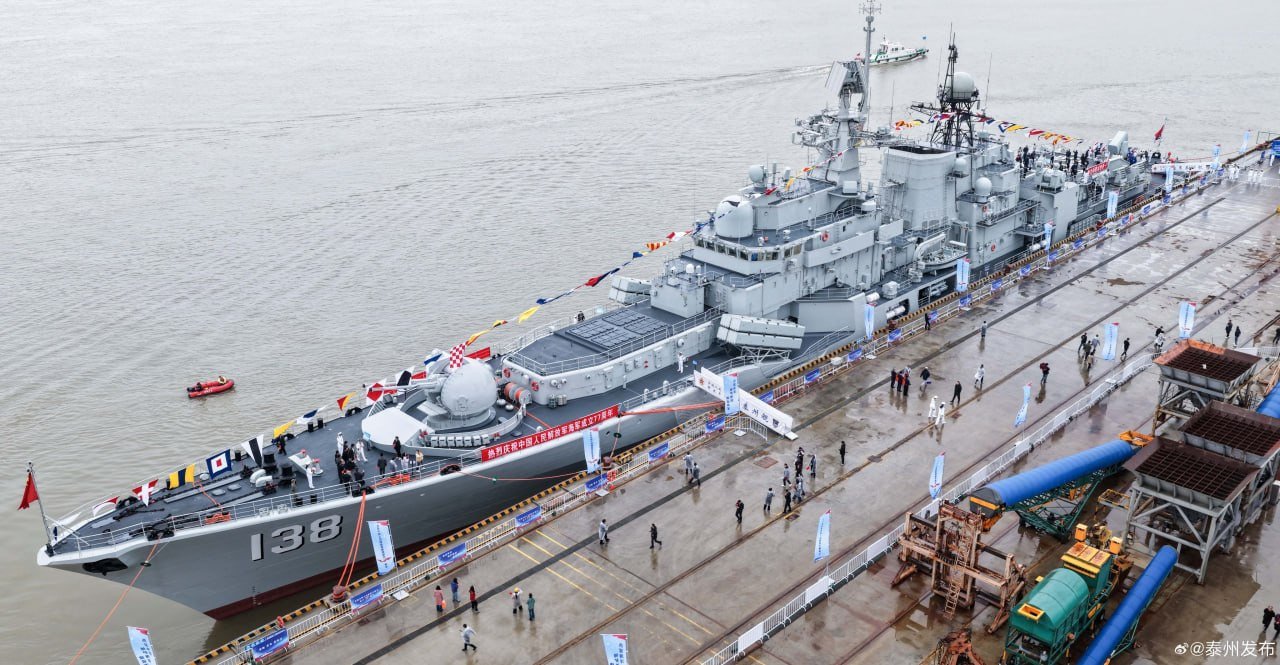
Additional modifications include the replacement of twin 533 mm torpedo tubes with triple 324 mm launchers and the installation of a countermeasure system identified as H/RJZ-726-4A. The only major original weapon retained is the AK-130 130 mm naval gun.
The outlet also notes visible changes to the ship’s radar and electronic systems, suggesting a broader upgrade of onboard combat management architecture. However, the Fregat-M2 air search radar appears to have been retained.
According to Defense Express, the Hangzhou was originally built in the Soviet Union, launched in 1988, and transferred to China in the 1990s. The report indicates that similar upgrades could be applied to other Project 956E destroyers operated by China.
Earlier, China tested a modified civilian container ship, ZHONG DA 79, equipped with modular air defense systems capable of carrying up to 60 surface-to-air missiles hidden inside standard shipping containers. The vessel is part of a broader effort to adapt commercial ships for military use, with additional systems including radar, CIWS, and decoy launchers observed during initial sea trials.
Discuss this article:
-9a7b3a98ed5c506e0b77a6663f5727c5.png)


-c439b7bd9030ecf9d5a4287dc361ba31.jpg "Photo of Katherina Popilnichenko")