- Category
- Latest news
China–Russia Trade Falls Nearly 9% in 2025 Amid Sanctions Pressure
 Prefer U24 Media on Google
- Authors


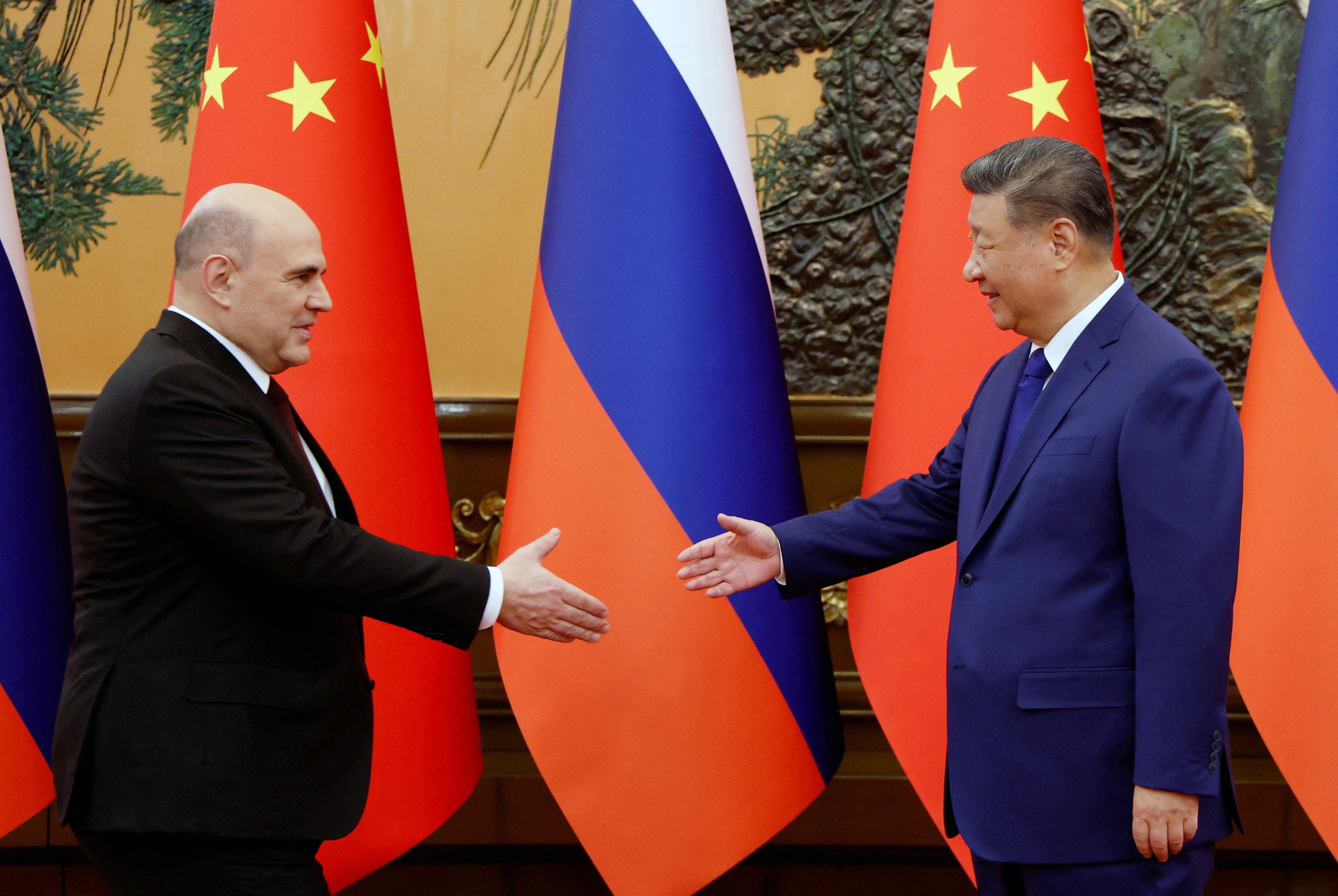
In the first ten months of 2025, trade between China and Russia dropped by 8.7% year-on-year, totaling $184.7 billion, according to data from China’s General Administration of Customs.
Chinese exports to Russia fell 11.9% to $83.5 billion, while Russian exports to China—mostly energy products—declined 5.9% to $101.2 billion.
By contrast, in the first eleven months of 2024, bilateral trade between the two countries exceeded $200 billion. Back then, European sanctions on Moscow pushed Russia to rely heavily on the Chinese market for a wide range of imports. China supplied everything from microchips and cars to shovels and excavators, helping sustain the Kremlin’s wartime economy while also supporting China’s own manufacturing sector, The Wall Street Journal reported, while The New York Times noted that Moscow sold oil and natural gas to Beijing at steep discounts.
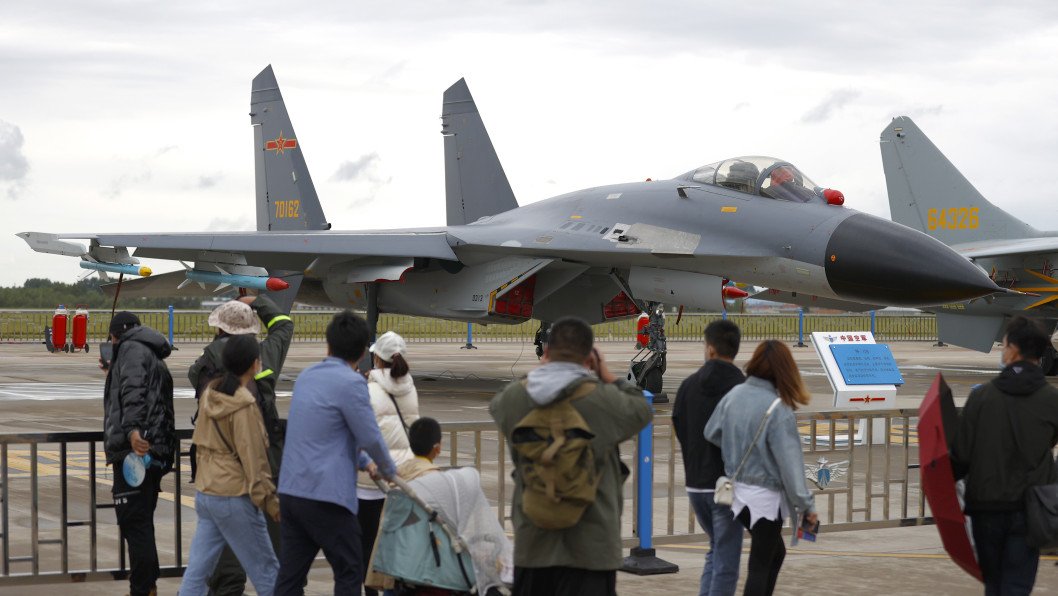
China’s total trade with the rest of the world, however, rose 3.6% over the same period to $5.3 trillion. The country’s largest trading partner remained the European Union, with bilateral turnover up almost 5% to $696.2 billion.
Trade with the United States, by contrast, fell sharply—down 15.9% overall. Chinese exports to the US slid 17%, while imports of American goods dropped by nearly 12%.
In October 2025, several major Chinese companies—including PetroChina, Sinopec, CNOOC, and Zhenhua Oil—suspended purchases of Russian crude following new US sanctions. According to Reuters, China had been importing nearly 1.4 million barrels of Russian oil per day by sea. Much of that supply was bought by independent refineries, many of which are now expected to pause purchases as well.
Previously, it was reported that Chinese investors are increasingly purchasing land and developing hotels along the shores of Lake Baikal, displacing local Russian businesses and strengthening Beijing’s economic foothold in Siberia, according to Ukraine’s Foreign Intelligence Service on November 3.
Discuss this article:
-8321e853b95979ae8ceee7f07e47d845.png)


-c439b7bd9030ecf9d5a4287dc361ba31.jpg "Photo of Katherina Popilnichenko")