- Category
- Latest news
Could Horses Make a Comeback? British Army Puts Cavalry Skills to the Test
 Prefer U24 Media on Google
- Authors


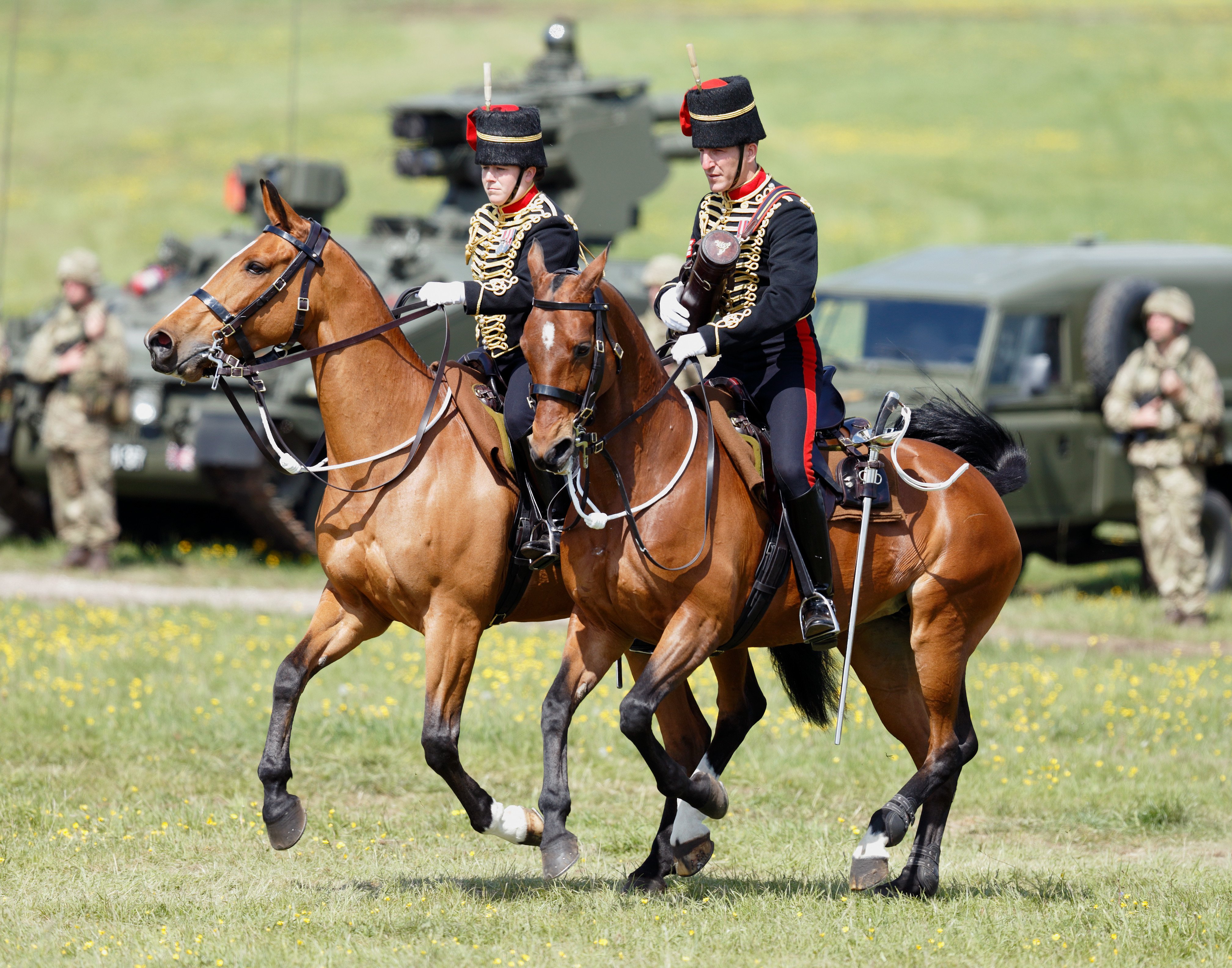
The British Army is exploring whether horses could once again play a practical role in modern warfare, drawing on lessons from allied forces and recent battlefield experience, according to BFBS Forces News on April 24.
While the last cavalry charge in British military history took place in 1917, the idea of mounted units is being revisited—not for traditional combat, but for mobility in difficult terrain where vehicles struggle.
We bring you stories from the ground. Your support keeps our team in the field.
The concept gained attention after Estonia’s Defence League established a small mounted unit, arguing that horses can move effectively across muddy, forested, or snow-covered ground where armored vehicles face limitations, according to Forces News.
The British Army has since incorporated similar ideas into its own training. Troopers from the Household Cavalry Mounted Regiment, typically associated with ceremonial duties, recently took part in a mounted navigation exercise at the Barossa Training Area at the Royal Military Academy Sandhurst.
The Household Cavalry has handed over to Lord Strathcona’s Horse (Royal Canadians) who will take up the iconic daily ceremonies outside Horse Guards for the next ten days 🐴 🇨🇦
— British Army 🇬🇧 (@BritishArmy) July 11, 2025
Find out more ⬇️https://t.co/0rG5ci6Dd4 pic.twitter.com/vZ6XscA6wz
The drill was integrated into the Princess Elizabeth Cup—an annual competition dating back to 1949, originally focused on showcasing the best-presented soldier and horse. This year, however, the event took on a more operational dimension.
Participants were required to navigate challenging terrain on horseback, locating targets using only a map and compass. GPS and other digital tools were not permitted, forcing soldiers to rely on traditional navigation skills while managing the unpredictability of their mounts.
“It was incredible to ride through the woods, especially at speed!” said 18-year-old Trooper Speirs, who took part in the exercise representing The Blues & Royals.
“My horse, Passchendaele, is really fast – he spooks at a lot of things. Some signs swinging in the wind had him rearing up, but I stayed on and kept going. Reading a map while trotting though is really hard!” he added.
Lieutenant Colonel Ben McNeil, commanding officer of the regiment, said the exercise was designed to test adaptability under pressure.
“A cavalryman is platform-centric whatever that platform is – a horse or an armoured vehicle,” he said. “If you can navigate while riding an unpredictable, powerful animal, you’re exercising every part of your brain at once. And if you can keep calm in all that chaos you can be a formidable force to reckon with, whatever the context,” he said, according to BFBS Force News.
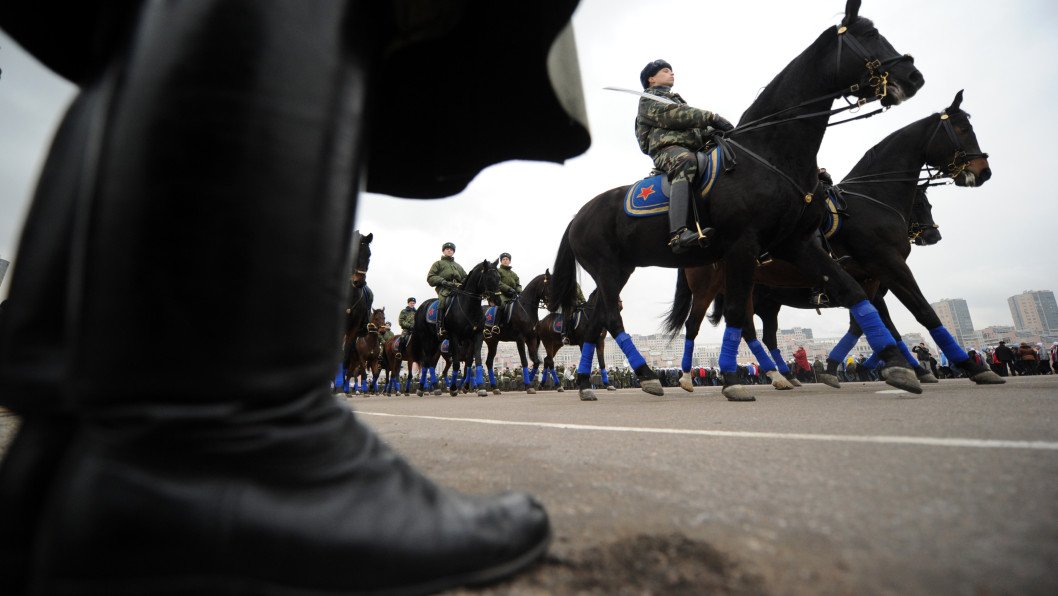
Forces News noted that while traditional cavalry charges are unlikely to return, the military value of horses may lie in their flexibility. Pack animals have already been used by allied forces in mountainous regions such as Afghanistan and the Balkans.
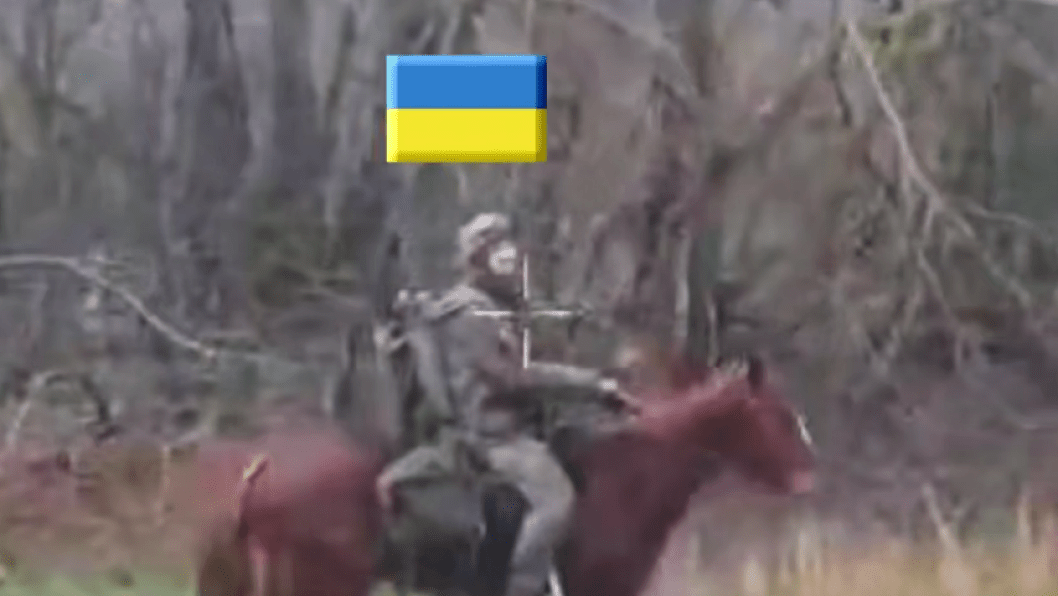
Previously, Russian forces began equipping horse-mounted units with Starlink satellite terminals and cameras.
The footage shows Russian soldiers riding horses fitted with improvised frames carrying flat-panel satellite terminals and what appear to be camera systems.
Discuss this article: