- Category
- Latest news
CV90 Goes Off-Script: The Unusual New Role for Classic Infantry Vehicle
 Prefer U24 Media on Google
- Authors


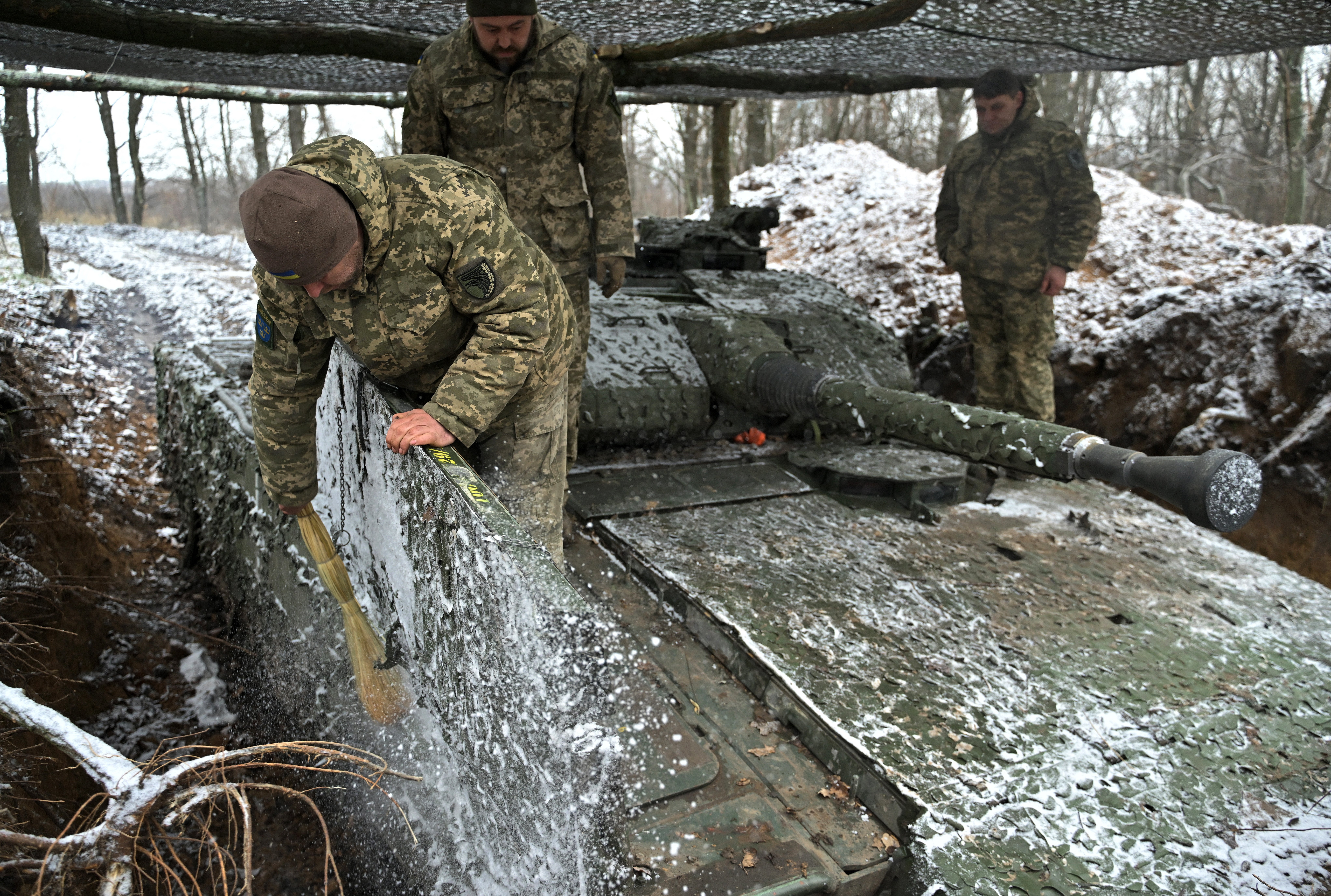
While Sweden’s CV90 infantry fighting vehicle (IFV) is built for versatility and protection on the battlefield, Ukraine’s military has pushed that flexibility to new extremes—using the vehicle not just for troop transport or medical evacuation, but at times as a substitute self-propelled artillery system, Ukrainian defense media outlet Defense Express reported on July 22.
Ukrainian troops have praised the CV90’s powerful 40mm automatic cannon, its good protection, and high speed
And while it was designed primarily to support infantry with direct fire, its gun can also deliver limited indirect fire. That has made it surprisingly useful in suppressing Russian positions without exposing crews to excessive risk.
This adaptation is part of a broader trend: as the Russian invasion drags on, Ukraine’s war effort has increasingly depended on creative, sometimes unconventional battlefield tactics.
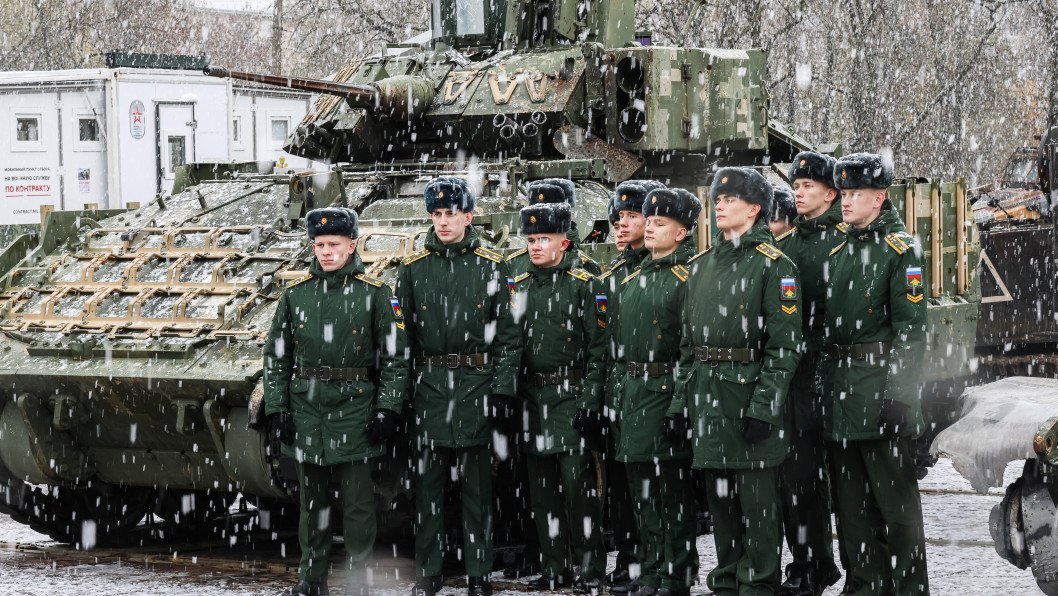
A large portion of the front has devolved into static, trench-based positional warfare, which has significantly changed how both artillery and armored vehicles are used.
Drones have also transformed the battlefield, drastically reducing the time it takes to detect targets. At the same time, the sheer number of available strike options has increased, forcing even wheeled self-propelled artillery systems—which once relied on speed and mobility to evade threats—to operate from pre-prepared, concealed firing positions to avoid counter-battery fire and drone strikes.
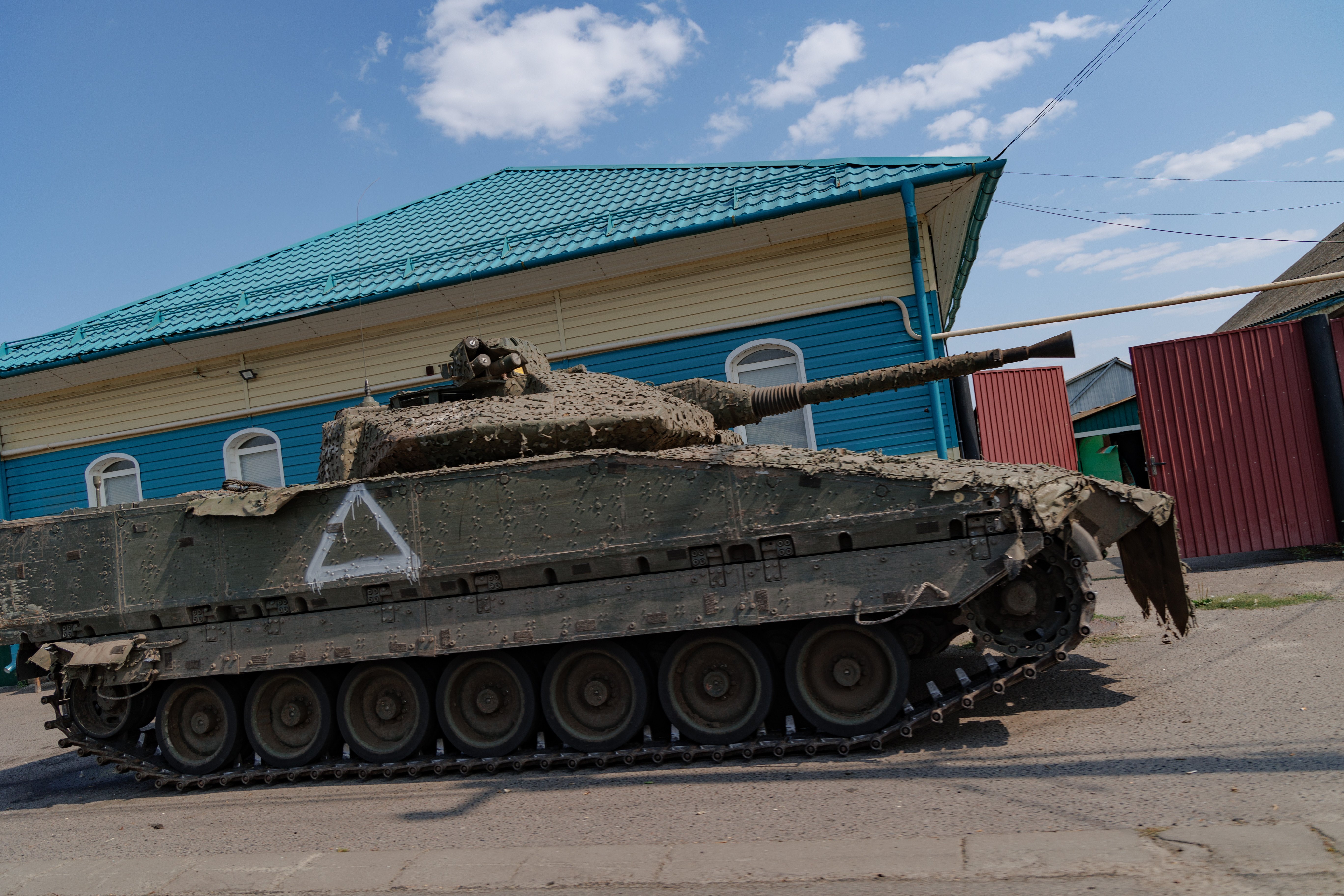
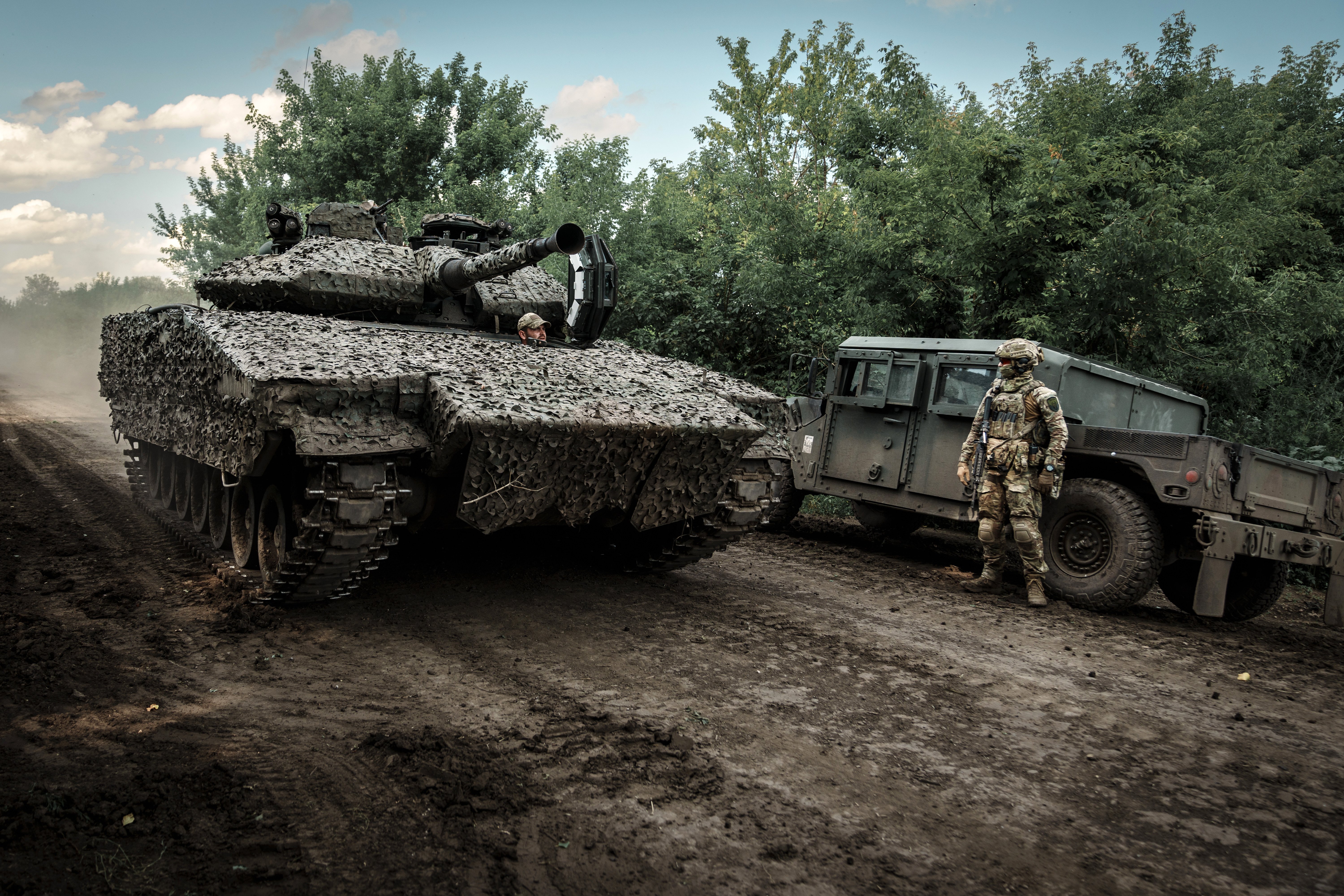
Tanks, too, have been increasingly used for indirect fire roles, a trend that began during the early stages of the Russian invasion of Ukraine in 2014. With the full-scale invasion, such improvised use cases have only become more common.
The CV90’s 40mm gun isn’t ideal for indirect fire—it lacks the range and precision of true artillery—but it’s capable of putting pressure on enemy infantry and damaging fortifications, Defense Express noted. The vehicle’s high rate of fire helps compensate for its limited firepower in this role.
Earlier, Sweden and Denmark announced the joint purchase of CV90 MkIIIC infantry fighting vehicles, 40 of which will be allocated to Ukraine.
Discuss this article:


-c439b7bd9030ecf9d5a4287dc361ba31.jpg "Photo of Katherina Popilnichenko")