- Category
- Latest news
Did Russia Just Restart the Cuban Missile Crisis With Venezuela?
Sixty years after Soviet missiles appeared in Cuba, Moscow may be preparing a new high-stakes deployment—this time in Venezuela. With strategic bombers, long-range missiles, and nuclear threats back in public rhetoric, the Cold War playbook appears to be in motion again.
 Prefer U24 Media on Google
- Authors


Russian officials have claimed that Moscow may deploy medium-range ballistic missiles and cruise missiles to Venezuela, potentially invoking Cold War–era escalation reminiscent of the 1962 Cuban Missile Crisis, according to Defense Express on November 4.
Deputy Chairman of Russia’s State Duma Defense Committee Alexey Zhuravlev stated that Russian Il-76 military transport aircraft had already delivered Pantsir-S1 and Buk-M2 air defense systems to Venezuela.

Zhuravlev also claimed that Russia could deploy either the Oreshnik intermediate-range ballistic missile or Kalibr cruise missiles to the country as a “response to Western pressure.”
The Pantsir-S1 system is a short- to medium-range self-propelled air defense platform, combining rapid-fire cannons with surface-to-air missiles. It has been used extensively by Russian forces in Ukraine to protect strategic sites from drone and missile strikes.
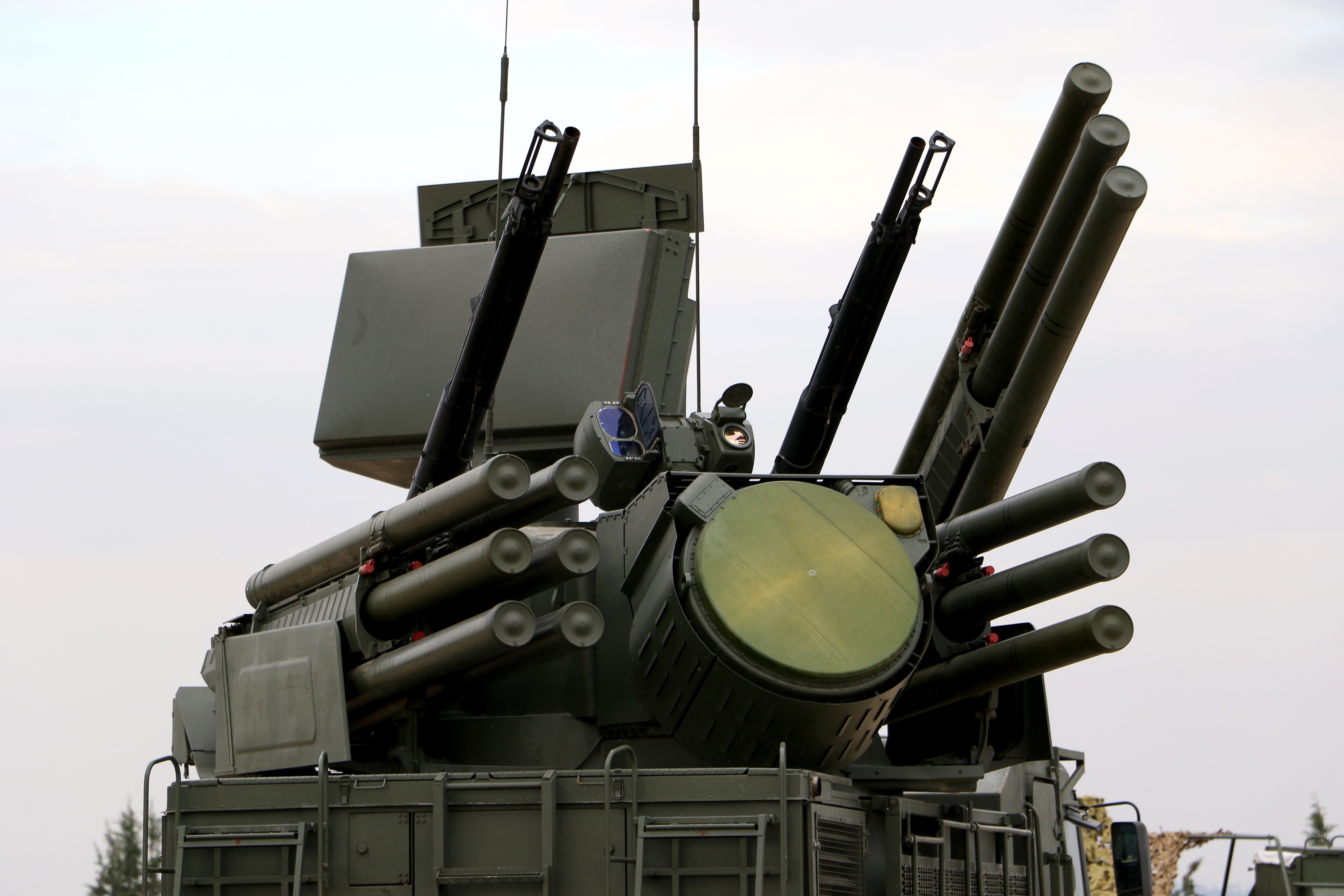
However, Ukraine’s Security Service (SBU) reports that nearly half of Russia’s Pantsir units have been destroyed since the beginning of 2025, including one during a drone assault in occupied Crimea.
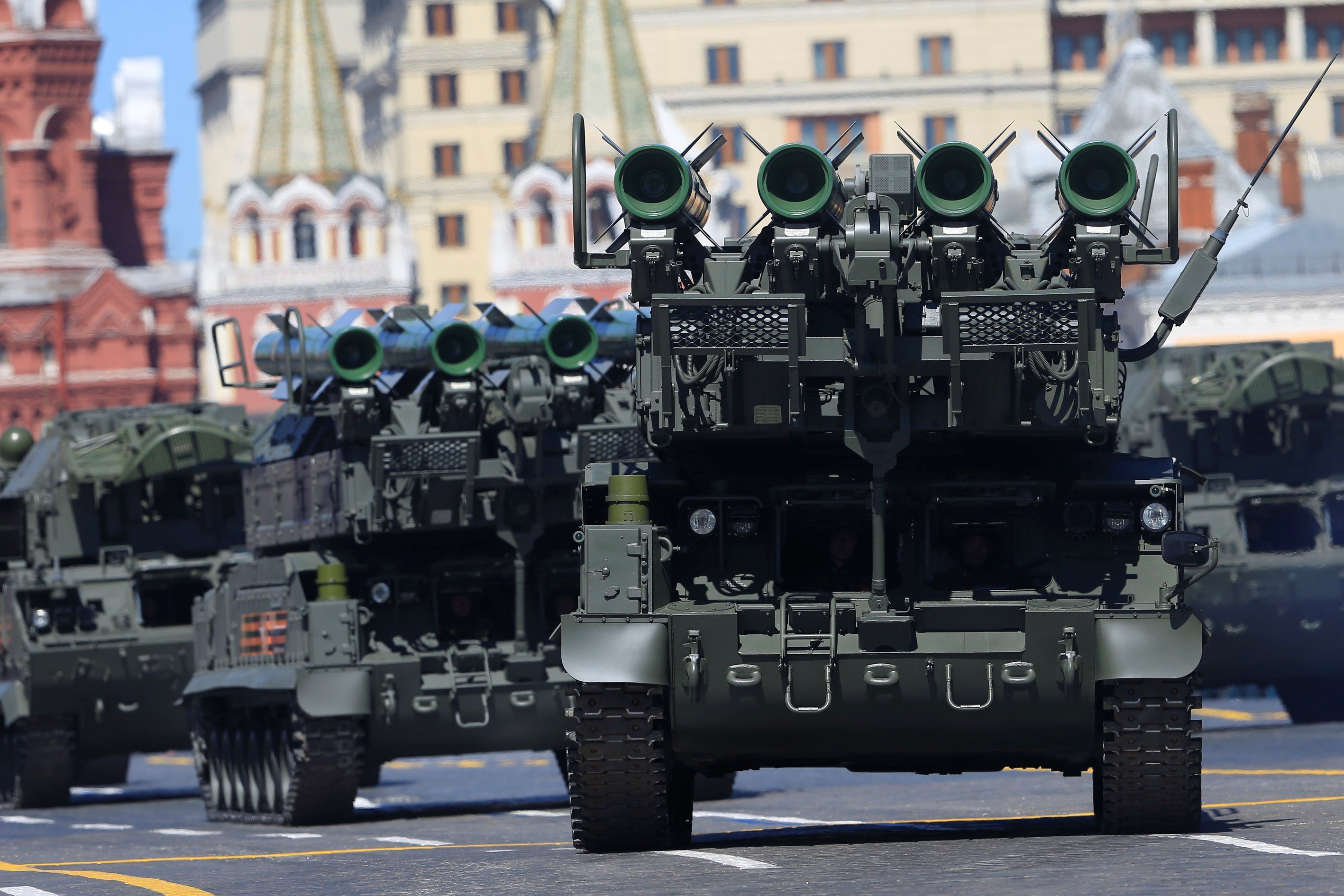
The Buk-M2 is a medium-range surface-to-air missile system designed to intercept aircraft, cruise missiles, and drones. Ukrainian forces have successfully targeted multiple Buk-M2 launchers on the battlefield, including high-value strikes in April and September 2025.
Zhuravlev’s mention of deploying the Oreshnik missile drew particular attention. The system is reportedly capable of carrying both conventional and nuclear warheads, with performance similar to the earlier RS-26 Rubezh.
The missile was first used in combat during a hypersonic strike on the Ukrainian city of Dnipro in November 2024—a launch widely seen as strategic signaling. At the time, the missile was reportedly equipped with a conventional, not nuclear, warhead.
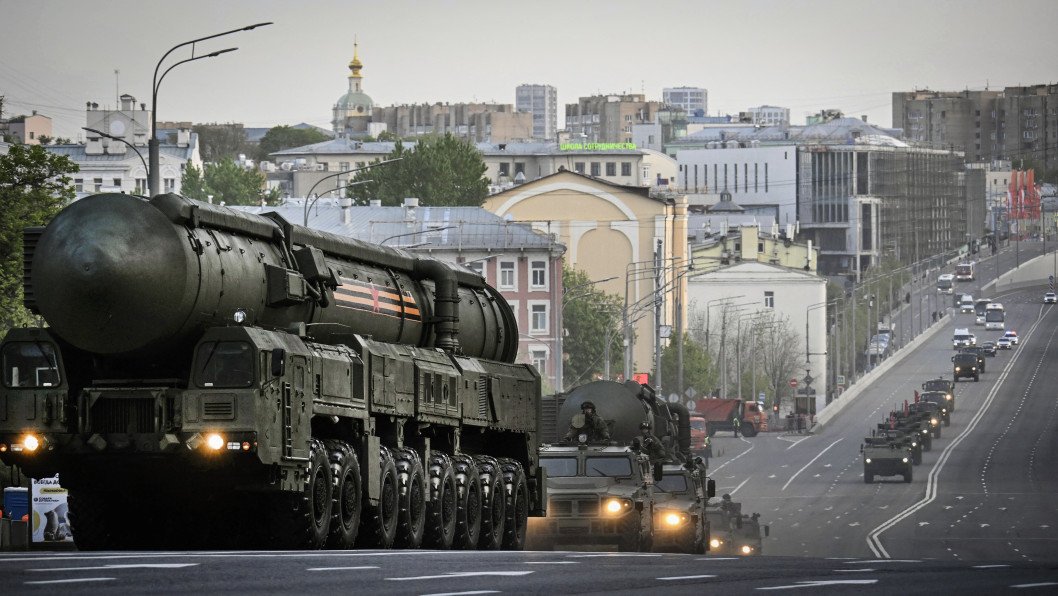
In October 2025, Russian leader Vladimir Putin declared that the Oreshnik had “entered full service” and could be deployed across Russia, Belarus, or beyond. He described it as “a weapon that ensures parity and strategic balance,” emphasizing its extended range and hypersonic velocity.
The Kalibr cruise missile, by contrast, has been widely used in Ukraine since early 2022. Designed for sea and submarine launches, Kalibr has struck both military and civilian infrastructure. Notably, a Kalibr strike killed over 20 civilians in Vinnytsia in July 2022 and hit the port of Odesa shortly after the signing of a grain export agreement.
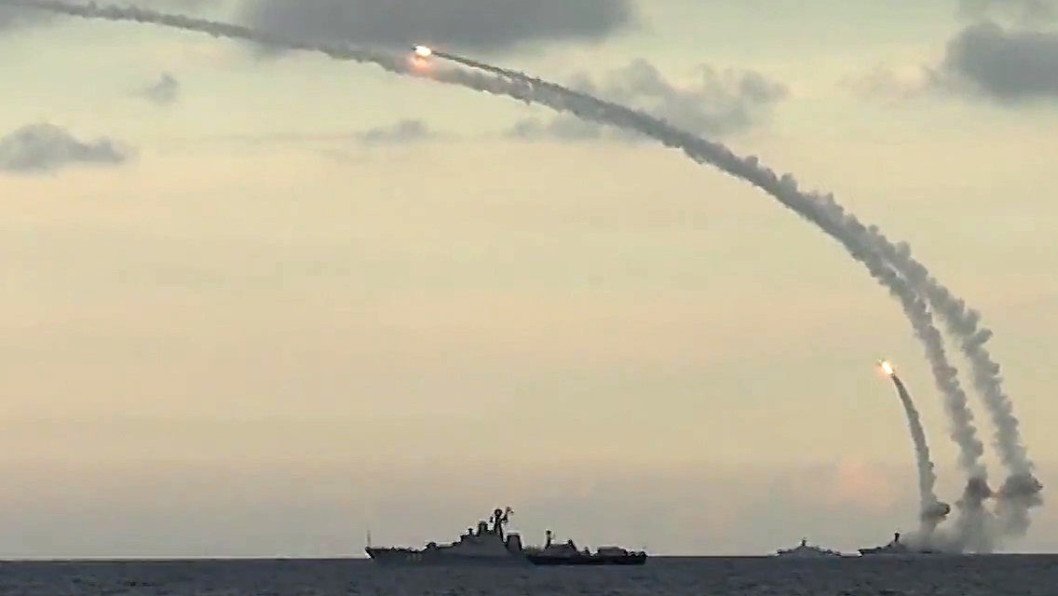
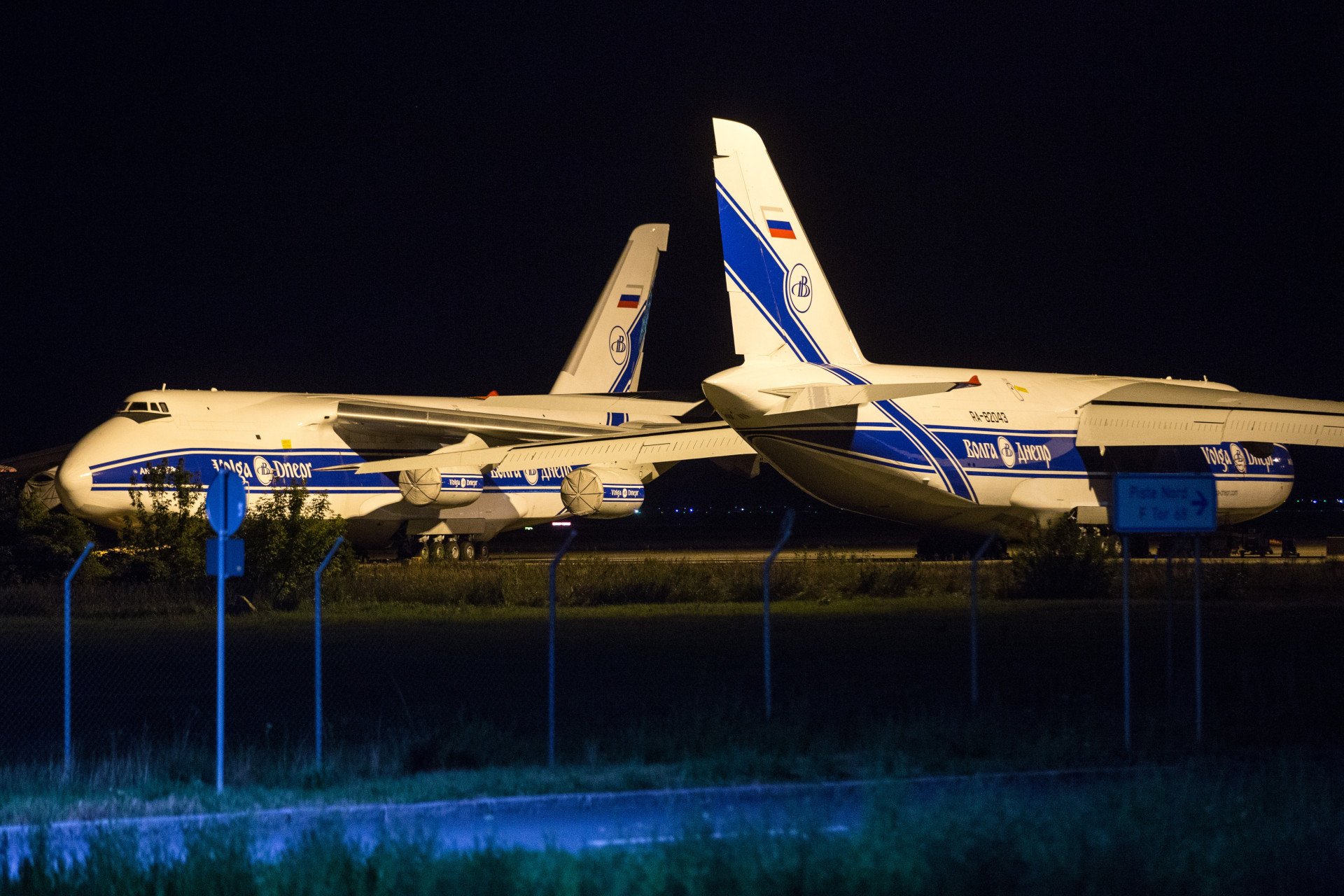
Given the logistical complexity of transferring strategic weapons across the Atlantic, Defense Express notes that any real movement of systems like Oreshnik or Kalibr to Venezuela would almost certainly require An-124 “Ruslan” heavy-lift cargo aircraft, as the combined weight of the missile and its launcher is estimated at around 70 tons.
Russia has previously used these aircraft to transport Iskander missile systems. These types of transfers involve multiple refueling stops and high-visibility cargo loading operations—making them difficult to conceal.
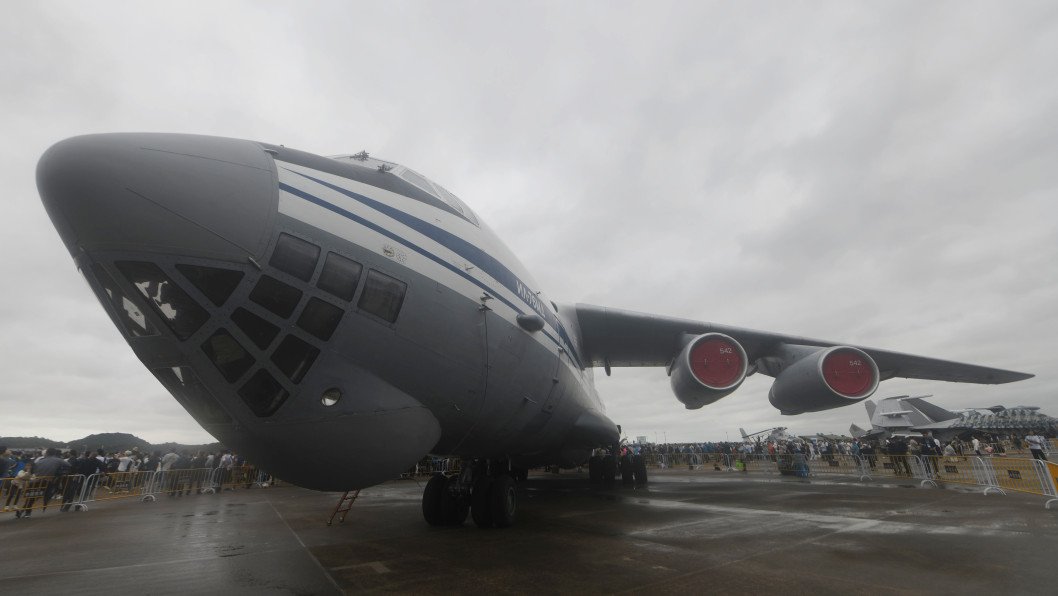
Recent Il-76 flights observed on the route from Moscow to Caracas via North and West Africa may have carried lighter systems such as air defense platforms or support equipment. But the transfer of strike weapons would be significantly more noticeable.
Defense Express compares the current scenario to the Soviet Union’s Operation Anadyr in 1962, when Moscow secretly deployed over 40 ballistic missile launchers and 40,000 troops to Cuba. That Cold War deployment involved 85 ships and several months of preparation before it was detected by the United States.
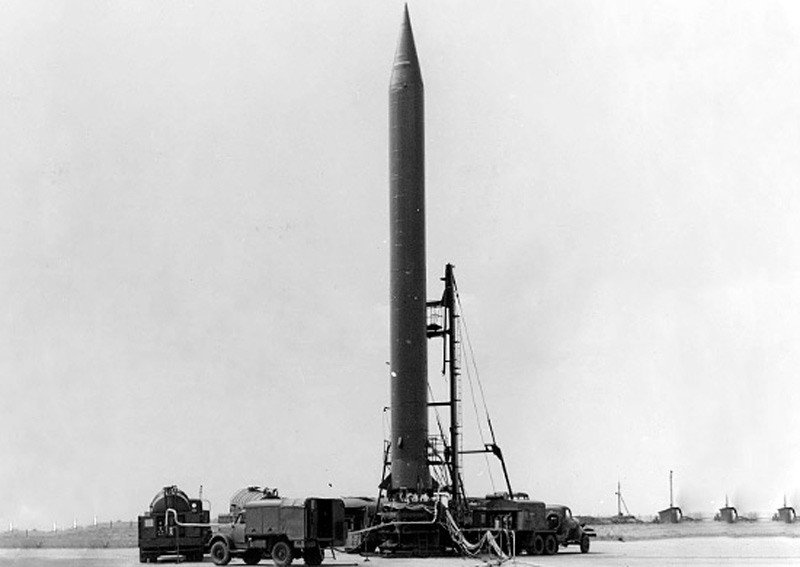
Such a large-scale operation would exceed Russia’s current political and logistical capabilities. According to Defense Express, a limited deployment—such as a single Oreshnik missile or a small number of Iskander launchers—could be feasible by air. But any broader deployment would likely be detected well in advance, given current levels of transatlantic monitoring.
Ultimately, the clearest indicator that Moscow has actually moved missile systems to Venezuela would be the confirmed transatlantic flight of An-124 aircraft carrying relevant cargo. Absent that, Defense Express concludes, talk of a new “Caribbean crisis” remains speculative.
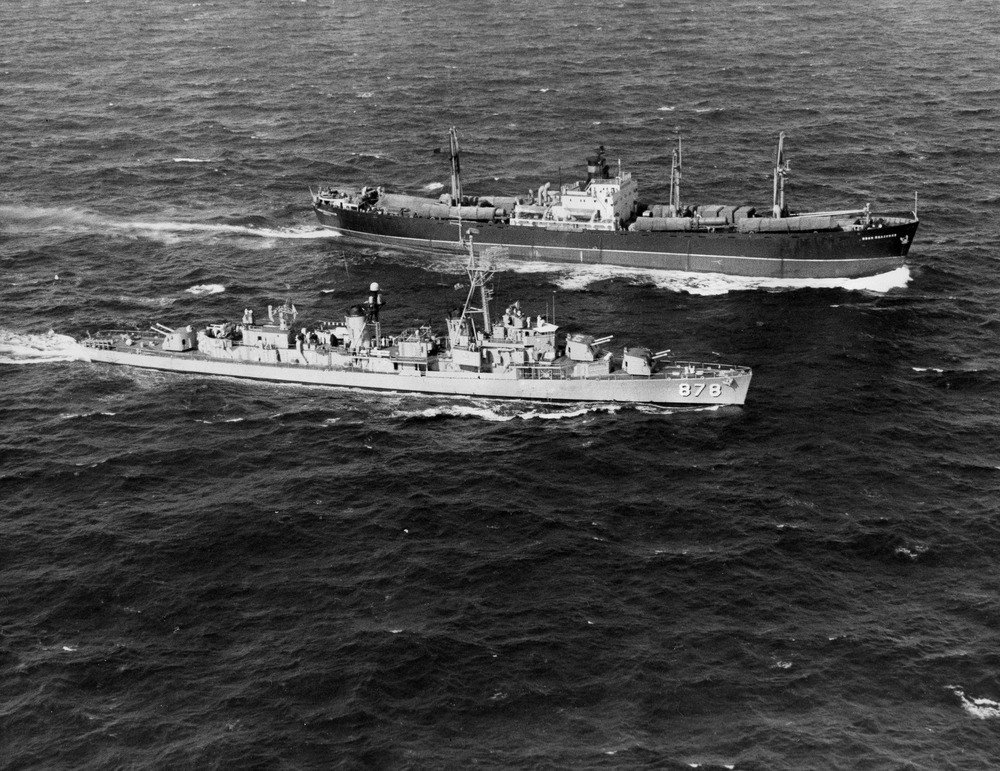
Earlier, on October 27, 2025, Vladimir Putin ratified a strategic partnership treaty with Venezuela, formalizing cooperation across military, economic, and energy sectors. The agreement includes joint oil and gas development, electricity infrastructure projects, and a plan to create a separate Russian-Venezuelan financial system.
Discuss this article:
-331a1b401e9a9c0419b8a2db83317979.png)




-111f0e5095e02c02446ffed57bfb0ab1.jpeg "Photo of Roman Kohanets")


-72b63a4e0c8c475ad81fe3eed3f63729.jpeg "Photo of Cyril Barabaltchouk")