- Category
- Latest news
Putin Ratifies Russia–Venezuela Strategic Partnership Treaty to Deepen Economic and Military Ties
 Prefer U24 Media on Google
- Authors



Russian leader Vladimir Putin has signed a law ratifying the strategic partnership and cooperation treaty with Venezuela, according to Russian state media outlet Interfax on October 27, citing the official portal of legal information.
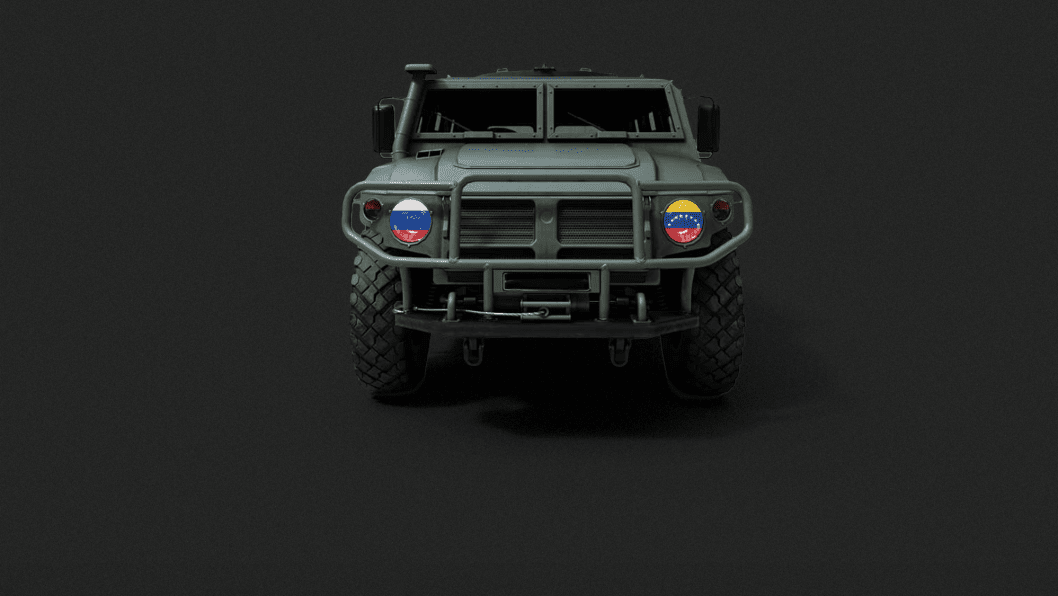
The agreement, originally signed on May 7, 2025, solidifies a “trusting partnership” between the two nations across economic, political, and military spheres.
The document explicitly states that Russia and Venezuela will “resolutely oppose unilateral coercive and restrictive measures (sanctions),” including those of an extraterritorial nature. The treaty characterizes these sanctions as “a violation of the UN Charter,” a “manifestation of neo-colonialism,” and an “instrument of pressure, economic strangulation” against sovereign states.
As reported by Interfax, the agreement details specific areas for energy collaboration between Russia and Venezuela. This includes working together on exploring and developing new fields of oil and natural gas, as well as finding ways to boost output from existing fields run by joint ventures. Furthermore, the two nations commit to expanding their oil trade under terms that benefit both sides.
In the electric power sector, the document indicates that the parties will advance their cooperation by launching joint projects. These projects are aimed at modernizing and expanding both the capacity to generate electricity and the infrastructure needed to transmit and distribute it.
Moreover, the treaty confirms that both Russia and Venezuela will support the creation of a separate Russian-Venezuelan financial system.
Earlier, US officials expressed concerns over reports that Venezuela may possess the Russian-made Kh-31 anti-ship missile.
This supersonic weapon, when used as the Kh-31A, is powerful enough to target large warships like destroyers, representing a potential risk to US Navy operations near Venezuela's shores. The missiles are deployed using the Su-30MK2 fighter jets that Venezuela acquired from Russia in the early 2000s, most of which are still operational.
Discuss this article: