- Category
- Latest news
Documents Reveal Russia Supplying China BMD-4Ms, Sprut Guns, Airdrop Systems for Taiwan Scenarios
 Prefer U24 Media on Google
- Authors

-111f0e5095e02c02446ffed57bfb0ab1.jpeg "Photo of Roman Kohanets")
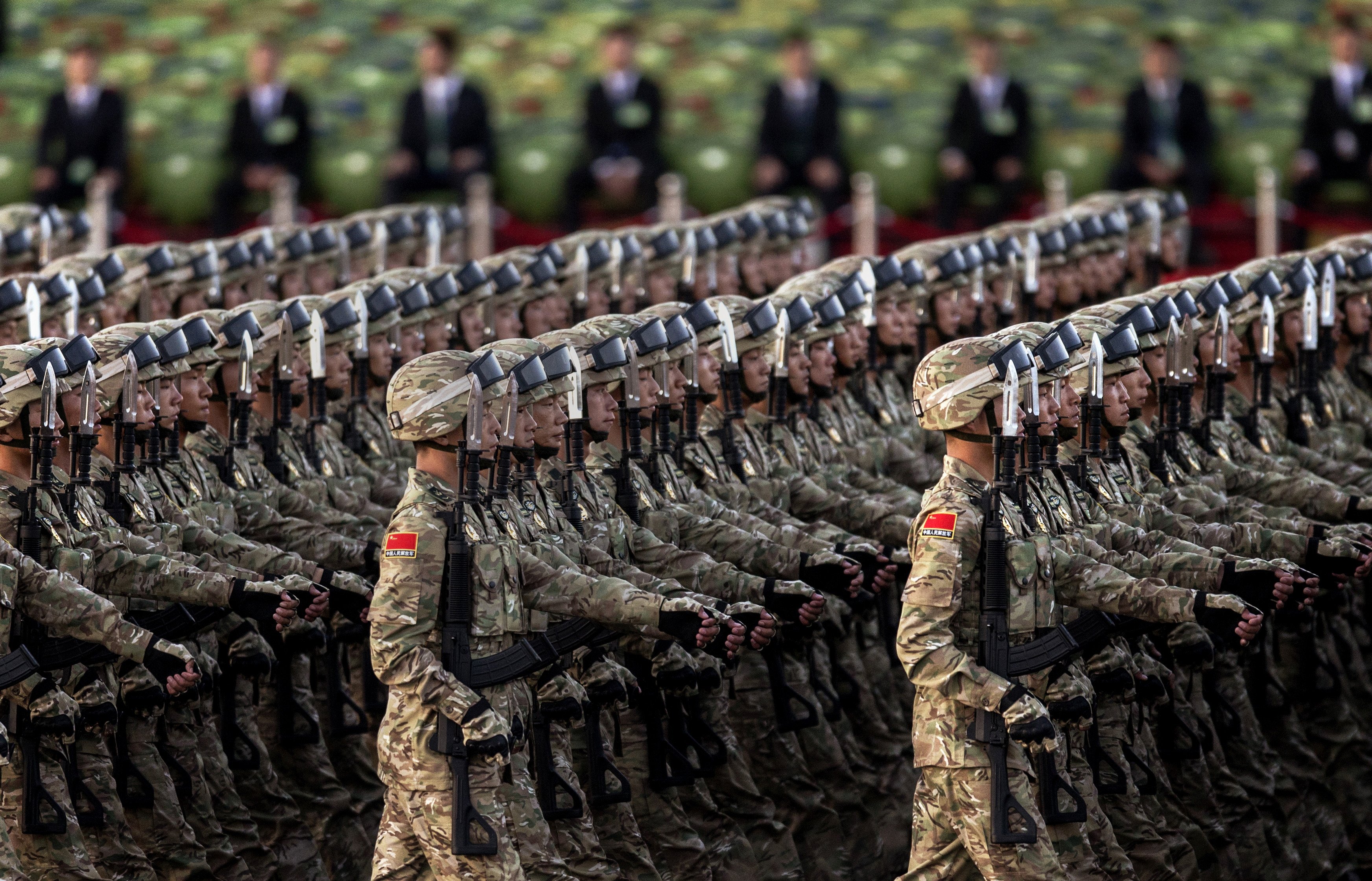
Russia has agreed to supply and train a Chinese airborne battalion and transfer know-how on airdropping armored vehicles, according to an 800-page cache of contracts and collateral materials reviewed by the Washington Post and independently assessed by Britain’s Royal United Services Institute (RUSI).
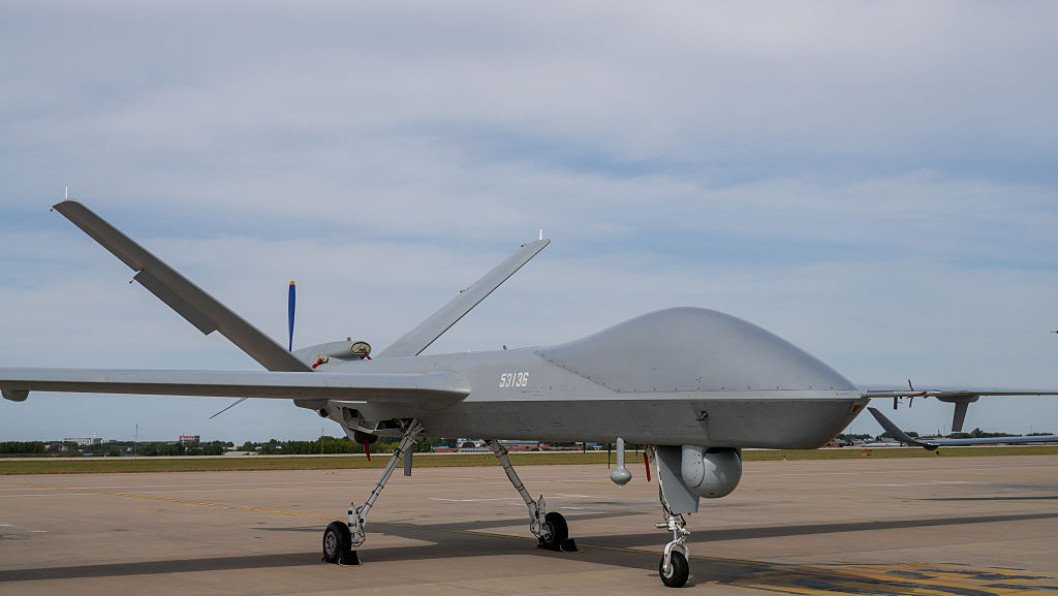
The package—provisionally valued at $584 million—includes 37 BMD-4M light amphibious assault vehicles, 11 Sprut-SDM1 self-propelled anti-tank guns, 11 BTR-MDM armored personnel carriers, command-observation vehicles and specialized parachute systems for high-altitude heavy-load drops.
The files also outline Russian-run training for Chinese paratroopers in Russia and later in China, and integration of Russian command-and-control practices. “It is a very good example of how the Russians have become an enabler for the Chinese,” said Jack Watling, a senior research fellow at RUSI, adding that Russia could serve as “strategic backup for China” in a Taiwan contingency.
-21212ab08090f2219ba39a94d91fa548.png)
RUSI’s analysis of the documents concludes the transfers would give the People’s Liberation Army Air Force “expanded air maneuver capability,” offering “offensive options against Taiwan, the Philippines and other island states in the region.”
The think tank also noted Russia is transferring technologies that would “allow China to scale-up the production of similar weapons.” It confirmed the cache appears authentic though some portions could have been altered or omitted.
The records, attributed to the hacktivist group Black Moon, indicate Chinese negotiators in April 2024 asked Moscow to accelerate deliveries, provide full technical documentation and adapt systems for Chinese software, radios and navigation.
The Insider detailed associated work on an automated command system for Chinese airborne troops, supported by Russian customs entries in June 2024 citing transfers of “military purpose products” to state-owned China Electronics Technology Group.
Analysts say the cooperation targets a core Chinese shortfall: combat-tested airborne operations at scale. “China expects to fight in a degraded environment where their systems will be under threat from jamming and cyberattack,” said Joshua Arostegui of the US Army War College; having Russia train units on a proven command system “is going to be worth the millions of dollars they are going to spend.”
Taiwan has tailored exercises accordingly. In July, its annual drills rehearsed shooting down a simulated Chinese airborne attack on Taoyuan International Airport, a site Chinese military commentators have spotlighted as pivotal for breaching defenses.
“Previously, China’s lack of ability to deliver troops in large numbers and maintain logistical support were considered weaknesses,” said Su Tzu-yun of the institute. “If Russia is providing technical support, that will be a bigger challenge.”
Earlier, it was reported that Russia agreed to host around 600 Chinese soldiers for training in 2025 to gain battlefield experience against NATO-standard equipment.
Discuss this article:



-72b63a4e0c8c475ad81fe3eed3f63729.jpeg "Photo of Cyril Barabaltchouk")