- Category
- Latest news
Drone Strike Hits Russian Krasnozavodsk Chemical Plant Supplying Missiles and Artillery Shells
 Prefer U24 Media on Google
- Authors


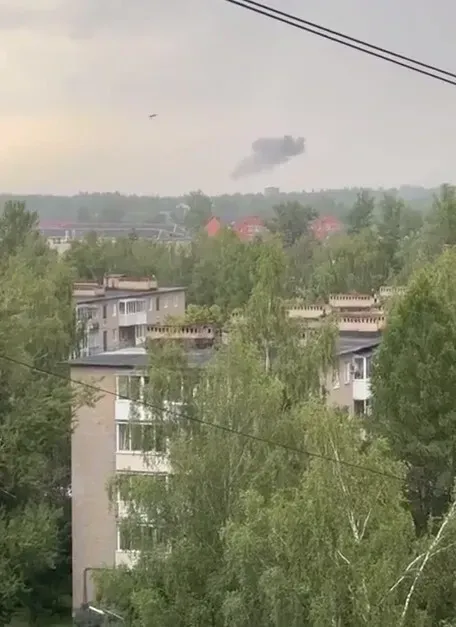
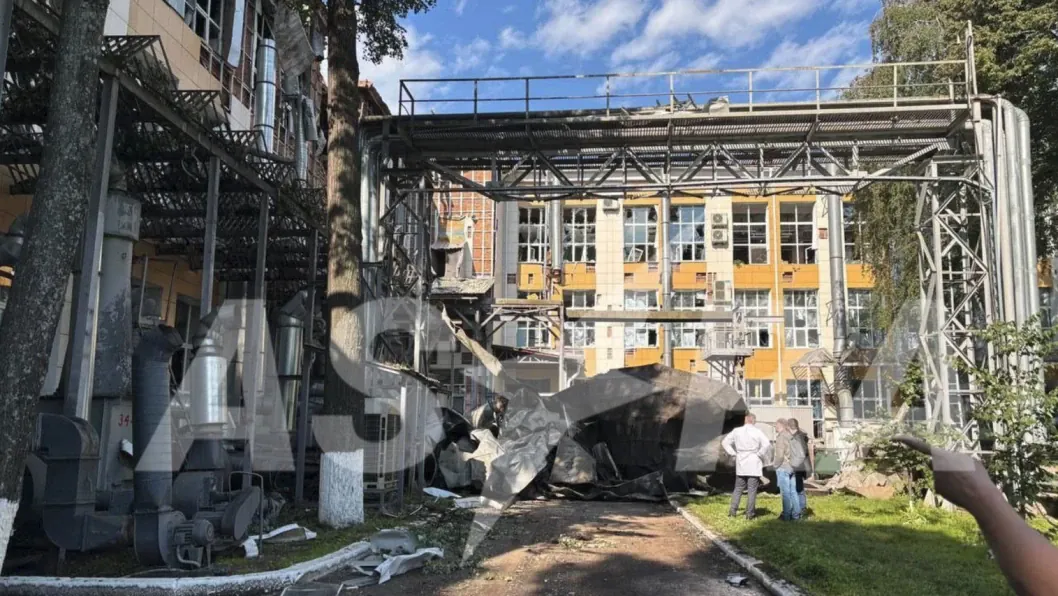
Suicide drones reportedly targeted the Krasnozavodsk Chemical Plant in Russia’s Moscow region, a facility deeply embedded in the Russian defense-industrial complex, confirmed Andrii Kovalenko, head of Ukraine’s Center for Countering Disinformation, on July 7.
“In the Moscow region, the Krasnozavodsk Chemical Plant was struck. This facility produces explosives, gunpowder, and components for munitions and missile systems,” Kovalenko stated.
“It is a critical link in the supply chain providing Russia’s army with artillery shells, MLRS munitions, and ballistic missiles.”
Eyewitnesses in the area reported hearing at least seven explosions near the plant.
The Krasnozavodsk facility plays a vital role in Russia’s war production. It manufactures a variety of military-purpose components including flares, aircraft protection systems, and counter-terrorism equipment. The plant operates under state contracts awarded by Russia’s Ministry of Defense, Ministry of Internal Affairs, and other security agencies.
One of the plant’s largest publicly known defense contracts is with military unit 55056, a formation under the Federal Security Service tasked with internal security. That contract was valued at 8.6 million rubles.
The plant is a state-owned enterprise and receives investments through Rostec, Russia’s state defense conglomerate. Rostec plays a central role in maintaining the military focus of industrial facilities like Krasnozavodsk.
Earlier, Ukrainian drones hit Nevinnomyssky Azot, one of the largest chemical plants in southern Russia’s Stavropol Krai.
That plant is closely tied to NPO Iskra, a major Russian aerospace and defense contractor specializing in solid-propellant rocket motors for various missile platforms, including those used by Russia’s strategic forces.
Open-source data confirms that Nevinnomyssky Azot has at least two defense contracts with NPO Iskra totaling 3.3 million rubles, suggesting the facility’s integration into Russia’s missile production ecosystem.
Discuss this article:




-2232920be2c2768100ea7818ba05831c.jpg "A large plume of smoke rises near the Gazprom Neftekhim Salavat oil refinery in Russia’s Bashkortostan following a reported attack on October 8, 2026. (Source: Exilenova+)")