- Category
- Latest news
Estonia Sets New Border Crossing Requirements for Russian Diplomats and Consular Staff
 Prefer U24 Media on Google
- Authors


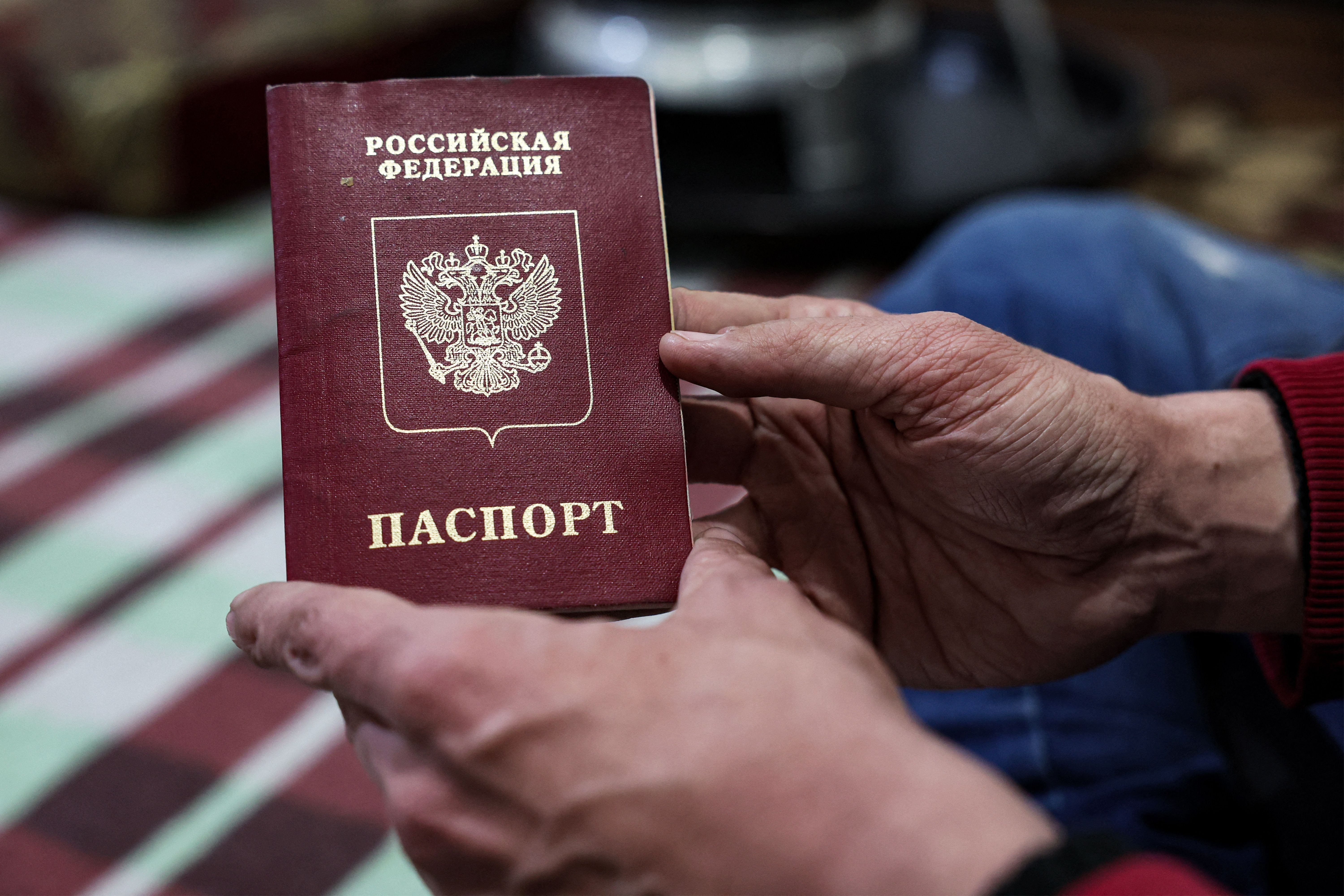
The Estonian government has decided to revise the procedure for Russian citizens working in diplomatic and consular services when crossing the state border.
As reported by ERR, the proposed amendments, approved by the cabinet on January 22, were put forward by the Ministry of Foreign Affairs.
We bring you stories from the ground. Your support keeps our team in the field.
Foreign Minister Margus Tsahkna, the driving force behind the changes, explained that these measures are being aligned with the European Union's 19th sanctions package.
Under the new regulations, Russian diplomats, consular staff, and administrative and technical personnel at diplomatic missions, along with their families, will be required to obtain prior authorization before crossing Estonia's external border, according to ERR.
The new rules also specify that certain individuals must notify authorities at least 24 hours in advance if they plan to travel or transit through an EU member state where they do not have accreditation.
-39b8ad8fe20a5072e65ac372f7c0896e.jpg)
The Russian embassy in Tallinn will be required to submit a permit request to the Estonian Ministry of Foreign Affairs at least five working days before entry. A decision on approval or denial will be made no later than 24 hours before the scheduled border crossing.
These new measures are expected to take effect on January 25, 2026.
In a broader context, EU member states have reached an agreement to impose stricter movement controls on Russian diplomats within the bloc, following an alarming rise in sabotage attempts attributed to individuals operating under diplomatic cover.
According to a Financial Times report, European intelligence agencies have linked Russian-backed operatives to a growing number of hostile actions against NATO countries, including arson, cyberattacks, infrastructure sabotage, and drone incursions. These activities are seen as part of a coordinated campaign to destabilize Ukraine’s European allies.
-972b40303f2e57597e22987d16a593dd.jpg)
Under the new proposal, Russian diplomats stationed across EU capitals will be required to inform authorities before traveling outside their designated host country. EU intelligence officials have warned that Russian operatives frequently exploit their diplomatic status to operate beyond the borders of their assigned country, evading counterintelligence efforts.
As one senior EU diplomat put it, "They are posted to one place—but work in another." According to intelligence reports, while host country intelligence services may be aware of their activities, once these operatives cross the border, it becomes harder for authorities to monitor their actions.
Earlier, the European Commission unveiled a new set of more stringent regulations governing the issuance of visas to Russian citizens by European Union member states.
Under these updated rules, Russian nationals will no longer be granted multiple-entry visas. Instead, they will be required to apply for a new visa each time they intend to travel to the EU. This policy shift is designed to enable more thorough and frequent scrutiny of applicants, helping to better manage potential security risks.
Discuss this article:


-c439b7bd9030ecf9d5a4287dc361ba31.jpg "Photo of Katherina Popilnichenko")