- Category
- Latest news
Europe to Surpass US in Defense Procurement for First Time Since World War II, New Research Finds
 Prefer U24 Media on Google
- Authors


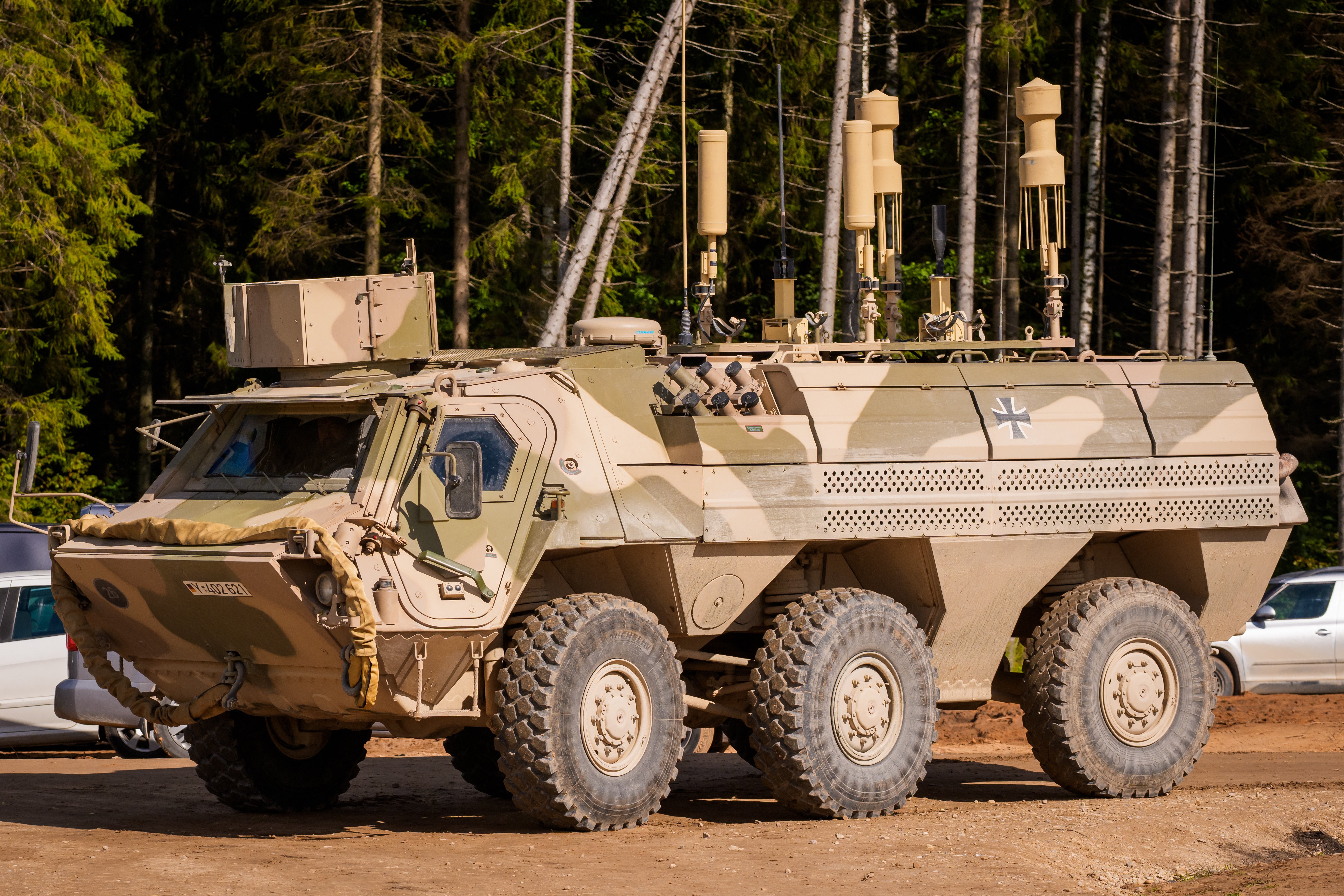
Europe is projected to outspend the United States on defense procurement in 2025—the first time this has happened since World War II, according to new market intelligence data.
According to Procurement Advisor Ben Moore on September 2, citing research by analyst Craig Caffrey, in 2025, European defense procurement spending is forecast to reach $170.1 billion, surpassing the US total of $167.7 billion. This marks a dramatic reversal from two decades of American dominance in military acquisitions, with Europe steadily increasing investments since 2015 and accelerating after Russia’s full-scale invasion of Ukraine in 2022.
Parallel to this, NATO member states have significantly adjusted their defense budgets to meet Alliance targets. In 2020, only three members met both guidelines of allocating at least 2% of GDP to defense and 20% of spending to equipment procurement.
Euro defence spending has undergone a shift that has gone unnoticed, Euro procurement spend now exceeds US for the 1st time since '45. Its a fundamental shift in levels & type of expenditure. This trend is accelerating due to world events. Thx to @Craig_Caffrey_ for his research pic.twitter.com/rwSE31BFnK
— ben moores (@benmoores2) September 2, 2025
By 2025, all NATO members except Belgium are expected to comply. Countries such as Poland, the Baltic States, and Finland are among the leaders, committing well above the minimum requirements, while Germany, France, and the UK have also markedly increased equipment spending.
The data highlights Luxembourg as an outlier with exceptionally high equipment investment, while Poland stands out for committing nearly 4% of GDP to defense. By contrast, Belgium remains below both thresholds, underscoring uneven progress among allies.
Earlier, Ukraine’s Security Service Special Operations Center “A” was equipped with 40-millimeter Mk 47 Stryker automatic grenade launchers.
The Mk 47 is regarded as a relatively rare system, fielded mainly by the militaries of the United States, Australia, and Israel.
Discuss this article:
-6c7b568bf1f65853b7afd9dc1c3ca1fe.jpeg)





-111f0e5095e02c02446ffed57bfb0ab1.jpeg "Photo of Roman Kohanets")