- Category
- Latest news
France Brings Back “Nostradamus” Radar to Watch Russia From 4,000 km Away
 Prefer U24 Media on Google
- Authors


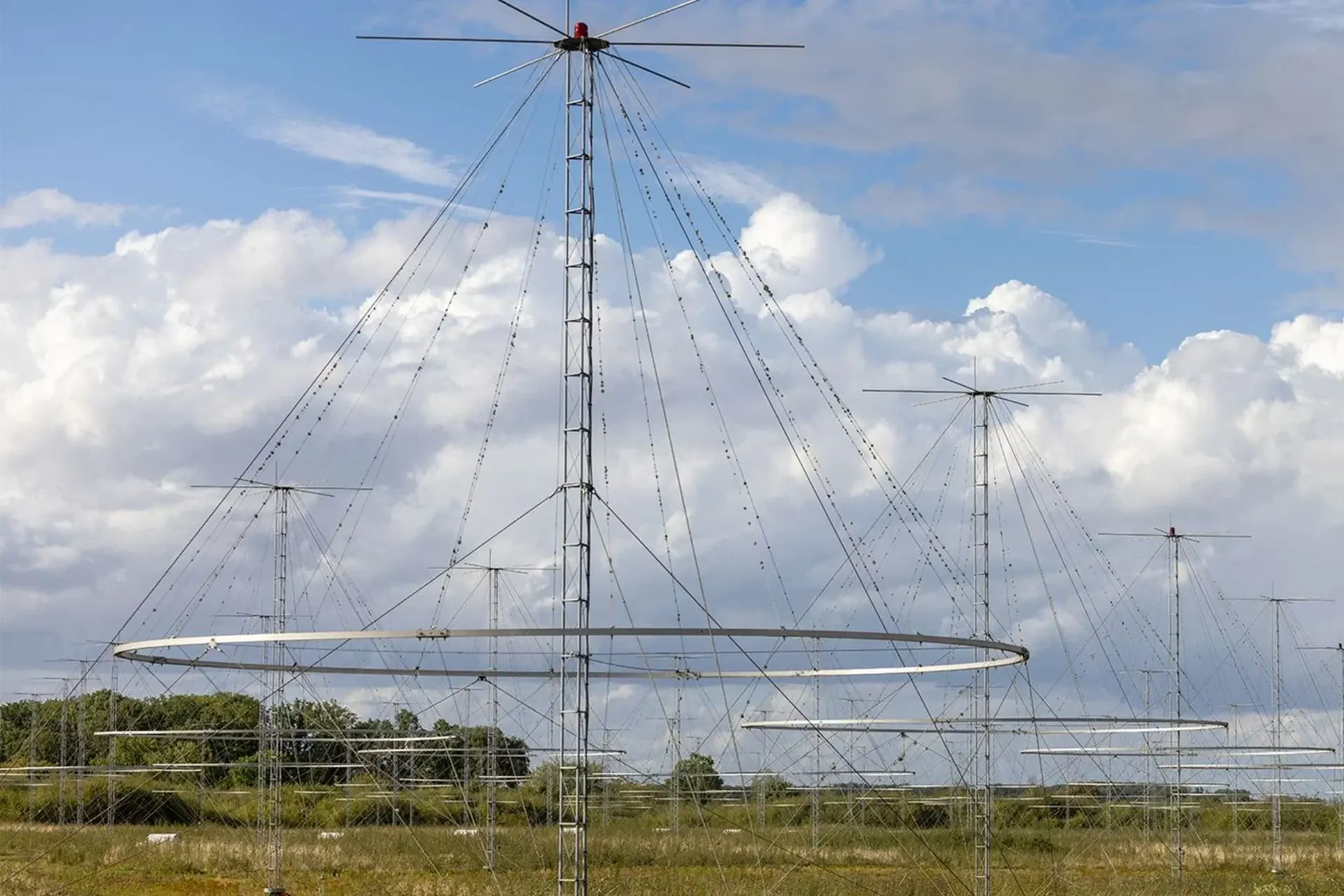
France has announced a modernization program for its over-the-horizon radar Nostradamus, a system capable of detecting threats from as far as the Ural Mountains.
The radar, located in Eure-et-Loir, will be integrated into Europe’s broader early-warning architecture against missile and hypersonic threats.
According to Defense News on September 5, the Ministry of the Armed Forces confirmed that the upgrade will strengthen France’s strategic autonomy in missile detection and reduce reliance on American systems.
The decision follows the growing importance of early-warning capabilities in light of Russia’s war against Ukraine.
On September 4, the French Ministry of Defense signed an agreement with the country’s Aerospace Lab ONERA to launch the modernization effort.
The project is backed by a €50 million allocation under the French military programming law. Minister of the Armed Forces Sébastien Lecornu described Nostradamus as “the first building block of early warning that we are trying to establish with the Europeans.”
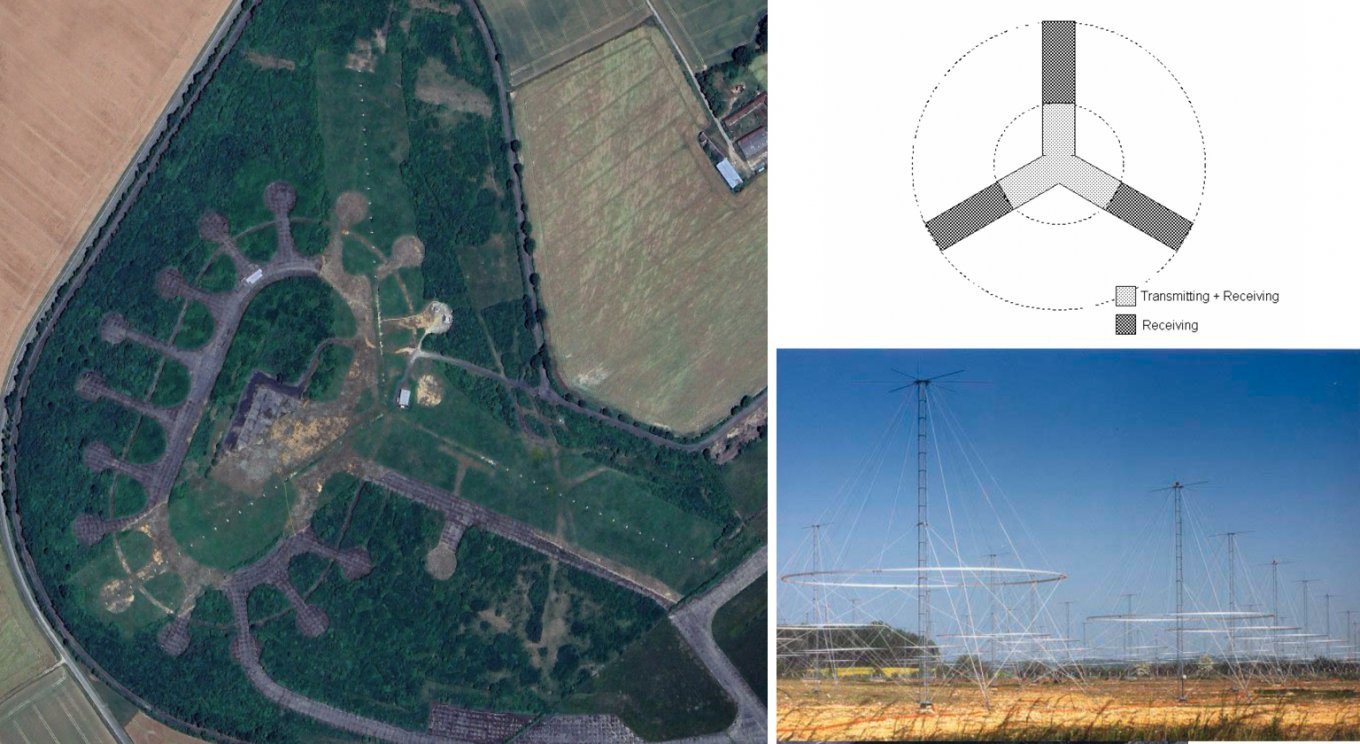
The Nostradamus radar was originally developed in the 1990s by ONERA. Built on a 12-hectare site, it uses high-frequency waves reflected off the ionosphere to track targets well beyond the horizon. Its antennas are arranged in three branches, each extending more than 400 meters.
The system covers several million cubic kilometers, from ground level to near-space altitudes of about 250 kilometers.
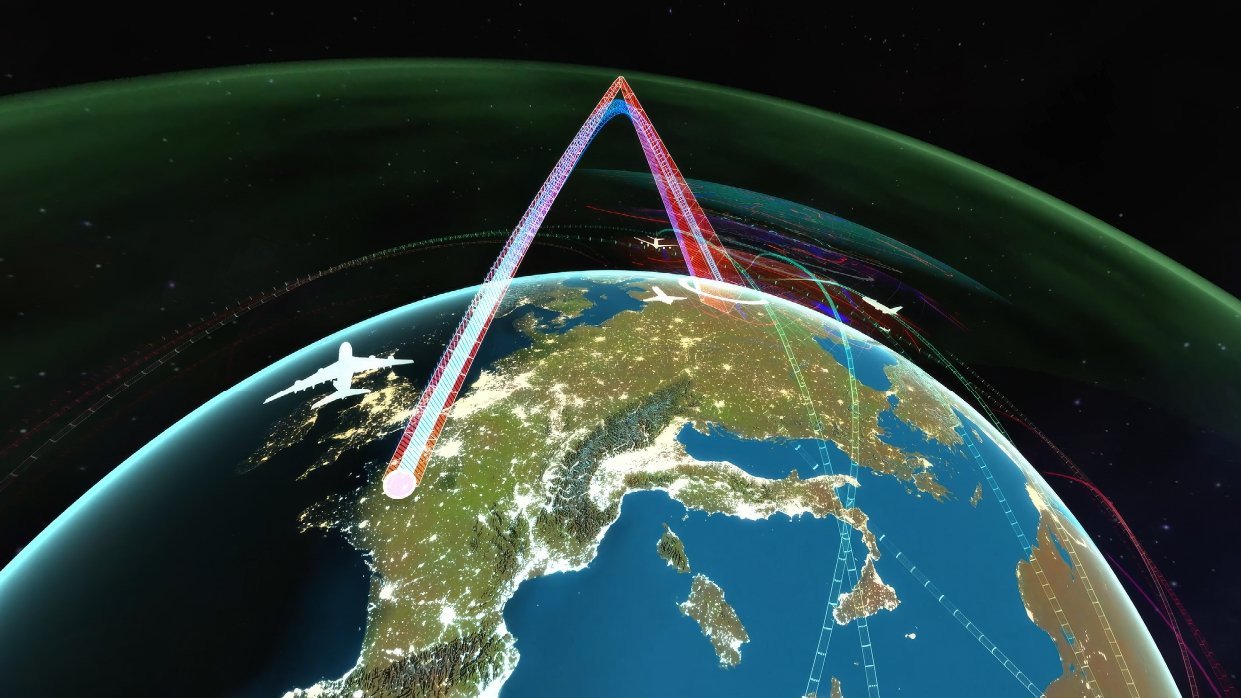
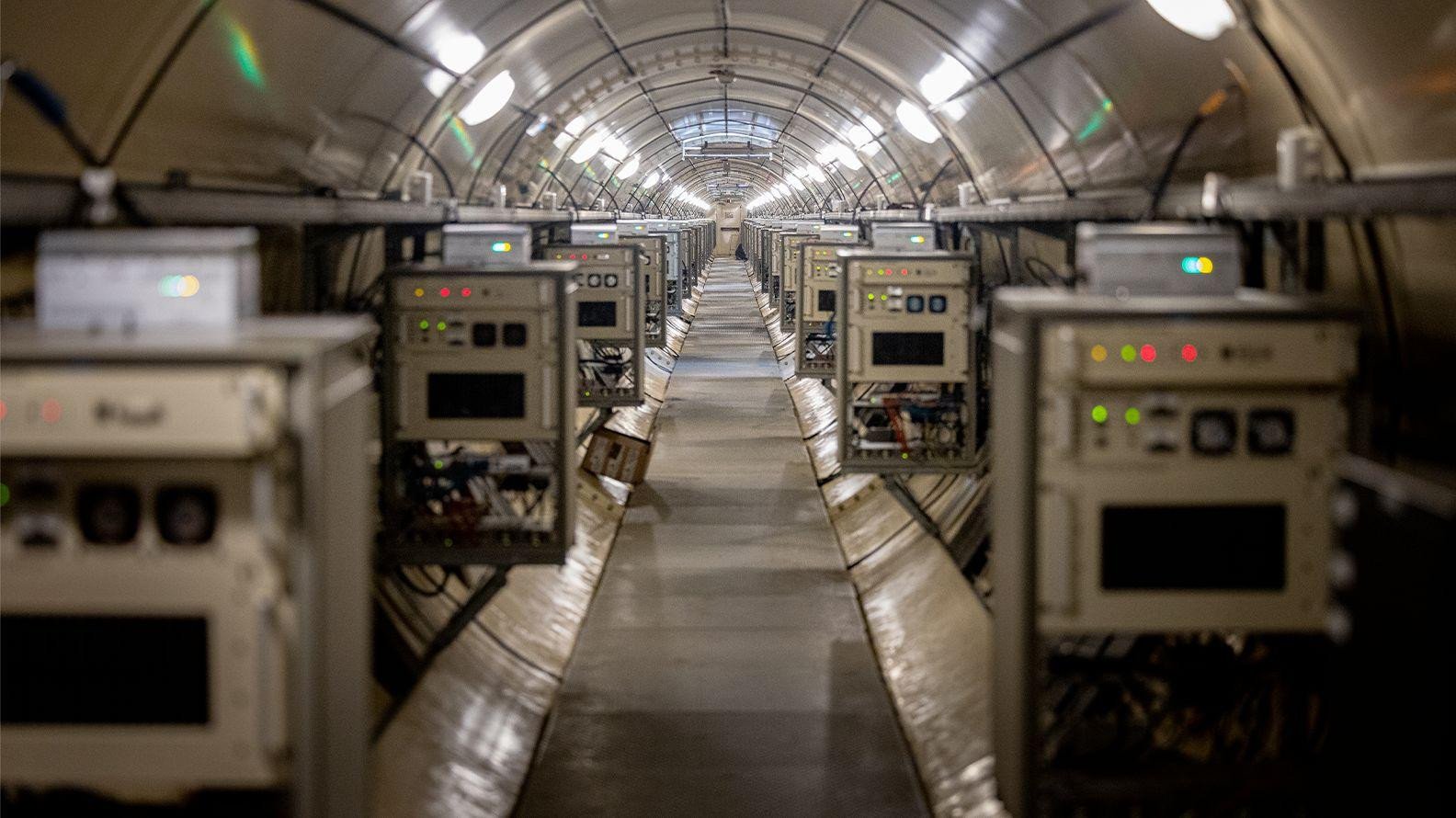
According to Army Recognition, Nostradamus can detect aircraft, ballistic missiles with multiple warheads, hypersonic missiles exceeding Mach 5, and even high-altitude balloons. It can operate in both monostatic and bistatic modes, allowing continuous surveillance across vast distances.
Defense Romania noted that the radar will be connected to other detection systems, including the ODIN’S EYE satellite constellation, a joint European project designed to monitor and track missile launches.
France and Germany have also agreed on the Jewel initiative, which aims to connect ground-based radars and enhance data exchange between European states.
The Ministry of Defense stated that the system is expected to reach full integration into the European command structure by 2028.
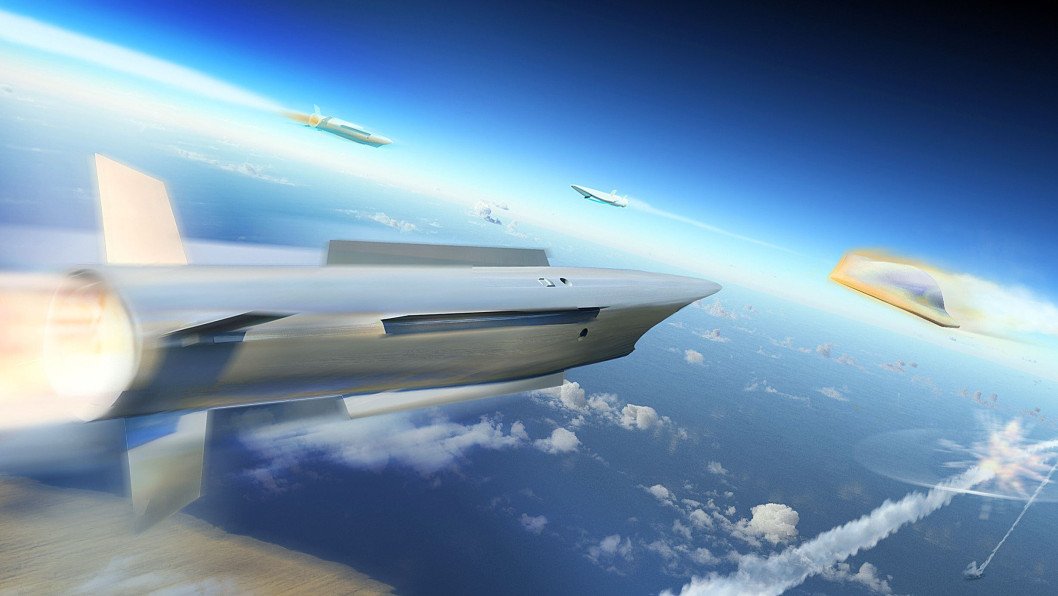
This would provide the European Union with greater independence from American early-warning assets and strengthen collective defenses against evolving missile threats from Russia and Iran.
As Defense News highlighted, the modernization reflects Paris’s push to adapt to emerging threats in high-altitude domains.
European officials argue that reaction time is critical, with hypersonic missile speeds leaving only minutes for interception. By upgrading Nostradamus, France aims to ensure earlier detection and improved coordination across Europe’s air defense networks.
Earlier, reports revealed that Russia is constructing a major signals intelligence hub in Kaliningrad, less than 100 kilometers from NATO borders. Satellite imagery showed dozens of antennas in circular formations, giving Moscow expanded capacity to intercept communications and potentially disrupt NATO command networks.
Discuss this article:



-c439b7bd9030ecf9d5a4287dc361ba31.jpg "Photo of Katherina Popilnichenko")