- Category
- Latest news
Greenland Next? Danish Commander Predicts Russian Military Focus on Arctic
 Prefer U24 Media on Google
- Authors


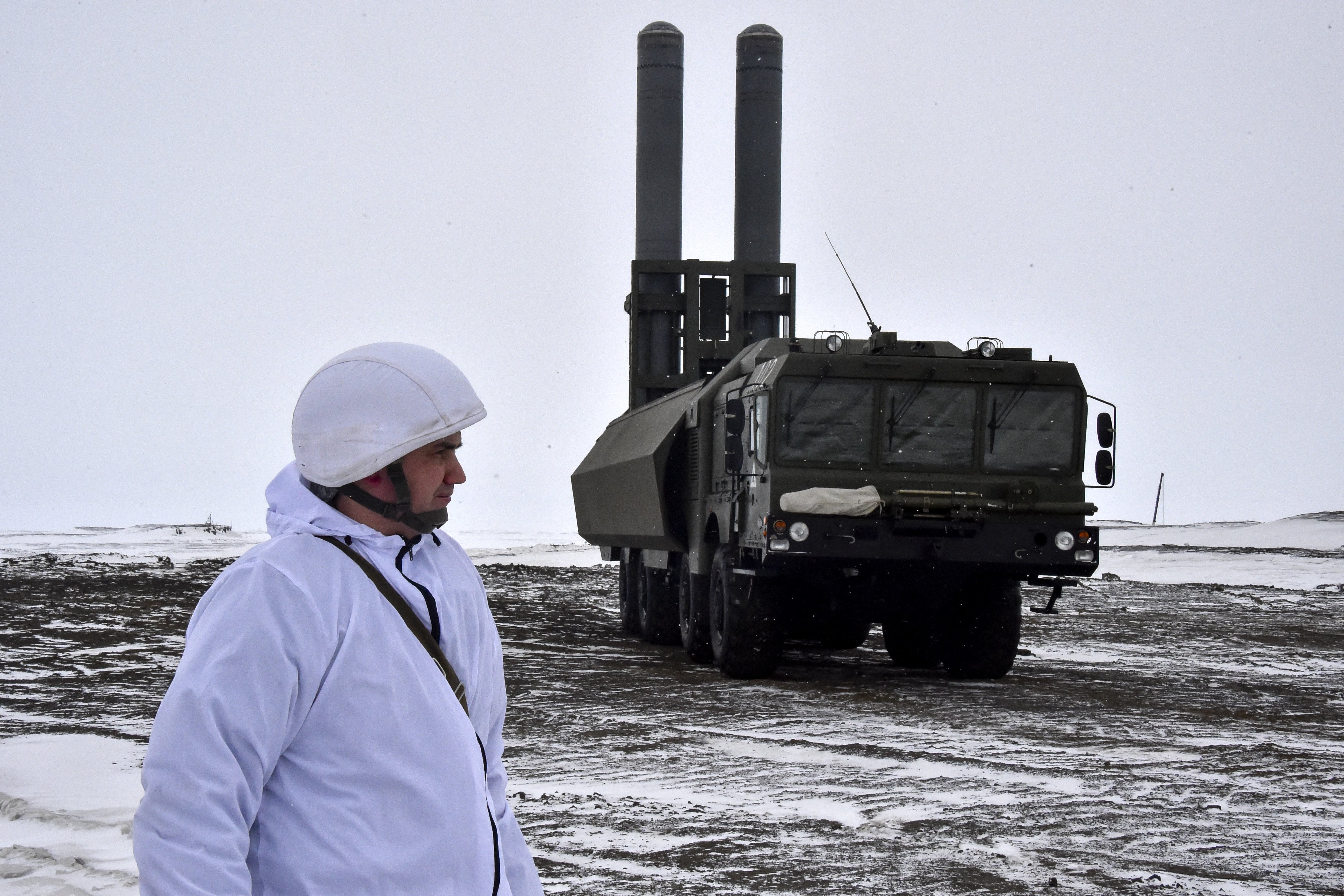
Denmark’s top Arctic military official has warned that Russia is likely to escalate its military posture in the High North once the war in Ukraine concludes, highlighting growing concerns over strategic tensions in the Arctic region.
According to Defense News on December 4, Maj. Gen. Søren Andersen, commander of Denmark’s Joint Arctic Command, stated that “when the war in Ukraine is over, Russia will devote its efforts to arming itself in the Arctic.” The remark was published in an interview with the Danish Armed Forces’ magazine Honnør.
We bring you stories from the ground. Your support keeps our team in the field.
The Arctic is emerging as a critical geopolitical theater, driven by climate change, which has increased access to the region’s shipping routes and natural resources. In response, Denmark has expanded its military presence in Greenland, a self-governing territory within the Kingdom of Denmark.
In June 2025, Denmark deployed a naval frigate and two EH101 Merlin helicopters to Greenland for training and reinforcement missions. It marked the first time Merlin helicopters had been stationed there.
-0c0f9d0574b5dfd68b0310455ff5cee3.jpg)
“Our Armed Forces have shown that we can deploy from Denmark to Greenland at short notice,” Andersen said. He noted that the aircraft were able to fly from Karup Air Base to Nuuk in 13 hours and were “absolutely crucial for the training.”
Operating in the Arctic remains a significant challenge for militaries due to extreme weather conditions and limited infrastructure. In remote regions, travel options are often restricted to snowmobiles or dog sleds. Andersen emphasized the need for more allied forces to conduct training in Greenland to gain experience in such conditions.
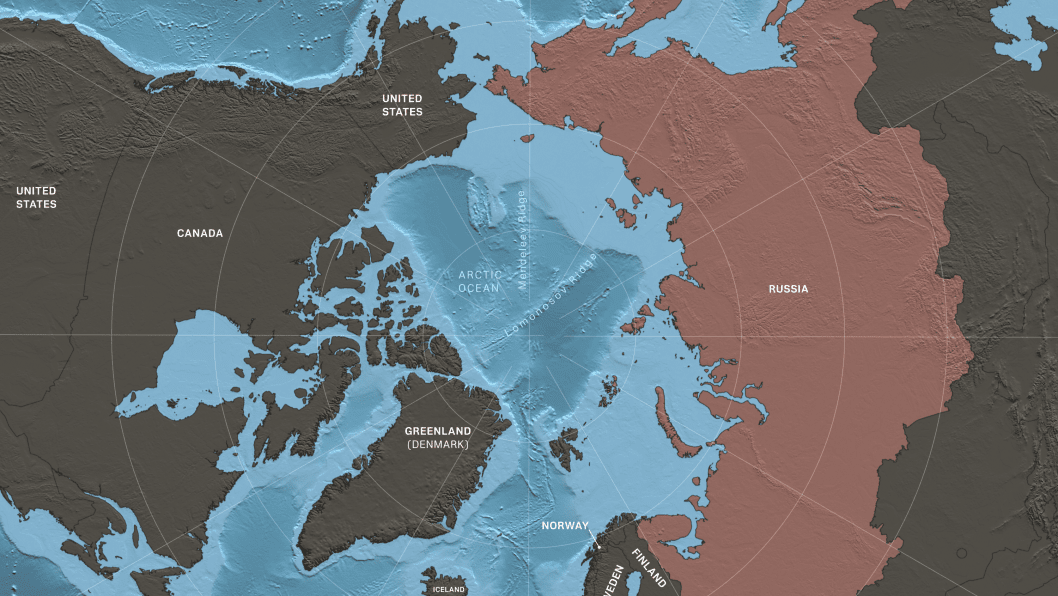
Strategic attention is also turning toward the Svalbard archipelago, a demilitarized zone under Norwegian sovereignty. A report released by the Arctic Institute on November 27 highlighted Svalbard’s vulnerability as a potential flashpoint if Russia seeks to alter the existing balance in the region.
Although the 1920 Svalbard Treaty prohibits the construction of military fortifications, its interpretation remains contested. Norway maintains a limited coast guard presence in the area, and certain forms of military activity are not explicitly banned.
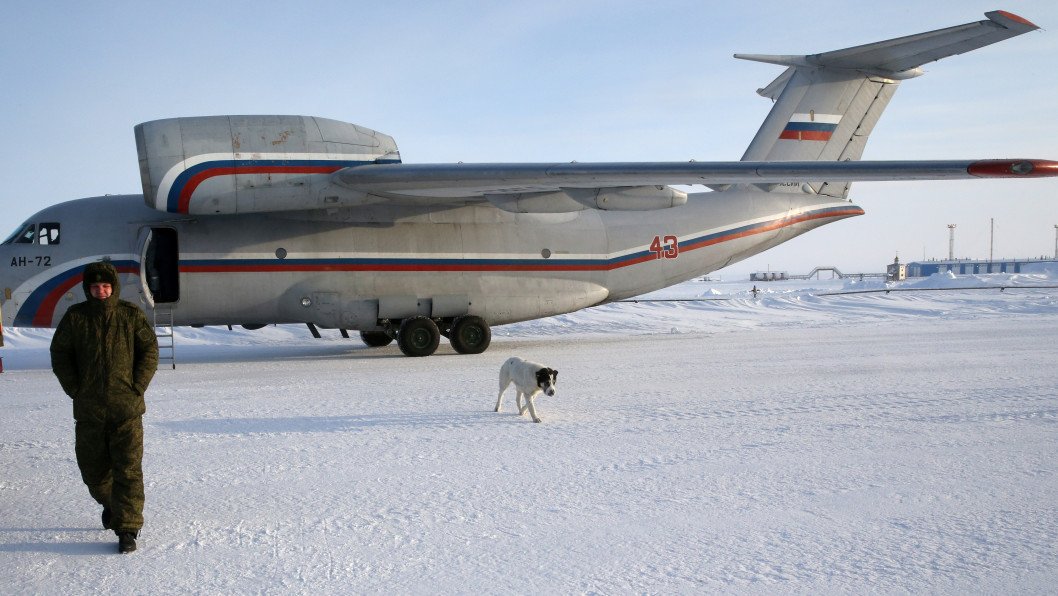
According to the Arctic Institute report cited by Defense News, Russia has developed considerable military infrastructure just 260 kilometers from Svalbard, at the Nagurskoye air base on Alexandra Land.
Since 2015, the base has undergone significant upgrades, including a 2020 runway extension to accommodate fighter jets like the MiG-31 and Su-34, and large transport aircraft such as the Il-76.
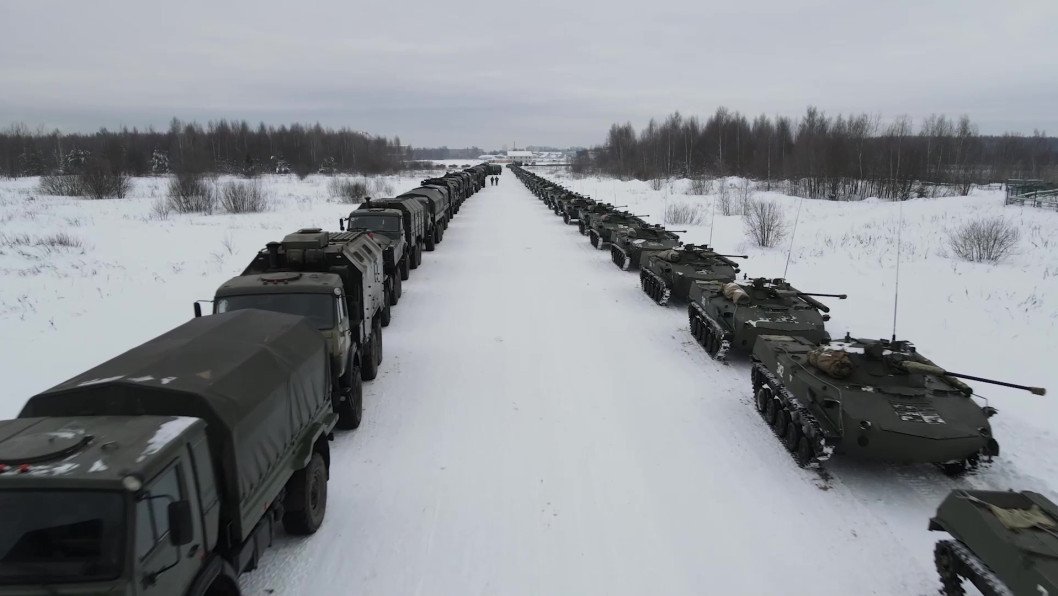
Nagurskoye has transitioned from a seasonal outpost to a year-round operational facility, occasionally hosting long-range bombers and serving as a base for Arctic military exercises.
Earlier, the UK and Norway signed the Lunna House agreement to jointly track Russian submarines in the North Atlantic, protect undersea infrastructure, and expand Arctic military cooperation.
Discuss this article:



-72b63a4e0c8c475ad81fe3eed3f63729.jpeg "Photo of Cyril Barabaltchouk")
-111f0e5095e02c02446ffed57bfb0ab1.jpeg "Photo of Roman Kohanets")