- Category
- Latest news
Gulf States Voice Concerns Over US Iran Policy and Security Commitments
 Prefer U24 Media on Google
- Authors

-72b63a4e0c8c475ad81fe3eed3f63729.jpeg "Photo of Cyril Barabaltchouk")
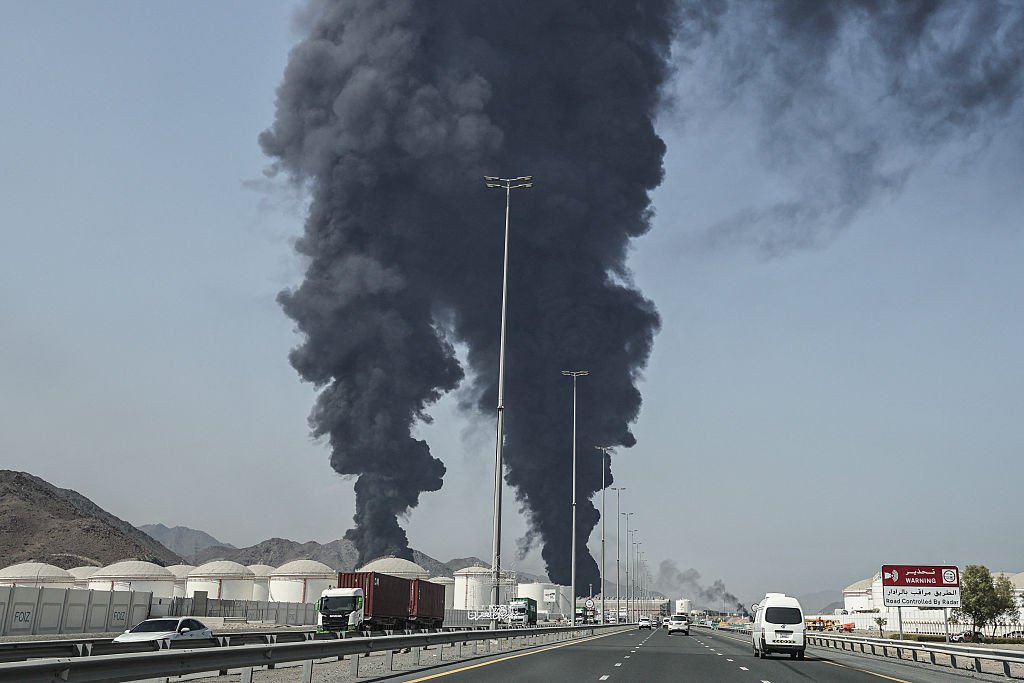
Gulf countries are growing increasingly frustrated with the United States over its handling of the ongoing war with Iran, Bloomberg report on March 27.
According to officials familiar with the matter, Gulf states are privately questioning American security guarantees and expressing concern over the Trump administration’s perceived lack of a coherent long-term strategy in the region.
We bring you stories from the ground. Your support keeps our team in the field.
The frustration comes one month into the US-Israeli conflict with Iran—a war the Gulf states spent a year lobbying to prevent. Despite hosting American military bases, which have now made them targets, Gulf nations continue to face Iranian retaliation.
Saudi Arabia recently intercepted a half-dozen drones, while two Kuwaiti ports were struck. The most devastating blow, however, has been the effective closure of the Strait of Hormuz. This vital shipping corridor acts as an economic lifeline for the region, and its shuttering has caused billions of dollars in lost oil revenue.
Regional officials fear that US President Donald Trump may prematurely cut a deal with Tehran to declare victory and pull out of a war that is increasingly unpopular in the US. They worry such an agreement would fail to curb Iran’s ballistic missile production or its support for proxy militant groups, leaving the Gulf states to deal with an embittered and well-armed neighbor that retains control over the Hormuz strait, according to Bloomberg.
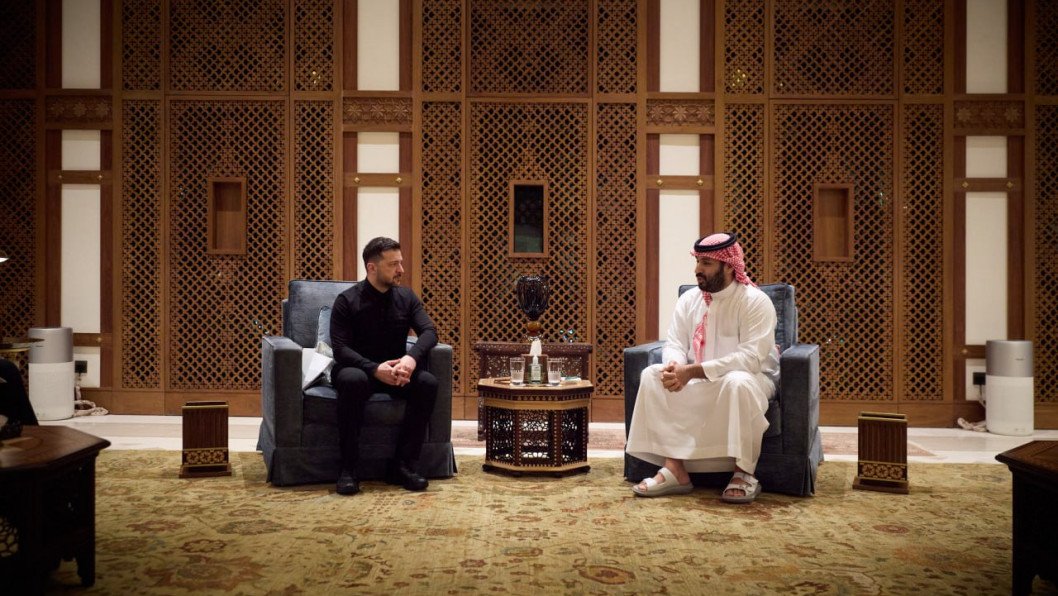
While Trump recently stated in an interview that the US would continue to protect Gulf allies even “if we don’t stay,” confidence remains deeply shaken.
Tensions have been further exacerbated by the US decision to temporarily suspend sanctions on billions of dollars worth of Iranian oil on tankers to lower surging crude prices—a move made while Gulf Arab states remain unable to export their own petroleum due to Iran’s threats.
With thousands of drones and missiles flying over the region, some Gulf governments are now actively considering diversifying their geopolitical relationships beyond Washington, quietly viewing China as a more predictable and stable superpower to forge stronger ties with moving forward, Bloomberg wrote.
The tactical evolution of Iran’s military operations is a direct result of its deepening strategic alliance with Russia. By shifting away from large, one-off strikes to a decentralized campaign of smaller, sustained drone attacks against economic and civilian infrastructure, Tehran is actively mirroring Russia’s war of attrition in Ukraine.
Ukrainian military delegations and analysts have previously note that this approach, bolstered by Russian targeting intelligence and the transfer of modified Shahed-136 attack drones, is designed to outlast US and allied defenses through long-term economic and operational disruption rather than direct military defeat.
Discuss this article: