- Category
- Latest news
How a Czech-Based Belarusian Consul Helped Supply Russia’s Sanctioned Military Industry
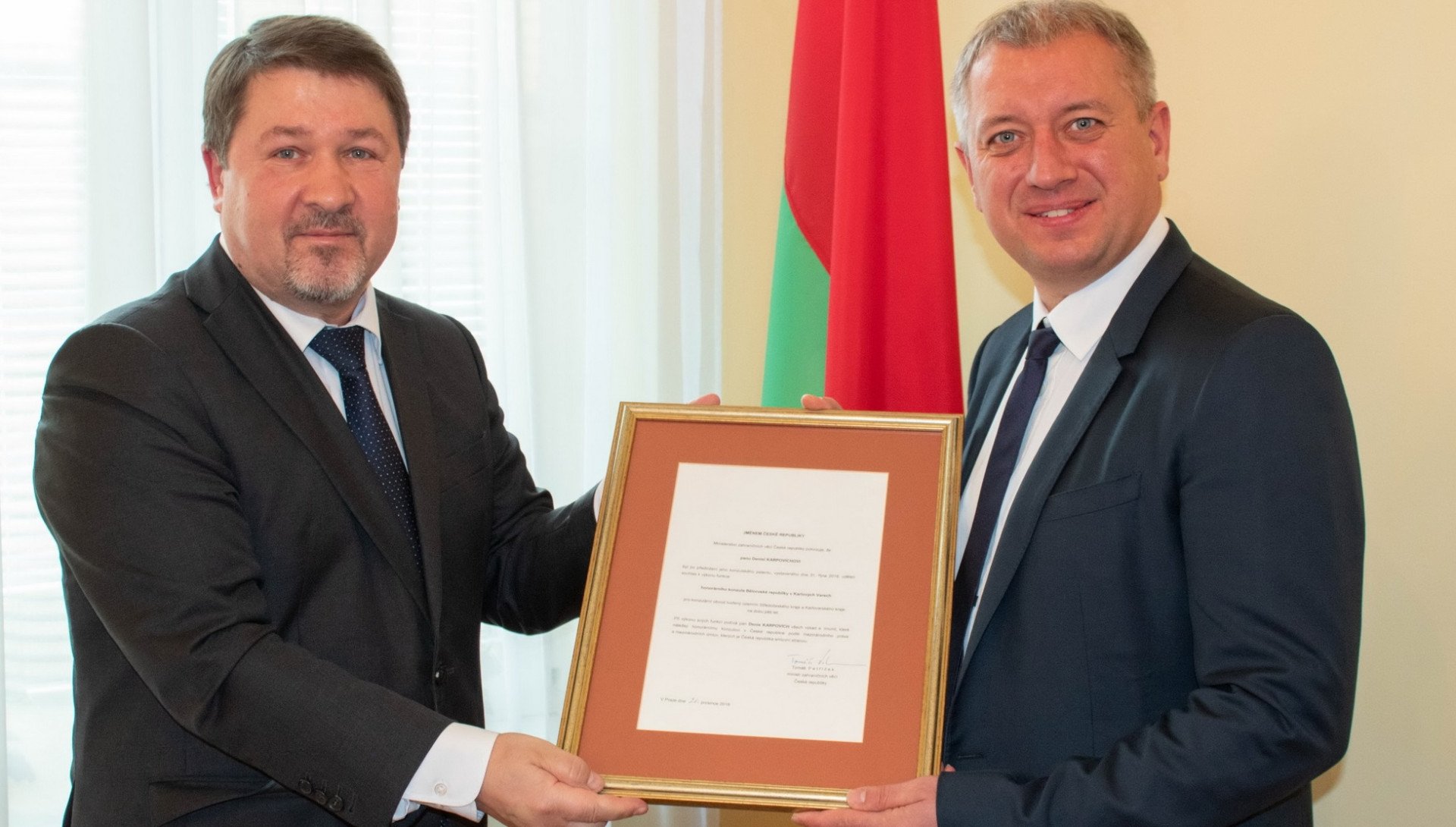
While European governments tighten sanctions on Russia, a Belarusian honorary consul in Czechia quietly built a multinational trade network funneling restricted components to sanctioned Russian defense firms—under diplomatic cover.
 Prefer U24 Media on Google
- Authors


A joint investigation by StateWatch and Czech outlet Investigace.cz has uncovered that Denis Karpovich, Belarus’s honorary consul in the Czech spa town of Karlovy Vary, has operated a multi-country business network that continued to supply sanctioned Russian military-linked companies after the start of Russia’s full-scale invasion of Ukraine.
Despite publicly available contact information, Czech authorities report no knowledge of his ongoing activities or current whereabouts.
The findings, published on December 15, 2025, are based on data from Belarusian business registries, international customs records, and corporate filings across the Czech Republic, Russia, and South Korea.

The investigation also draws on reporting by Belarusian journalist Aliaksei Karpiaka, who specializes in tracing transnational influence and financial networks.
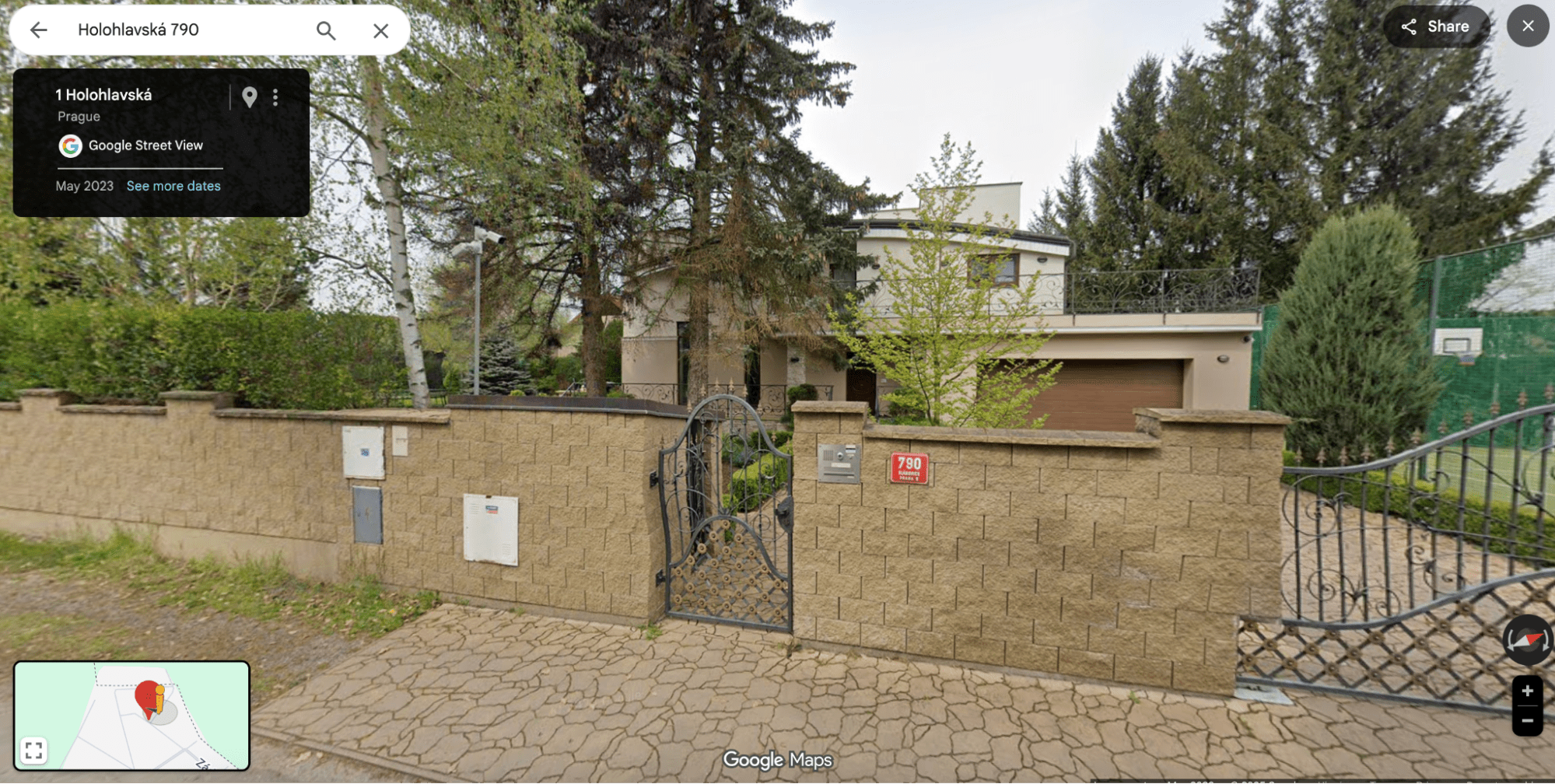
Karpovich, who holds Belarusian, Czech, and Russian citizenships, was appointed honorary consul of Belarus in 2020 by the Czech Ministry of Foreign Affairs for a term of nine years.

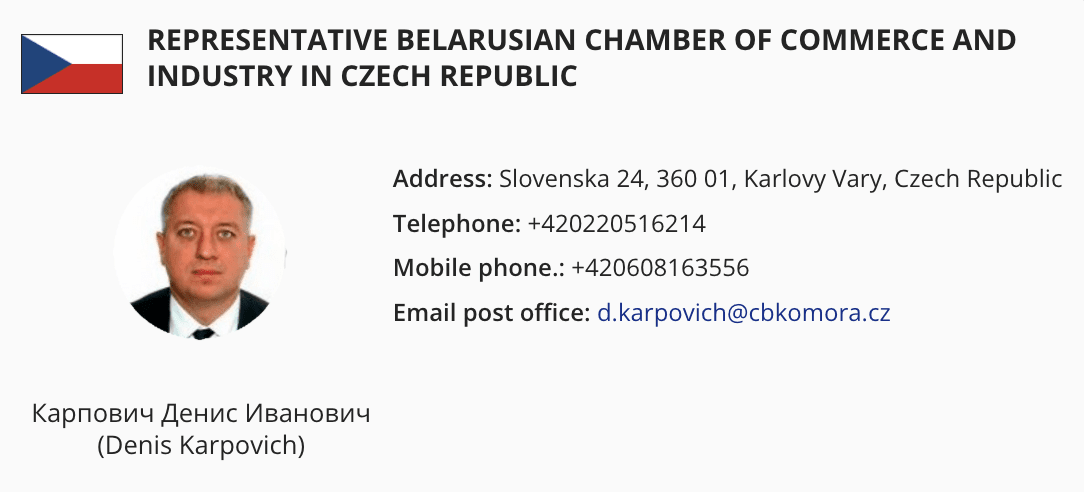
He also heads the Czech-Belarusian Chamber of Commerce. His official consulate is listed at a private commercial site in Karlovy Vary previously owned by a Russian businessman, but local authorities and CzechTrade told Investigace.cz they have had no contact with him in over a decade. The Belarusian community in Czechia also appears unaware of his presence.
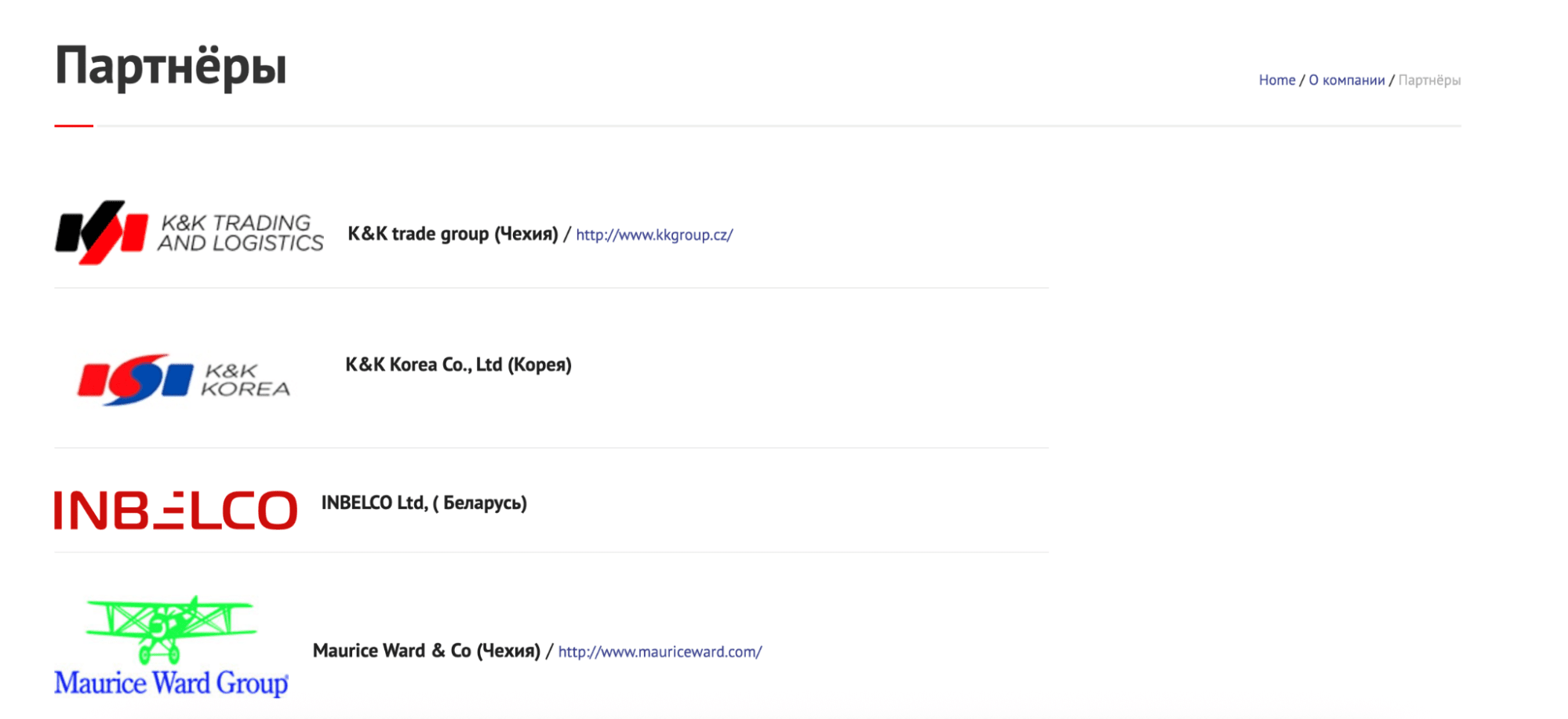
Karpovich is linked to a series of companies across multiple jurisdictions: Global European Solutions s.r.o. and K&K Trade Group in the Czech Republic, K&K Korea Co., Ltd. in South Korea, Inasia Solutions in Singapore, and ООО “K&K Рус” in Russia.
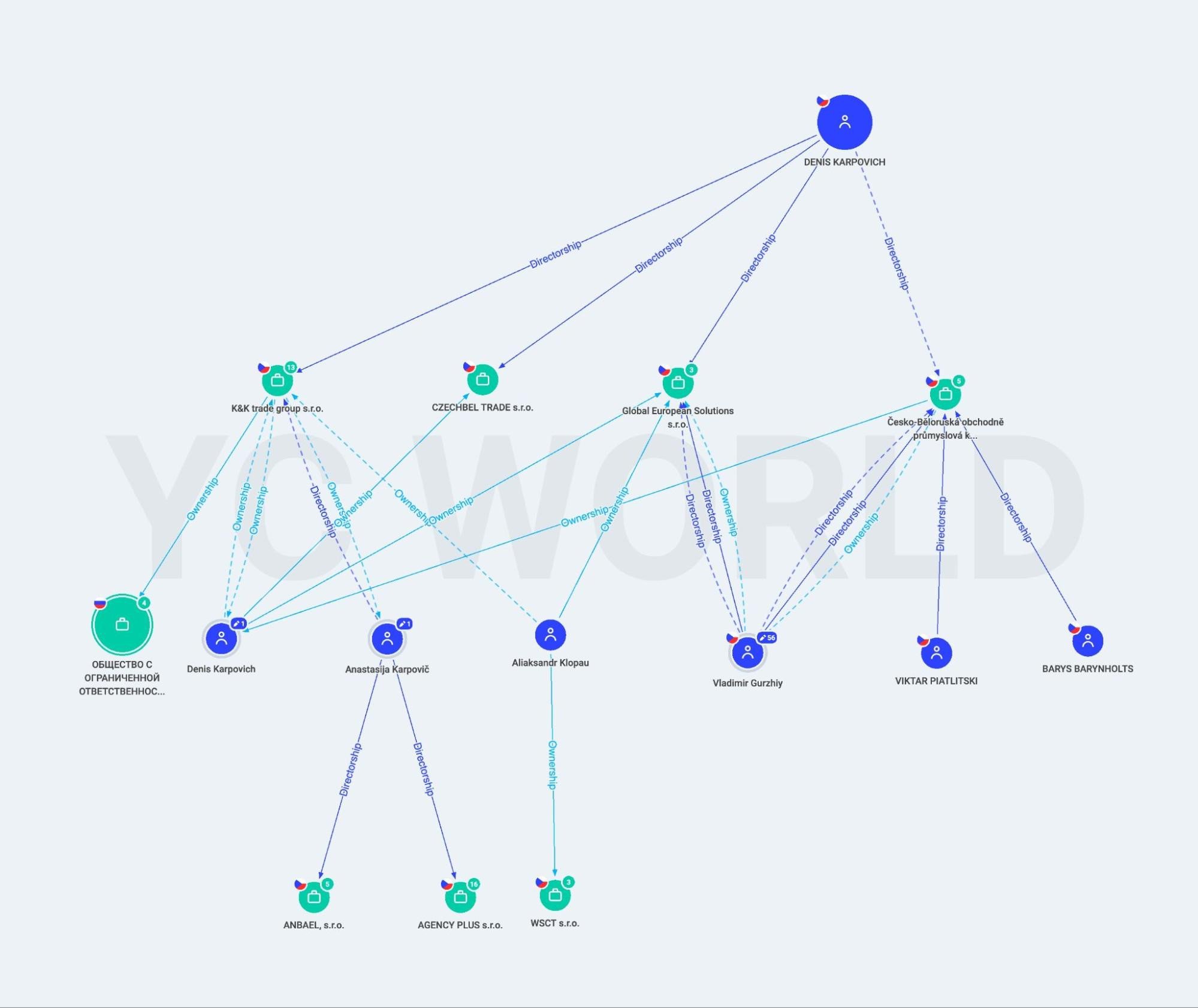
These businesses, according to investigators, facilitated the export of goods—including sanctioned and dual-use components—into Russia between 2022 and 2025. According to customs records, K&K Rus imported over $1.7 million worth of goods during this period, with at least 80% falling under European sanctions targeting Russia’s defense sector.
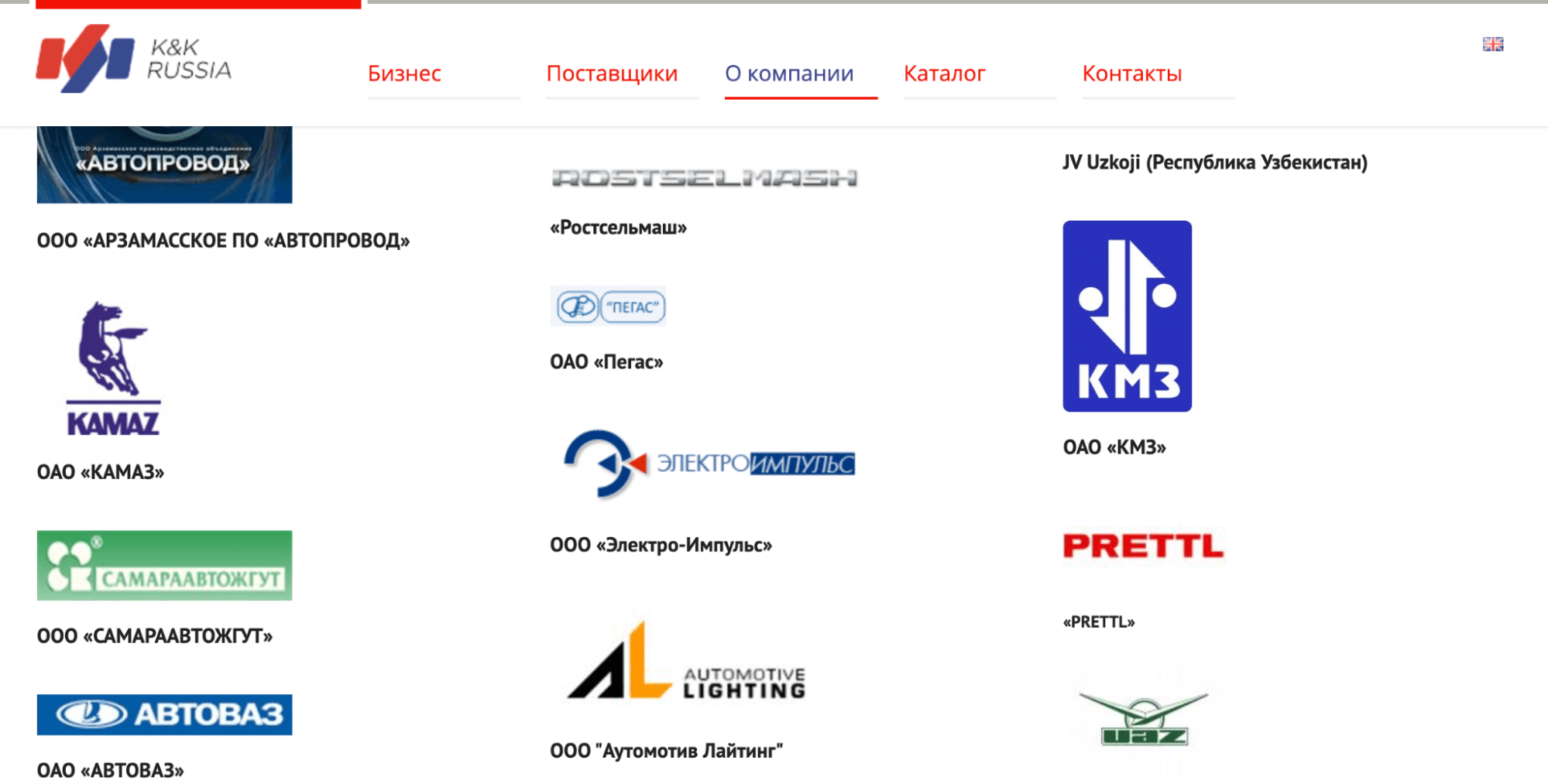
Products were primarily sourced from EU manufacturers but rerouted through South Korea, Turkey, China, and the Czech Republic. Clients of K&K Rus include sanctioned Russian firms such as KAMAZ, UAZ, and GAZ Group.
K&K Korea, also led by Karpovich, played a key role in routing electrical components from German firm WAGO Group into Russia. These parts were then distributed by K&K Rus, which claims to be WAGO’s official distributor in Russia.

WAGO did not respond to requests for comment, nor did the other firms identified in the supply chain. Karpovich’s wife, Anastasia, is also involved in the enterprise, having managed several affiliated firms, including Anbael s.r.o. and AGENCY PLUS s.r.o.

Her family members held executive positions in Components Logistics Solutions s.r.o., which shipped goods to Russia until at least February 28, 2022.
The case highlights concerns around the honorary consul system in Europe. Though honorary consuls are not career diplomats and operate part-time, their status often affords them informal prestige and access.

According to former Slovak foreign minister Rastislav Káčer, such positions can be “almost purchasable” and are frequently misunderstood as equivalent to official diplomatic roles.
In November 2025, Belarus introduced new internal rules requiring that honorary consul appointments be personally approved by Belarusian leader Alexander Lukashenko and the KGB. Investigative journalist Aliaksei Karpiaka notes that critics of the Belarusian regime are never selected for such roles.
-1d9fa7480e5881fc68e774e53f4fa441.jpg)
According to StateWatch, Belarus is among the top 20 countries with honorary consuls implicated in corruption or sanctions evasion. In response to similar cases, several European governments have begun reviewing the role and privileges granted to honorary diplomats.
Earlier, an investigation by the Belarusian Investigative Center revealed that from September 2022 to June 2024, Belarus exported over $125 million worth of microchips to Russia—including components from Intel and other Western firms—despite sanctions.
The parts were used in Russian warplanes, drones, and missiles, and were delivered through companies linked to Lukashenko’s inner circle.
Discuss this article:
-4a56a6b482ec132402c16ef6fcabf9a2.png)

-111f0e5095e02c02446ffed57bfb0ab1.jpeg "Photo of Roman Kohanets")
-72b63a4e0c8c475ad81fe3eed3f63729.jpeg "Photo of Cyril Barabaltchouk")
-e88c01988249cd60b6f04f79d29156b7.jpeg "Damage to “Cosmogony,” the largest painting in Ukraine, following a Russian drone attack on Lutsk on October 13, 2026. (Source: @sashyyna/Instagram)")