- Category
- Latest news
Inside Belarus’s Secret Role in Arming Putin’s War Machine
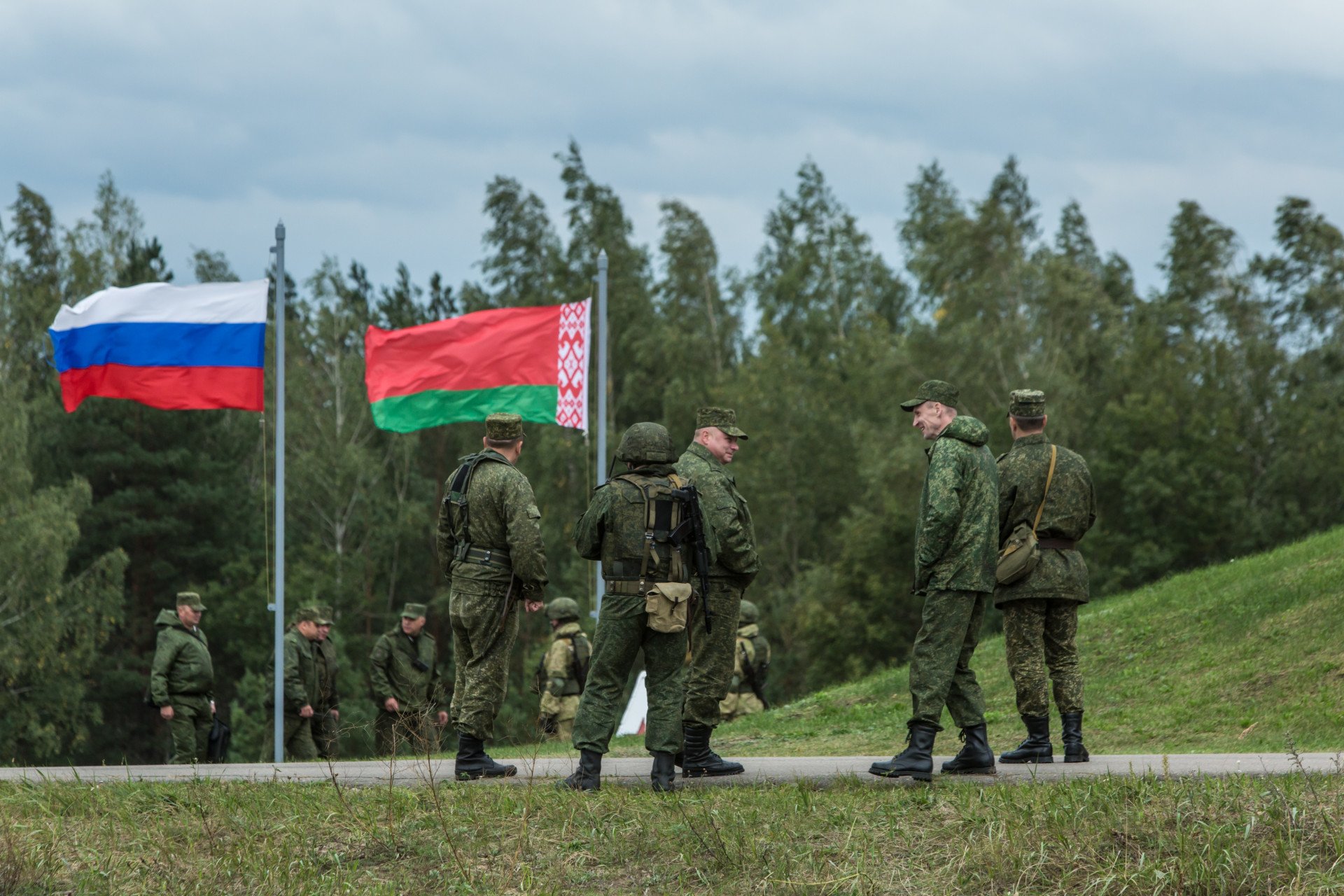
Despite not engaging in active combat operations against Ukraine in late 2025, Belarus continues to serve as a critical industrial support hub for Russia’s military, providing weapons components, vehicle platforms, and ammunition production capacity.
 Prefer U24 Media on Google
- Authors




According to Militarnyi, the Belarusian defense industry plays an increasingly strategic role in sustaining Russia’s war effort.
Deep industrial integration with Russia
Belarus’s military-industrial sector operates in lockstep with Russia under the framework of the Union State .
According to the Prism UA analytical center, citing the State Authority for Military Industry of Belarus, 99 Belarusian defense enterprises supply nearly 1,900 components to 255 Russian military manufacturers.
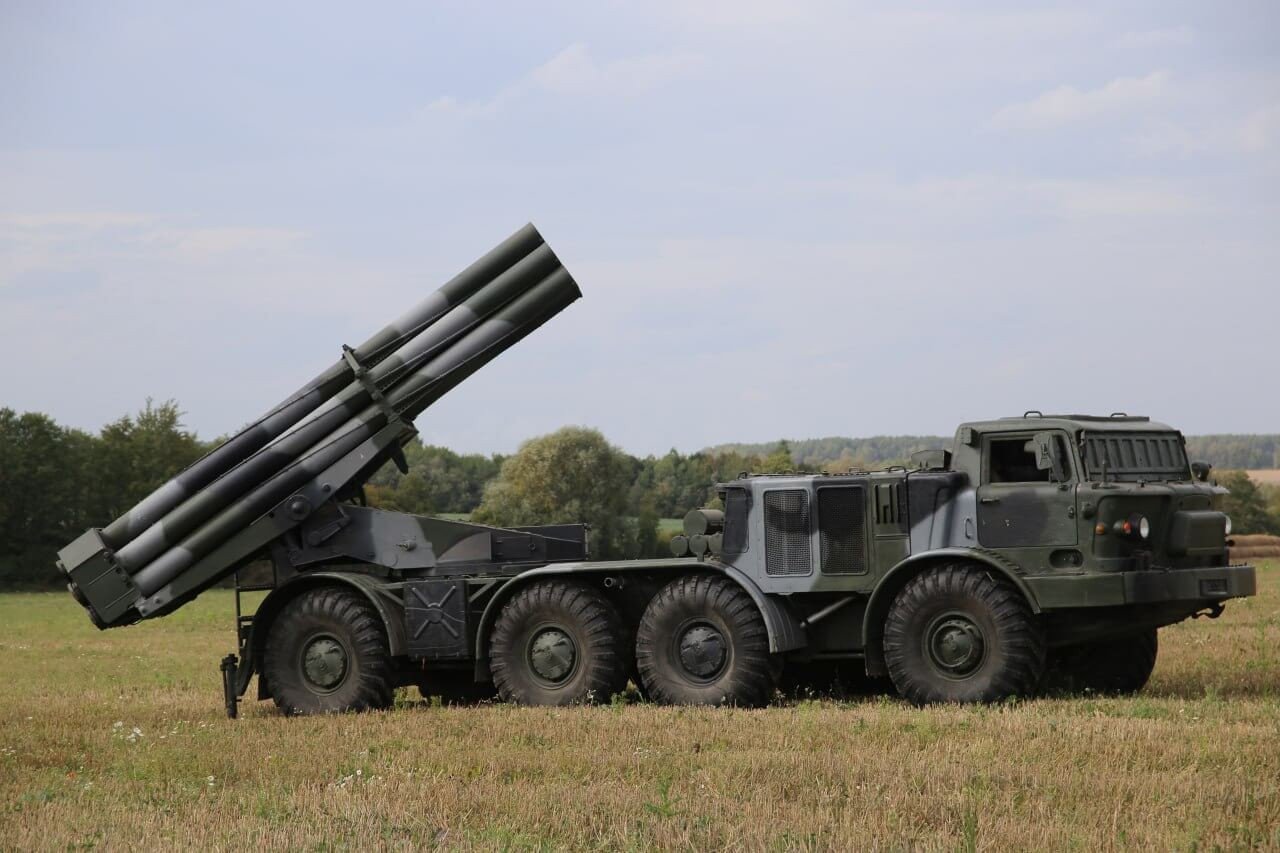
By 2022, the share of Belarus’s defense exports to Russia had risen to 60%, up from just 26% in 2019.
Similar findings were published by the independent analytical initiative BelPol, which estimates that at least 287 Belarusian firms contribute to Russia’s military production. The group believes the real number may exceed 500.
Role as subcontractor and component supplier
Belarus continues to act primarily as a subcontractor, rather than a direct supplier of finished weapon systems.

Notable exceptions include the MAZ series of military trucks, which have been documented in use by Russian forces in eastern Ukraine. The MAZ-5316, for instance, was spotted in Luhansk in 2025.
Heavy vehicles and chassis from the Minsk Wheel Tractor Plant (MZKT) underpin multiple Russian weapons systems, including the Iskander ballistic missile system, the Uragan-1M multiple launch rocket system, and S-400 air defense units.
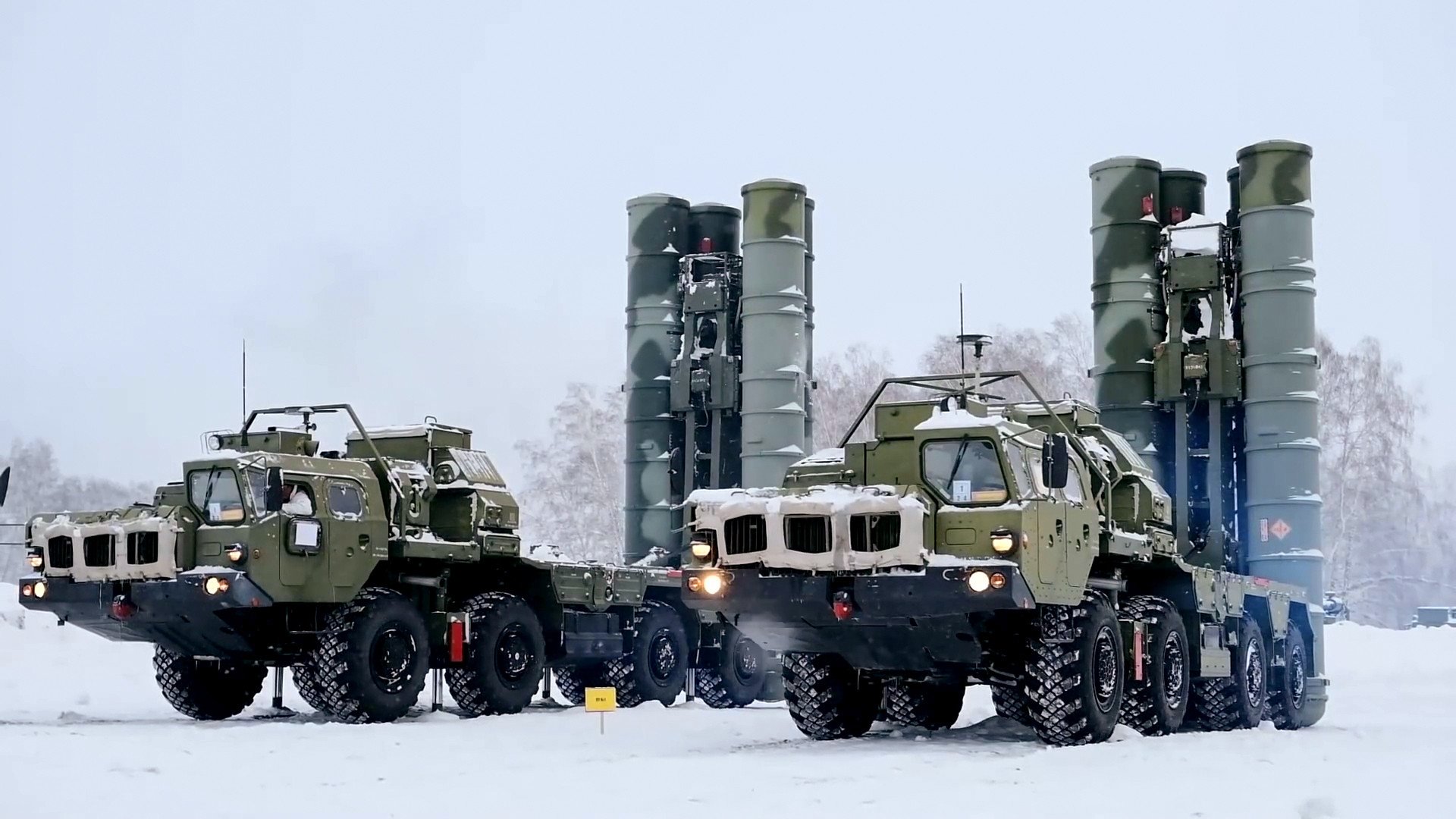
Militarnyi notes that MZKT delivered 306 railway wagons of equipment to Russia in 2024, most of which were routed to defense plants.
Expanding ammunition and missile supply chain
According to BelPol, Belarus plans to significantly expand its munitions manufacturing capabilities. By 2028, Belarusian factories are expected to produce 300,000 rocket projectiles and 450,000 artillery shells annually.
This scale-up includes cooperation with China, which has reportedly supplied production equipment for shell casings.
Belarus has already supplied over 130,000 tons of ammunition to Russia from its existing stockpiles in 2022–2023. In 2024, additional deliveries were made, including 192 railcars worth of ammunition, equivalent to approximately 5,000 tons.
-1d9fa7480e5881fc68e774e53f4fa441.jpg)
According to Militarnyi, a contract between Belarus’s Precision Electromechanics Plant and Russia’s Splav Research and Production Association was signed in 2023 to supply 13,000 sets of parts monthly for 122mm rocket artillery. A smaller number of fully assembled munitions were also scheduled to return to Belarus for final integration.
Optical systems and electronics for Russian armor
Belarus’s “Peleng” company remains a key supplier of optical and fire-control systems for Russian tanks and infantry vehicles. Its Sosa-U, Essa, and Plisa sighting complexes are installed on upgraded variants of the T-72B3, T-80, and T-90 tanks.

The firm is also responsible for producing optics used in Russia’s BMP-3 and Terminator fighting vehicles, as well as in anti-tank systems such as the Khrizantema.
In 2024, Belarus committed to delivering a total of 1,370 optical sights for tanks and other armored platforms under Russian defense contracts.
Electronics and drone support
One of Belarus’s most significant contributions to Russia’s military-industrial supply chain is microelectronics.
According to Ukraine’s Foreign Intelligence Service, the Integral factory shipped over six million microchips to Russia by mid-2024, worth more than $130 million. These components are used in precision-guided weapons, including Kh-101 cruise missiles and aircraft such as the Su-30SM and Su-34.
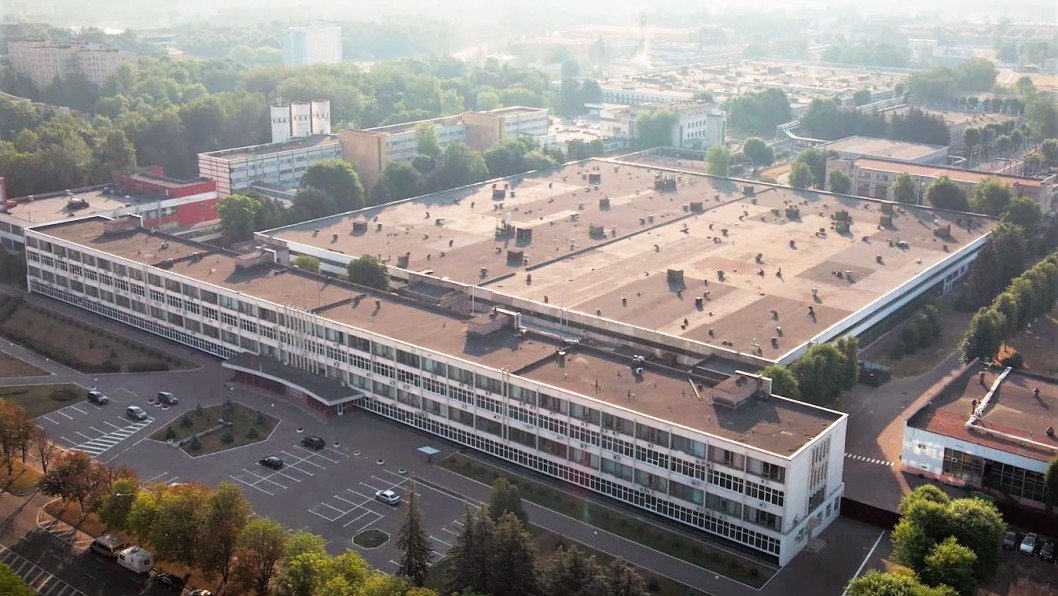
Additionally, Belarus has revived drone-related manufacturing. A previously mothballed facility for composite UAV components was restarted in 2024 and reached full capacity in early 2025. Moscow has proposed establishing a Belarusian drone factory capable of producing up to 100,000 units per year.
Sanctions evasion and foreign components
The Belarusian defense sector benefits from gaps in international sanctions enforcement. As Militarnyi notes, Belarusian intermediaries—often linked to the Lukashenko regime—continue importing Western electronics and tooling, which are subsequently integrated into Russian weapons systems.
This includes European and US-made components found in air-to-air and cruise missiles used against Ukraine.
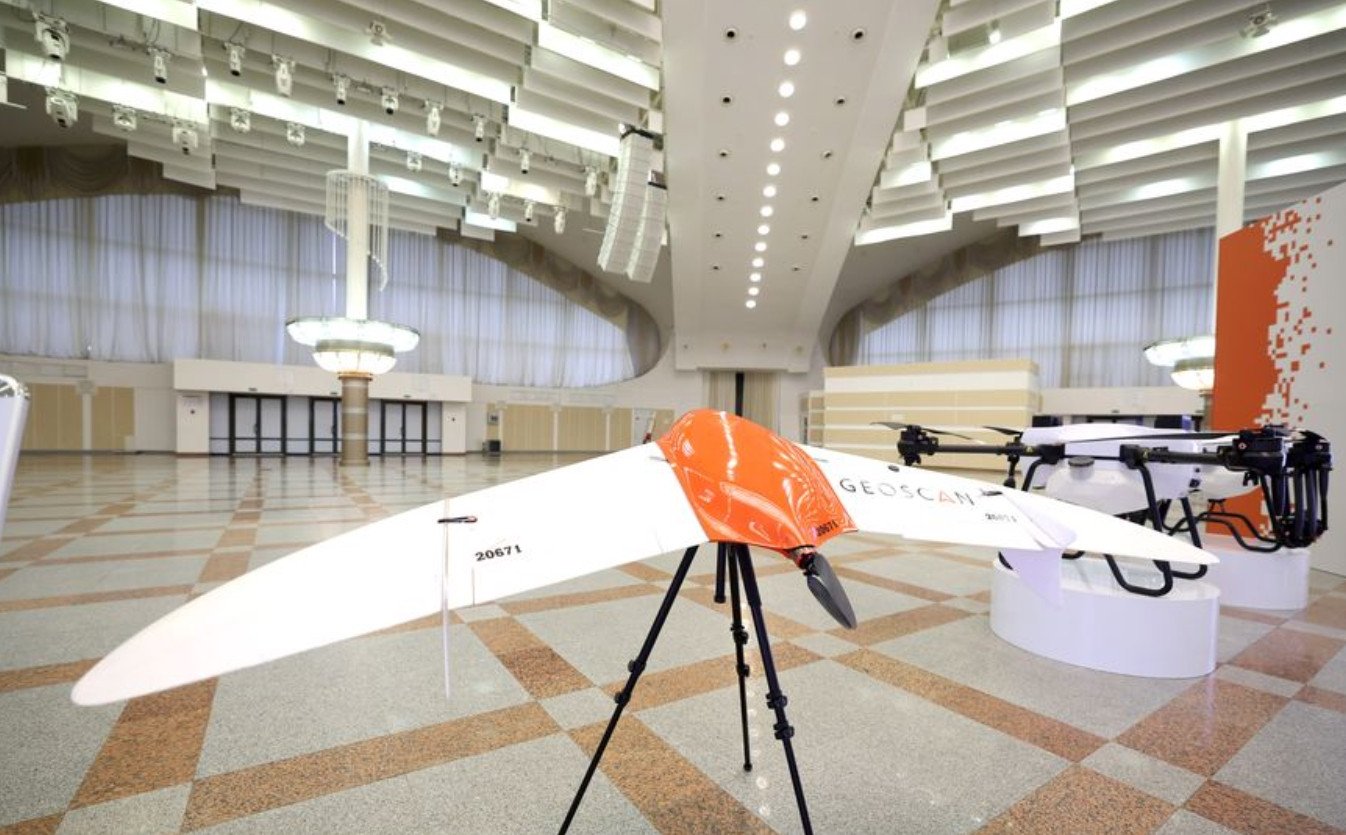
While Belarusian-made weapon systems themselves rarely appear on the Russian front lines, the country’s role in supplying key components, optics, electronics, and ammunition is increasingly vital as Russia faces resource shortages due to sanctions and battlefield losses.
Recent trends suggest deeper integration is underway, with Belarus gradually expanding into new manufacturing domains, including UAVs and missile guidance components.
According to Militarnyi, Belarus’s contribution to Russia’s defense production is poised to grow substantially by the end of the decade, making it a critical node in Moscow’s warfighting capability despite its nominal non-combat status.
Earlier, Deutsche Welle reported that China helped Belarus establish production lines capable of manufacturing 500,000 artillery shell casings per year for Russia. According to BelPol’s Matviy Kupreychyk, Chinese engineers installed the equipment and now supervise the output at Belarusian factories, which produce empty 152mm and 122mm shells under Russian defense contracts.
Discuss this article:

-c439b7bd9030ecf9d5a4287dc361ba31.jpg "Photo of Katherina Popilnichenko")
-111f0e5095e02c02446ffed57bfb0ab1.jpeg "Photo of Roman Kohanets")


-72b63a4e0c8c475ad81fe3eed3f63729.jpeg "Photo of Cyril Barabaltchouk")