- Category
- Latest news
How French Defense Tech Is Contributing to Ukraine’s Military Modernization
 Prefer U24 Media on Google
- Authors

-72b63a4e0c8c475ad81fe3eed3f63729.jpeg "Photo of Cyril Barabaltchouk")
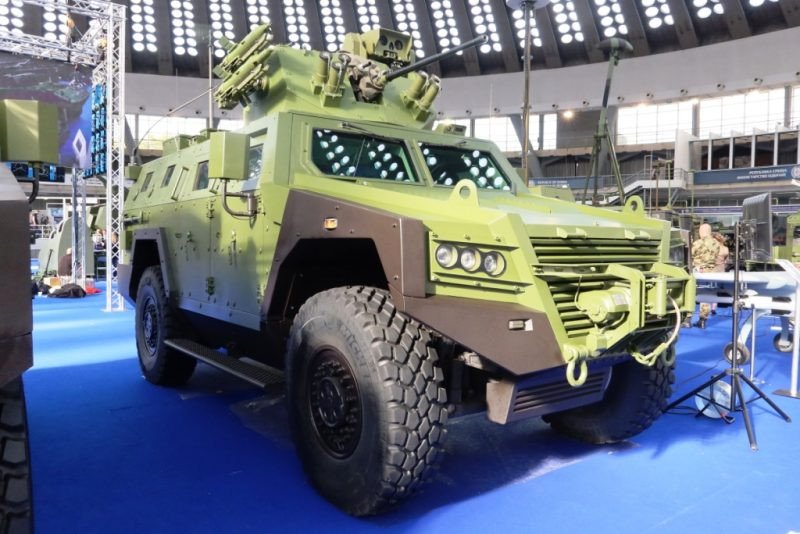
The relationship between Ukraine’s armed forces and the French defense industry has evolved significantly in recent months, especially after the France-Ukraine Defense Innovation Forum held in Kyiv in mid-July. Historically, Ukraine had reservations about the high cost of French military technology, a barrier for a country like Ukraine. However, the ongoing war and Ukraine’s accelerated military modernization have prompted a reassessment of these products and technologies, French outlet La Tribune reported on August 1.
Despite these concerns, the Ukrainian military has increasingly turned to its domestic industry, which has displayed remarkable progress in adapting to the rapidly evolving demands of modern warfare, La Tribune reports.
As Thomas Moreau, the representative of Gicat (the Group of French Industries of Land Defense and Security) in Ukraine, notes, Ukrainian manufacturers have developed efficient, cost-effective solutions, sometimes even surpassing Western standards in certain areas.
The Gicat event has put French industrial players back on the radar of the Ukrainian armed forces, showcasing the potential of French technology in improving Ukrainian defense capabilities.
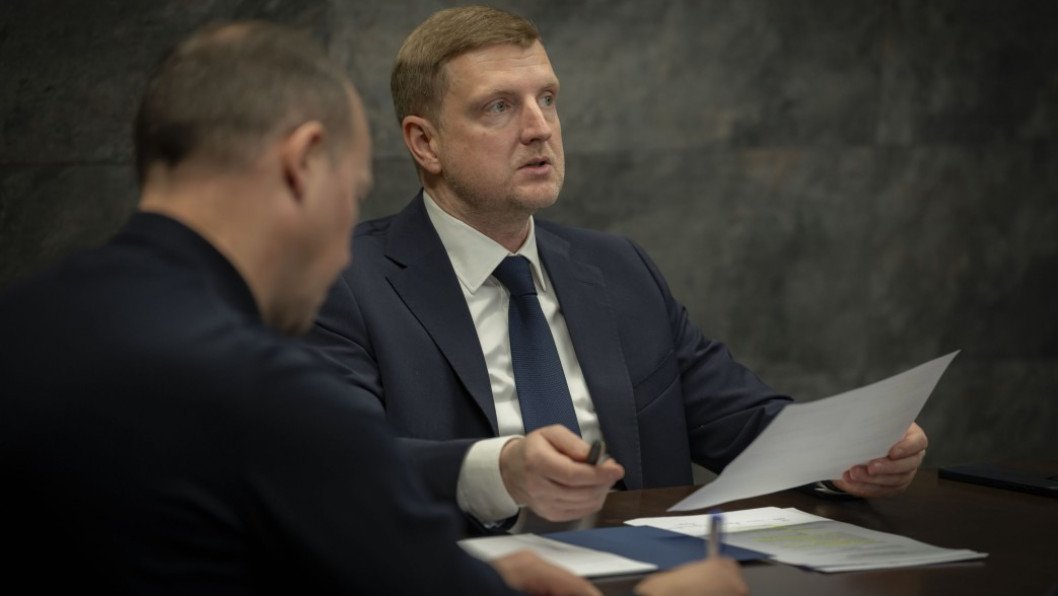
Several partnerships were forged during the forum, including a Memorandum of Understanding (MoU) signed between Texelis and a Ukrainian company for the development of armored vehicles for post-conflict needs. The Celeris system proposed by Texelis aims to help Ukraine develop armored vehicles that meet NATO standards.
For France and its partners, the challenge now lies in adapting to the needs of the Ukrainian military, which has to balance mass production with high-end technology. Bertrand Boyard, special adviser to the president of Arquus, a key French defense manufacturer, points out that innovation in industrialization processes will be critical. While French manufacturers can help develop new systems for Ukraine, they must also think about how to scale production quickly to meet the battlefield’s needs, La Tribune states.
Another area where French defense technology is stepping up is in electronic warfare, a domain in which Russia has demonstrated significant capabilities. Patrice Caine, the CEO of Thales, pointed out that electronic warfare is central to the war in Ukraine, with both Russian and Ukrainian drones being affected by electromagnetic jamming.
The war in Ukraine is highlighting the need for resilient, advanced systems that can function in contested environments, including inertial navigation systems and optical sensors. Olivier Andriès, the CEO of Safran, emphasized the necessity for these systems to continue to operate in such challenging conditions.
However, the role of French technology is not limited to battlefield equipment. As Thomas Moreau explains, there is also a growing need for systems that can help Ukraine counter Russia’s use of drones, some of which have been modified multiple times throughout the war. One of the areas French industries have worked on is developing cost-effective solutions to intercept these drones without relying on expensive systems like Patriot missiles.
Furthermore, the Danish model has inspired some aspects of French cooperation, particularly when it comes to setting up defense production facilities in Ukraine or neighboring countries, such as Poland. This model involves joint ventures and industrial partnerships that could help meet Ukraine’s long-term defense needs, according to La Tribune.
In terms of the equipment most appreciated by the Ukrainian forces, the Caesar artillery system remains a top choice, while the VAB armored vehicles and Bastion light armored vehicles provided by Arquus have also become essential assets on the battlefield, La Tribune claims.
Earlier, it was reported that France has delivered Bastion armored vehicles to Ukraine after years of delays and trials. The vehicles were handed over after completing a full testing cycle, primarily conducted by the Ukrainian side.
Discuss this article:


-c439b7bd9030ecf9d5a4287dc361ba31.jpg "Photo of Katherina Popilnichenko")