- Category
- Latest news
How Putin’s Female Agents Use Romance to Infiltrate Silicon Valley and Steal US Tech Secrets
 Prefer U24 Media on Google
- Authors


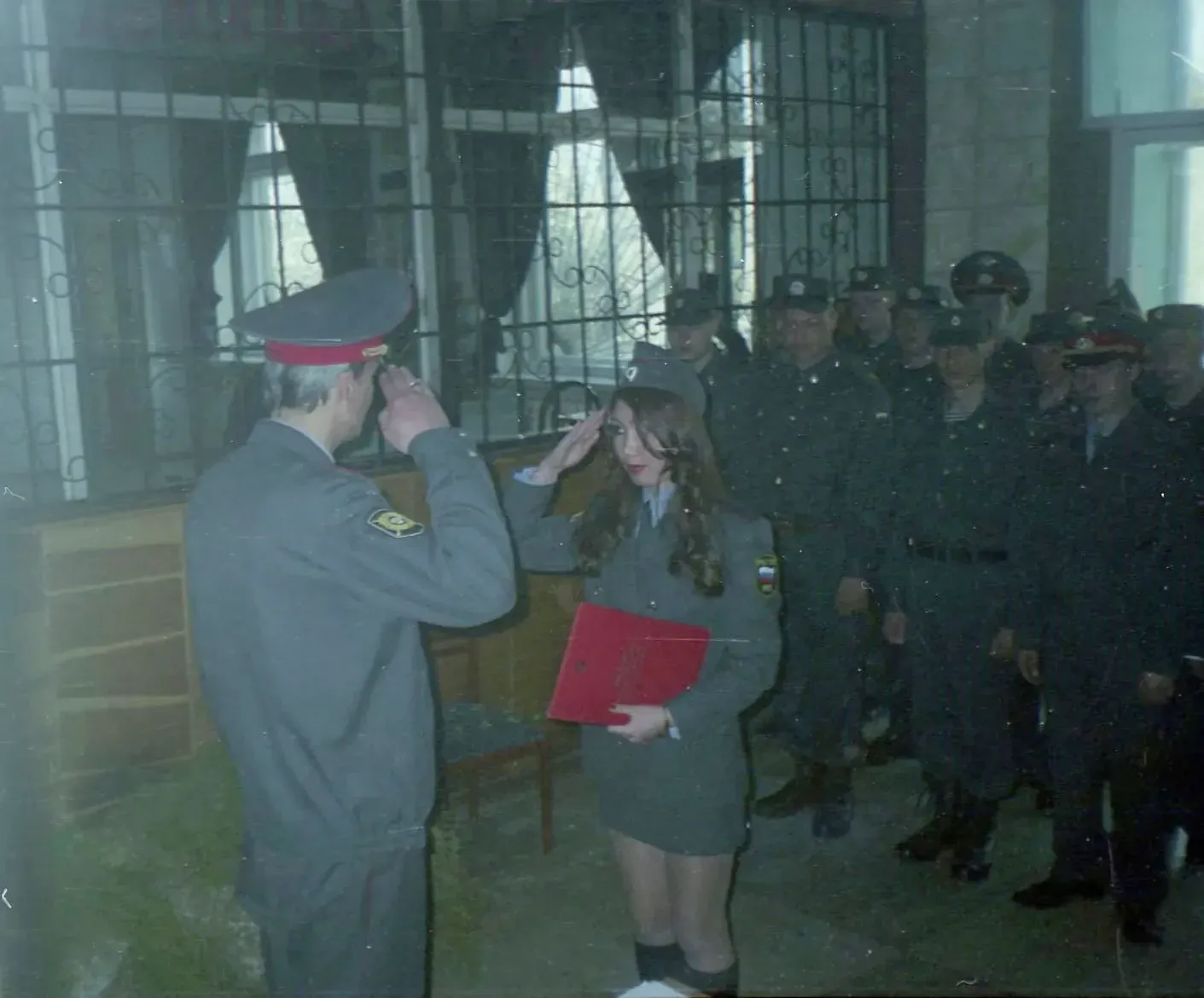
Russian and Chinese intelligence services are allegedly deploying female operatives to extract sensitive technology information from specialists in the United States, according to The New York Post on October 28 and The Times of London.
The revelations come from Aliia Roza, a former Russian intelligence trainee who claims she was instructed in “seduction and manipulation techniques” as part of a covert KGB-era program.
Speaking to The New York Post, Roza stated that operatives are trained to “manipulate emotions, feelings, or whatever they can do” to obtain information.
She described a methodical approach: repeated casual encounters, online engagement, and emotional conditioning before any direct approach takes place. “You first appear in their life—seven times, to be exact—before making contact,” Roza said. “When you finally meet, their brain already trusts you.”

Roza explained that once contact is established, agents employ “love bombing”—a sequence of affectionate messages, compliments, and photographs—to build dependency.
This often leads to emotional manipulation, followed by pressure or threats designed to coerce targets into revealing information. “If you don’t send this information right now, I’ll disappear forever,” Roza quoted the typical ultimatum.
According to The Times of London, both Russian and Chinese operatives reportedly use similar approaches to infiltrate technology sectors, viewing such methods as an “asymmetric advantage” over Western counterparts.
Intelligence experts cited by the outlet said that the United States, constrained by ethical and legal frameworks, does not engage in comparable tactics.

Roza’s account aligns with broader US intelligence concerns about foreign espionage targeting the technology industry.
As reported by The Times, these operations have involved romantic relationships, marriages, and even families built around targeted individuals working in defense and innovation fields. In one case described by The Times, a Russian woman married an aerospace engineer to gain long-term access to restricted information.
In February, the US House Homeland Security Committee warned that the Chinese Communist Party had conducted more than 60 espionage incidents in the United States over four years.
The Commission on the Theft of American Intellectual Property estimates such activities cost the US economy up to $600 billion annually.

Roza, who now resides in Los Angeles, said she left Russian intelligence and has since become a public speaker and consultant on psychological manipulation.
“Education is prevention of the problem,” she told The Post, urging technology workers to verify identities offline, avoid secrecy-based requests, and remain skeptical of sudden romantic interest combined with probing questions.
Earlier, NBC News reported that Russian intelligence agencies have significantly expanded their presence in Mexico, using it as a base for spying on the United States and spreading anti-Ukraine propaganda.
Discuss this article:



-c439b7bd9030ecf9d5a4287dc361ba31.jpg "Photo of Katherina Popilnichenko")