- Category
- Latest news
How Soviet-Era Sabotage Tactics Are Undermining Ukraine’s Air Defense Today
 Prefer U24 Media on Google
- Authors




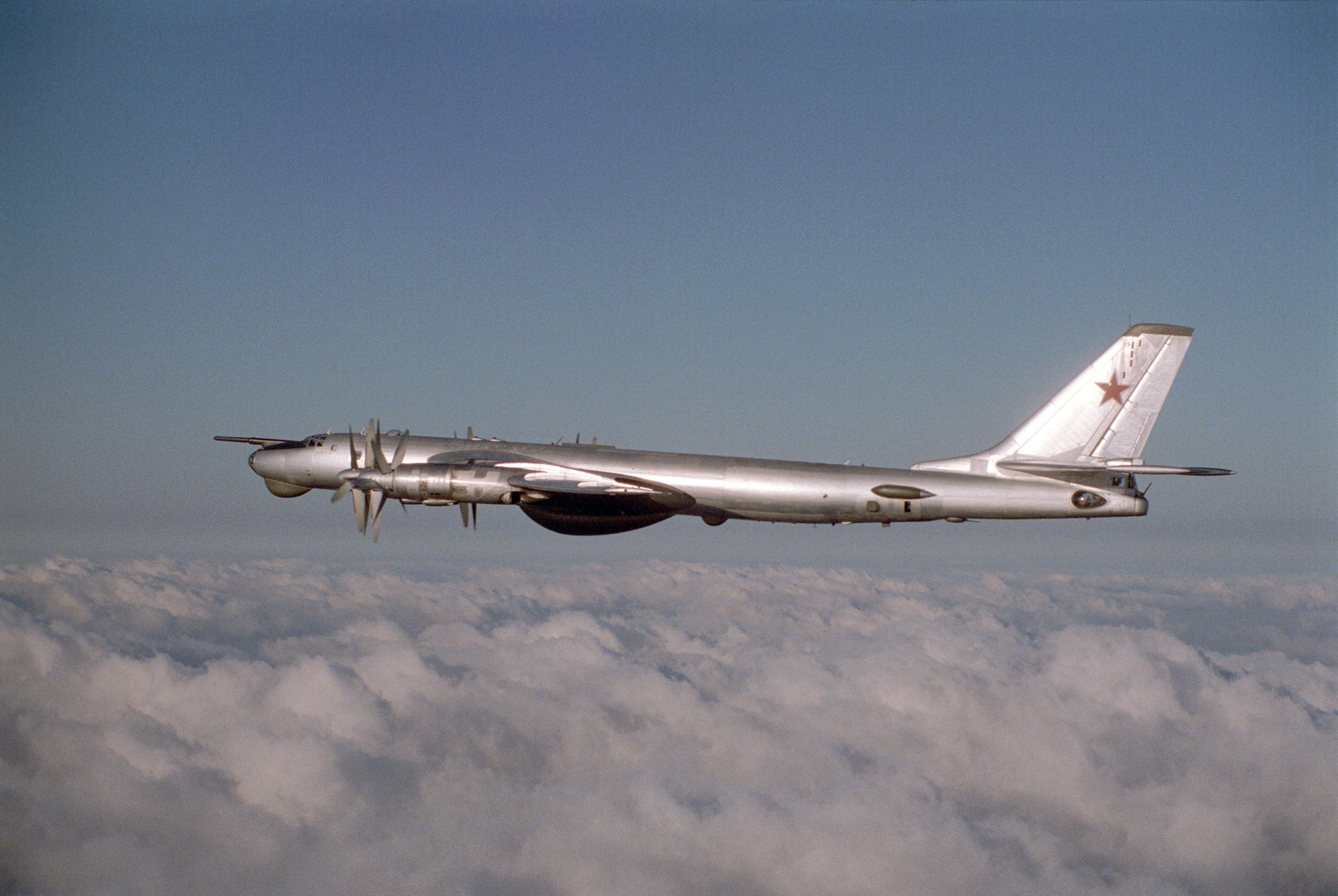
European hesitation to supply Ukraine with critical air defense missiles amid rising concerns about Russian drone activity echoes Cold War-era Soviet strategies of sabotage and hybrid warfare.
According to Defense Express, current developments reflect the enduring influence of a sabotage doctrine formulated by the USSR in the 1960s—long before Russia’s modern strategic aviation capabilities, such as the Tu-95MS bombers, came into service.
The report highlights that recent acts of sabotage and suspected Russian covert operations across European infrastructure and defense facilities have intensified fears of escalation.
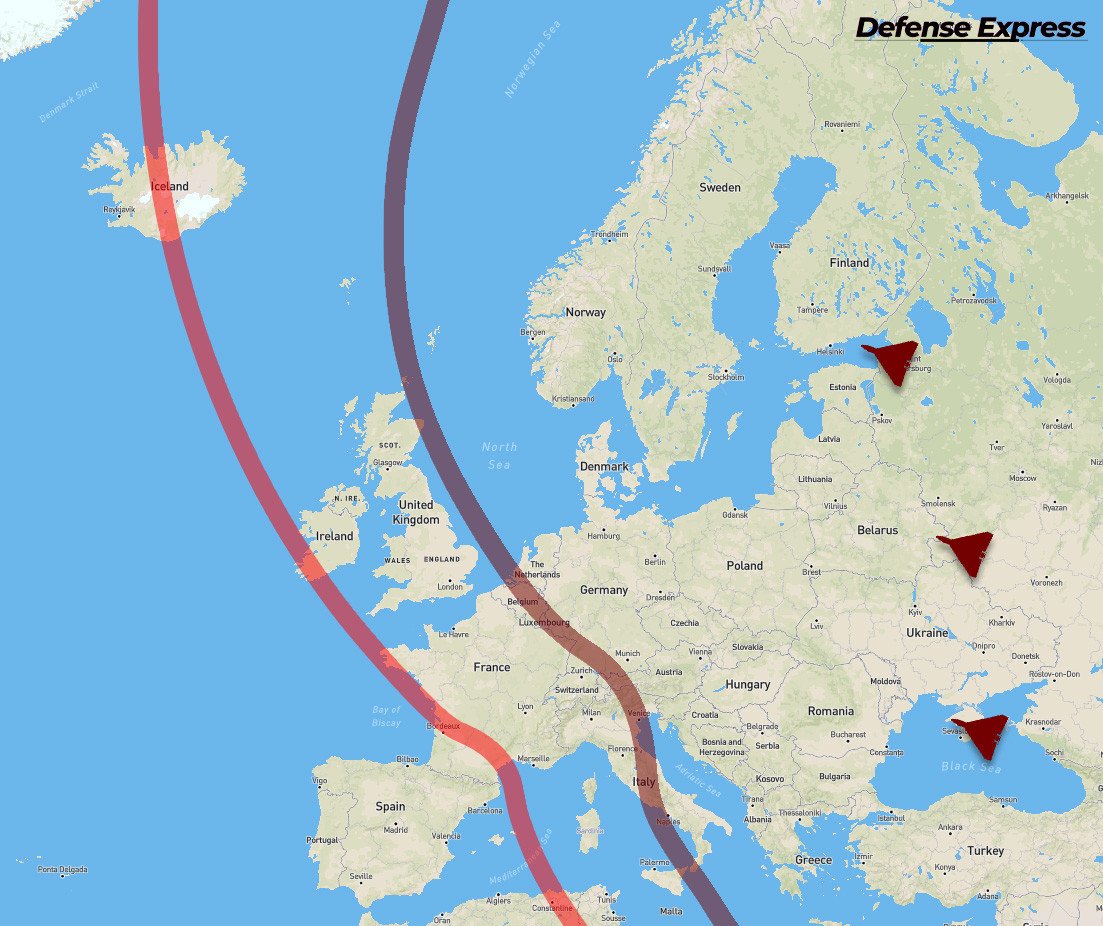
These fears are reportedly affecting decisions by some European states to delay or restrict shipments of surface-to-air missiles to Ukraine, despite its urgent need to defend against continuous aerial attacks.
During the 1960s, Soviet military planners faced a strategic challenge: how to inflict damage on NATO’s infrastructure without resorting to nuclear weapons. To address this, they developed a doctrine for conventional, non-nuclear sabotage operations, designed to operate both during war and in peacetime.
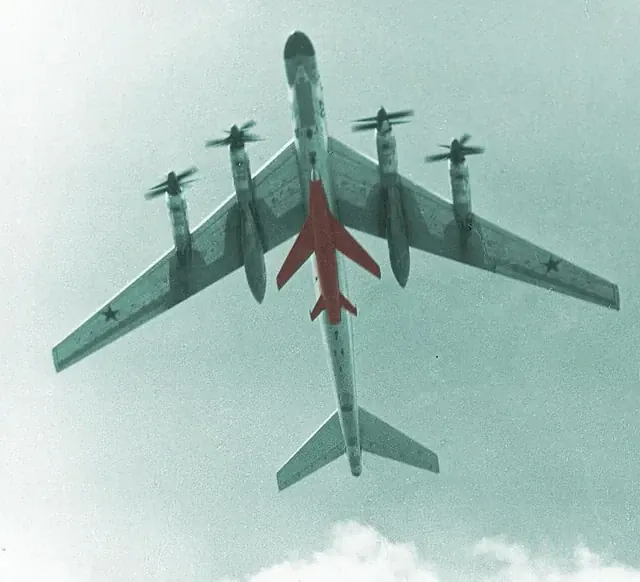
At the time, the Tu-95K bomber variant could carry a single Kh-20 missile, a nuclear weapon with a range limited to 600 kilometers. This underscored the need for alternative capabilities, especially for non-nuclear engagement scenarios.
Consequently, the USSR emphasized covert sabotage operations in Western Europe using agents under diplomatic cover or nationals from allied socialist countries, such as the German Democratic Republic or Czechoslovakia.
The doctrine outlined a clear sequence for targeting infrastructure, beginning with power stations and oil pipelines, followed by transportation nodes and control systems, municipal utilities, media outlets, and only then military facilities.
This approach aimed not only to disable key services but to extract maximum psychological impact from each successful operation.
Defense Express argues that while the technical environment has changed, the conceptual foundation laid during the Cold War remains active.
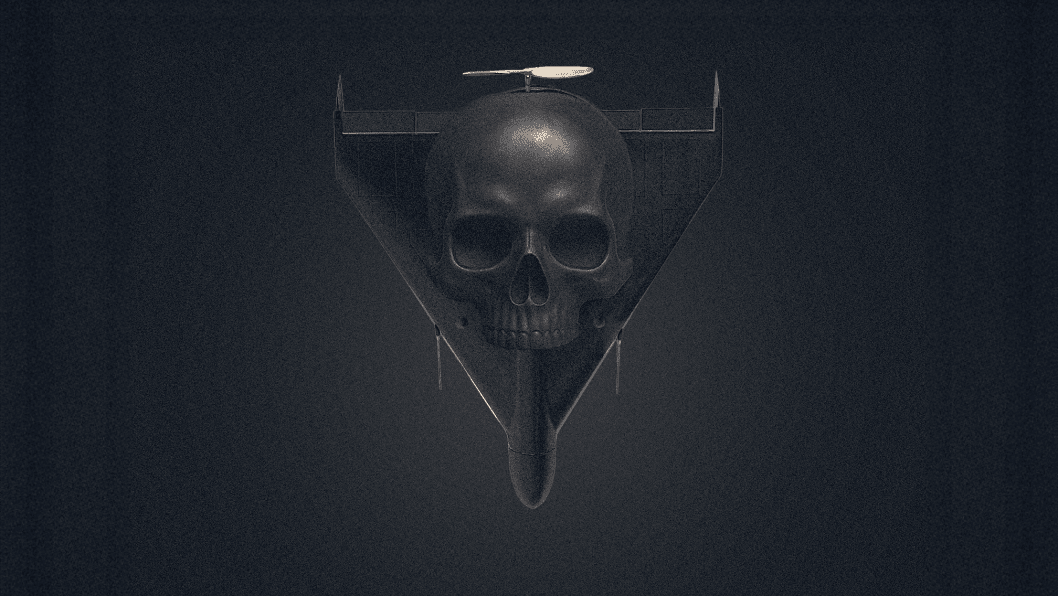
Russia’s current use of long-range drones like the Shahed-136—capable of reaching up to 2,500 kilometers—and coordinated acts of sabotage across Europe, suggest a continuity of that older strategy, now updated with modern tools.
Rather than focusing solely on raising awareness of Russia’s threat level, the article recommends that Ukraine and its partners prioritize practical joint measures to counter drone incursions and prevent acts of sabotage.
Earlier, the Financial Times reported that a wave of suspected Russian sabotage operations across Europe—including bomb plots targeting logistics hubs, railway infrastructure, and drone incursions—may be part of a coordinated hybrid campaign aimed at probing Europe’s vulnerabilities and preparing the ground for a potential future conflict with NATO.
Discuss this article:
-4a56a6b482ec132402c16ef6fcabf9a2.png)


-c439b7bd9030ecf9d5a4287dc361ba31.jpg "Photo of Katherina Popilnichenko")