- Category
- Latest news
How Ukraine’s Ultralight Drone Fleet Is Punching $Billion Holes in Russian Energy and Industry
 Prefer U24 Media on Google
- Authors


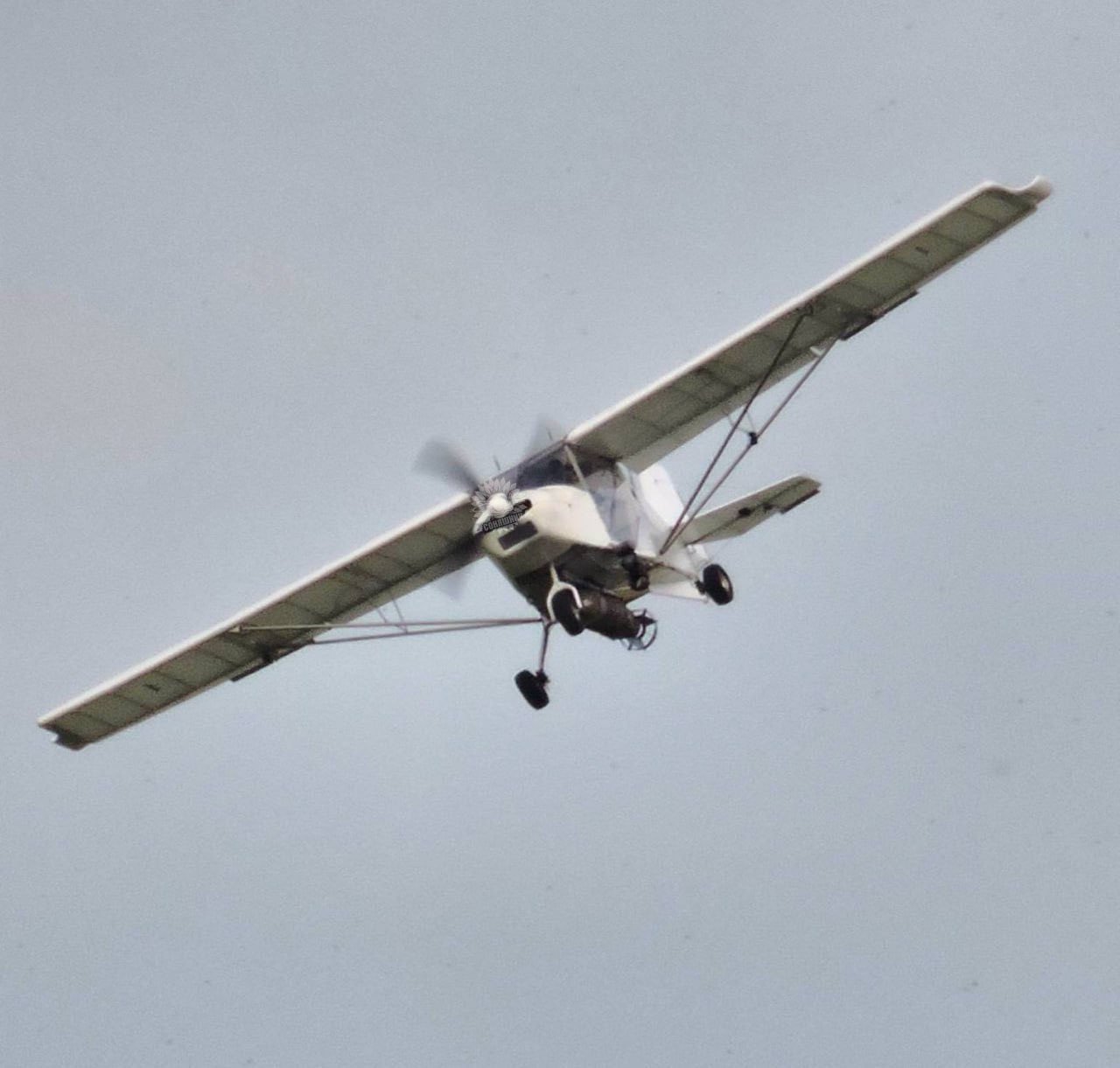
Ukrainian strike teams have been converting commercial ultralight aircraft into long-range unmanned strike platforms and using them to hit Russian targets hundreds of kilometers inside enemy territory, according to an exclusive report by Ukrainian media outlet Babel on October 20.
The program is run by a covert detachment inside the 14th Regiment of Ukraine’s Unmanned Systems Forces.
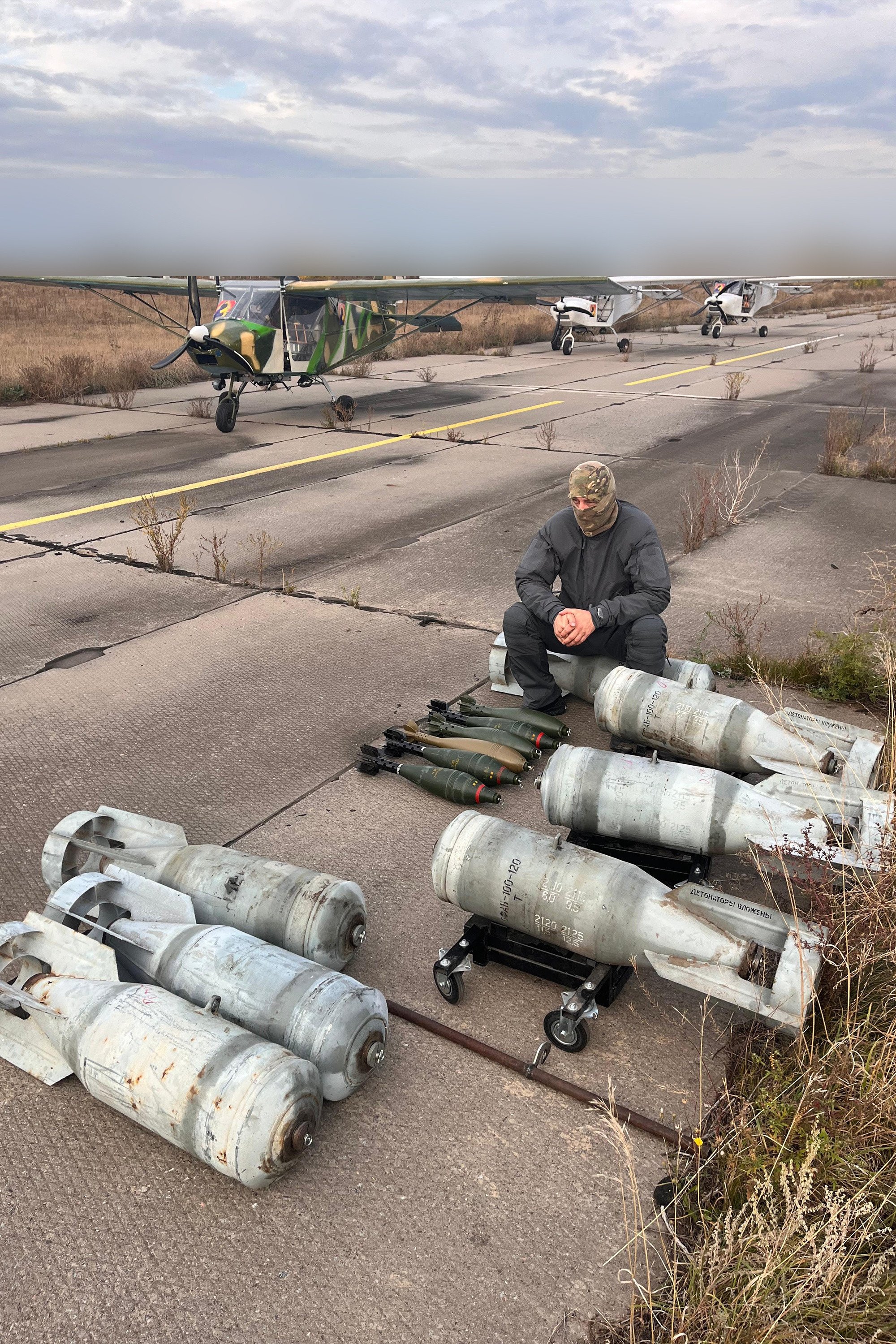
According to the Babel report, the unit has flown 102 sorties so far and claims 78 successful strikes. The aircraft—based on commercially available SkyRanger-style ultralight kits—are modified with three under-fuselage hardpoints that allow crews to carry a mix of artillery rounds and aerial bombs.
Typical loads include two 120 mm mortar shells plus an OFAB-100-120 high-explosive fragmentation bomb; some platforms can carry the larger OFAB-250 for greater destructive effect.
Ukrainian forces have mounted a FAB-250M-54 aerial bomb and a 120mm mortar round under the belly of an E-300 Skyranger drone—turning a long-range UAV into a heavy-hitting strike platform. pic.twitter.com/nzZYvA9oHy
— NOELREPORTS 🇪🇺 🇺🇦 (@NOELreports) July 17, 2025
The OFAB-100-120 carries approximately 40 kg of explosives, while the OFAB-250 contains around 100 kg. After releasing their primary weapon, the manned-turned-unmanned aircraft are reportedly used in one-way dive attacks, turning the vehicle itself into a final-stage strike.
Russian footage circulated online has shown small aircraft diving onto factories, fuel depots, and defense production sites—some reportedly tied to Shahed drone manufacturing and other military work.
“It’s difficult to calculate the total damage because we are not just hitting factories and depots but also disrupting the functioning of Russia’s oil and gas sector,” the unit’s commander, who goes by the callsign “Horynych,” told Babel.
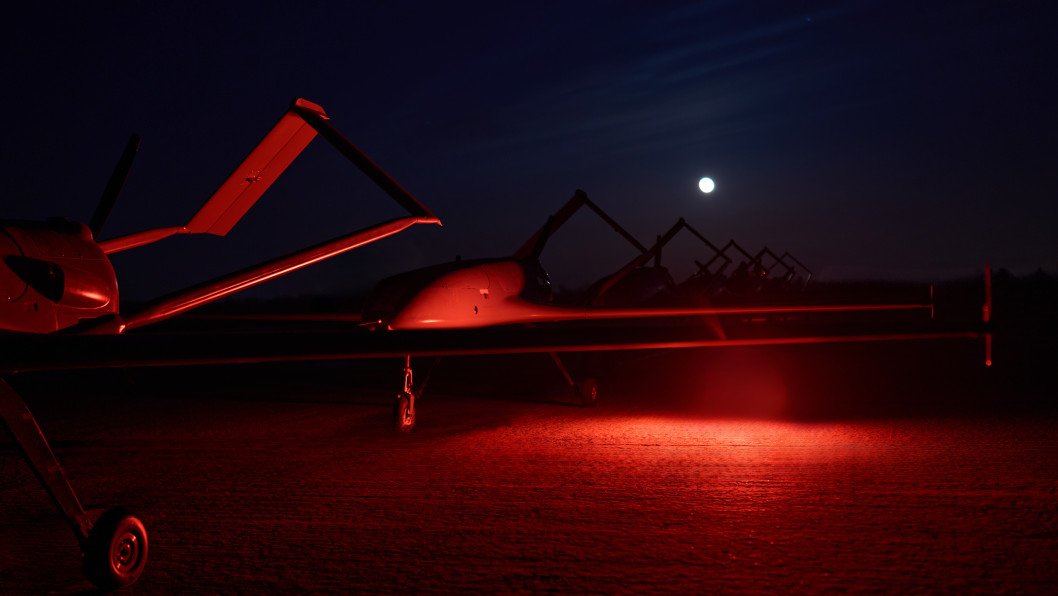
The commander estimated the cumulative economic toll at between $3 billion and $5 billion. That figure has not been independently verified.
Babel’s investigation says the effort is run with a high degree of secrecy. The exact size of the fleet is unknown; the aircraft are reportedly produced in series from commercial kits at undisclosed facilities in Ukraine. The modified ultralights are optimized for long-distance, low-altitude flight to minimize radar exposure before striking deep-rear industrial and logistical targets.
-cfd972e8ec70139f5898fe4ab2b2ff1d.jpeg)
Analysts and Western officials have repeatedly warned that improvised, low-cost systems can create outsized effects when used against soft or lightly defended targets.
The unit’s operations, Babel argues, reflect Ukraine’s broader strategy of adapting readily available civilian technology into asymmetric, battlefield-scale effects—complementing the massed one-way attack drones, EW-resistant platforms, and reconnaissance UAVs already in use across the front.
Earlier, Ukrainian engineers developed a domestically produced glide bomb system that converts standard aerial bombs into long-range guided munitions, similar to Russia’s universal planning and correction module kit (UMPK).
Discuss this article:
-9bd5e1532102621f8fb1c4ba871a3171.png)


-c439b7bd9030ecf9d5a4287dc361ba31.jpg "Photo of Katherina Popilnichenko")


-72b63a4e0c8c475ad81fe3eed3f63729.jpeg "Photo of Cyril Barabaltchouk")
-111f0e5095e02c02446ffed57bfb0ab1.jpeg "Photo of Roman Kohanets")