- Category
- Latest news
“I’m Lucky to Be Alive”: Nigerian Captive Exposes Russian Lies, Video
 Prefer U24 Media on Google
- Authors

-72b63a4e0c8c475ad81fe3eed3f63729.jpeg "Photo of Cyril Barabaltchouk")
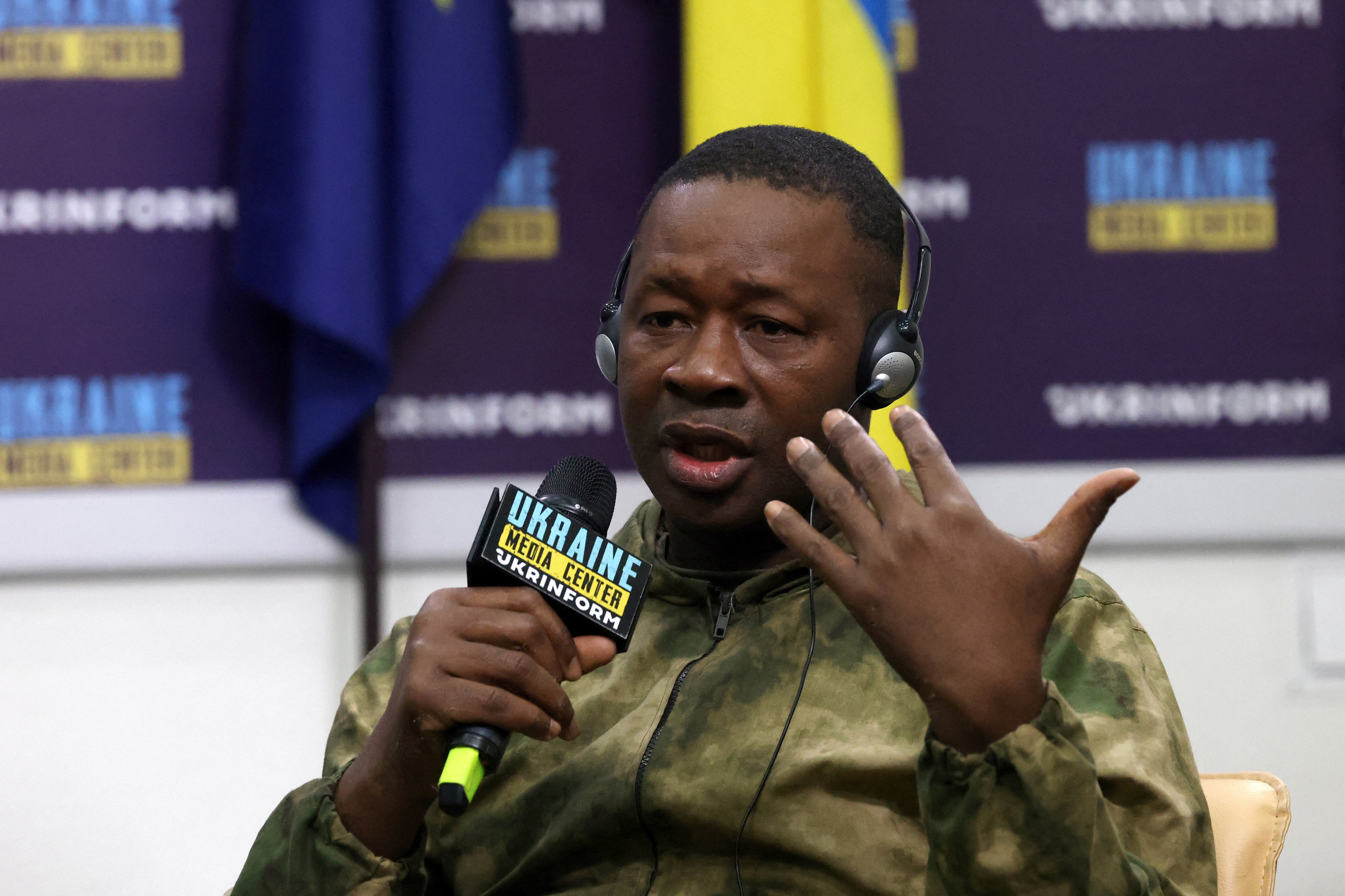
Russia’s war against Ukraine has seen the troubling rise of African mercenaries, many recruited under deceptive or coercive conditions. With African nationals increasingly enlisted to fight for Moscow, their involvement on the frontlines has brought forth dire consequences, as reported on July 21.
As Ukraine captures these mercenaries, a disturbing pattern emerges—many African recruits are abandoned by both their home countries and Russia, leaving them stranded in a legal and humanitarian limbo, writes Spanish EL PAÍS news outlet.
One such case is Oluwagbemileke Kehinde, a Nigerian who had come to Russia for education before being recruited into the Russian military. He initially served as a translator, but soon found himself thrown into direct combat in the brutal war.
Captured by Ukrainian forces in the Zaporizhzhia region, Kehinde recounted how he had been promised an easy role, only to end up on the front lines.
“I’m lucky to be alive,” he said in a video released by Ukrainian military intelligence, speaking with a mixture of exhaustion and disbelief.
Kehinde’s story is not an isolated one. Many African nationals, lured by promises of high pay and secure positions, are often coerced into military service by Russian authorities.
These individuals, including those from countries like Cameroon, Ghana, Senegal, and Uganda, were promised lucrative contracts, but instead became cannon fodder in Russia’s relentless assault on Ukraine.
“I thought I would only be an interpreter,” said Kehinde, reflecting on the drastic turn his life had taken.
The Russian recruitment process involves coercion, with recruits often forced to sign military contracts under duress. For some, like Zambian Lemekhani Nathan Nyirenda, a similar fate befell them, leading to tragic results.
Nyirenda, one of the first African nationals to die on the frontline of the Russian invasion of Ukraine while fighting for Russia, was similarly deceived into thinking he would only serve in a non-combat capacity.
“He thought he would only be an interpreter,” said Zirka, a Ukrainian medic who treated him. Nyirenda’s tragic end is the usual brutal reality faced by many African recruits.
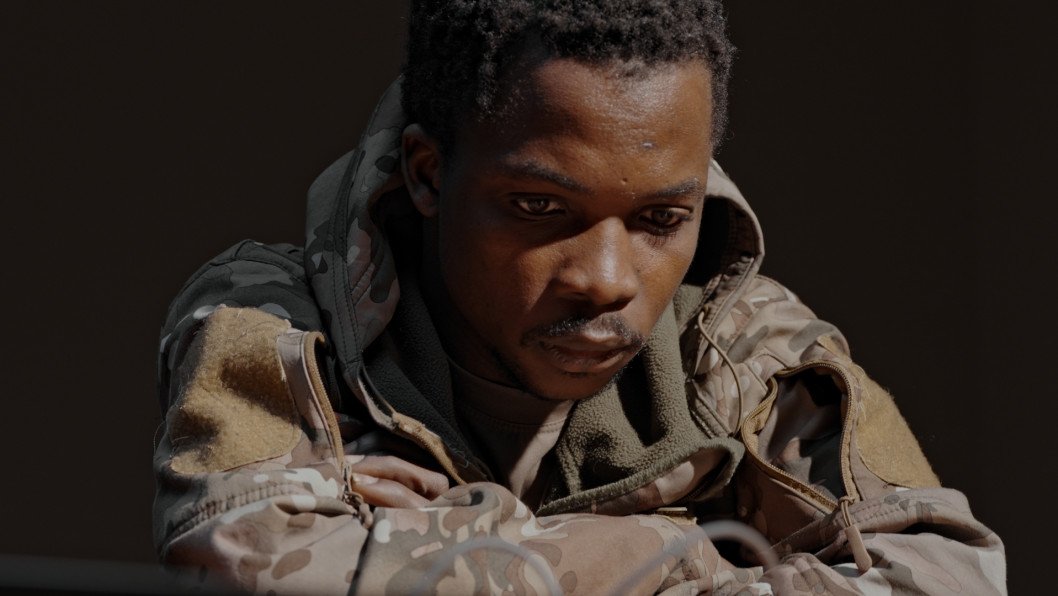
A significant aspect of this issue is the reluctance of African countries to claim these captured individuals. Many, like Kehinde, hold Russian passports, making them subjects of Russian military law and complicating their repatriation.
While Togo has expressed some interest in repatriating its nationals, other African countries have shown little interest in intervening. The situation is exacerbated by the fact that these recruits are, officially, part of the Russian army.
The state of these mercenaries has been brought to light through the accounts of captured individuals, such as Malick Diop, a Senegalese national who was deceived into joining the Russian army. Initially promised a safe job, Diop found himself thrust into combat.
“I realized it was a war when I saw the corpses,” Diop admitted in a video shared by the Ukrainian Azov Brigade.
The recruitment of African mercenaries by Russia has increased, especially as the Russian war against Ukraine continues. This growing trend is tied to Russia’s expanding military presence in Africa, which has been underpinned by state-sponsored recruitment efforts.
Ukraine’s military intelligence reported a rise in African recruits, with around 600 mercenaries fighting for Russia, according to estimates.
However, once these mercenaries are captured, they face uncertain futures. Their countries of origin have largely ignored their fate, and Russia shows no interest in facilitating their return. With no formal support from their home countries or the Russian government, these mercenaries find themselves in a dangerous position, stranded far from home.
The forced conscription and eventual abandonment of these soldiers is a reminder of the exploitation faced by many African nationals caught up in foreign war, lured with promises of a better life, only to end up in the midst of a brutal war.
Earlier, it was reported that Russia had quietly deployed 5,000 troops across Africa with Wagner veterans.
Discuss this article:

-c439b7bd9030ecf9d5a4287dc361ba31.jpg "Photo of Katherina Popilnichenko")