- Category
- Latest news
India’s State Refiners Ramp Up Russian Oil Buys as Reliance Pulls Back Over Sanctions
 Prefer U24 Media on Google
- Authors

-111f0e5095e02c02446ffed57bfb0ab1.jpeg "Photo of Roman Kohanets")
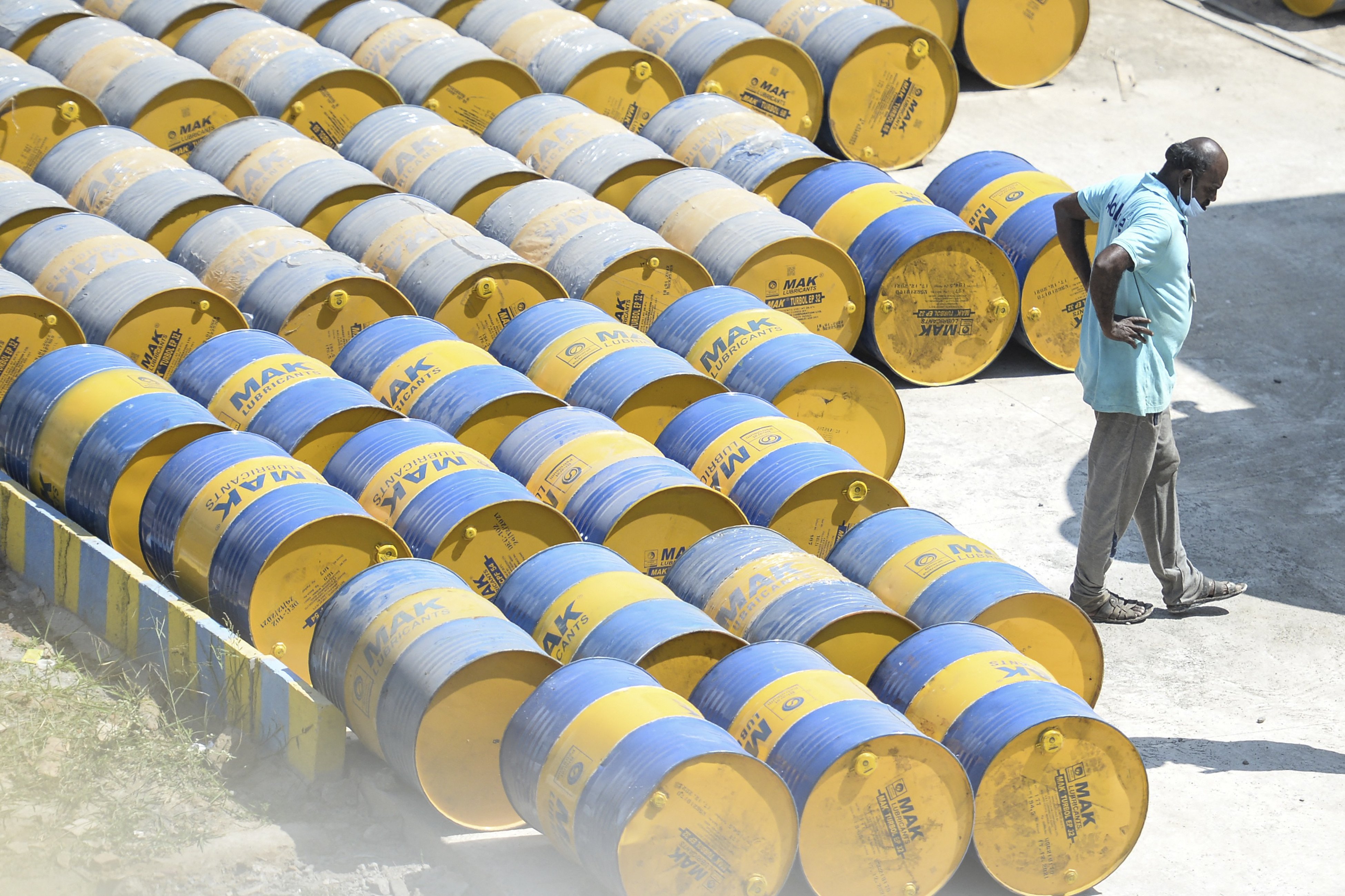
Four of India’s seven largest oil refiners have increased their purchases of discounted Russian crude from non-sanctioned suppliers, while a major private conglomerate continues to avoid such trade due to sanctions risks, according to Bloomberg on December 10.
State-run Indian Oil Corp. and Bharat Petroleum Corp. have bought around 10 cargoes of non-sanctioned Russian crude, including the Urals grade, in recent days for delivery in the coming weeks, while Hindustan Petroleum Corp. has been seeking Russian barrels for January loading, Bloomberg reported, citing people involved in the deals who were not authorized to speak publicly.
We bring you stories from the ground. Your support keeps our team in the field.
Russian crude is currently trading at about $40–$45 a barrel in India, with Urals sold at a discount of roughly $6–$7 per barrel to Brent, according to traders and market sources. India’s imports of Russian oil, which peaked at more than 2 million barrels per day in June, are projected to decline to around 1.3 million barrels per day in December and then further drop early next year, as tougher US sanctions on Russian producers reshape trade flows.
Including Nayara Energy, which has continued to process Russian crude despite being blacklisted by European authorities, the four refiners now buying from Moscow—Indian Oil, Bharat Petroleum, Hindustan Petroleum and Nayara—accounted for just over 60% of India’s crude imports this year, according to data from analytics firm Kpler.
Reliance, which until recently was India’s largest single buyer of Russian oil, is now staying out of the spot market and avoiding liftings under its long-term supply contract with Rosneft PJSC, a deal equivalent to approximately 500,000 barrels per day, Bloomberg added.
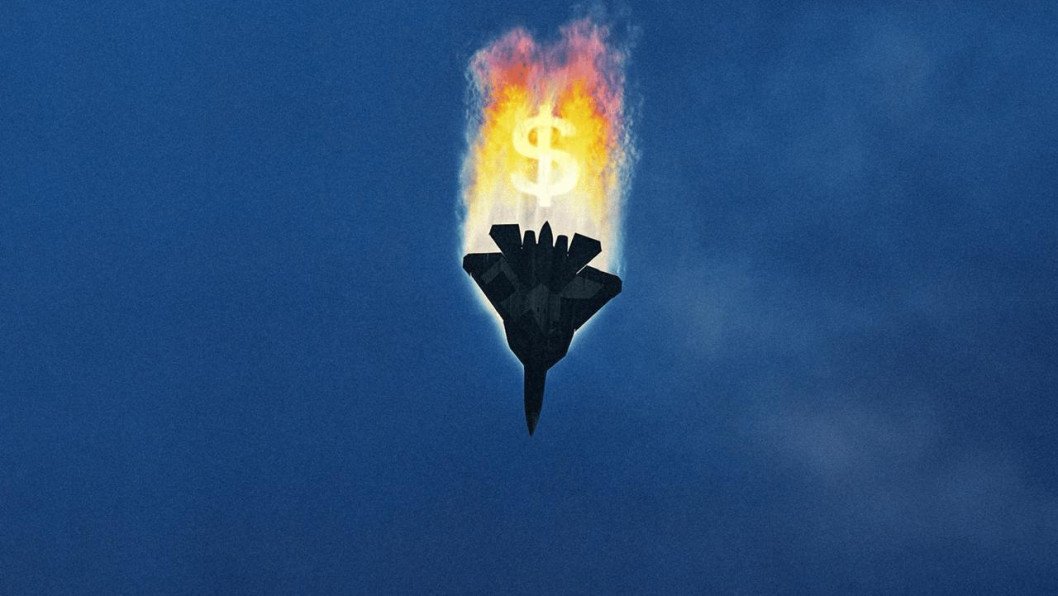
The shift in buying patterns follows the United States’ imposition of sanctions on major Russian producers Rosneft and Lukoil, as well as the introduction of steep tariffs on Indian exports, which link a portion of those duties to New Delhi’s continued purchases of Russian crude.
Bloomberg reported that India is attempting to preserve access to cheap Russian oil, demonstrate strategic autonomy, while managing pressure from Washington and Brussels, and keeping alive talks on a long-discussed trade agreement with the US.
At the same time, another report noted that despite earlier heavy Russian crude imports, several major Indian refiners had sharply cut their purchases in the face of US sanctions—and had turned to US and Gulf crude instead.
Discuss this article:
-4a56a6b482ec132402c16ef6fcabf9a2.png)