- Category
- Latest news
Iran Reportedly Tested Russian Electronic Warfare Against Starlink During Mass Protests
 Prefer U24 Media on Google
- Authors


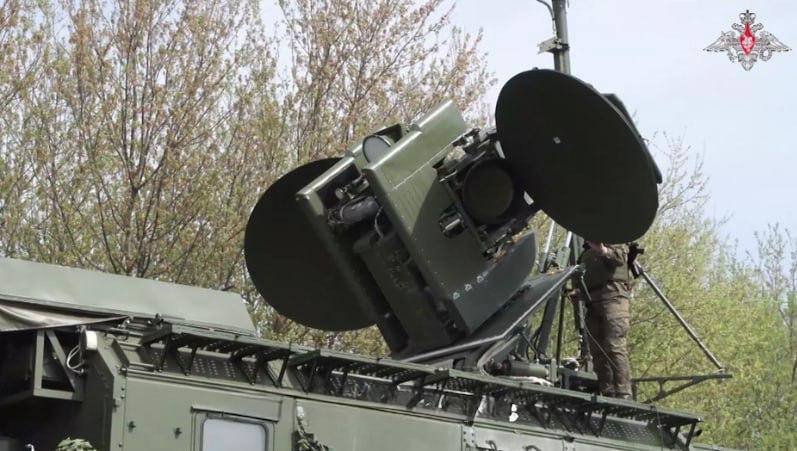
Iran may have tested Russian-made electronic warfare systems to disrupt Starlink satellite internet access during recent protests, according to a report by Agenstvo.
Citing multiple sources, the outlet stated that Tehran deployed military-grade jamming technology, potentially supplied or co-developed with Russia, to suppress satellite communications during periods of nationwide unrest.
According to The National Interest, Iran likely used an experimental Russian system known as “Kalinka” to interfere with Starlink terminals. The outlet’s senior editor Brandon Weichert argued that the system may have been field-tested in Iran.
“Now the Russians know Kalinka works, and they are integrating it into their broader defensive measures aimed at negating the strategic advantages Starlink gives the United States and its allies during geopolitical crises,” he wrote.

An alternative version appeared on a pro-Russian Telegram channel “Strong Iran,” operated by Iranian blogger Amir Ali. He claimed that Iran instead employed the Russian system “Tobol,” possibly alongside “Tirada-2.”
While the exact capabilities of “Tobol” remain unknown, the Secure World Foundation has noted that its infrastructure is colocated with satellite monitoring facilities, suggesting its use in protecting Russian orbital assets from electronic attacks.
In a separate report, The New York Times noted that Iranian authorities had deployed systems capable of GPS signal disruption, and that these systems were likely developed in Russia or China.
Additional reporting from Foreign Policy and Euronews highlighted the potential use of other Russian systems such as “Krasukha-4” and “Murmansk-BN,” both of which are designed to interfere with military satellite communications and could be adapted to suppress commercial satellite internet.
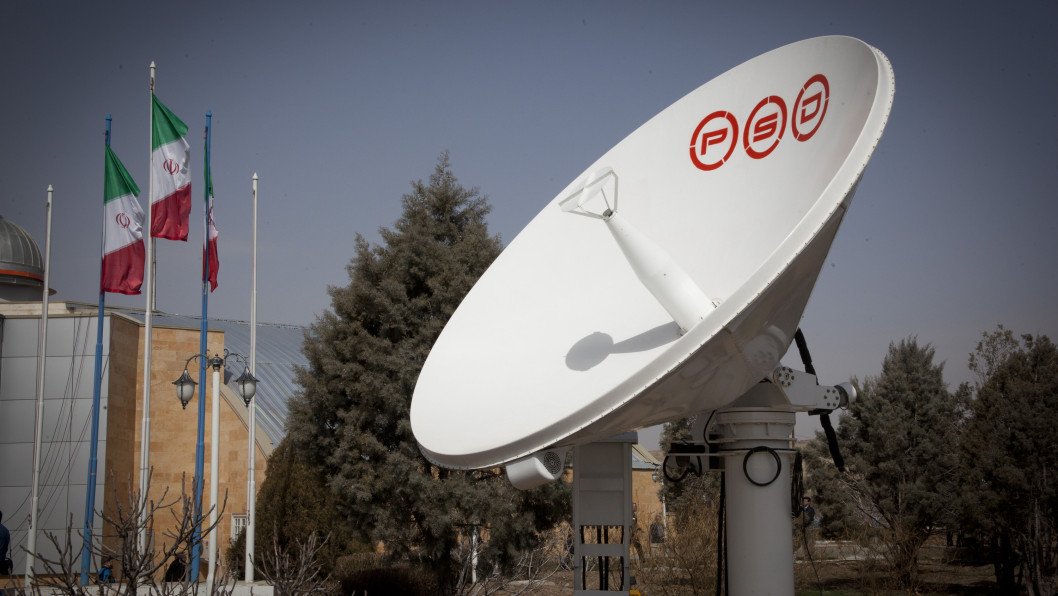
“Krasukha-4,” in service since 2012, is a mobile system reportedly capable of jamming low-Earth orbit satellite signals within a 300-kilometer range. Iran may operate its own variant of the system, dubbed “Cobra V8,” according to an August 2024 report by the Center for Nonproliferation Studies (CNS).
Neither Russia nor China has commented on their possible role in supporting Iranian operations to counter Starlink. However, Agenstvo noted that cooperation between Moscow and Tehran extends beyond jamming technology.
Earlier, Chinese defense analysts began describing Starlink as a strategic threat to national security and proposed a range of countermeasures, including lasers, signal jamming, orbital interceptors, and chemical attacks on satellite components. Beijing has also intensified research on satellite tracking and is developing its own satellite internet projects as a parallel effort.
Discuss this article:
-4a56a6b482ec132402c16ef6fcabf9a2.png)


-c439b7bd9030ecf9d5a4287dc361ba31.jpg "Photo of Katherina Popilnichenko")